

Long before France was France, it was Gaul — a vibrant, contested, and ultimately transformed land where Greek colonists traded, Celtic tribes flourished, and Roman legions marched. The Romans who came to conquer stayed to build, and what they left behind remains among the most breathtaking architectural achievements the ancient world has to offer. On this 14-day journey through southern and central France, Far Horizons invites you to walk in their footsteps: across Roman bridges, beneath triumphal arches, and through amphitheaters where the roar of the crowd still seems to echo off ancient stone.
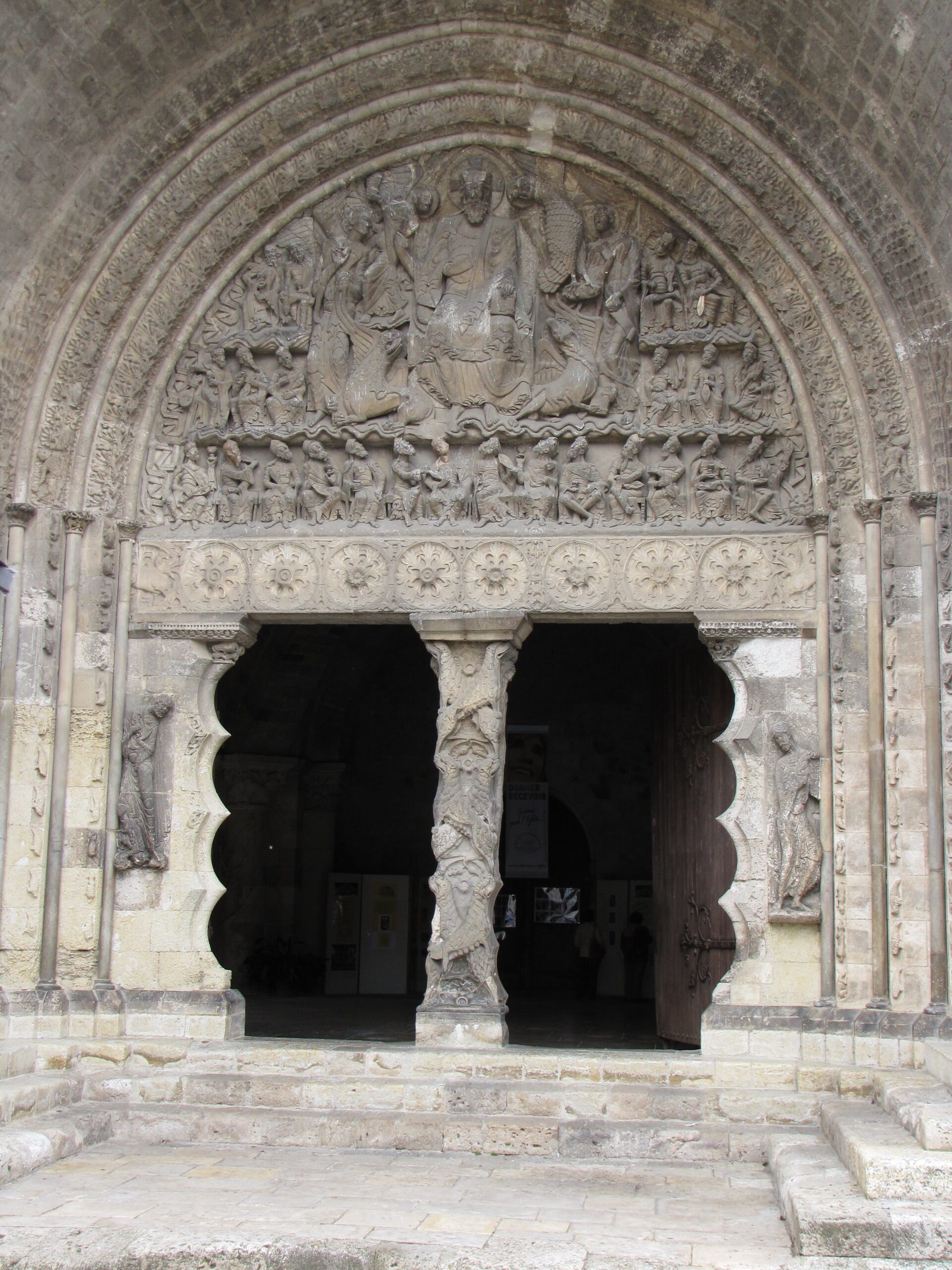
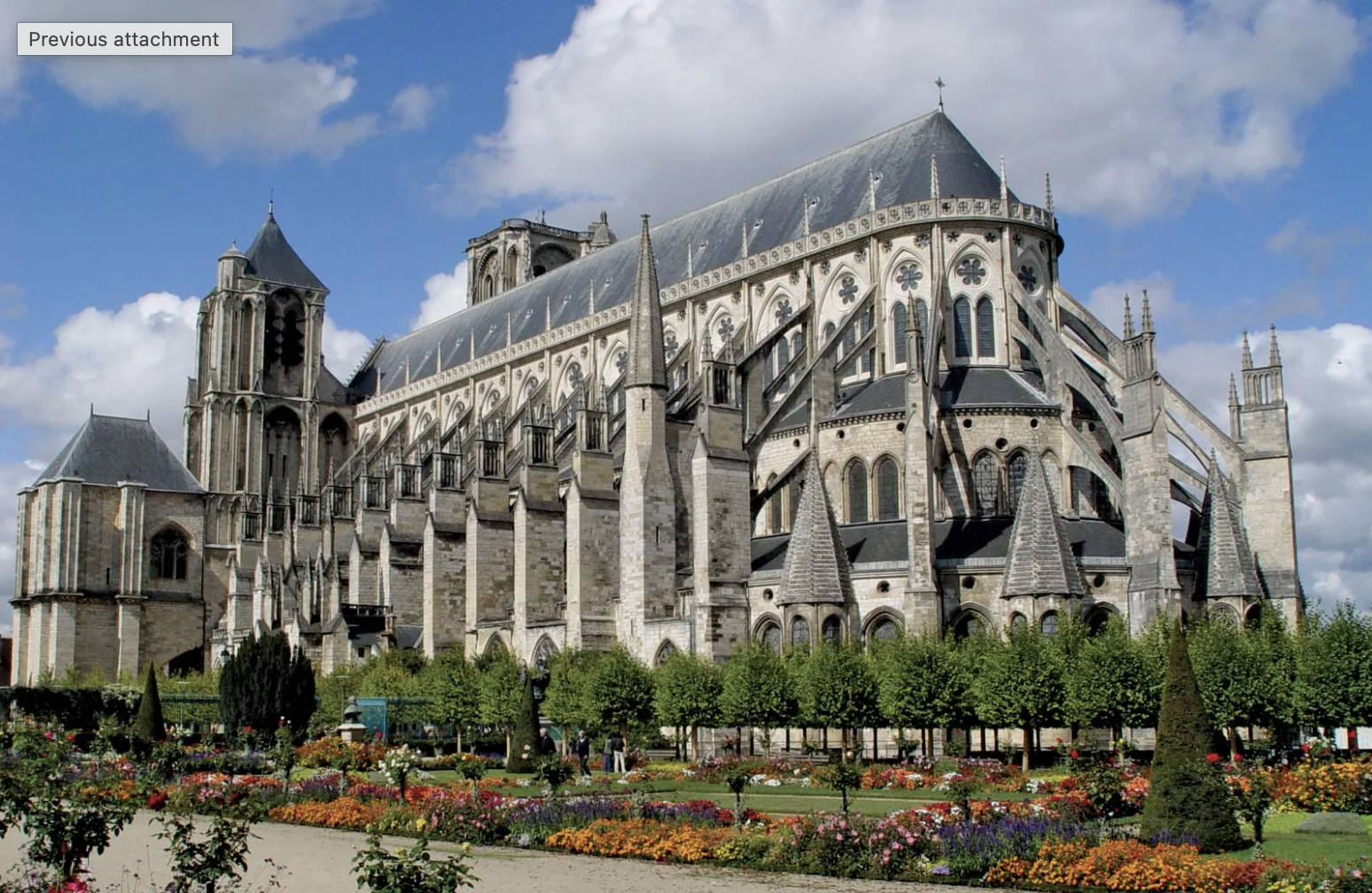
But this is not only a story of Rome. As the empire waned and Christianity spread, the builders of medieval France took up where the Romans left off — not merely reusing their stone, but reimagining the very purpose of monumental architecture. We will trace that extraordinary evolution as it unfolded across the landscape: from the soaring Romanesque abbey of Moissac, with its celebrated carved portal, to the pilgrimage basilica of Vézelay, whose sculpted tympanum and luminous nave represent the Romanesque at its most sublime, and onward to the Gothic ambition of Bourges Cathedral, where the walls seem to dissolve into light.
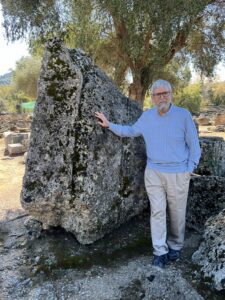
On this journey of exploration we are privileged to be led by Professor Emeritus Fred Kleiner, who will weave together the threads of history, religion, art, and politics that produced these enduring masterworks. When he stands before you at the Pont du Gard, the Arles amphitheater, or the Last Judgment portal at Autun, you are seeing the monuments through the eyes of someone who not only has an intimate knowledge of the Roman and Romanesque sites, but who literally wrote the book.
Along the way, of course, there is France itself to enjoy — its markets and medieval streets, its cheeses and its wines. We will dine well on the cuisine of Provence and Burgundy, linger over lunches in storied towns, and discover why this corner of the world has captivated travelers for centuries. Whether you are drawn by the amphitheaters of Arles, the painted rooms of the Palace of the Popes, or the hilltop silhouette of Vézelay at golden hour, this journey promises to be unforgettable.
*We want to thank Dr. Kleiner for providing so many of the wonderful images in the gallery below.
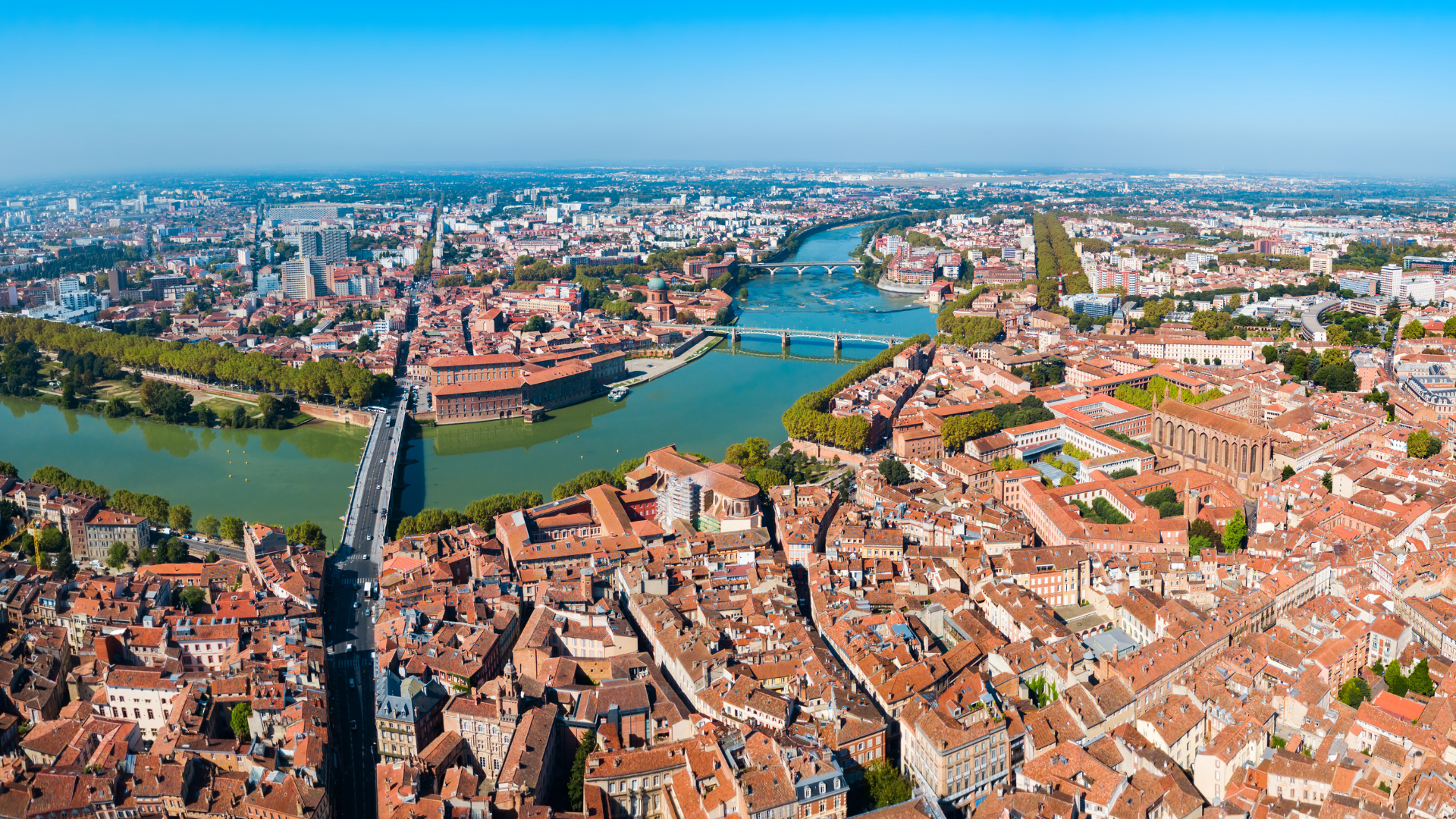
The adventure begins in Toulouse, the ancient Roman city of Tolosa, tucked along the banks of the Garonne. Upon arrival you will be transferred to a centrally located hotel, our home for two nights. This evening, join your fellow travelers for an elegant welcome dinner — the perfect occasion to set the stage for the remarkable two weeks ahead, with an introductory talk on the history of Greek and Roman Gaul that will frame everything you are about to see. (D)
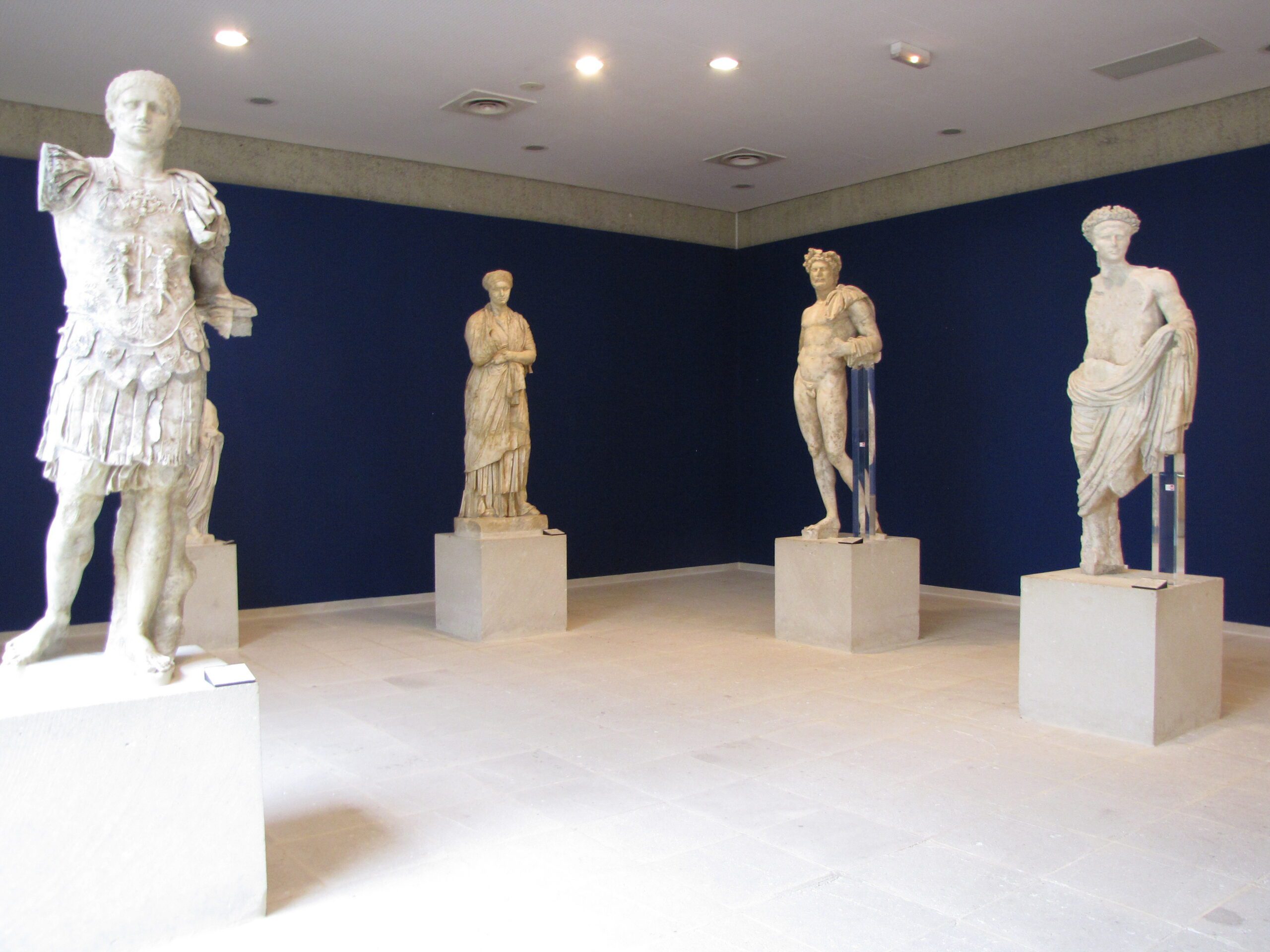
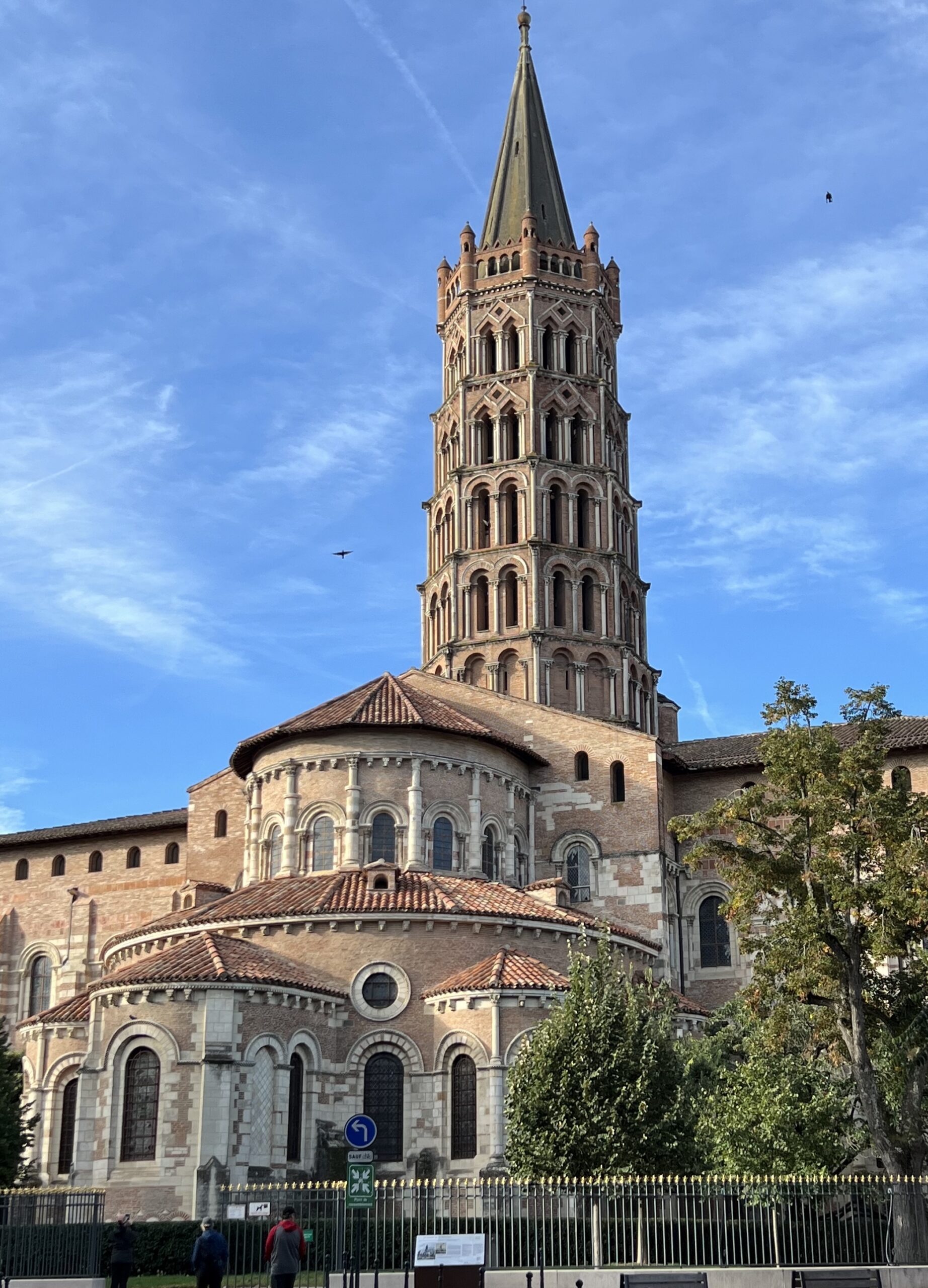
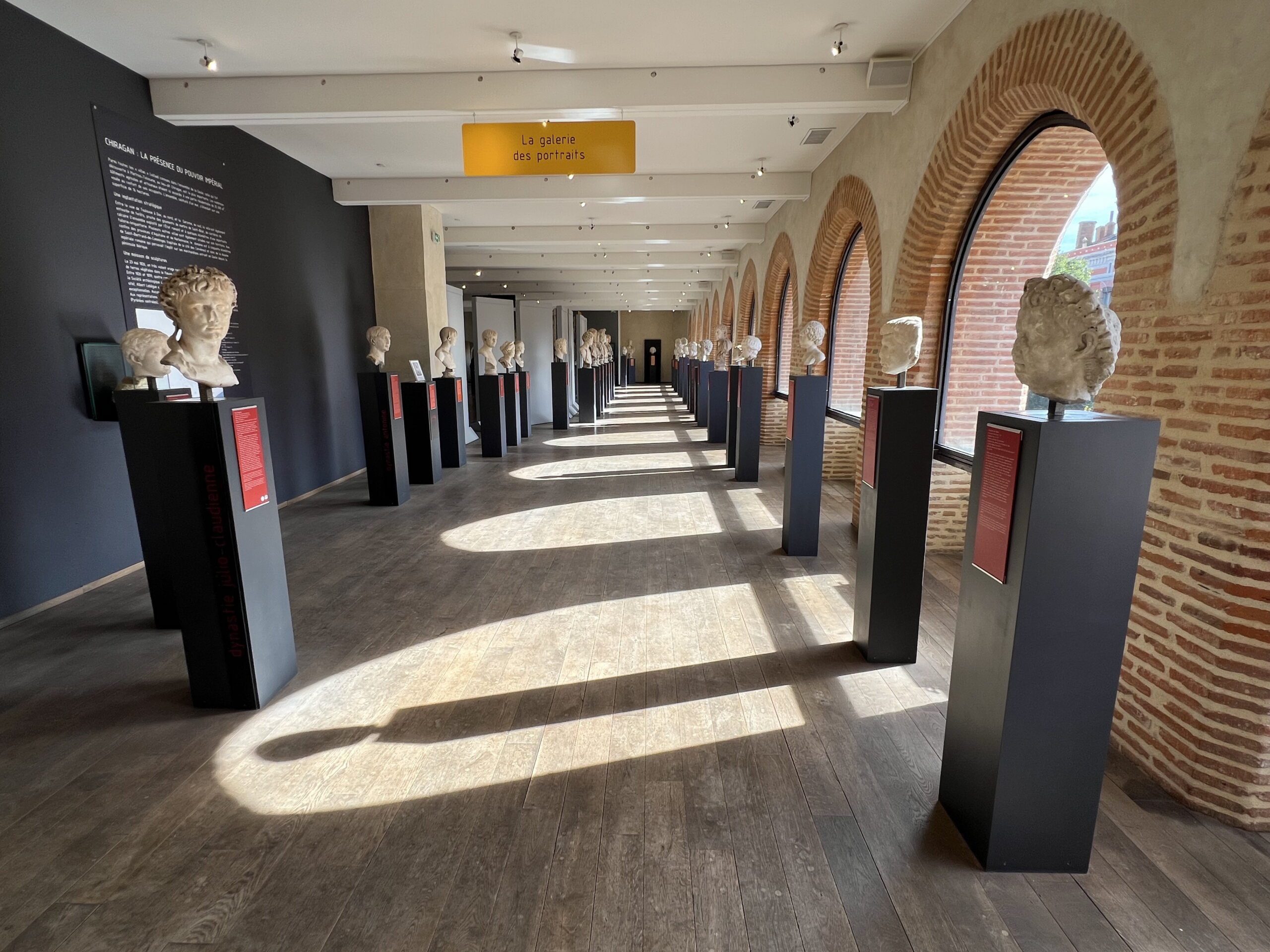
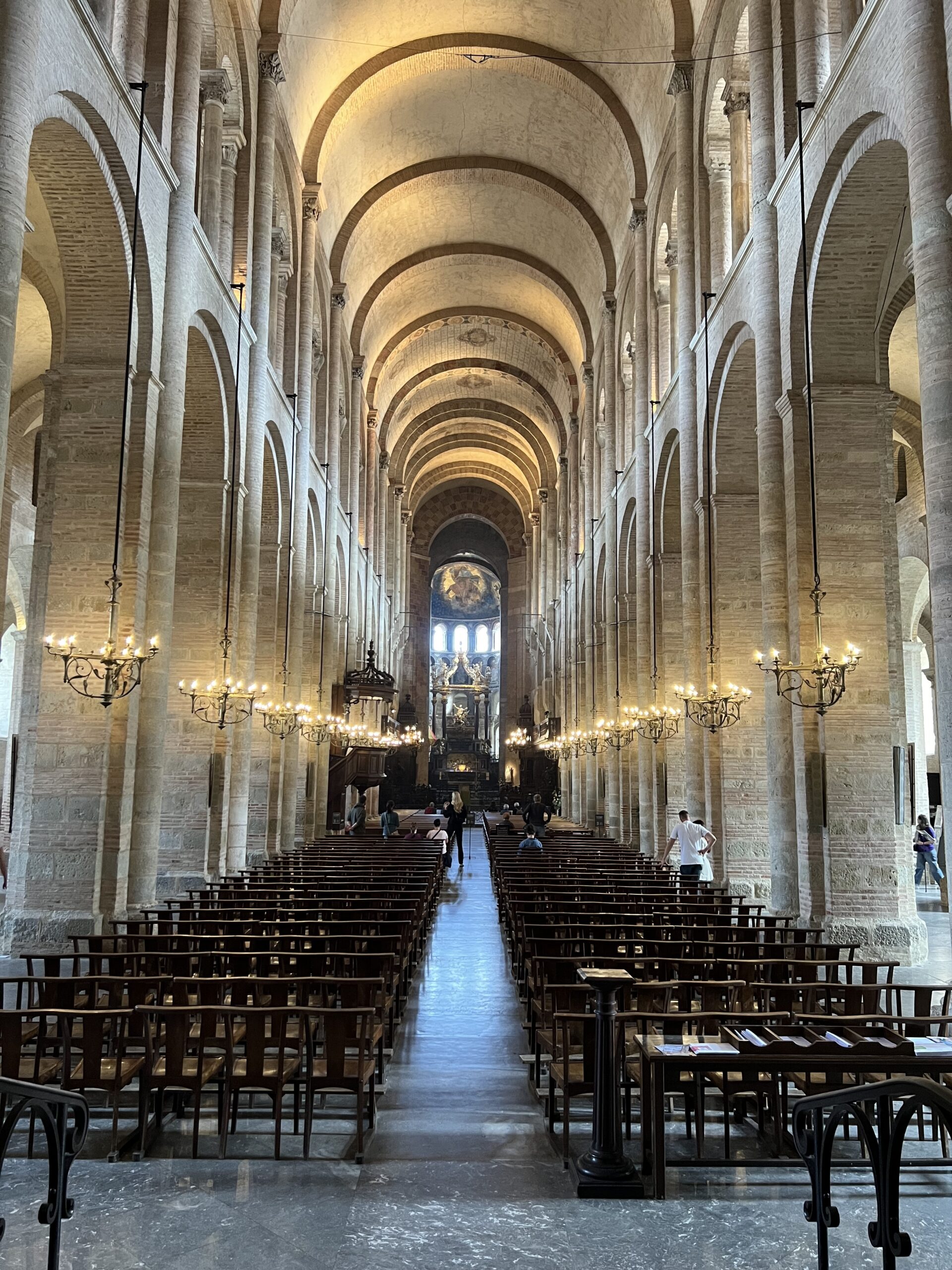
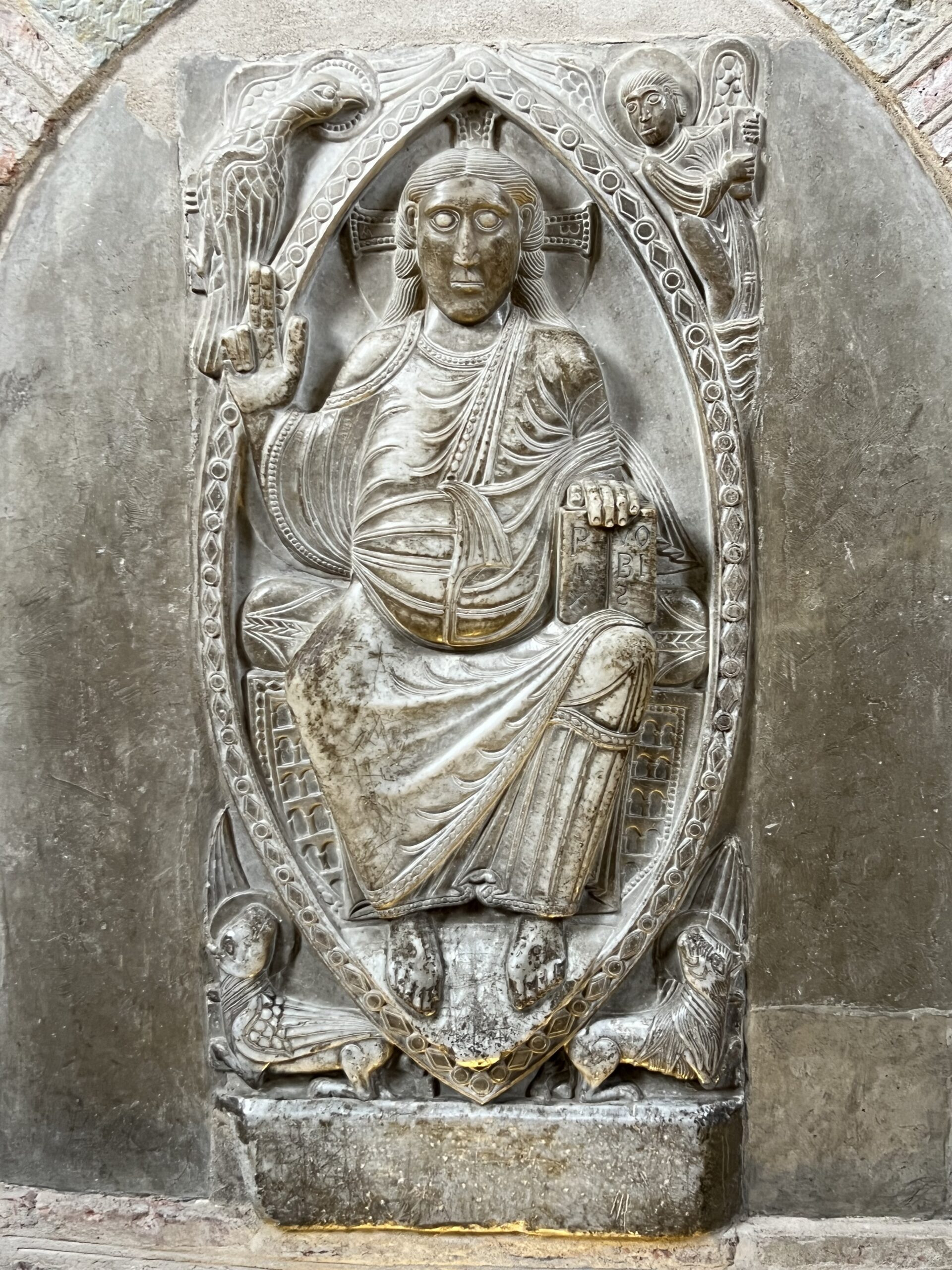
Toulouse rewards exploration, and this morning we give it its due. The Musée Saint-Raymond, housed in a Renaissance building near the university, holds one of France’s finest collections of ancient sculpture and artifacts — a fitting introduction to the Roman world we will inhabit for much of the journey. From there we make our way to the Romanesque Basilica of Saint-Sernin, one of the largest and most magnificent Romanesque churches in Europe, built along the pilgrimage road to Santiago de Compostela and consecrated in the presence of Pope Urban II in 1096. After lunch, we head southwest to the small town of Moissac, home to what many consider the greatest Romanesque portal in the world. The south doorway of the Abbey of Saint-Pierre stops visitors in their tracks: a tympanum carved with a vision of the apocalypse so vivid and alive that it reads across the centuries with startling immediacy. Dinner is on our own this evening. (B/L)
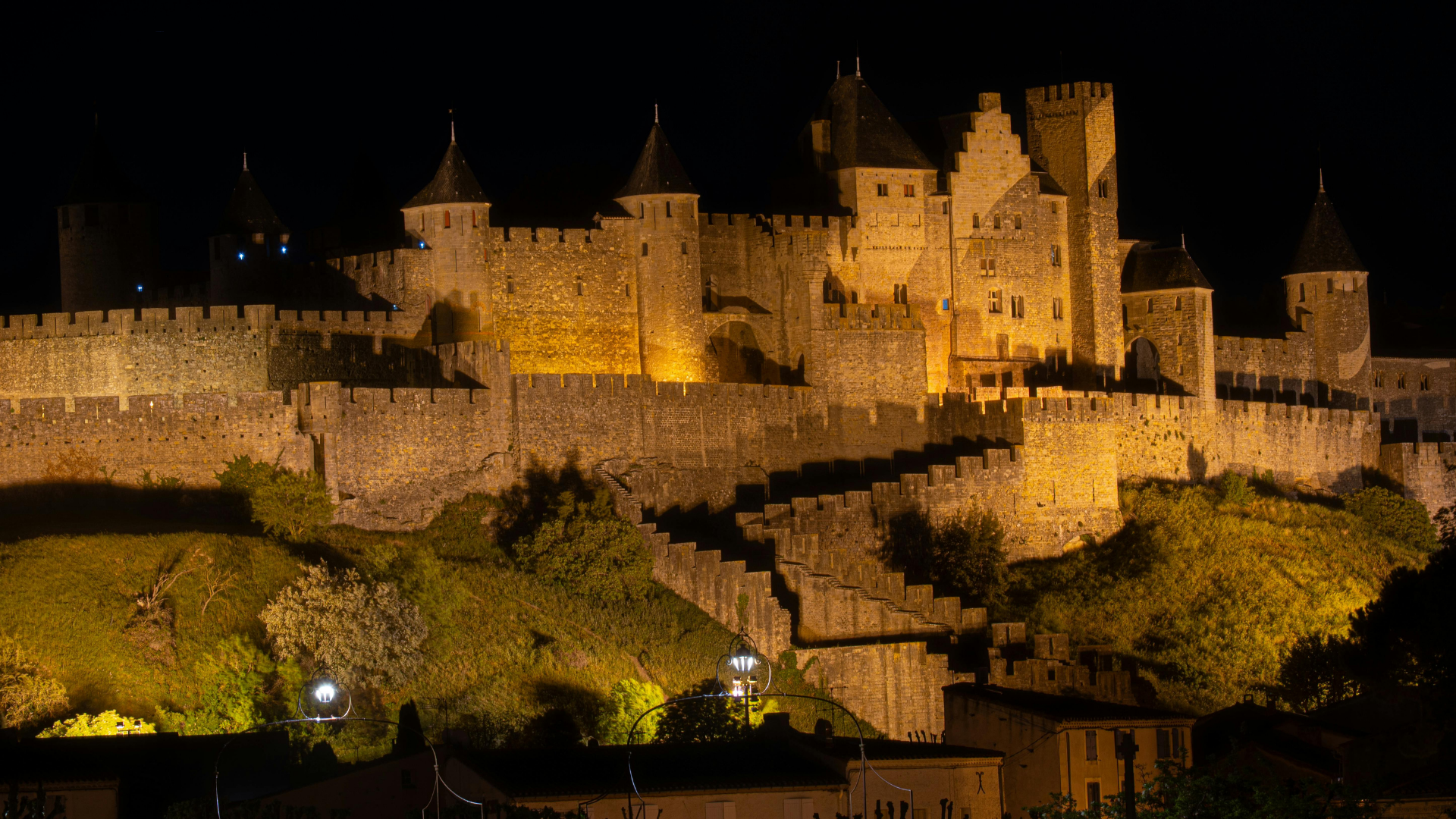
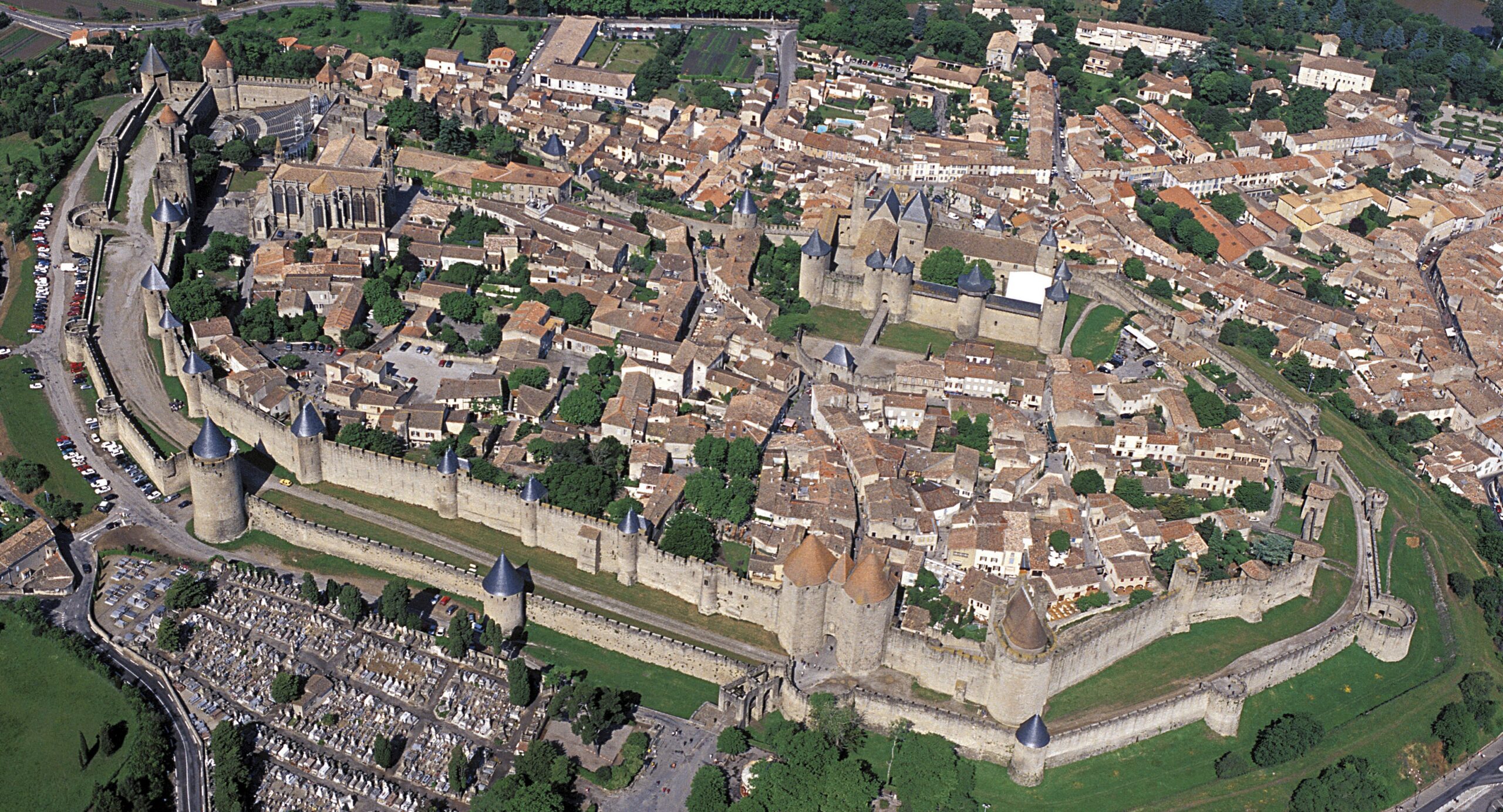
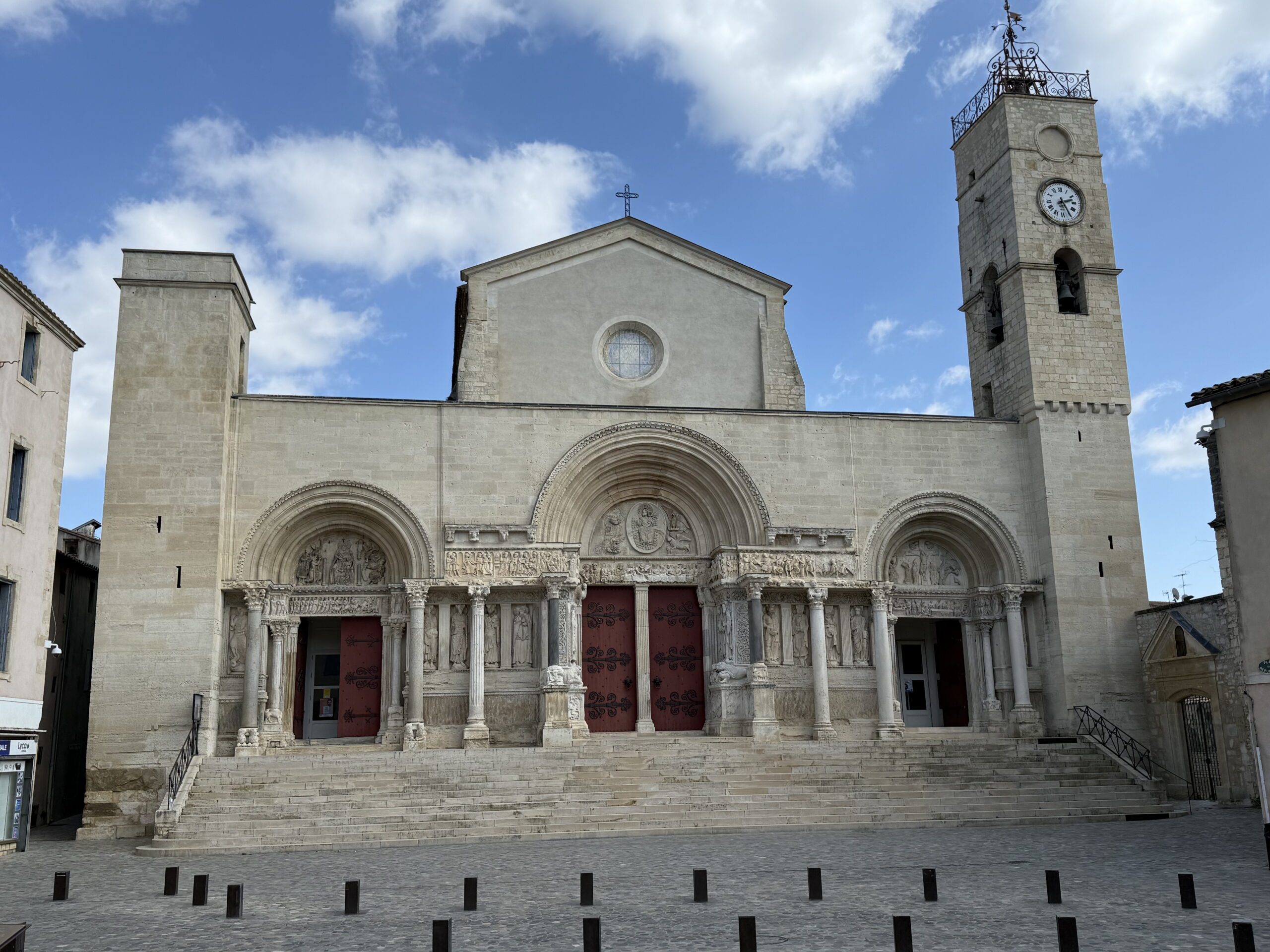
We travel today through the sun-drenched Languedoc to one of the most dramatic sights in all of France: the medieval walled city of Carcassonne. This UNESCO World Heritage fortress, crowning its hill above the Aude River, is an almost incomprehensibly well-preserved assemblage of towers, battlements, and gates that transports visitors straight into the Middle Ages. After our exploration of Carcassonne, we continue east toward Arles, pausing at the Abbey Church of Saint-Gilles-du-Gard. Once among the most important pilgrimage destinations in Christendom, Saint-Gilles is celebrated for its elaborately carved western façade — a remarkable ensemble of Romanesque sculpture that reflects the extraordinary ambitions of 12th-century builders. We arrive in Arles this evening, our home for the next four nights. (B/L/D)
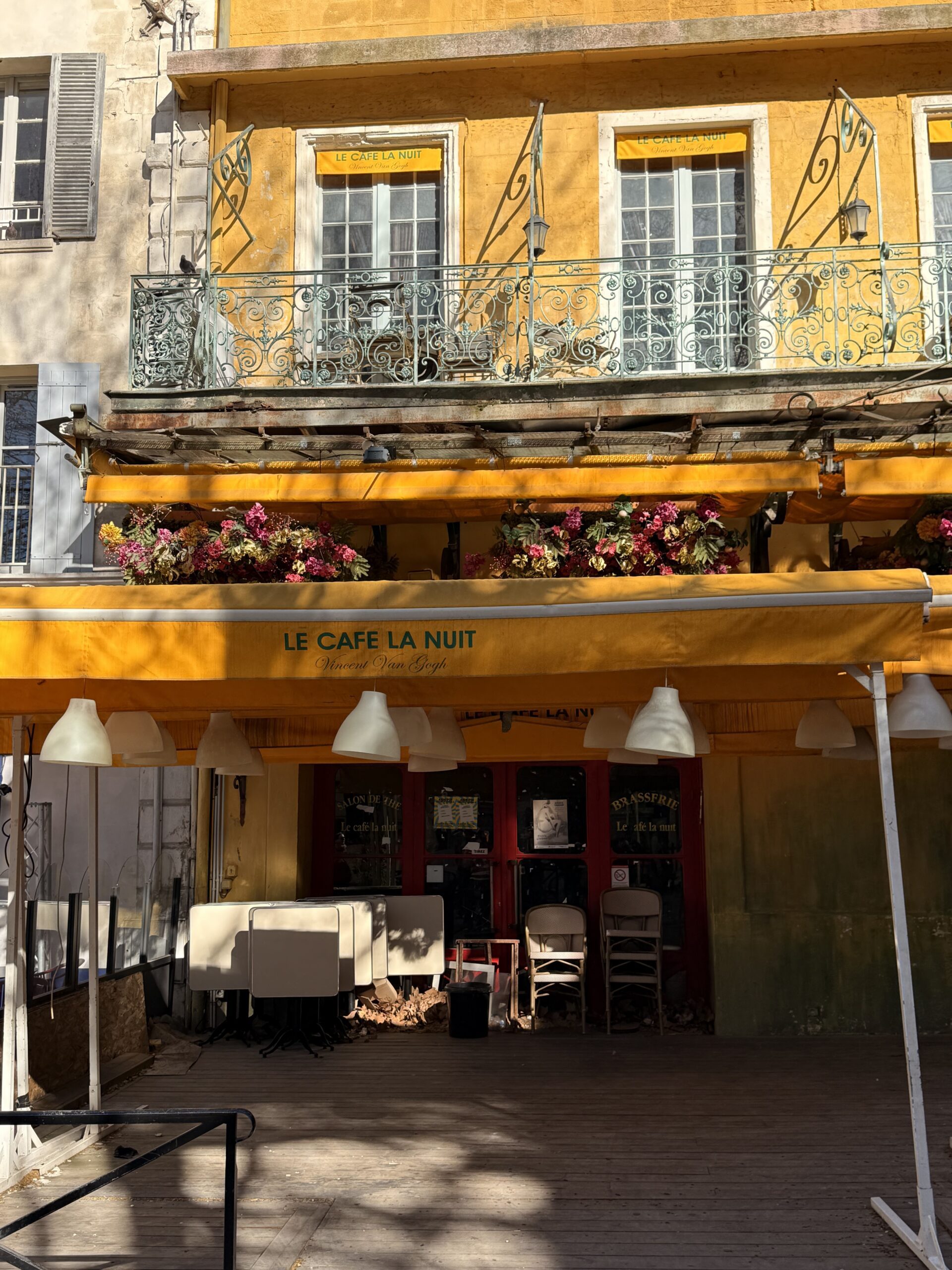
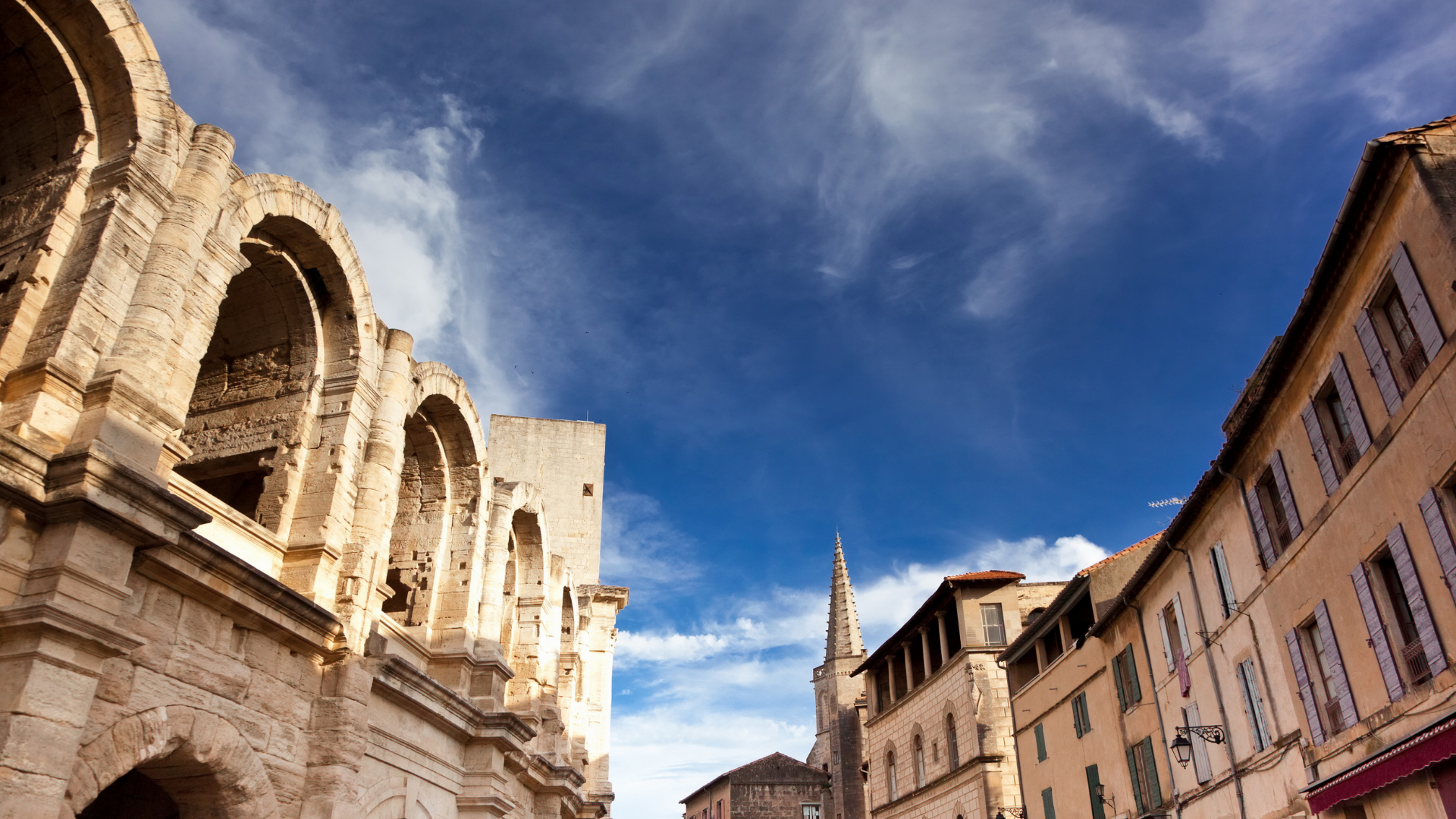
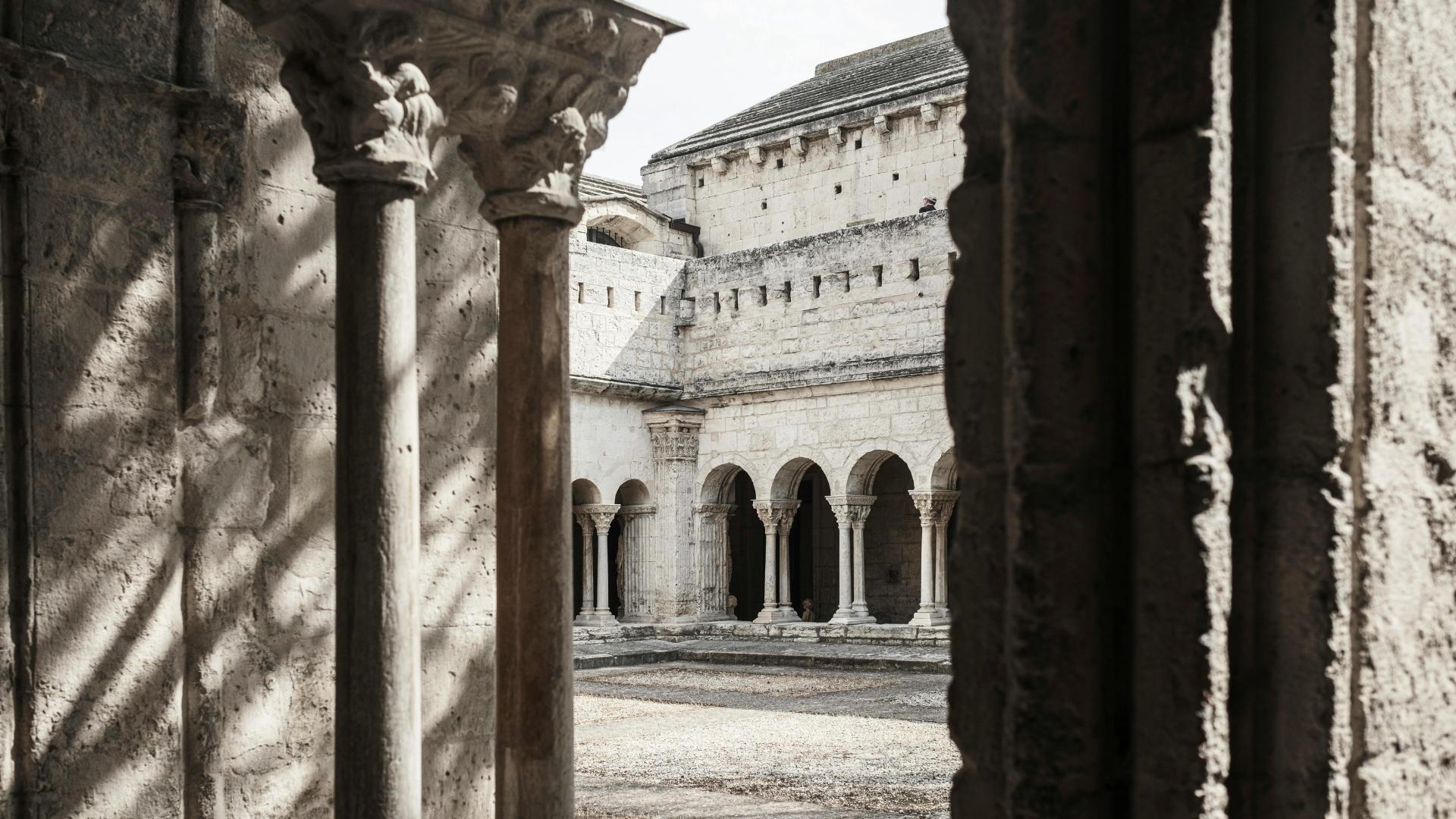
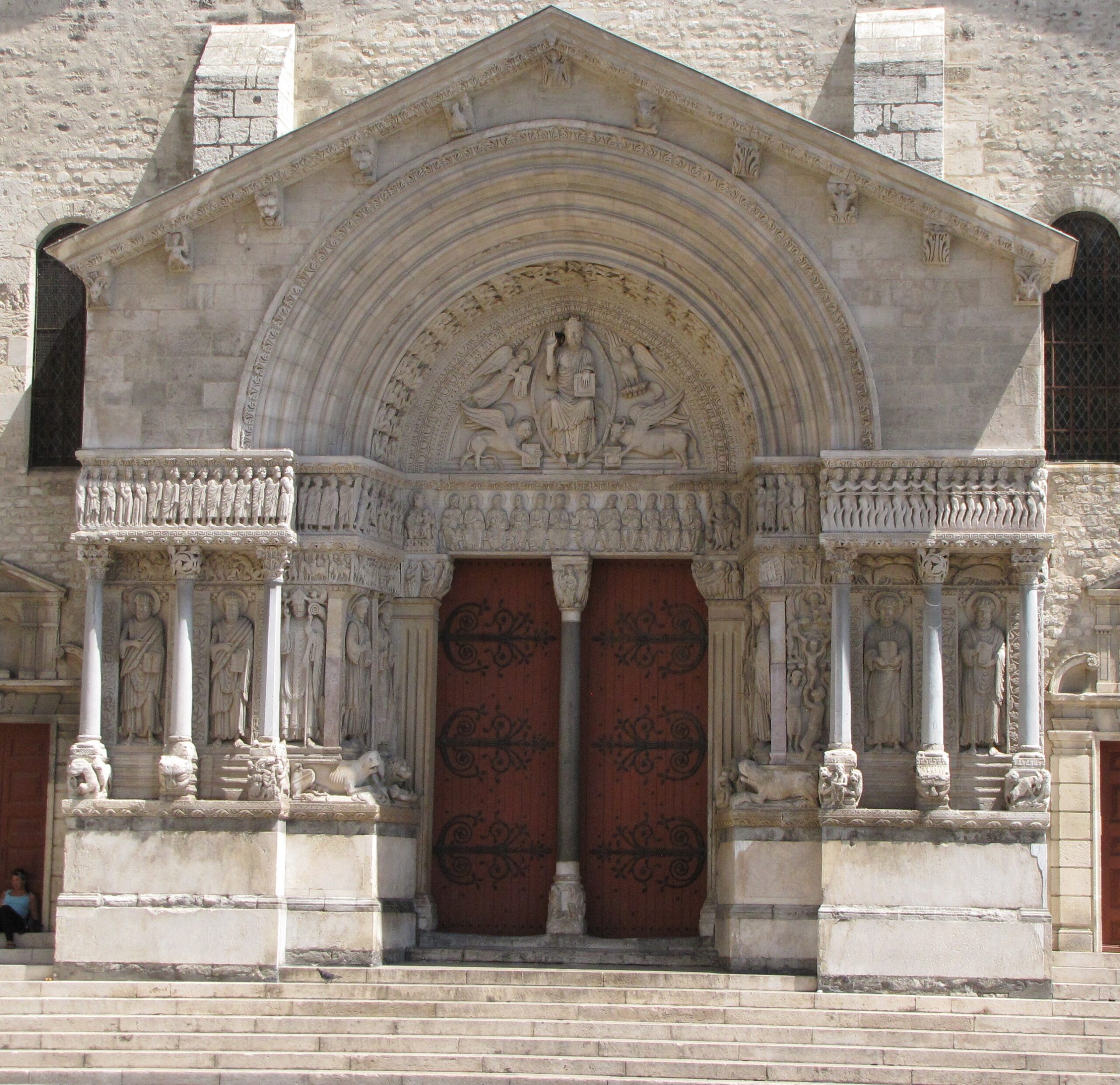
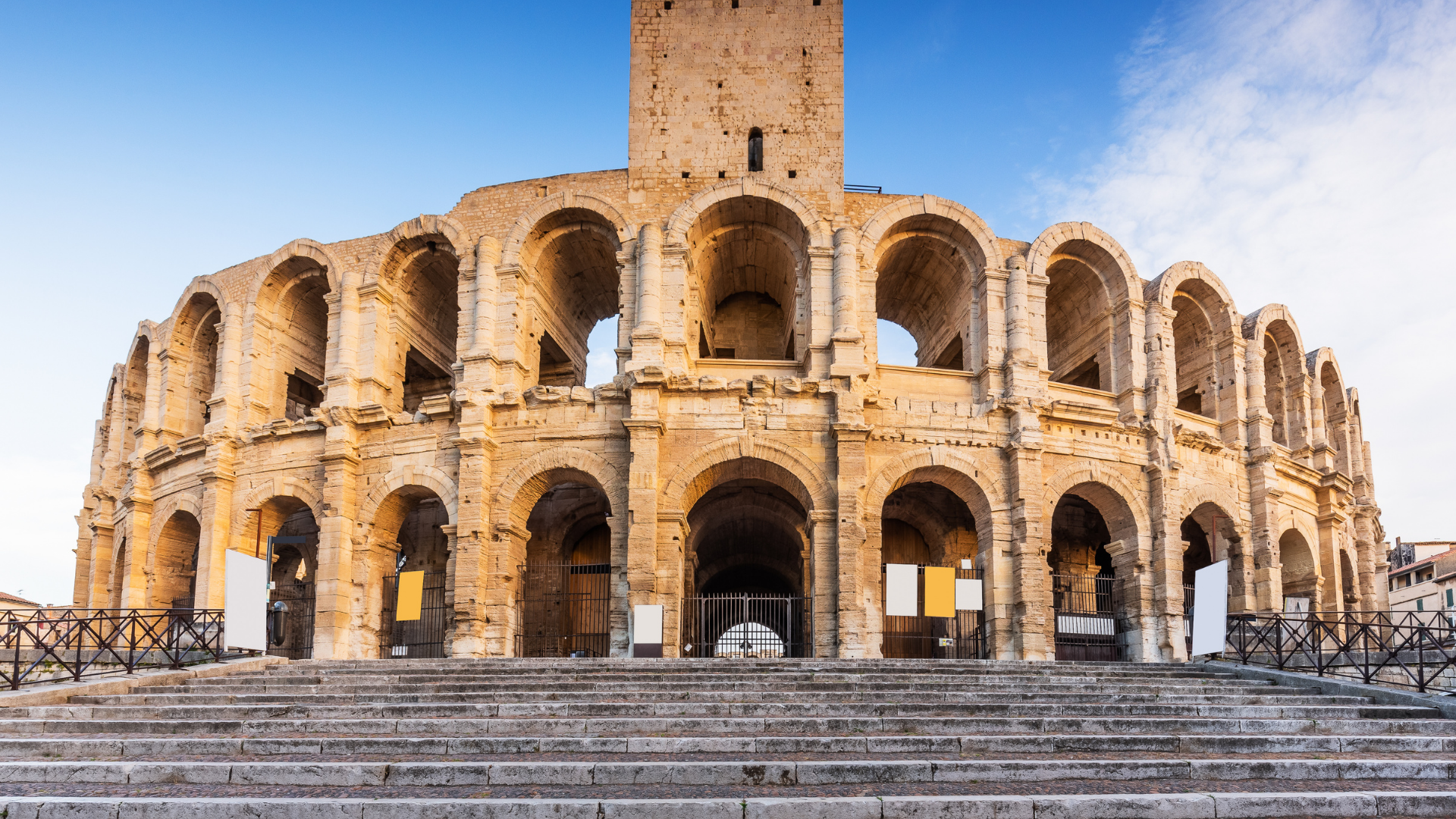
Arles was one of the most important cities in the Roman world — a crossroads of trade and culture where the Rhône met the Mediterranean sphere — and today it remains one of the richest repositories of Roman antiquity anywhere in France. We spend a full day exploring its treasures: the great amphitheater, capable in its heyday of holding 20,000 spectators; the Roman theater, whose surviving columns still exude a quiet grandeur; the mysterious underground galleries of the Forum Cryptoporticus; and the Alyscamps, the ancient necropolis that drew pilgrims and painters alike (Van Gogh immortalized it in a famous series of canvases). Lunch today is at the Night Café, evoking the city’s enduring artistic spirit. The afternoon brings us to the Romanesque Church of Saint-Trophime, whose cloister and portal rival anything in the south of France. The evening and dinner are free to discover Arles on our own. (B/L)
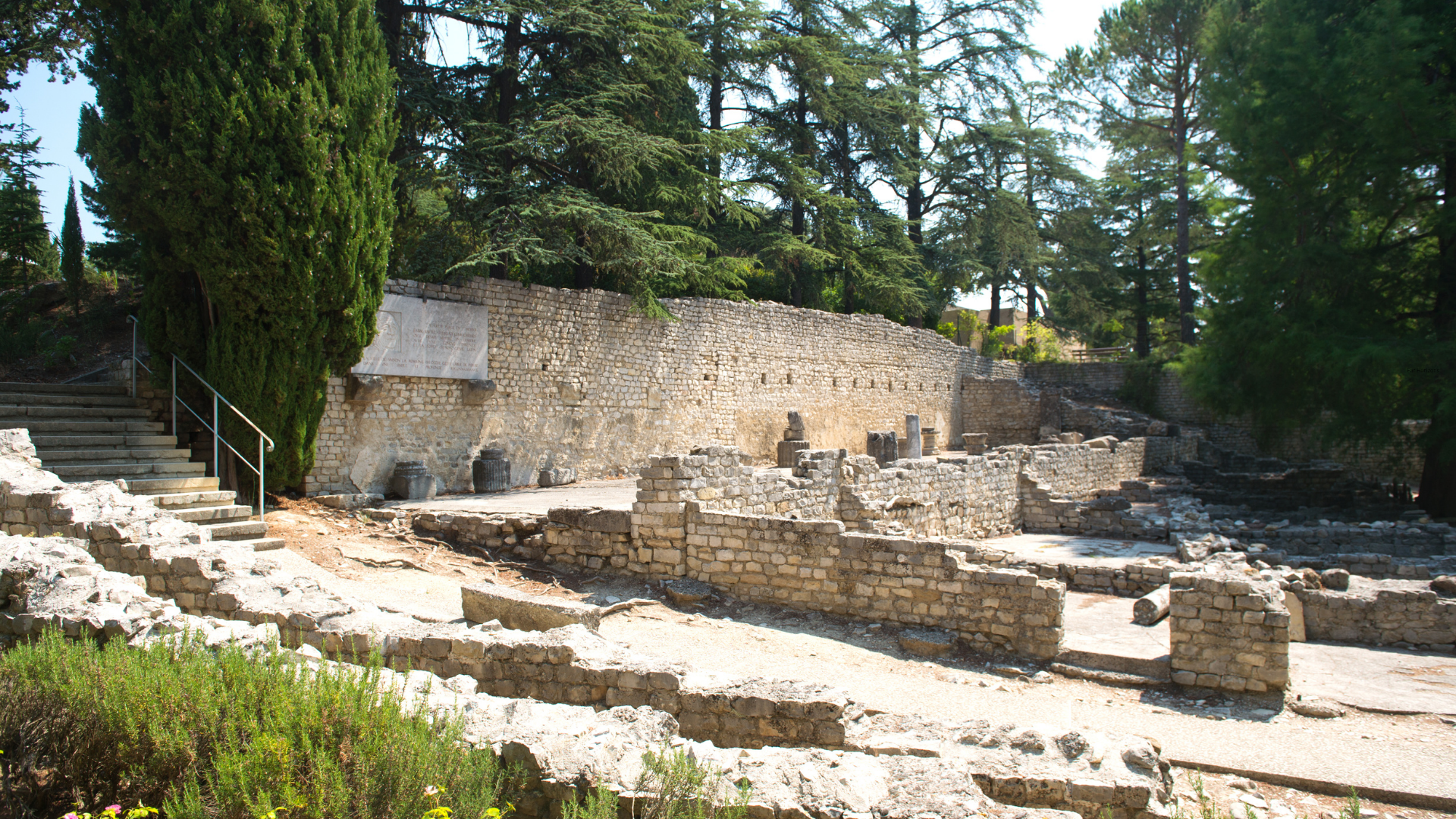
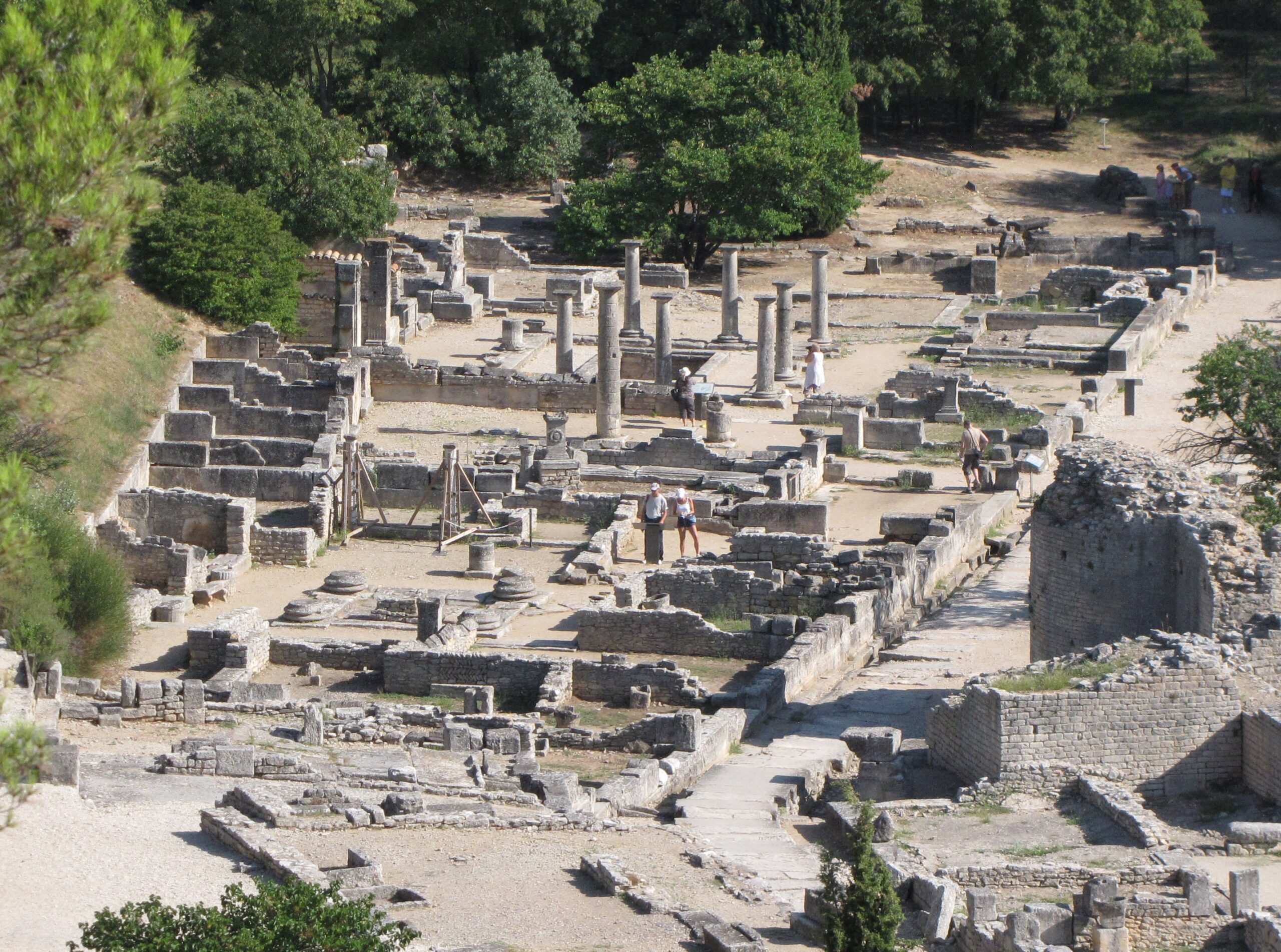
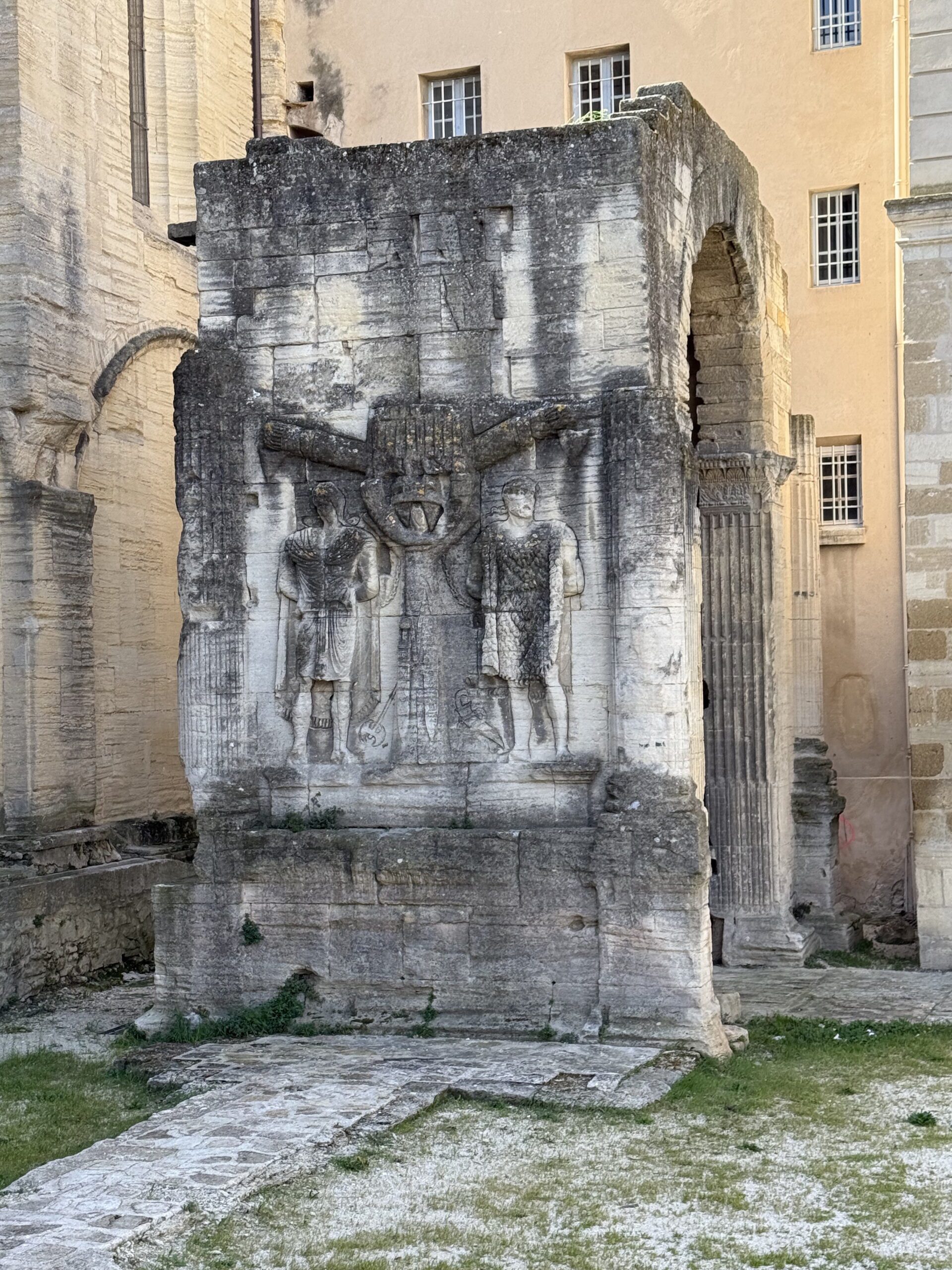
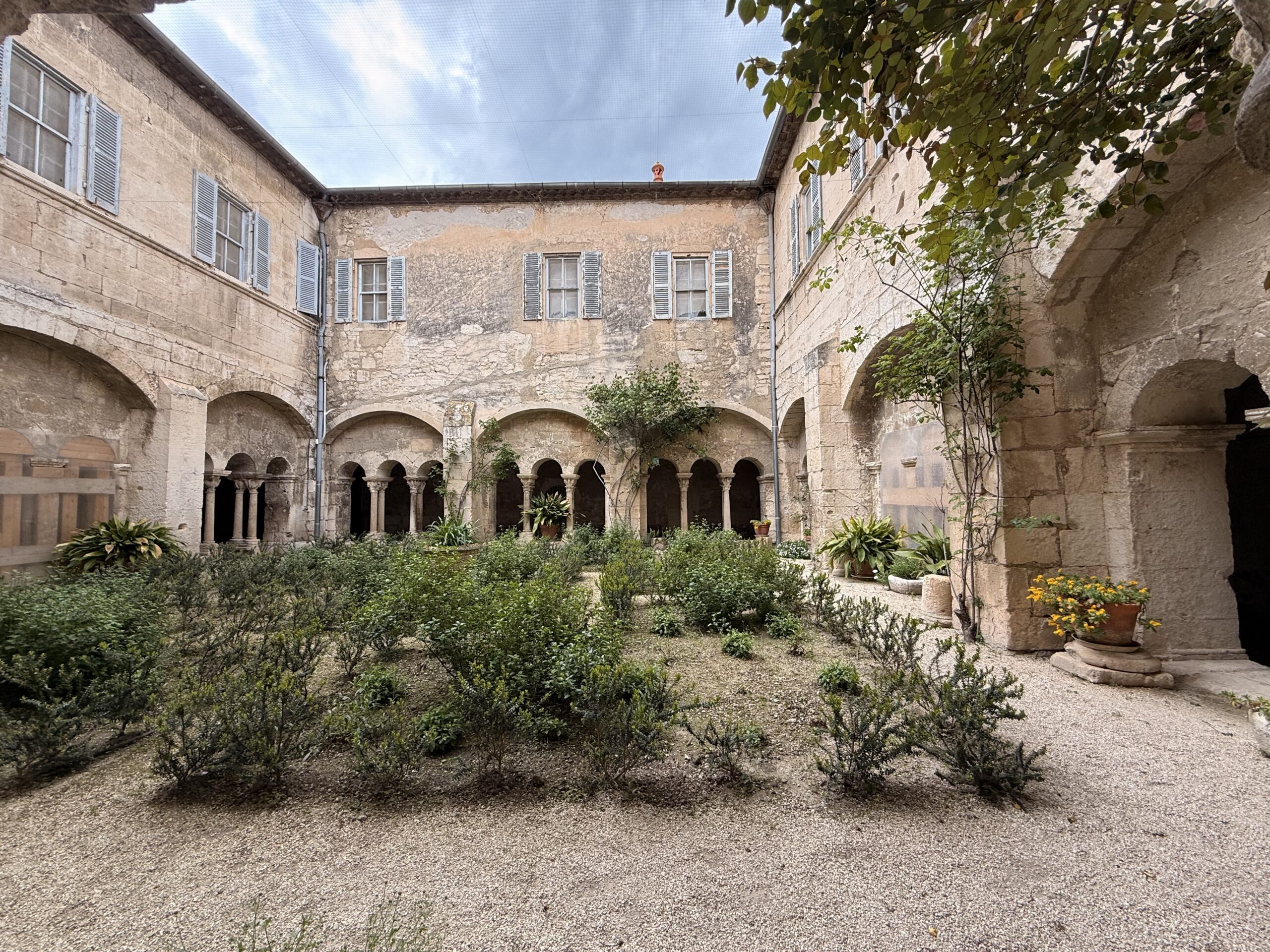
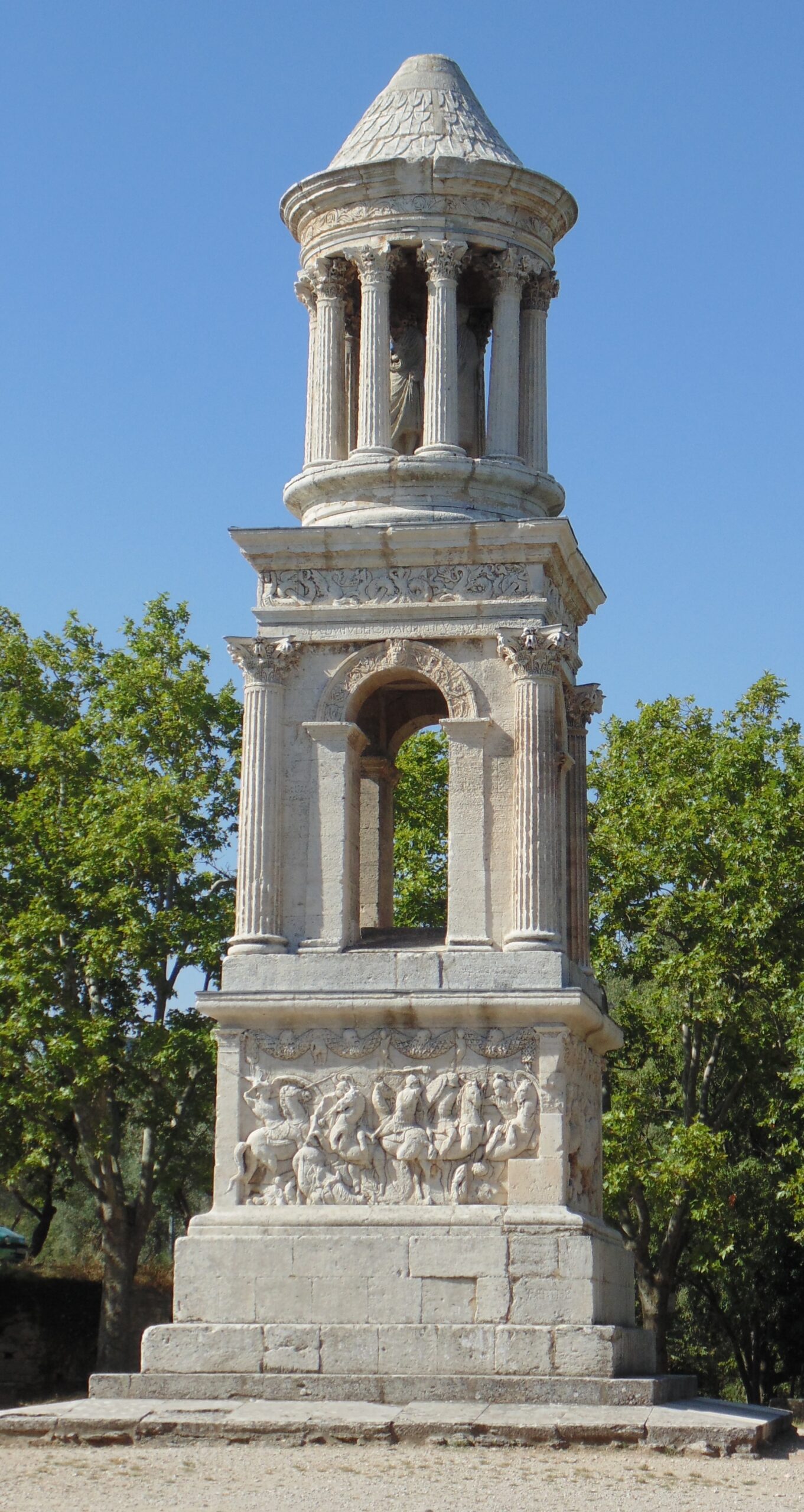
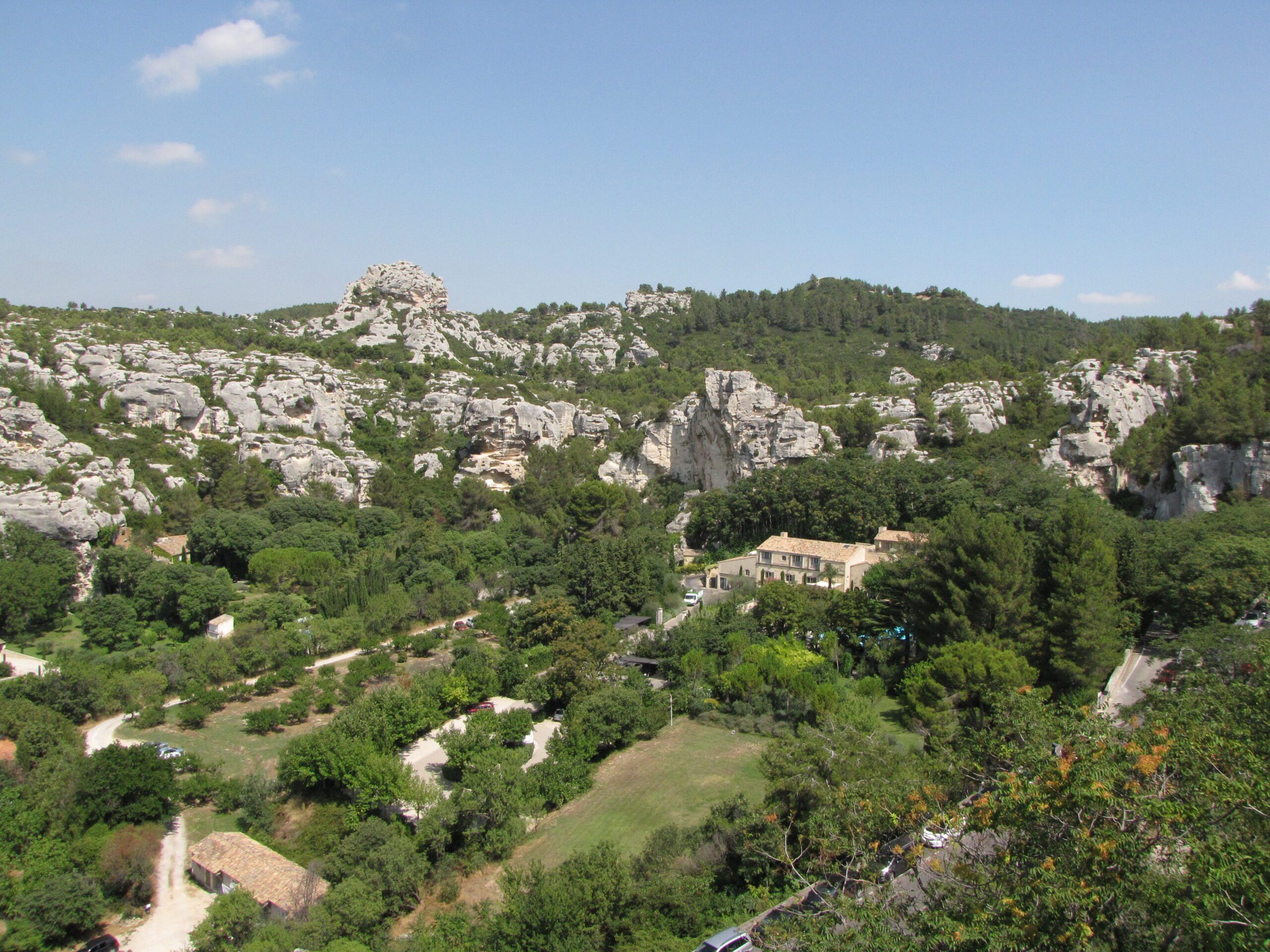
Today we venture into the Alpilles for a day that manages to span three millennia with ease. At Saint-Rémy-de-Provence, the ancient site of Glanum preserves the remains of a Greco-Roman city of remarkable completeness, from its Hellenistic sanctuary to its Roman forum. Beside the road stand Les Antiques — a triumphal arch and a mausoleum of the Julii that rank among the finest and best-preserved Roman monuments in France. At the Hôtel de Sade, sculptures unearthed from Glanum tell the site’s layered story in striking detail. And just a short walk away, at the former monastery of Saint-Paul-de-Mausole, we visit the asylum where Vincent van Gogh voluntarily committed himself in 1889 and, during his year there, produced some of the most celebrated paintings in history — including The Starry Night. We dine this evening at Les Baux-de-Provence, the dramatic village perched atop its rocky spur, before returning to Arles. (B/L/D)
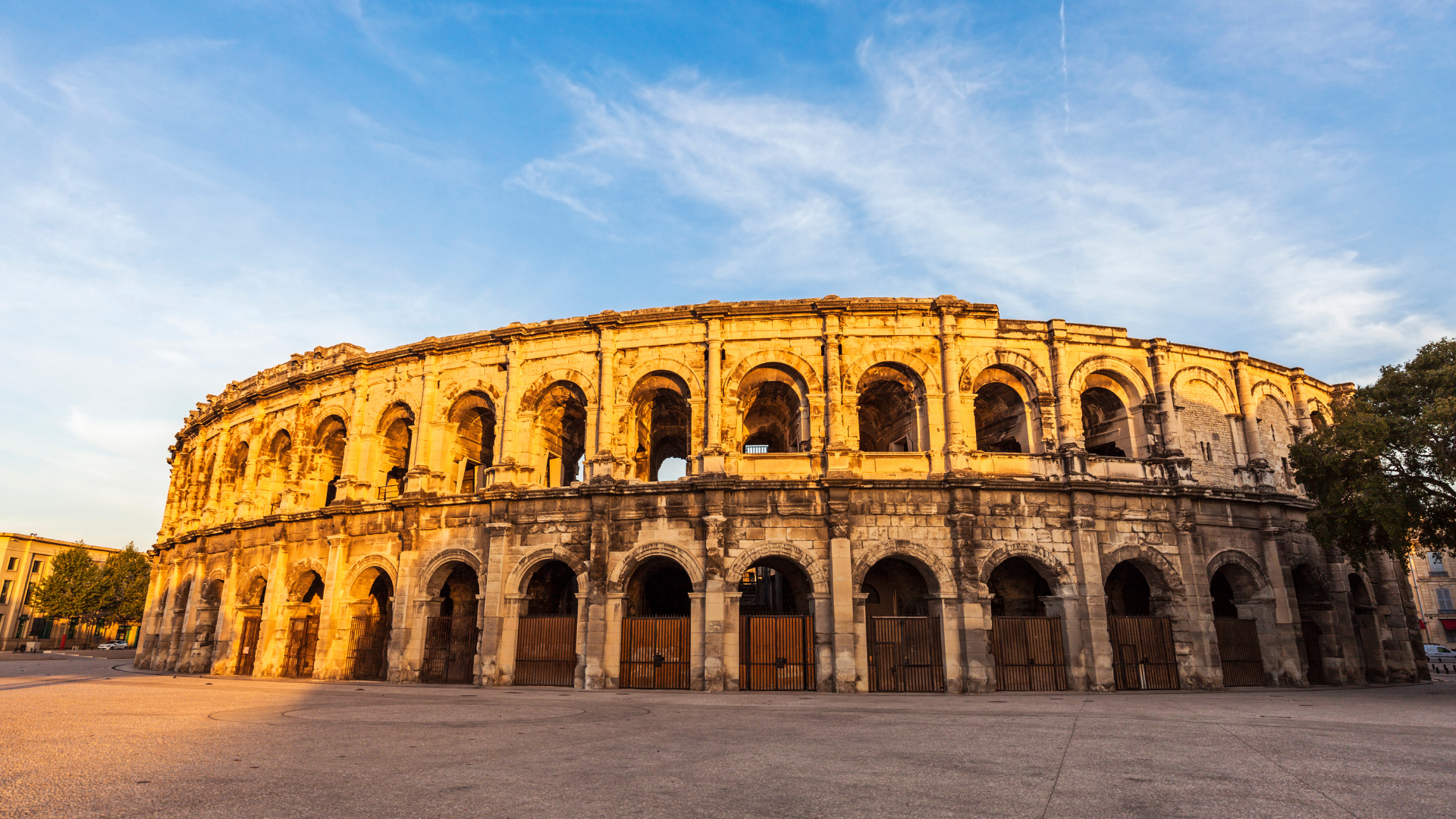
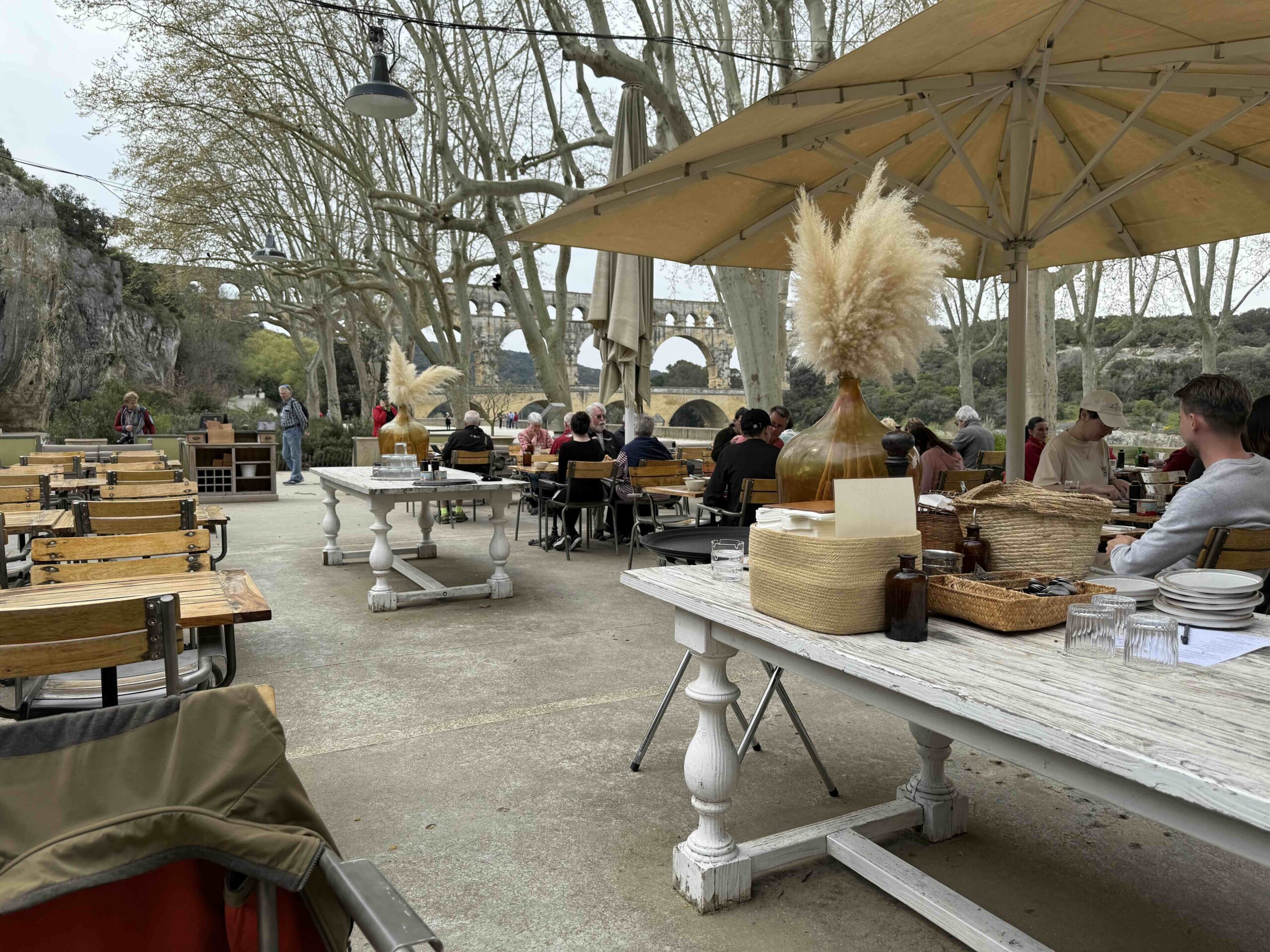
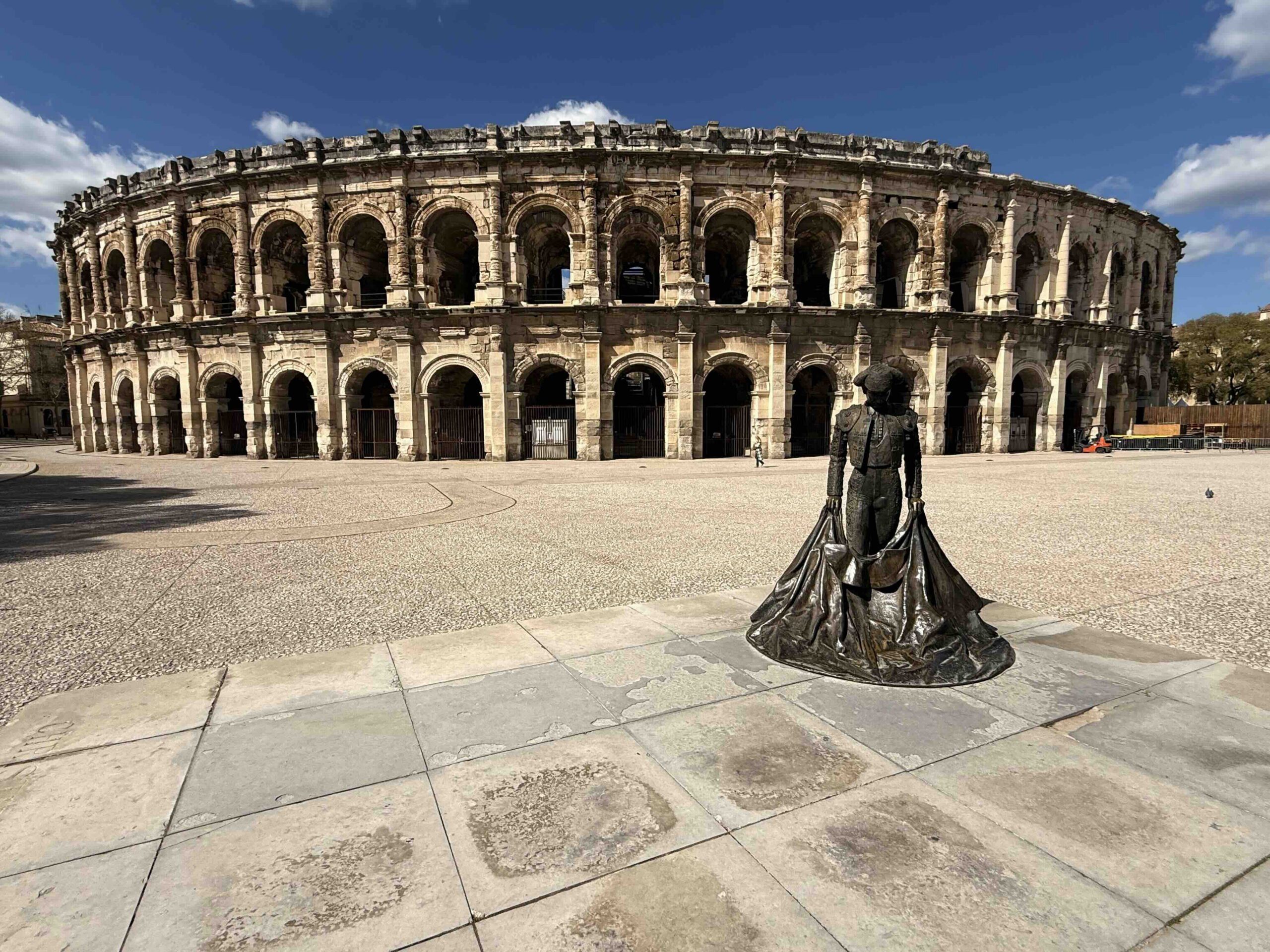
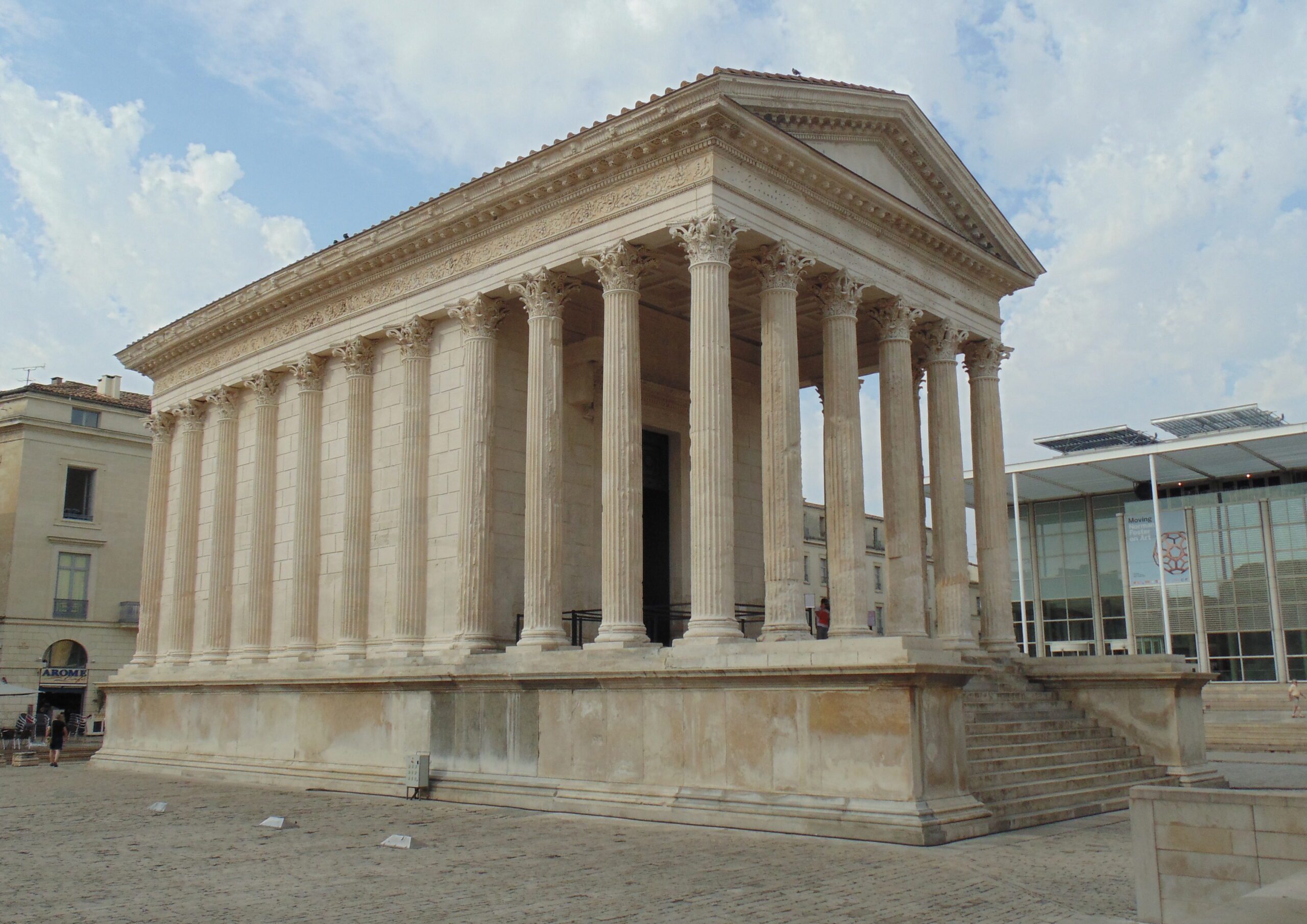
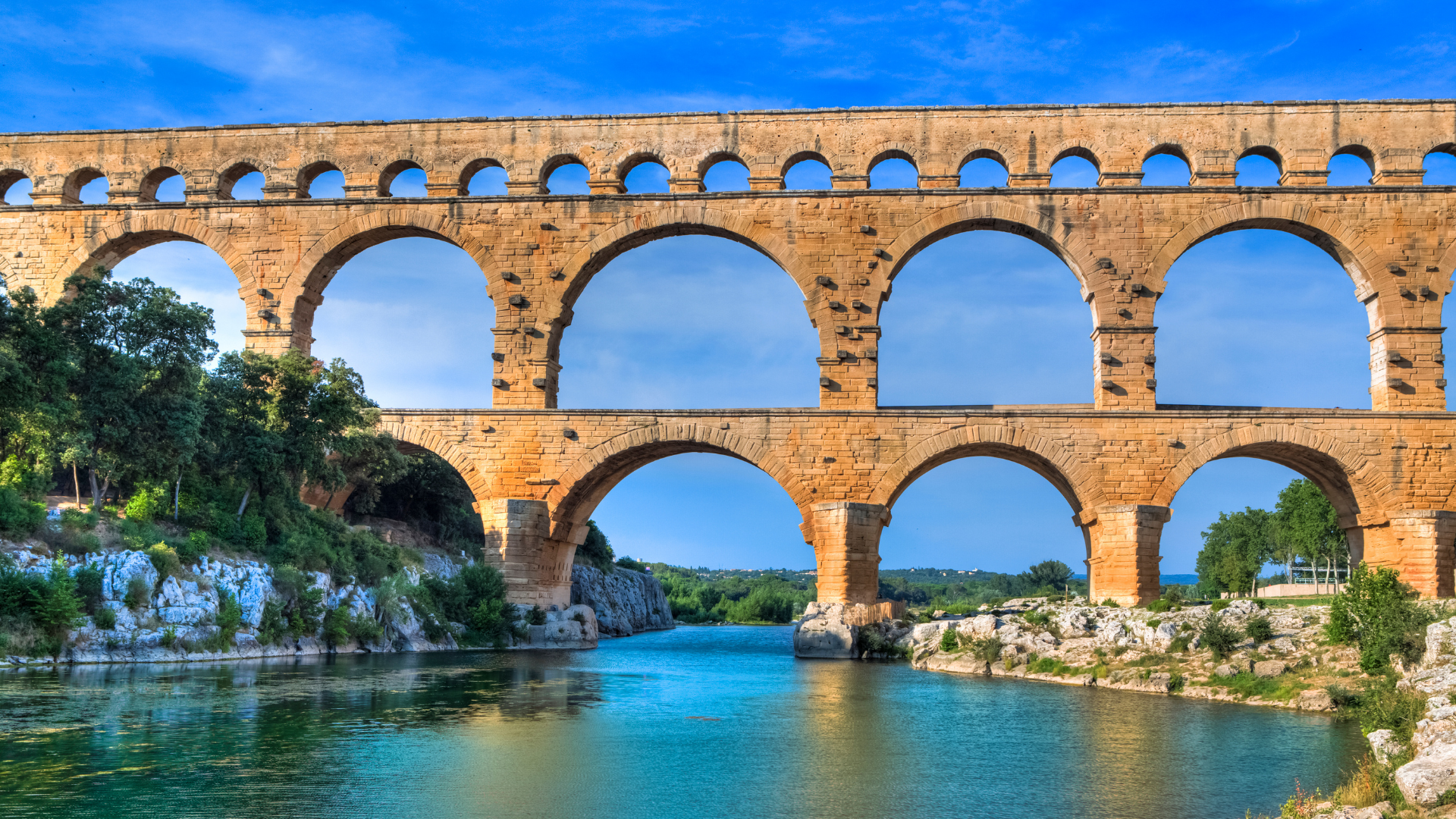
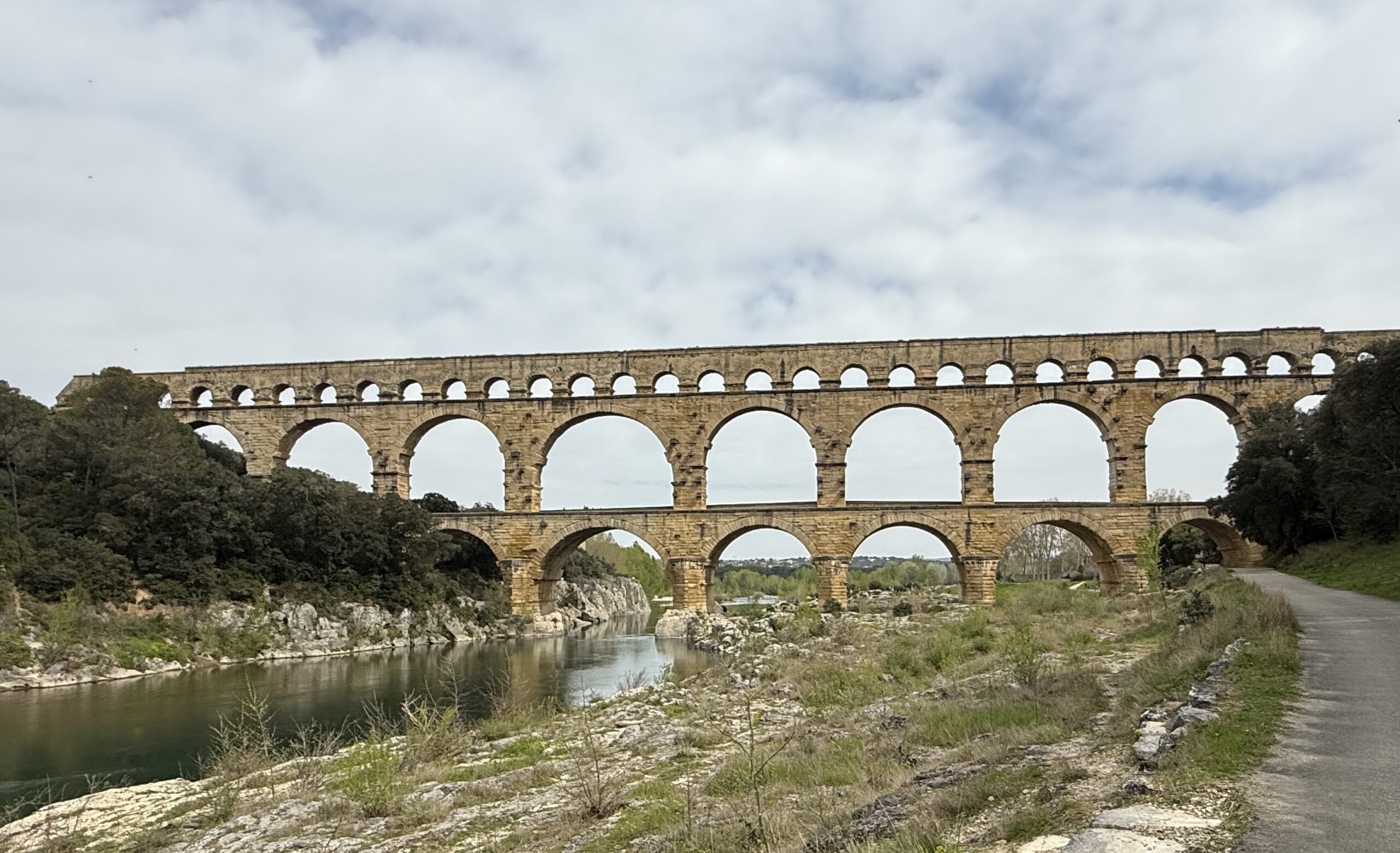
No journey through Roman France would be complete without Nîmes, and we give this extraordinary UNESCO World Heritage Site the full exploration it deserves. The Maison Carrée, a temple of breathtaking refinement built around 4 BCE and dedicated to the grandsons of Augustus, is one of the best-preserved Roman temples anywhere in the world. The Arena of Nîmes, even larger than its counterpart in Arles, gives vivid form to the spectacle of Roman public life. We also visit the Temple of Diana, the elegant Castellum Divisorum — the distribution tank from which the city’s Roman aqueduct fed the urban water system — and the ancient Porte d’Auguste. The afternoon is devoted to the Pont du Gard, the three-tiered aqueduct bridge that carried water across the Gardon River gorge and stands today as one of the supreme engineering achievements of the ancient world. To see it reflected in the river below is to understand, viscerally, the confidence and ambition of Roman civilization. Return to Arles with dinner on our own. (B/L)
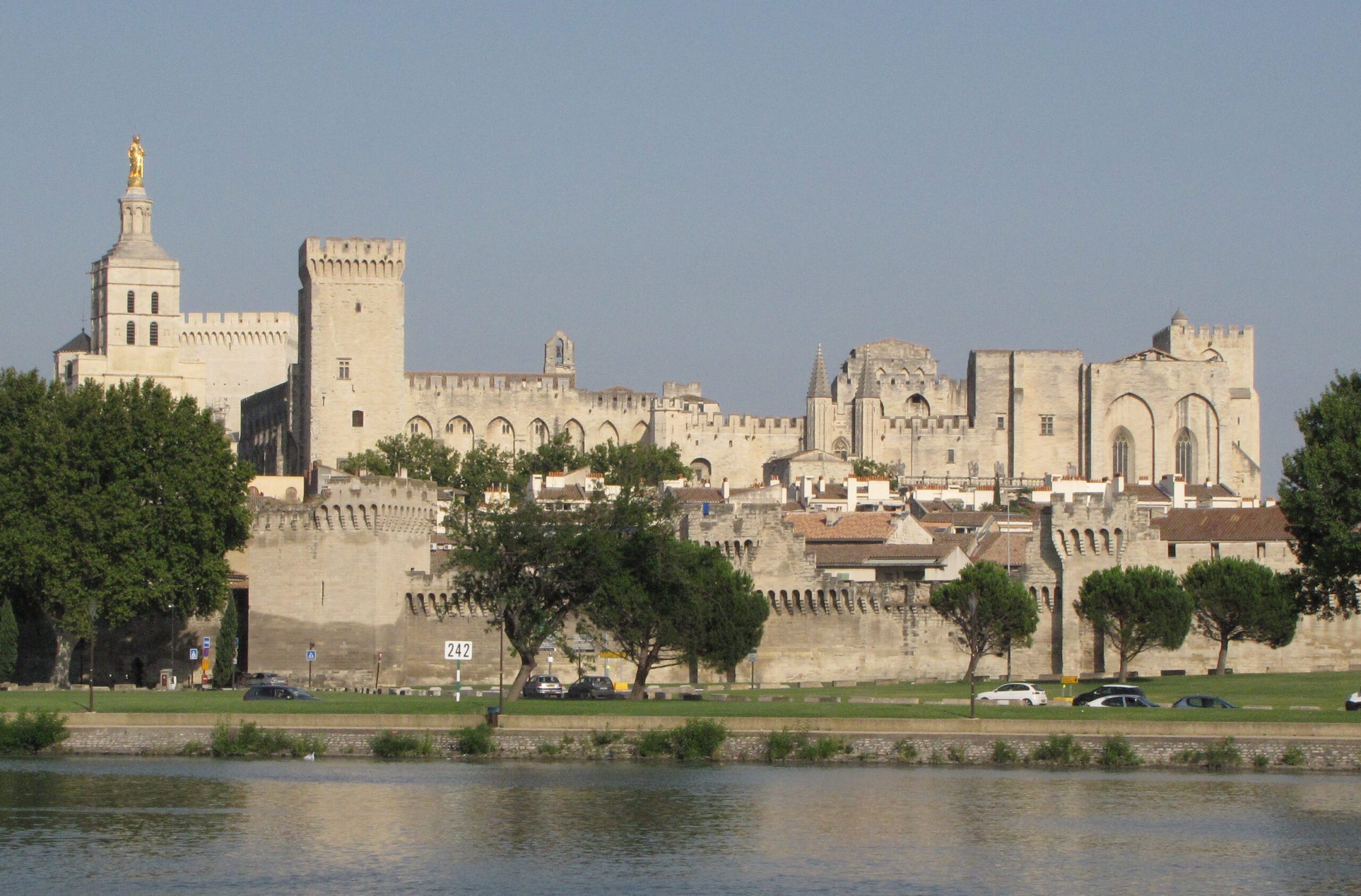
We devote this morning to the Musée Départemental Arles Antique, one of the great archaeological museums of France. Its collections — including a remarkable series of sarcophagi, mosaics, and the hull of a reconstructed Roman barge — bring the ancient world into vivid focus before we take our leave of Arles. In the afternoon, we transfer to Avignon and enter the Palace of the Popes, the colossal Gothic fortress-palace built by the Avignonese popes in the 14th century. For nearly 70 years, Avignon rather than Rome was the center of the Christian world, and the scale and splendor of the palace — the largest Gothic palace ever built — reflects that extraordinary moment in history with undiminished power. Continue to Orange where we overnight for two nights. (B/L/D)
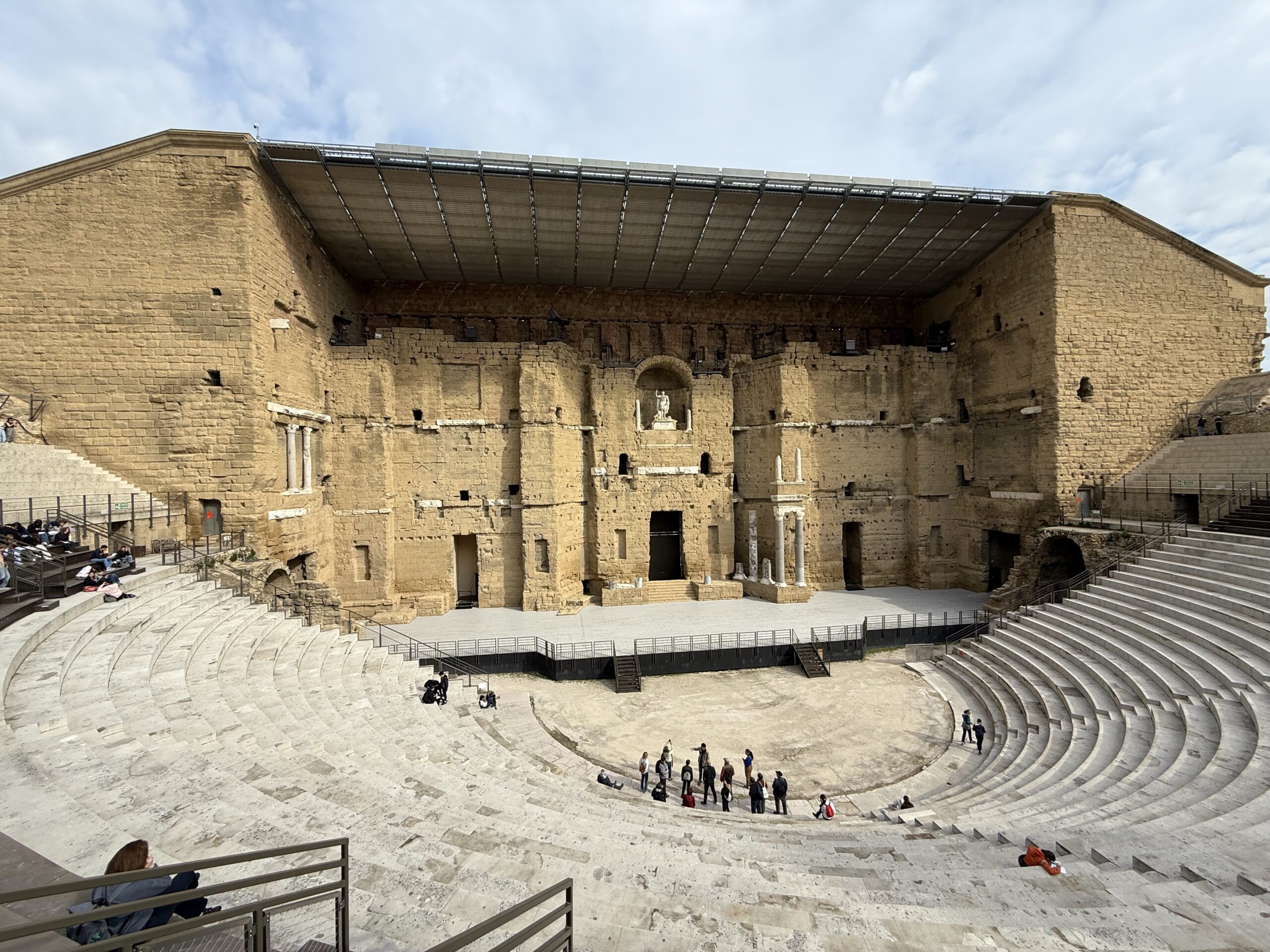
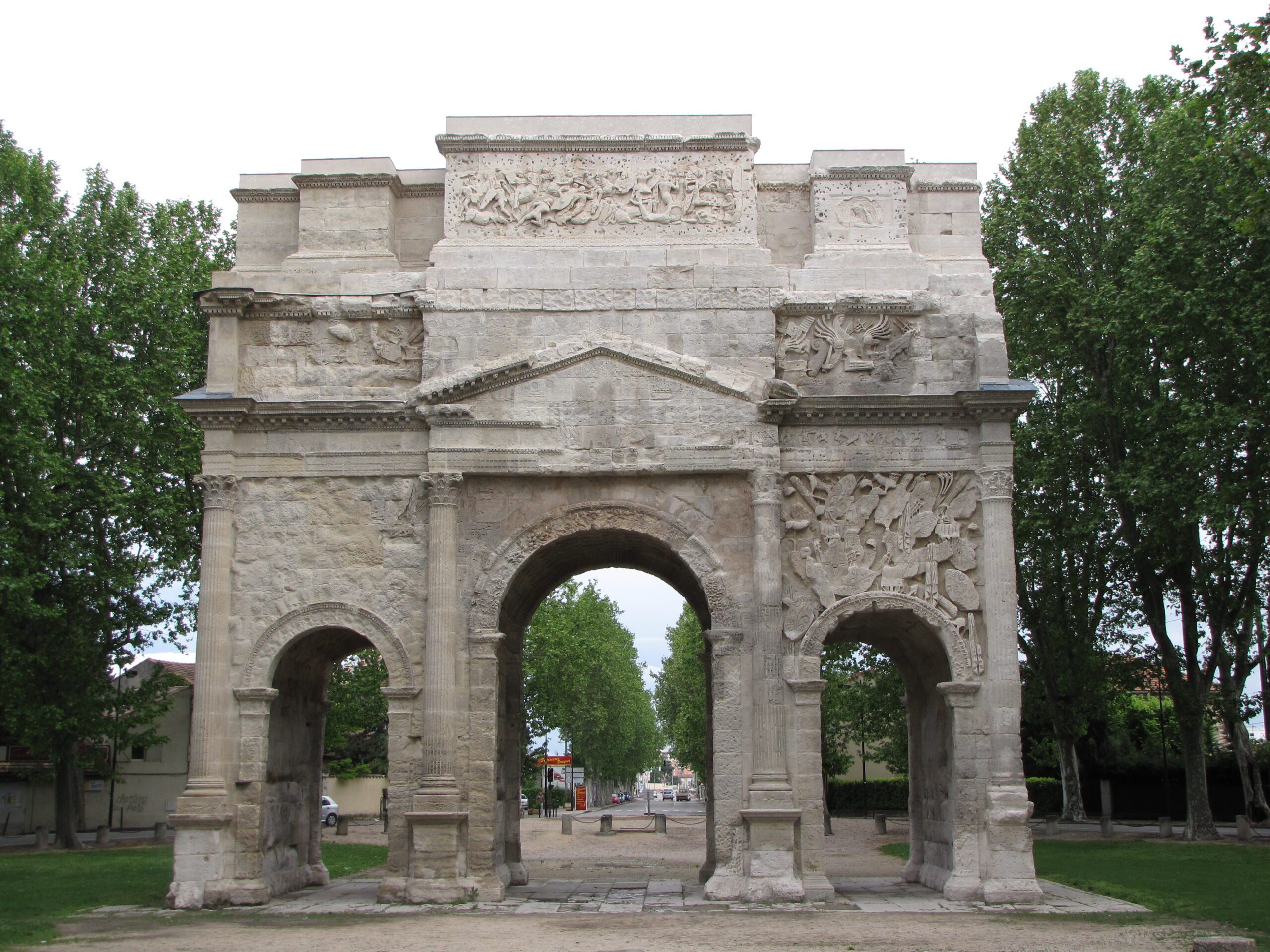
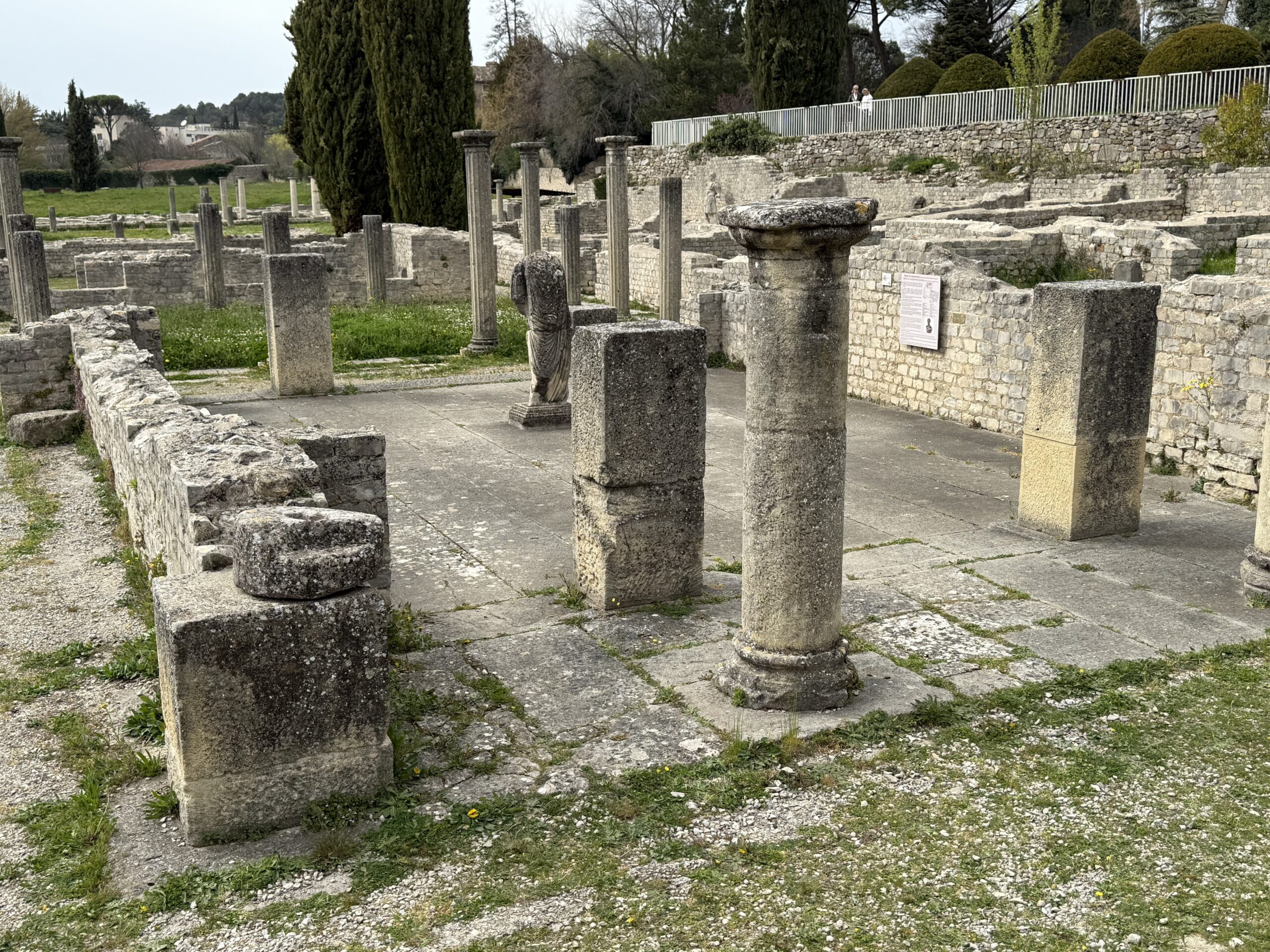
Today we explore Vaison-la-Romaine, an extraordinary open-air archaeological site where the remains of a prosperous Roman town lie spread across two hillside neighborhoods. Streets, houses, colonnaded shops, a theater, and public baths emerge from the earth in a way that feels almost intimate — the daily life of the Roman province made suddenly, surprisingly visible. The town’s Roman bridge, still in daily use after two millennia, offers a quietly astonishing encounter with ancient engineering. In the afternoon we continue to Orange, where the ancient theater — with its colossal stage wall still standing to its original height — is the best-preserved Roman theater in the world, and the triumphal arch at the city’s edge ranks among the finest of its kind. (B/L/D)
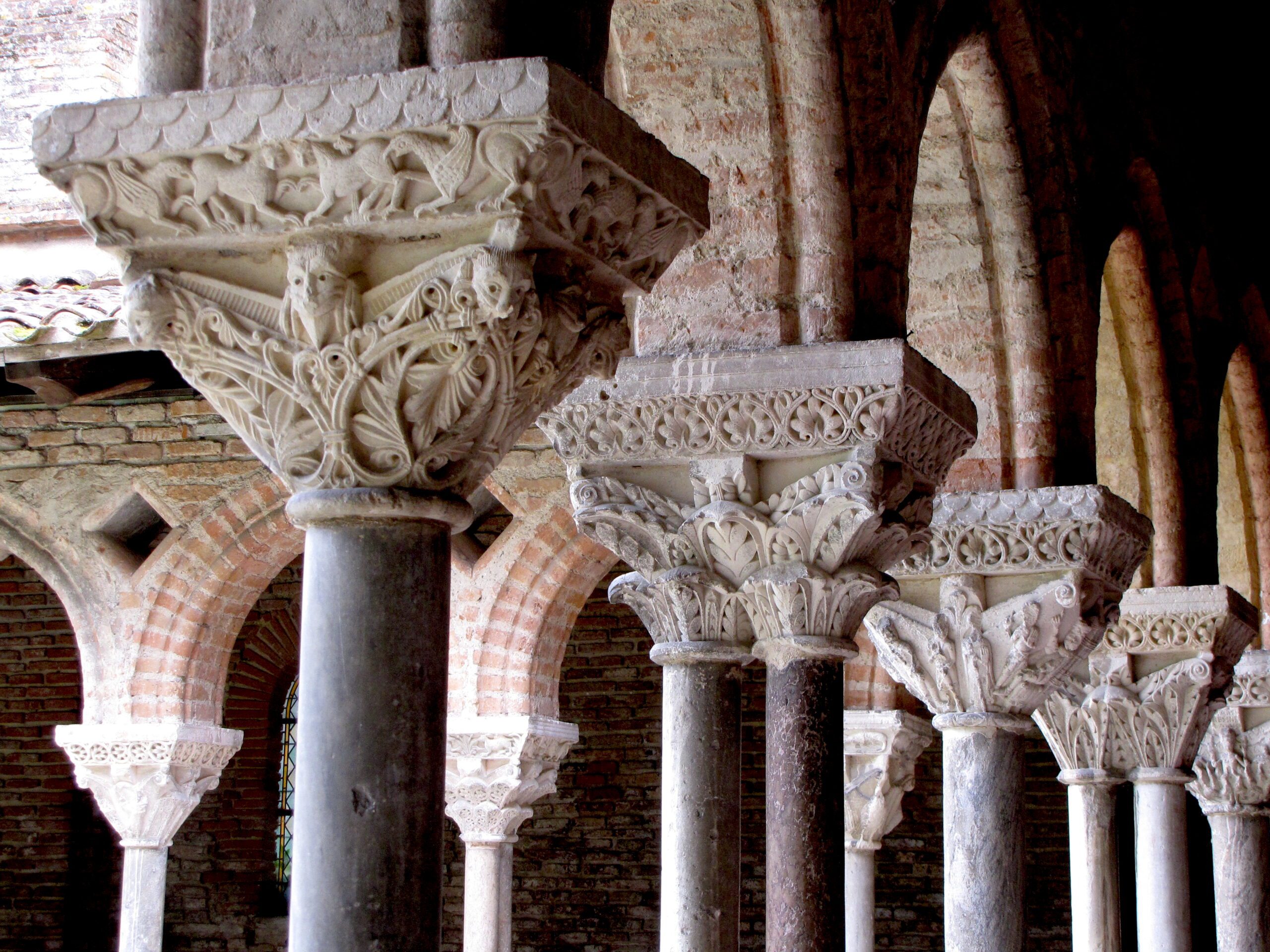
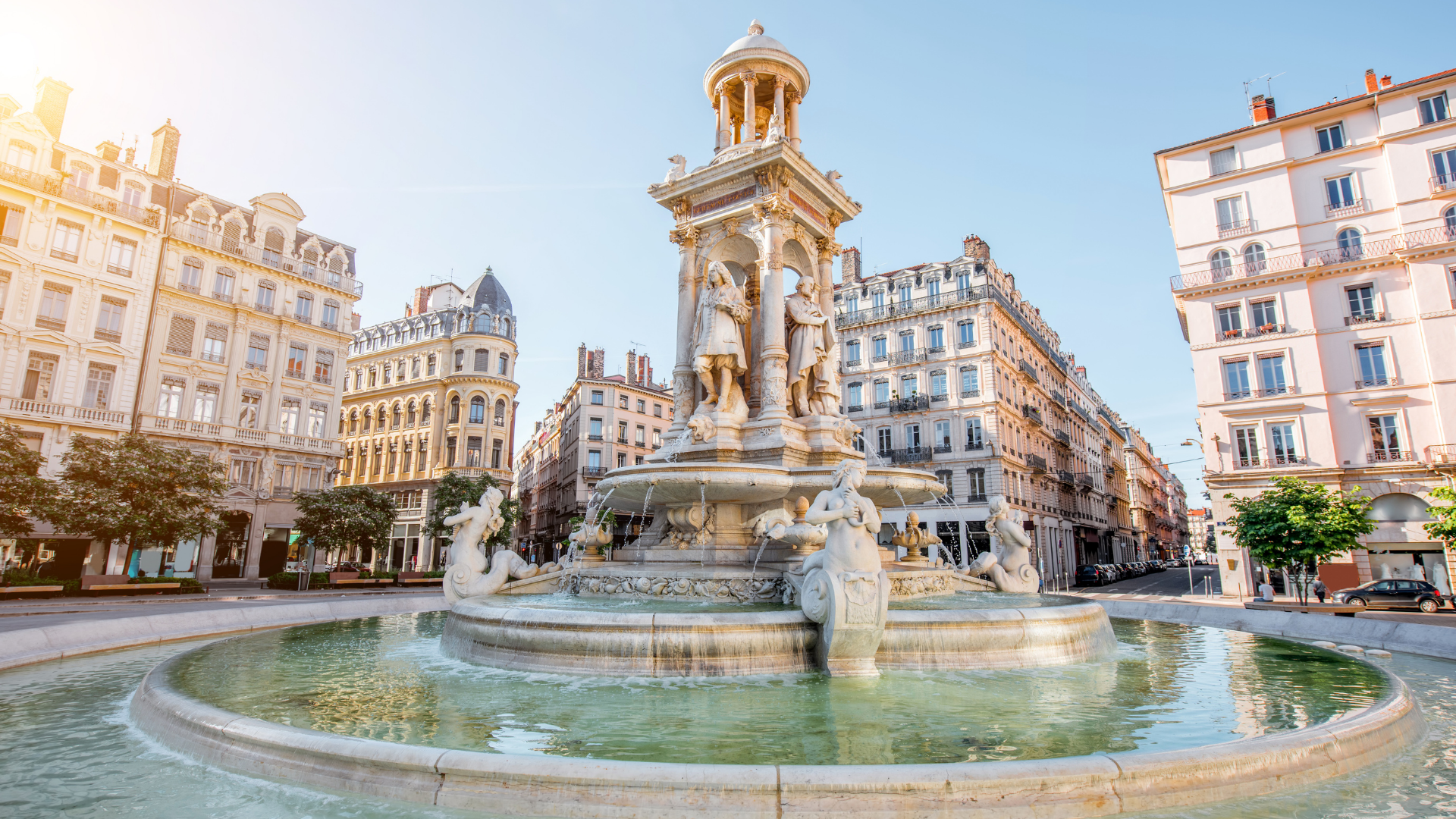
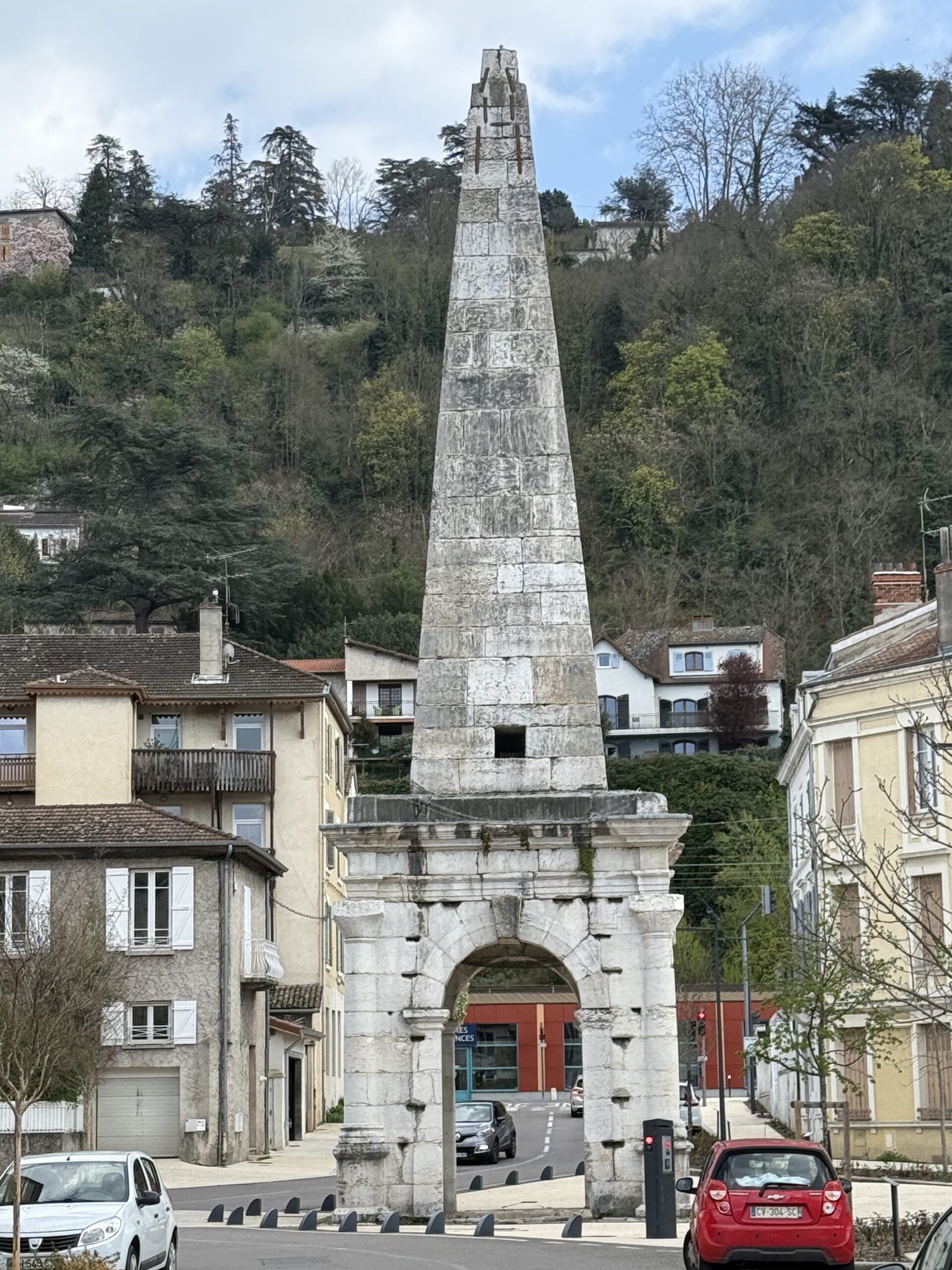
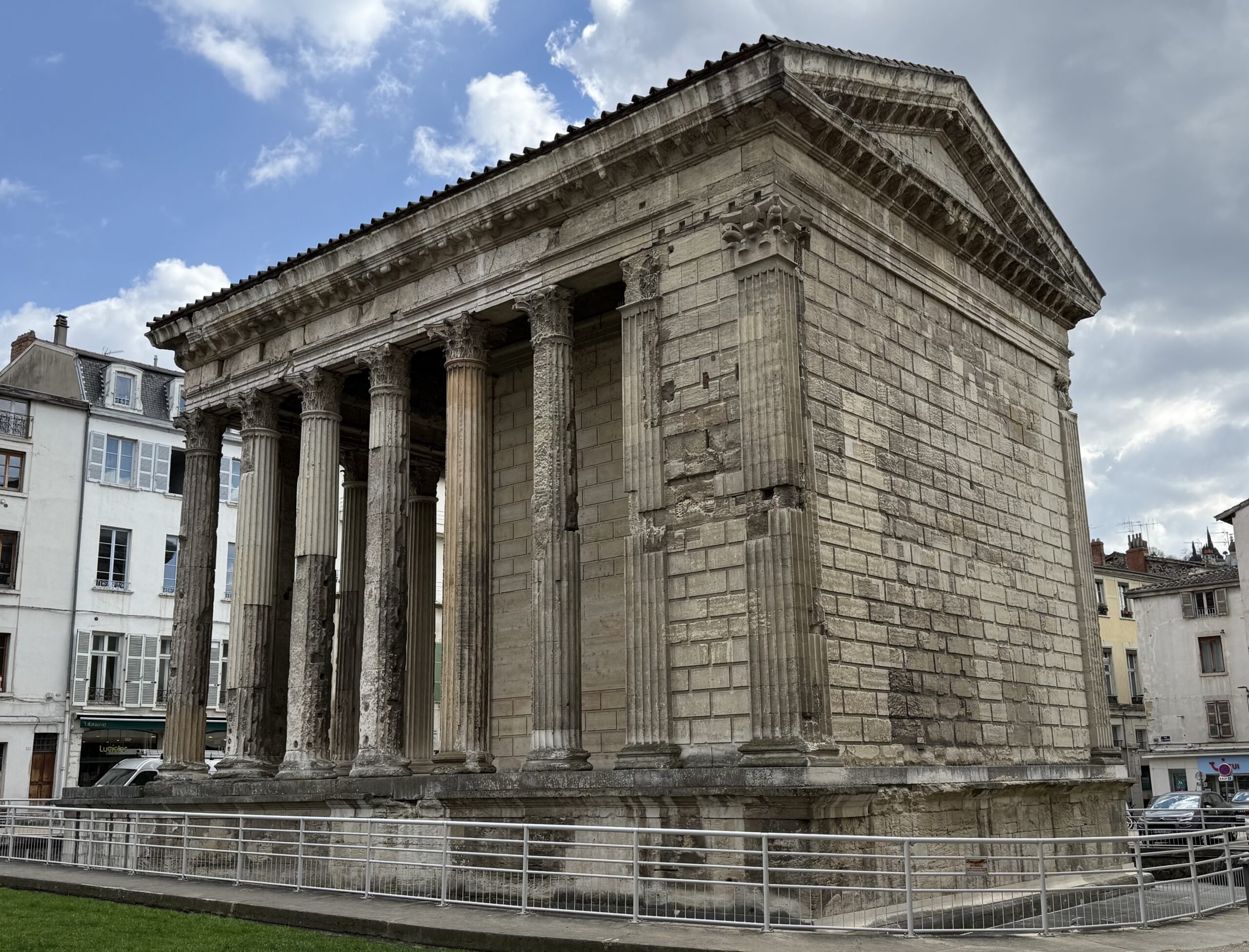
Our journey northward begins with a stop in Carpentras to admire its Roman Triumphal Arch, one of the oldest in France. We then visit the charming medieval town of Pernes-les-Fontaines, where the Romanesque Church of Notre-Dame-de-Nazareth preserves some wonderful carved capitals in its cloisters. Continuing north along the Rhône, we arrive in Vienne, another city of remarkable Roman heritage: the Temple of Augustus and Rome stands in near-perfect condition in the heart of the modern city, while the ancient theater — one of the largest in Gaul — occupies a dramatic hillside site. We end our travels today in Lyon, the gateway to Burgundy, our home for the next two nights. (B/L/D)
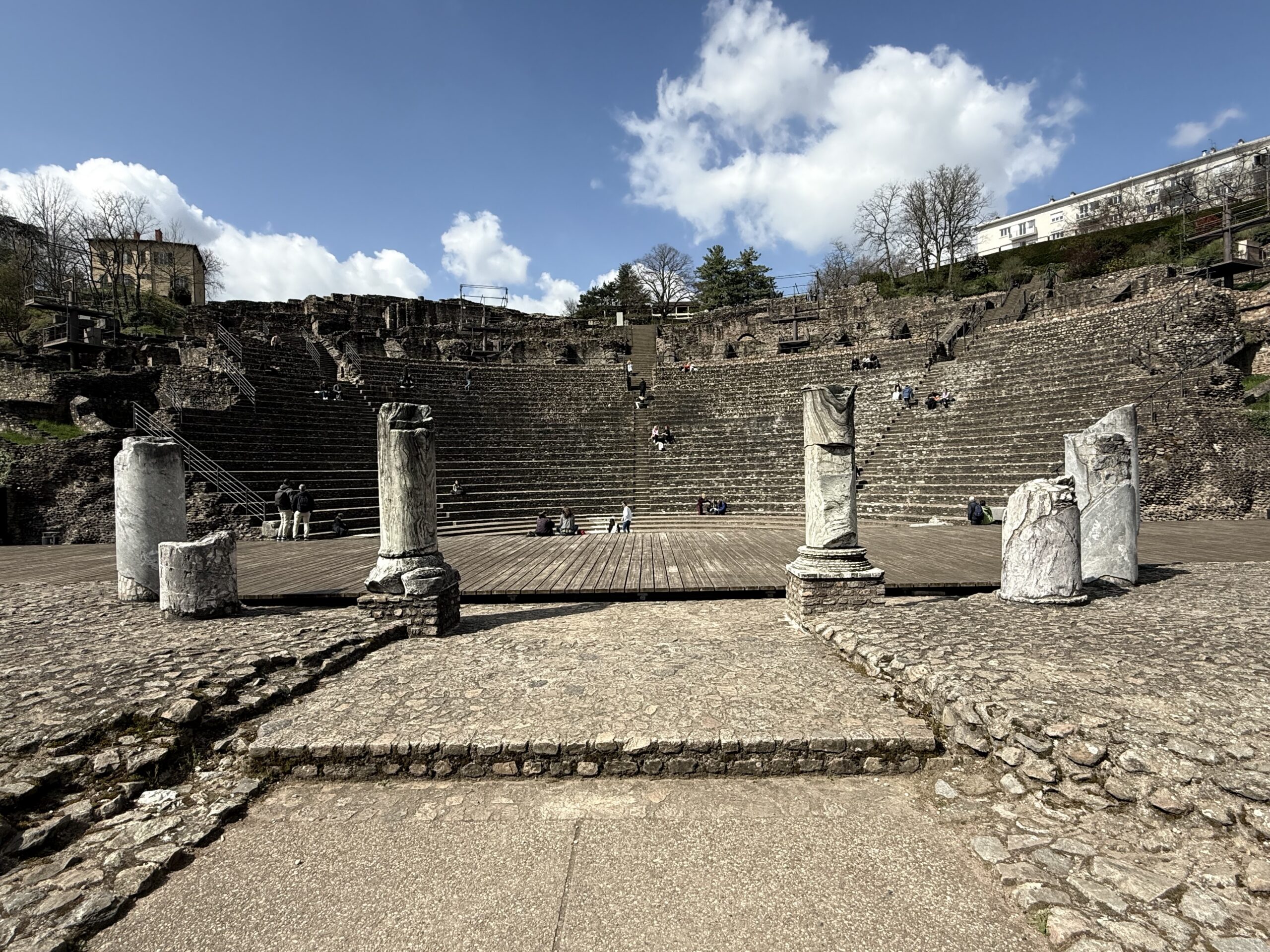
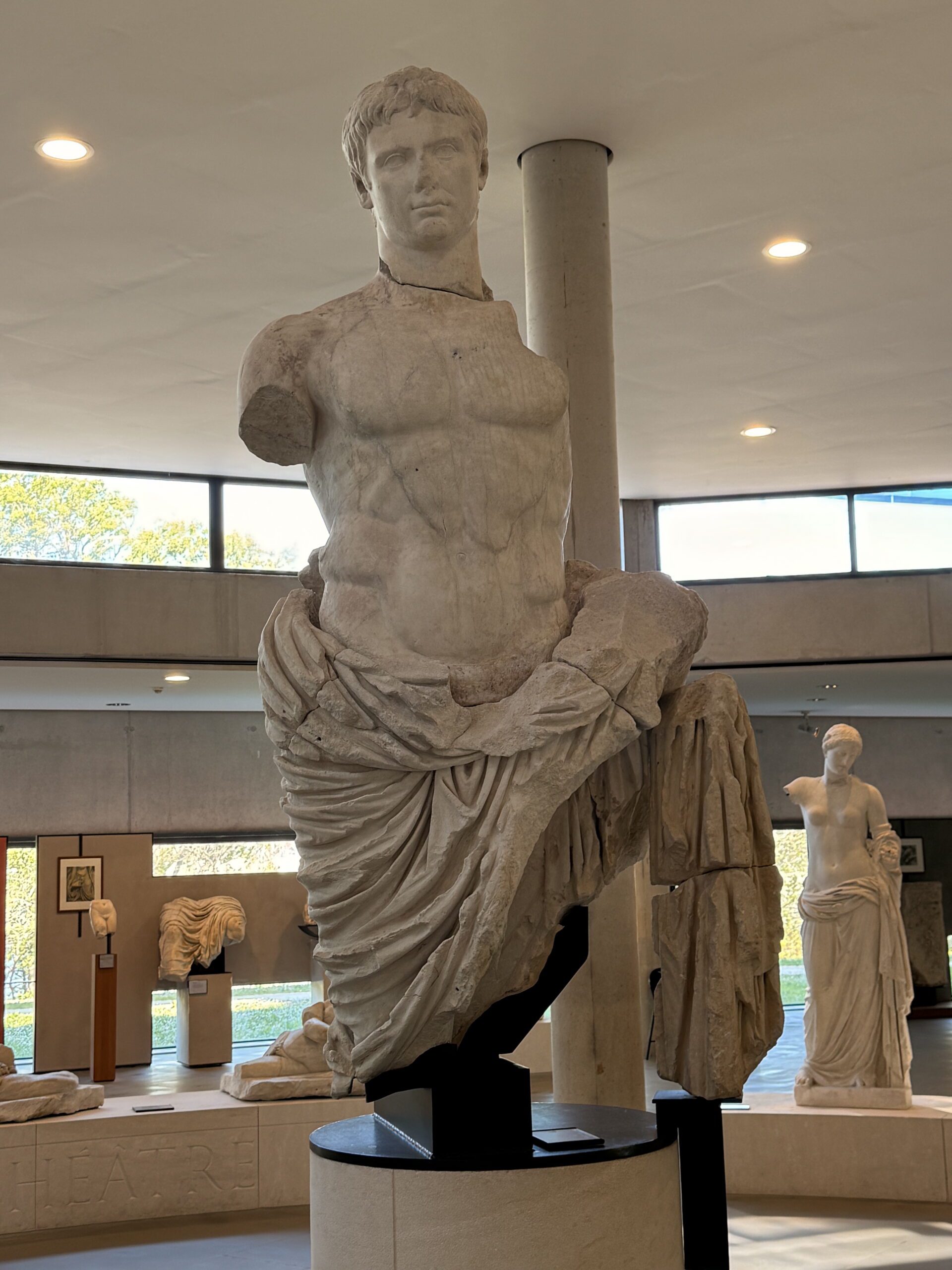
Lugdunum — Roman Lyon — was the capital of the Three Gauls and one of the most important cities in the Roman Empire outside of Italy. Its historic center is a UNESCO World Heritage Site. We explore the city’s ancient legacy on the Fourvière hill, where a theater and odeum sit side by side, and the adjoining Gallo-Roman Museum displays one of the finest collections of Roman artifacts in France, including the remarkable Claudian Tables inscribed with a speech by the Emperor Claudius himself. This evening, our scholar provides a bridge lecture connecting the Roman world we have been inhabiting with the great Romanesque buildings that await us in the days ahead — tracing the threads that link the engineering genius of Rome with the spiritual ambitions of medieval France. Dinner is on our own. (B/L)
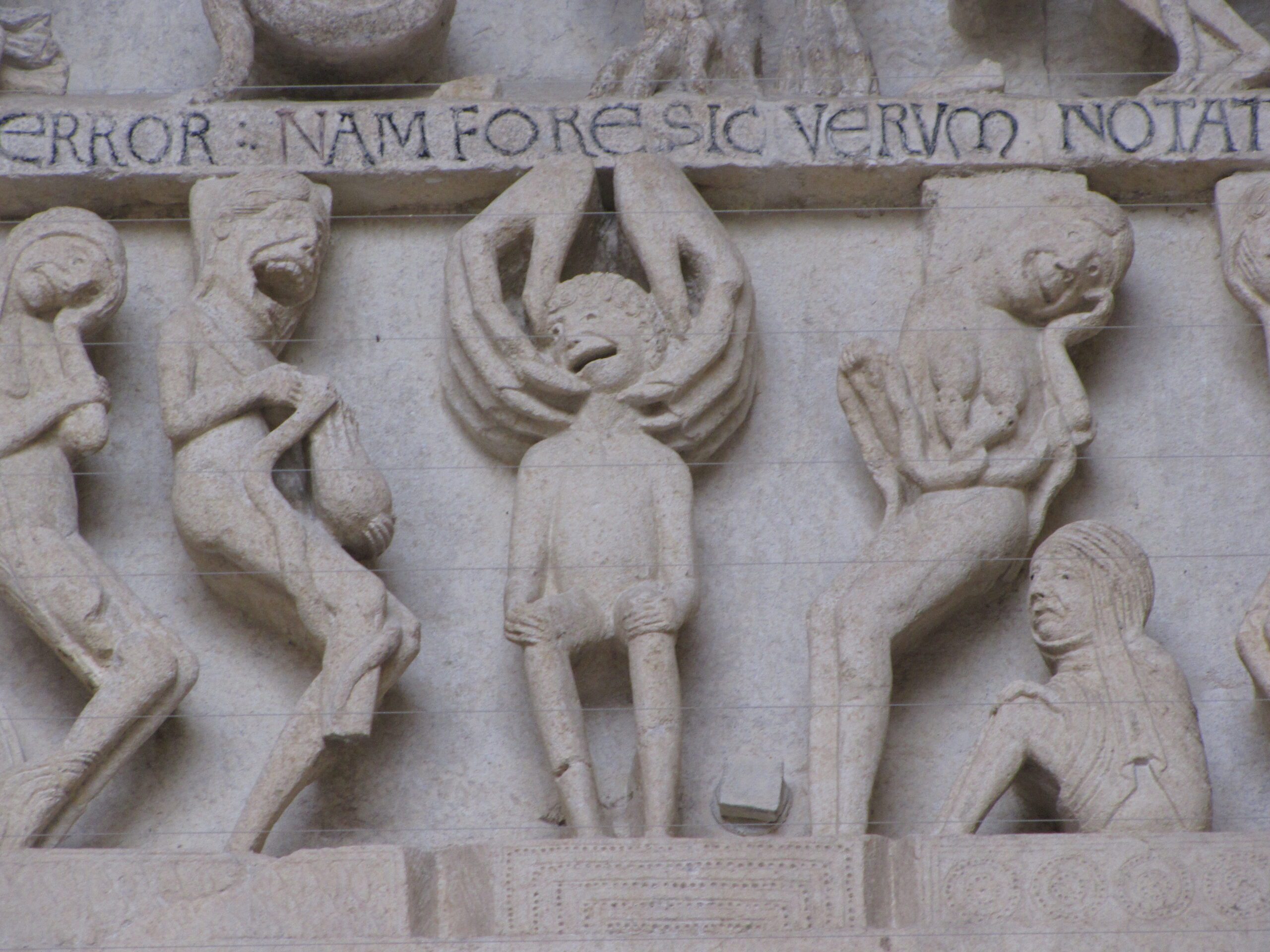
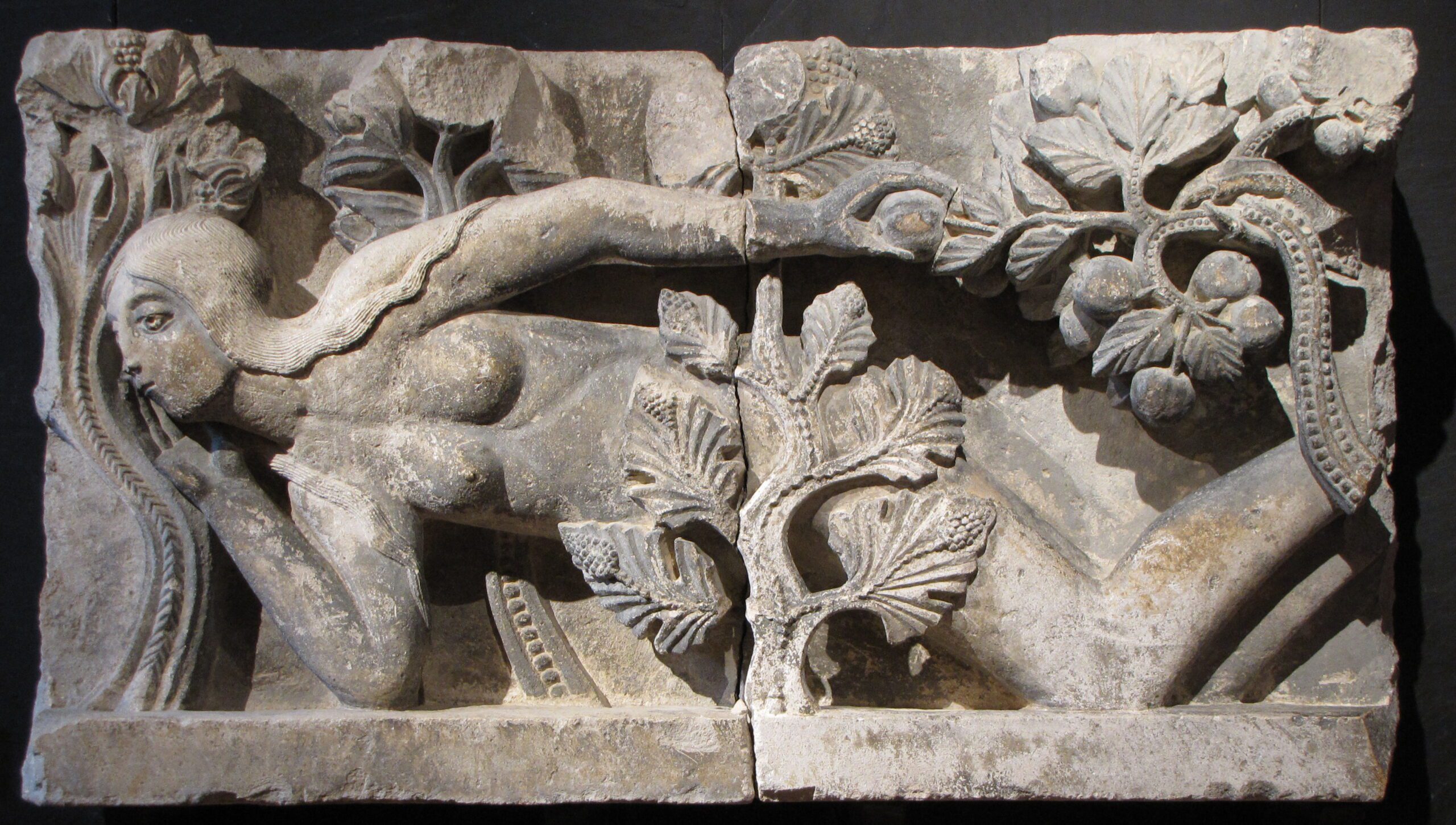
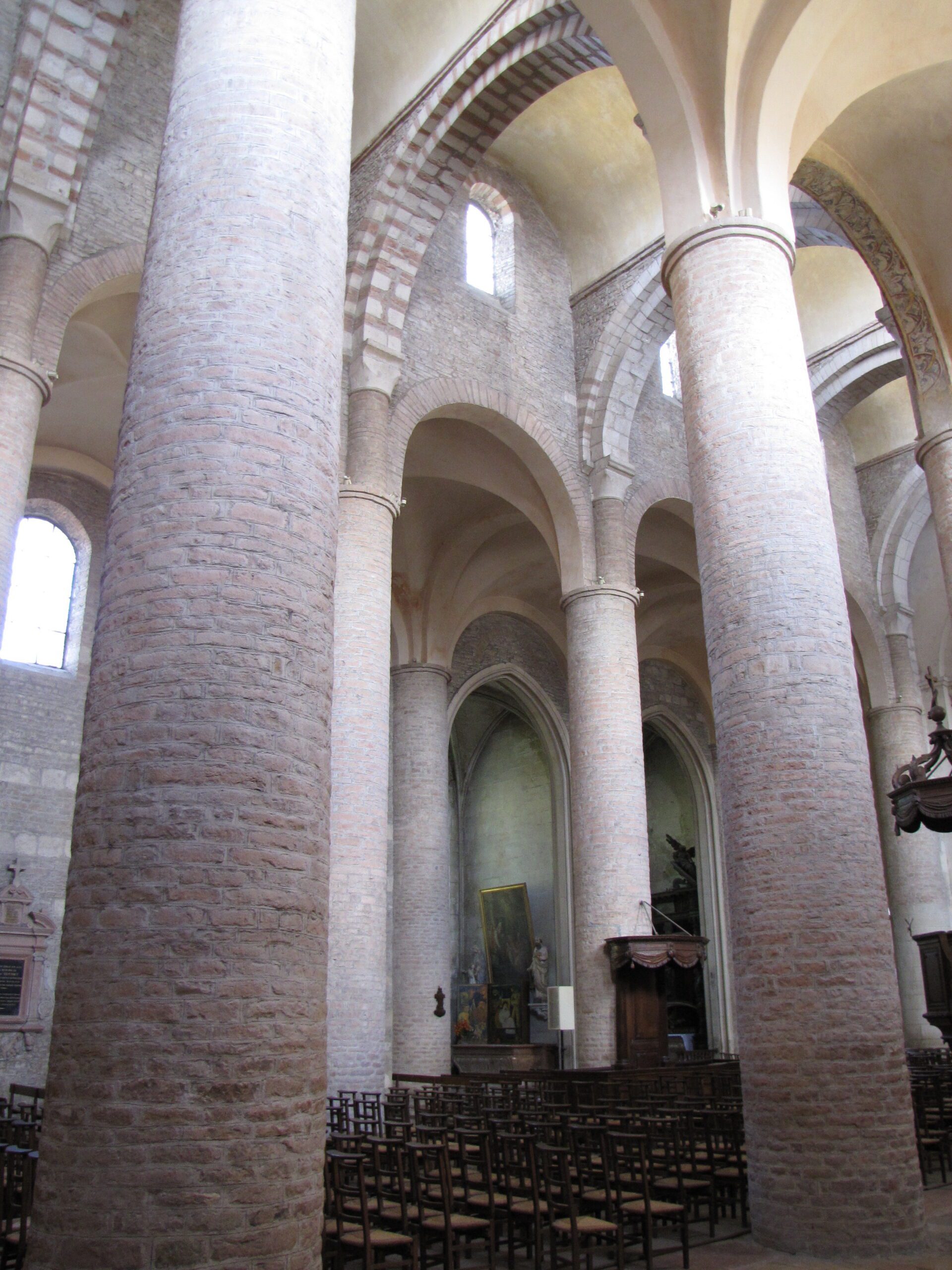
This morning we bid farewell to the Rhône Valley and travel northwest into Burgundy, stopping first at the Abbey of Saint-Philibert de Tournus. Dating to the 10th and 11th centuries, Saint-Philibert is one of the earliest and most austere expressions of Romanesque architecture in France — massive, grave, and deeply moving. The afternoon brings us to Autun, the Roman Augustodunum, where the cathedral of Saint-Lazare shelters one of the supreme achievements of Romanesque sculpture: the Last Judgment tympanum carved by Gislebertus, whose writhing figures communicate the terror and hope of the medieval vision of eternity with astonishing expressiveness. The city’s Roman gates and the fragments of its ancient walls remind us how deeply this landscape has been inhabited. We arrive this evening to the hilltop village of Vézelay, our home for the next two nights. Dinner is on our own. (B/L)
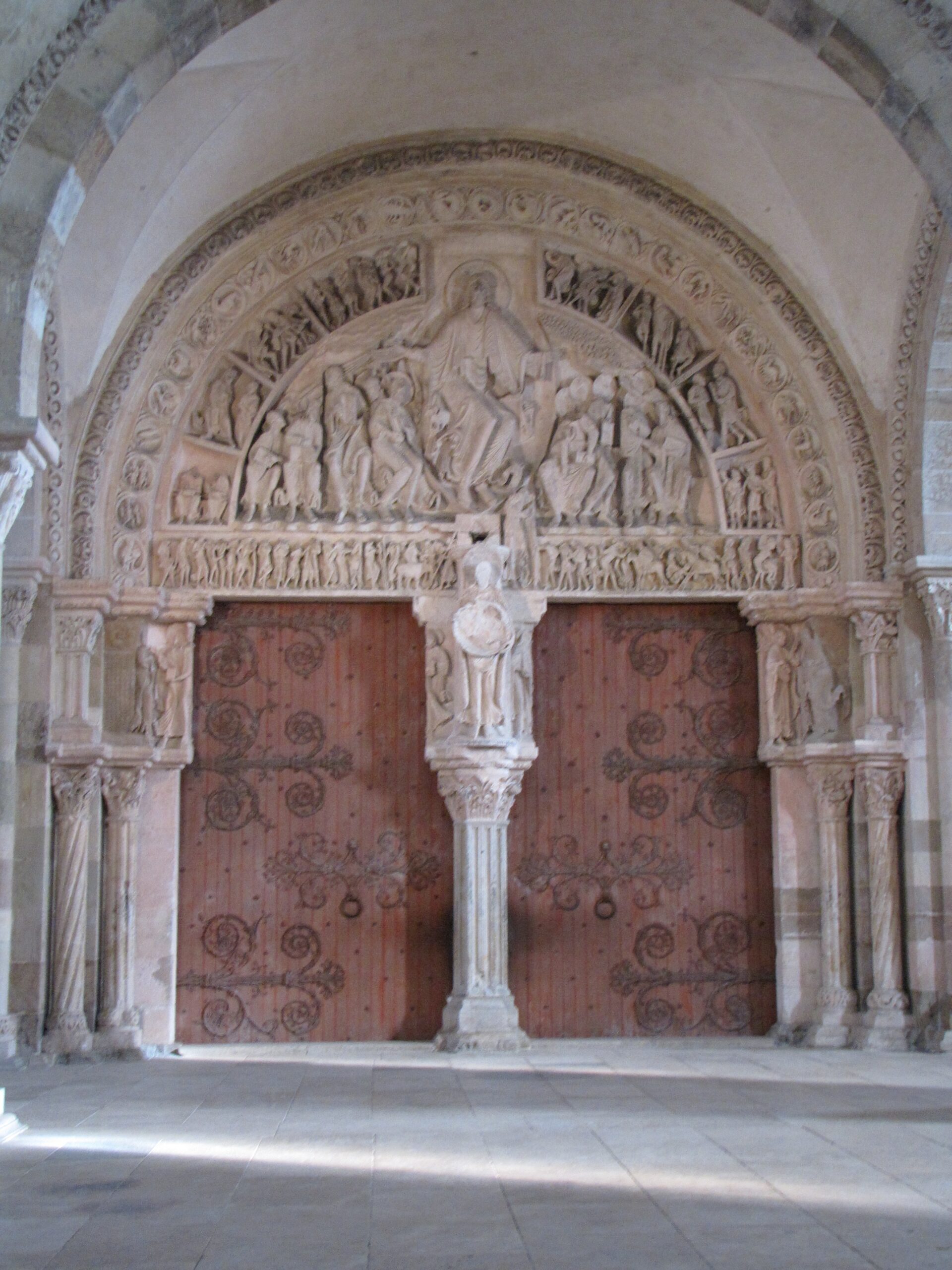
Rising on its hill above the Cure Valley, the Basilique Sainte-Marie-Madeleine de Vézelay is one of the great pilgrim churches of medieval Europe and one of the most beautiful buildings in France. Founded in 864 and rebuilt after a catastrophic fire, it was from this hilltop that Bernard of Clairvaux preached the Second Crusade and Thomas Becket excommunicated the followers of Henry II. The carved tympanum above the central portal — depicting the Pentecostal Mission of the Apostles — is among the masterpieces of Romanesque art, and the nave’s alternating light and dark voussoirs create a rhythm that is both deeply human and otherworldly. After our morning in Vézelay, we drive to Bourges for lunch and an afternoon at the Cathédrale Saint-Étienne, one of the supreme achievements of Gothic architecture. Its five doorways, soaring five-aisle interior, and extraordinary windows — spanning seven centuries — represent the Gothic aspiration toward light and verticality at its most refined. Enjoy our festival farewell dinner together at an elegant restaurant — a final occasion to raise a glass to the extraordinary journey we have shared. (B/ L/D)
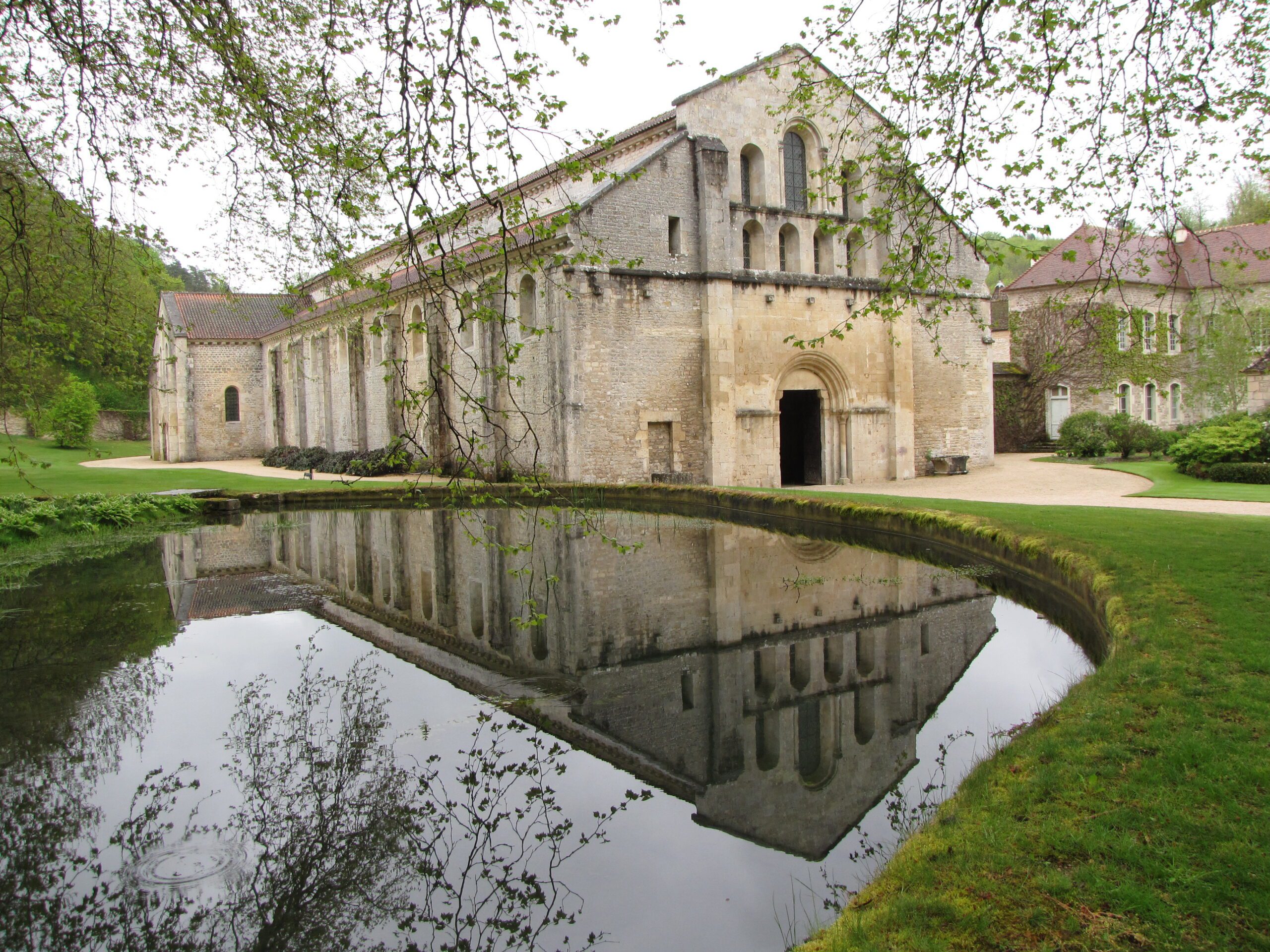
Our final day of exploration takes us to the Cistercian Abbey de Fontenay near Montbard, one of the oldest and most complete Cistercian monasteries in the world. Founded by Bernard of Clairvaux in 1118, Fontenay embodies the Cistercian ideal in built form: absolute clarity, deliberate austerity, and a profound sense of peace that centuries of silence seem to have worked into the very stone. After lunch, we continue northward to Paris, arriving at our hotel situated next to Charles de Gaulle airport. Dinner is on our own. (B/L)
Independent transfers to the airport for our flight home. (B)