
Vikings in England: Raiders, Settlers, and the Danelaw

Why Explore Viking England?

  • Travel with Dr. Steven Ashby, a Viking specialis
  • Cross the causeway to Holy Island, only accessible during low tide
  • Enjoy a private tour of the excavations at Bamburgh Castle
  • Visit the ship-burial mounds at Sutton Hoo, the great treasure of Anglo-Saxon East Anglia
  • Explore Jórvík, Viking-Age York, for two full days
  • Optional three-day extension to the Isle of Man
  • Limited to 14 participants
Viking England - ACCEPTING DEPOSITS

Guided Tour Led by:

Senior Lecturer
University of York, England
Medieval Archaeology
Viking England - ACCEPTING DEPOSITS
Save To Wish List

Adding item to wishlist requires an account

6367

Book At Least Six Months Out From The Trip Departure Date To Take Advantage of Our Early Incentive Pricing!
Receive a $500.00 Price Reduction From Our Standard Price Listed Below.

  • June 15 - 27, 2027
  • 13 Days
  • TBA + air
  • Single supplement: TBA
  • Ext: June 27 - 30, 2027
  • Ext: 4 Days
  • Ext: TBA + air
  • Ext: SS TBA

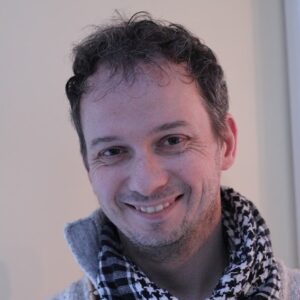
Travel throughout Viking England with Dr. Steven Ashby, Reader in Medieval Archaeology at the University of York and a leading authority on Viking-Age daily life, craft, and trade

In the summer of 793, a fleet appeared off the Northumbrian coast of England and the monks of Lindisfarne fled in terror. The sacking of that holy island sent shockwaves across the Christian world and announced the Viking Age to history. Yet the story of the Norse in England is far more than a chronicle of raids and burning. Over the nearly three centuries that followed, Viking settlers transformed the language, the law, the placenames, and the political map of the Anglo-Saxon kingdoms of England: founding the great trading city of Jórvík on the bones of a Roman fortress, wintering their Great Army in the Saxon heartland, and eventually ruling a kingdom that stretched from the Humber to the Thames. 

Far Horizons proudly presents a thirteen-day journey that traces this extraordinary story from its beginnings in Northumbria to its culmination in the south; a story that runs from sudden violence through full-scale invasion to the slow, often uneasy business of two peoples sharing land, language, and rule. Beginning in Northumbria, we travel across the tidal causeway to Lindisfarne, stand inside the Saxon crypt at Repton where the Great Army buried its dead, explore the preserved Viking streetscape of York, and follow the Danelaw south through Lincoln and Norwich to the Saxon treasure-hoard of Sutton Hoo and the great cathedral city of Winchester, capital of the English kings who ultimately drove the Vikings back. Throughout, you travel with Dr. Steven Ashby, Reader in Medieval Archaeology at the University of York, whose own research on craft, trade, and daily life in Viking-Age Britain and Scandinavia — the subject of his books A Viking Way of Life and Crafts and Social Networks in Viking Towns — gives this itinerary its scholarly backbone.

This is also a tour through the English countryside at its most quietly handsome: the Northumberland coast, the limestone villages of the Derbyshire Peak fringe, the flat, water-cut fen country of Lincolnshire and Norfolk, and the chalk downs around Winchester. For those who want to follow the Vikings further still, the Isle of Man extension crosses the Irish Sea to an island where Norse rule lasted longest and where carved crosses, a ship burial, and a parliament with a thousand-year-old Norse name are remarkably intact.

Itinerary of Our Viking England Trip

(B) breakfast, (L) lunch, (D) dinner

Day 1Arrive in Newcastle upon Tyne

Our journey begins in Newcastle upon Tyne, gateway to Northumbria and to a coastline the Vikings first came to know as raiders rather than traders. After settling into our hotel for one night, gather for an opening lecture with Dr. Steven Ashby, who introduces the world you are about to enter: eighth-century Northumbria, a kingdom of scriptoria and shrines that stood, unknowingly, in the path of the Scandinavian longship. (D)

Day 2Bamburgh Castle

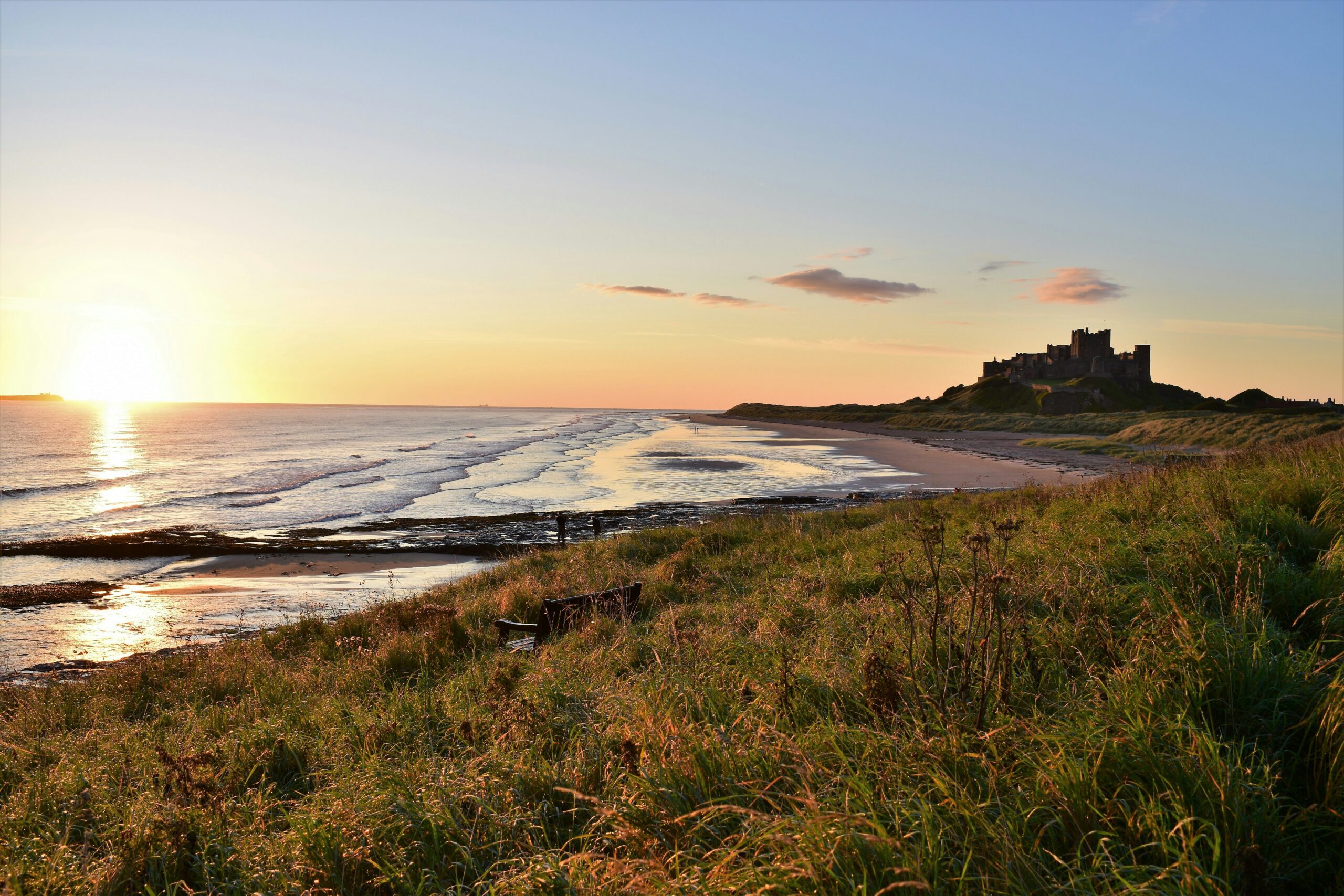
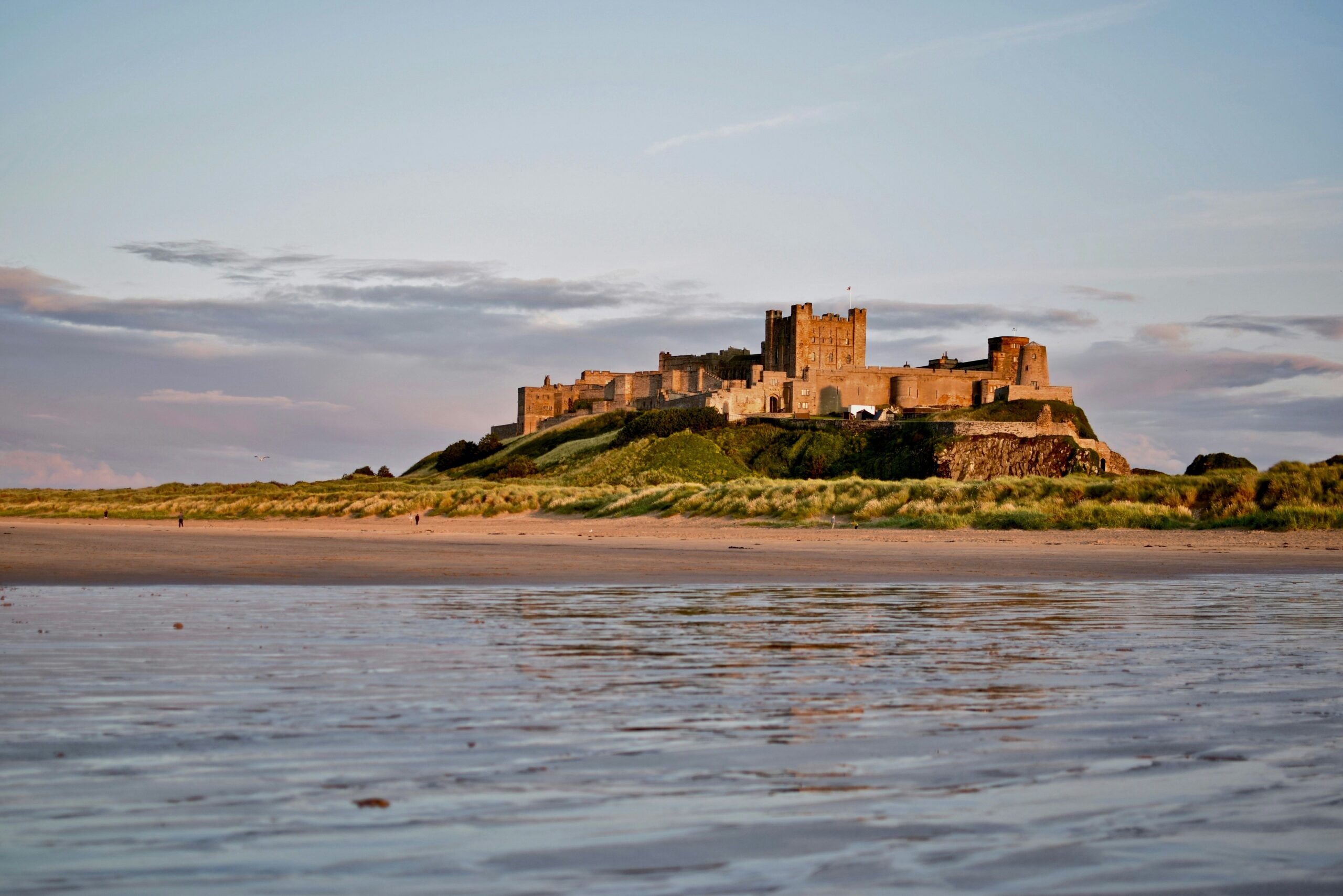
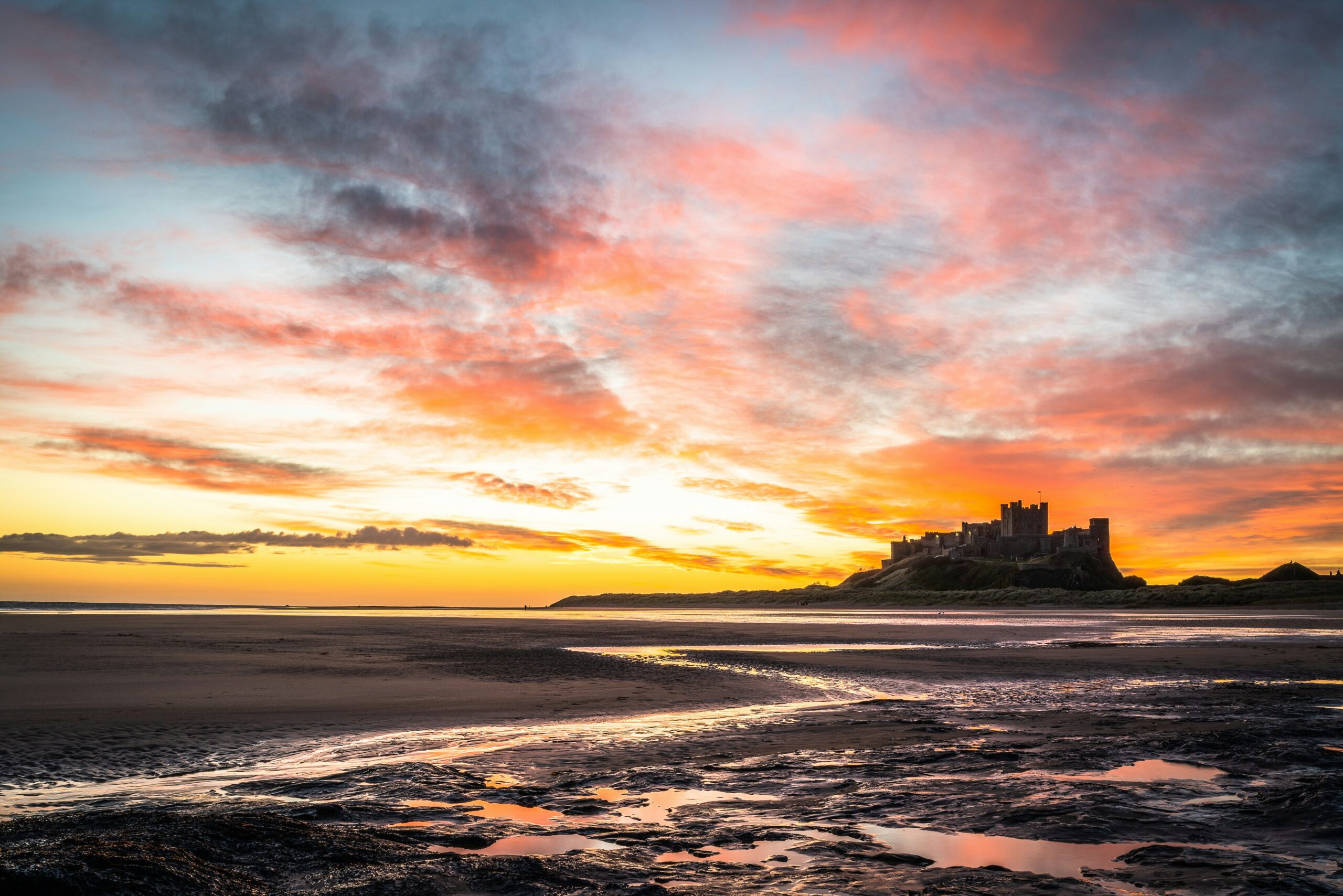
Drive north along the Northumberland coast to the dramatic Norman castle of Bamburgh, situated atop a towering dolerite outcrop. One of several fortresses defending the rugged coastline, it has stood guard in some form since the sixth century, when it served as the royal seat of the Anglo-Saxon kings of Bernicia. Spend the full day at the site, with lunch at The Castle Inn in the village below.

In the afternoon, meet privately with archaeologists from the Bamburgh Research Project, whose excavations since 1996 have uncovered Anglo-Saxon burials, the remains of a possible royal hall, and evidence of the site’s continued importance into the Viking Age. Time permitting, visit St Aidan’s Church, built near the spot where the Irish monk Aidan, founder of the monastery on Lindisfarne, is said to have died in 651. Continue to Chathill for dinner and overnight for two nights at Doxford Hall, a two-hundred-year-old English mansion house. (B/L/D)

Day 3Holy Island and Lindisfarne

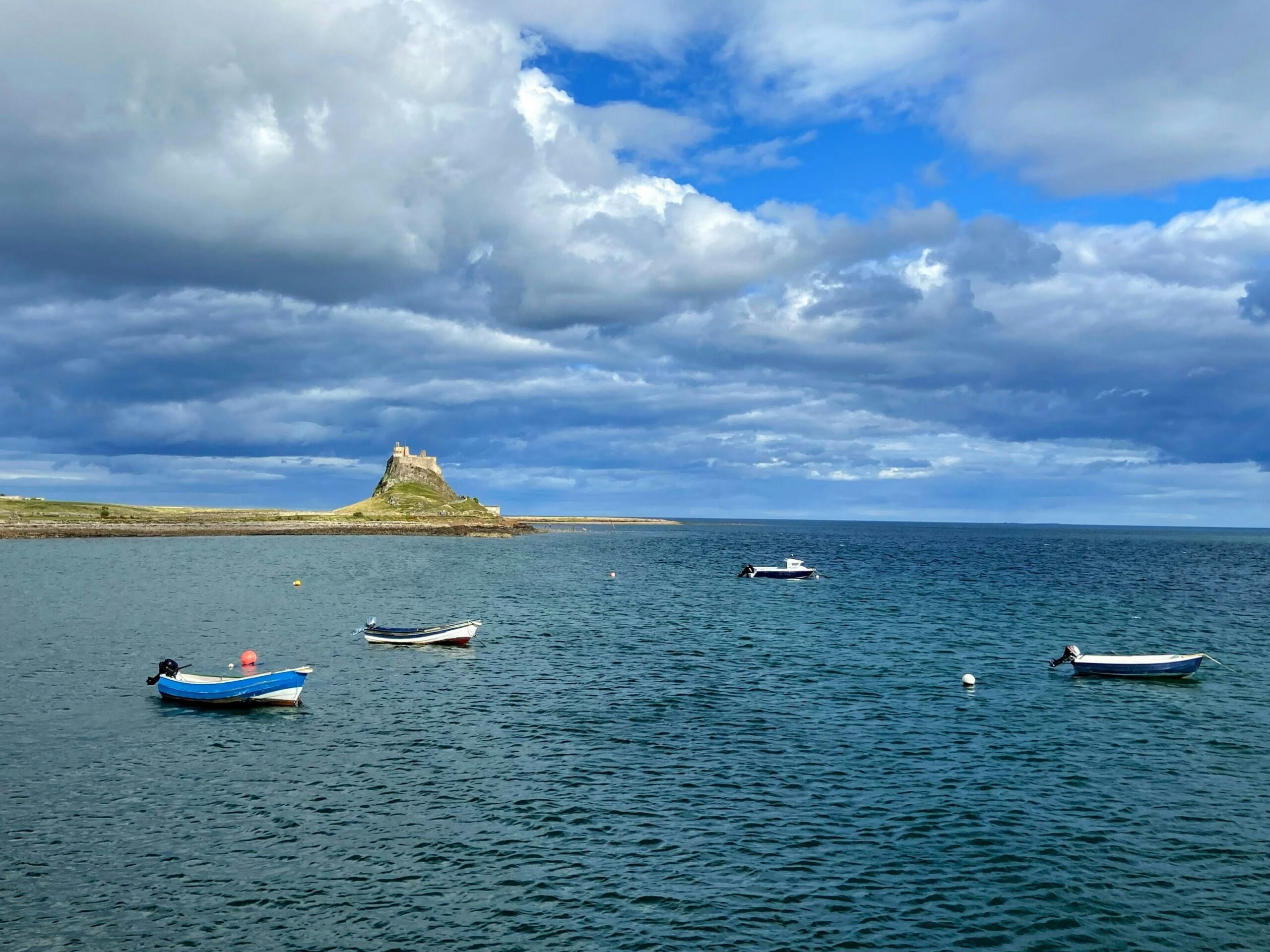
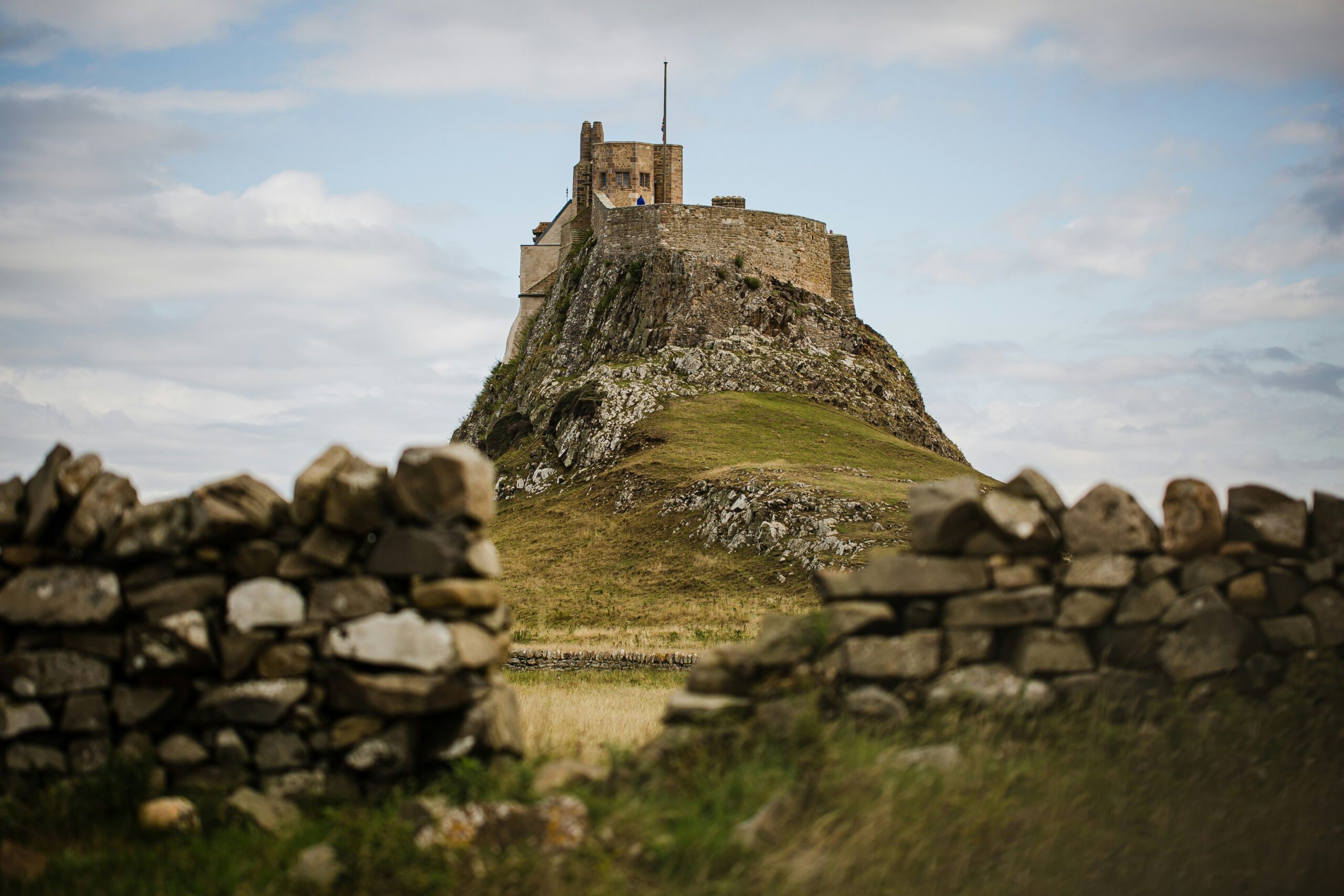
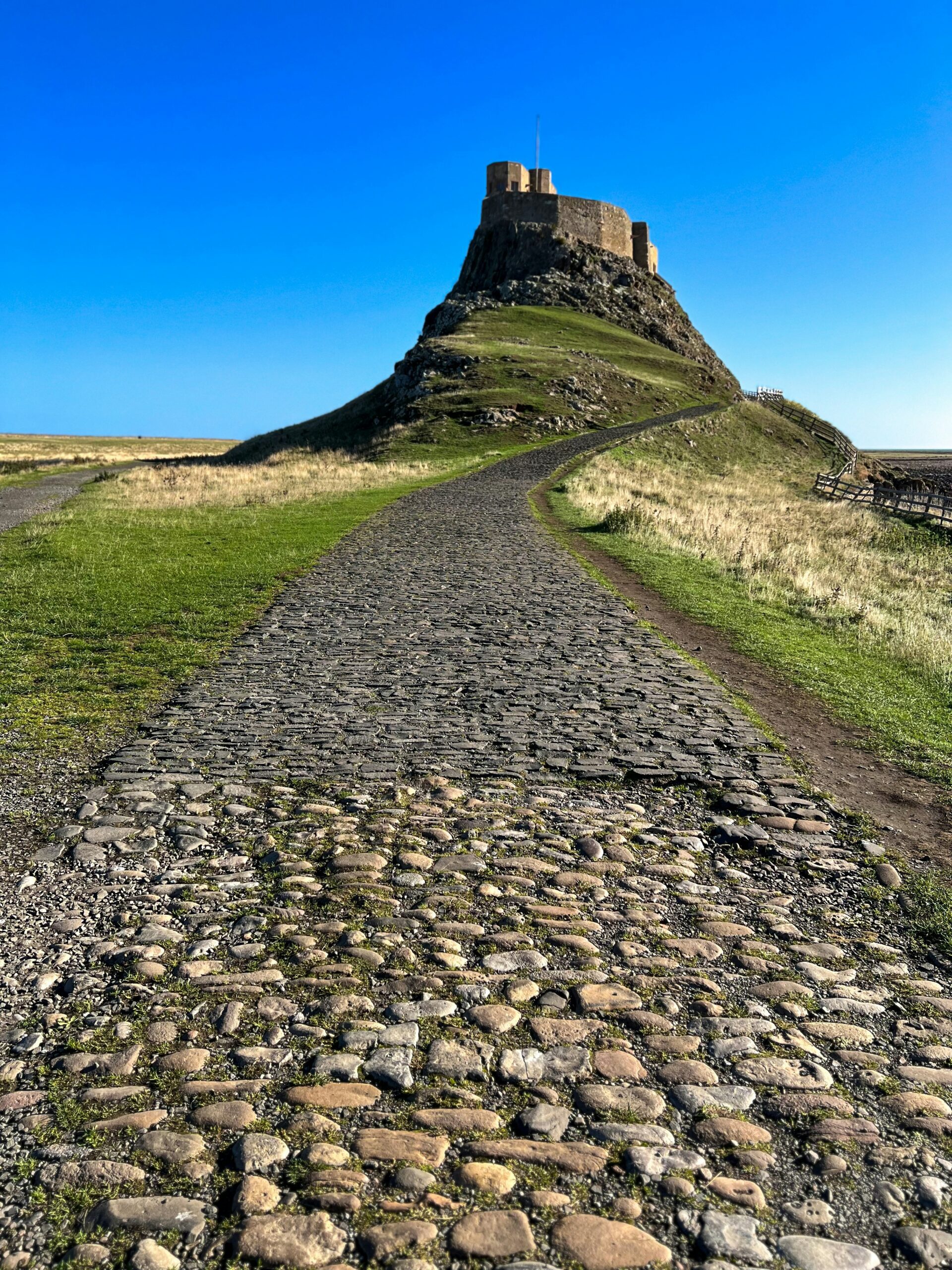
This morning we depart for a timed crossing onto Holy Island, submerged twice daily by the North Sea. It was here, in 793, that Viking raiders struck the monastery St Aidan had founded more than a century earlier. Spend the morning at Lindisfarne Priory and its museum, tracing the community’s founding, its illumination of the Lindisfarne Gospels, and its violent end.

After lunch at a local restaurant on the island we visit Lindisfarne Castle (time permitting), constructed as a defense against attack from the Scots and the Norsemen, before crossing back to the mainland and Doxford Hall. (B/L/D)

Day 4 Hexham Abbey and Escomb Church

Travel inland to Hexham and the abbey St Wilfrid. Founded in 674, this abbey still holds its Anglo-Saxon crypt, built partly from stone salvaged from the Roman fort at Corbridge. Wilfrid modeled the crypt on those he had seen in Rome, and it survives largely intact beneath the later medieval church above.

After lunch in Hexham, continue to Escomb, where a small stone church raised around 670 stands as one of the most complete Anglo-Saxon buildings in England, its walls built from dressed Roman stone likely carted from the fort at Binchester. Continue to York, our home for the next three nights. (B/L/D)

Day 5Jórvík and the Yorkshire Museum

York was Eoforwic under Anglo-Saxon rule and Jórvík after the Viking conquest of 866, when it became the capital of a Scandinavian kingdom that controlled much of northern England for the better part of a century. We begin today at the Jorvik Viking Centre, built over the Coppergate excavation that recovered timber houses, workshops, and thousands of everyday objects from Viking-Age York.

In the afternoon, visit the Yorkshire Museum’s Viking North exhibition, drawn from the same excavation, which reconstructs the lives of the merchants, craftworkers, and farmers who filled the Viking capital. Dinner is on our own this evening. (B/L)

Day 6York on Foot

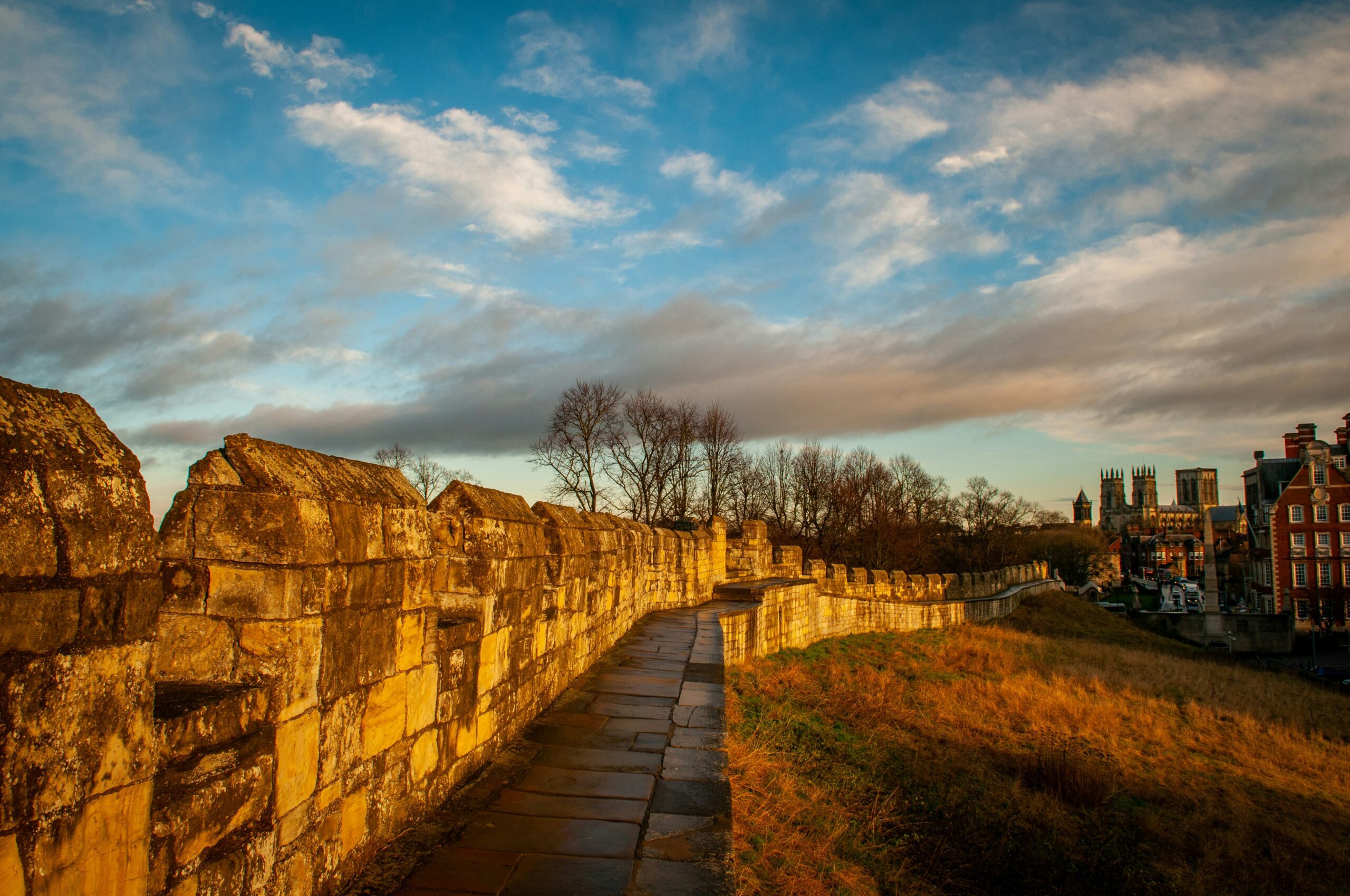
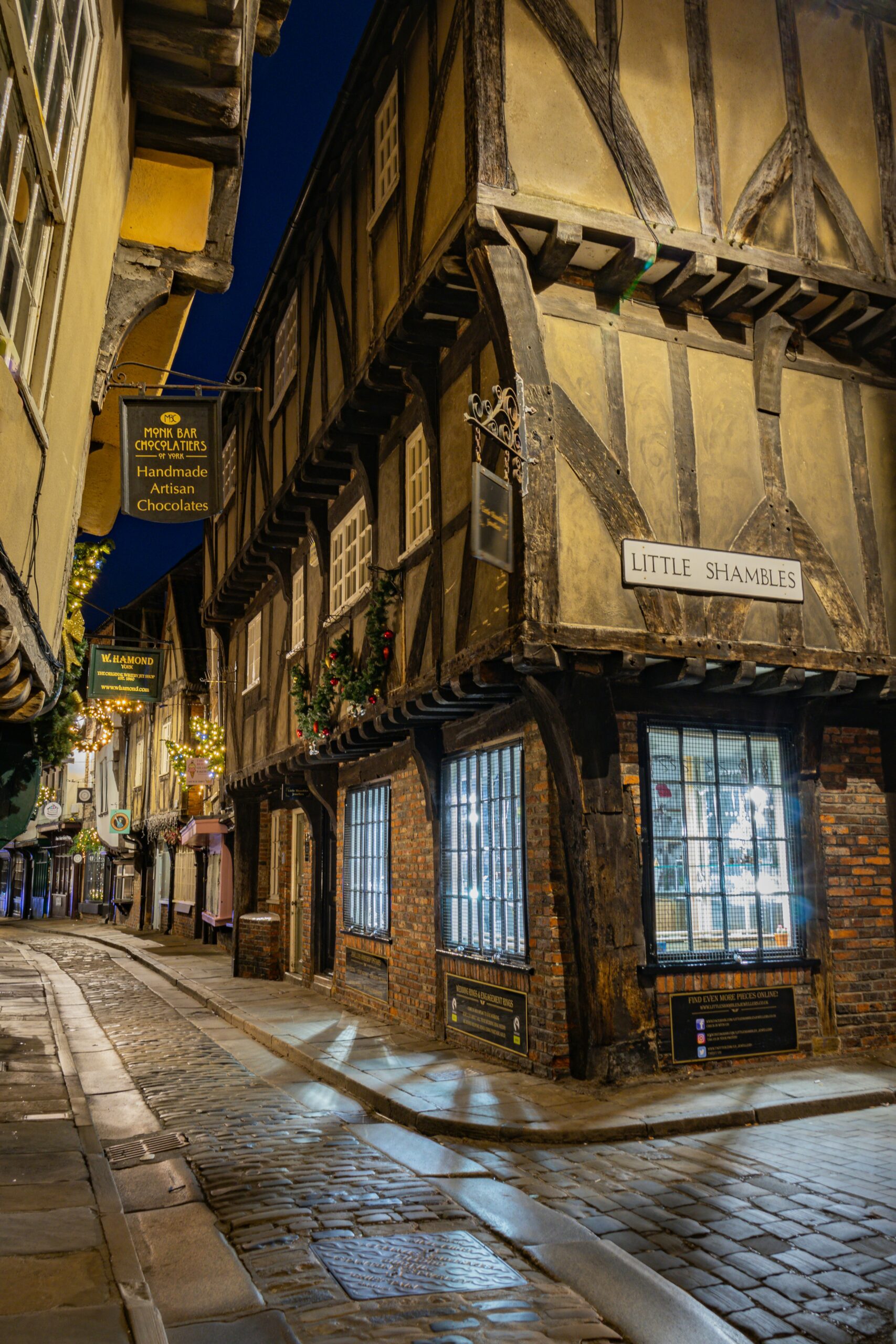
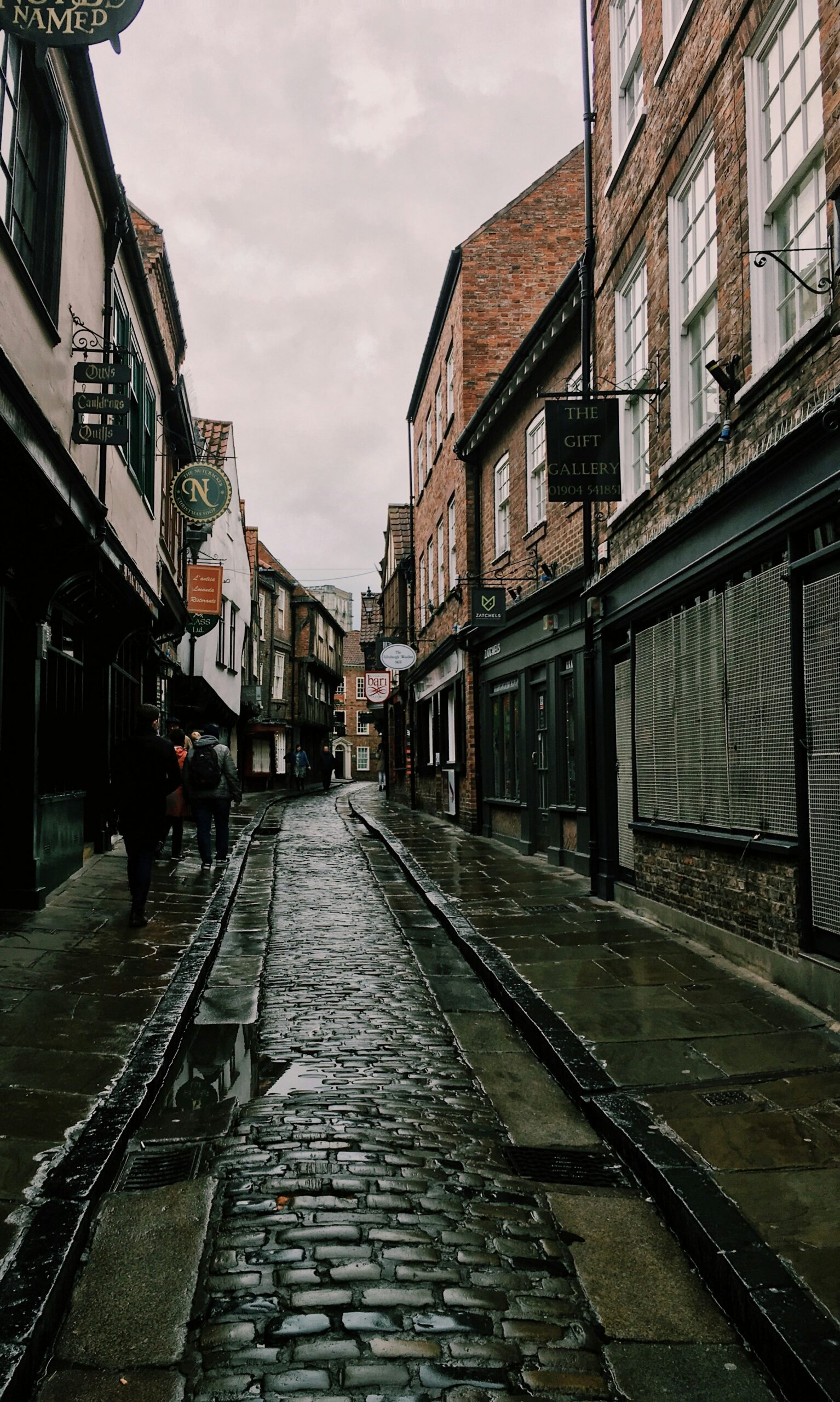
Today we walk the city that Vikings and Anglo-Saxons both called home. Our route through the Shambles, Stonegate, and Goodramgate traces streets whose Scandinavian names still mark the medieval city plan (“gate” descends from the Old Norse gata, or street). Walk a stretch of the city walls before reaching Clifford’s Tower, the Norman motte raised over a site with Viking-era occupation beneath it.

In the evening, Dr. Ashby lectures on “York/Jórvík: The Greatest Viking Town in the West,” drawing on his own research into the craft and trade networks that made the city the Vikings’ most important urban settlement outside Scandinavia. Dinner is on our own this evening. (B/L)

Day 7Repton

This morning we drive south to Repton, a quiet Derbyshire village that was the headquarters of the Great Heathen Army for one winter. In 873–874, the Viking force that had already toppled the kingdoms of Northumbria and East Anglia camped here, inside a D-shaped earthwork enclosure built around St Wystan’s Church. Excavations beneath and beside the church have uncovered a warrior’s grave furnished with a sword and a Thor’s hammer pendant, along with a mass burial once thought to hold the army’s winter dead. Enjoy a tour of the church grounds before lunch in the village.

Continue to Lincoln where we spend two nights. (B/L/D)

Day 8Lincoln

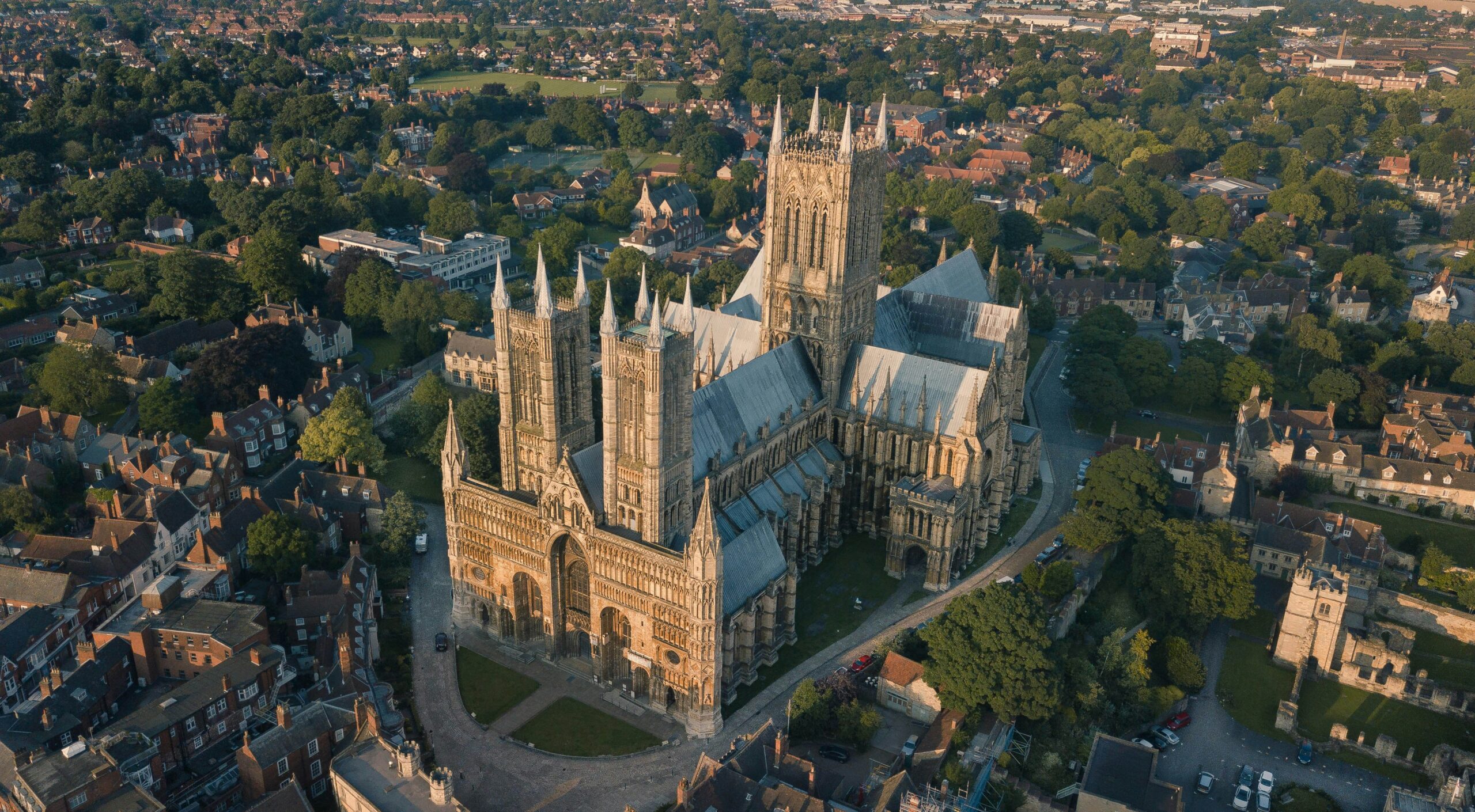
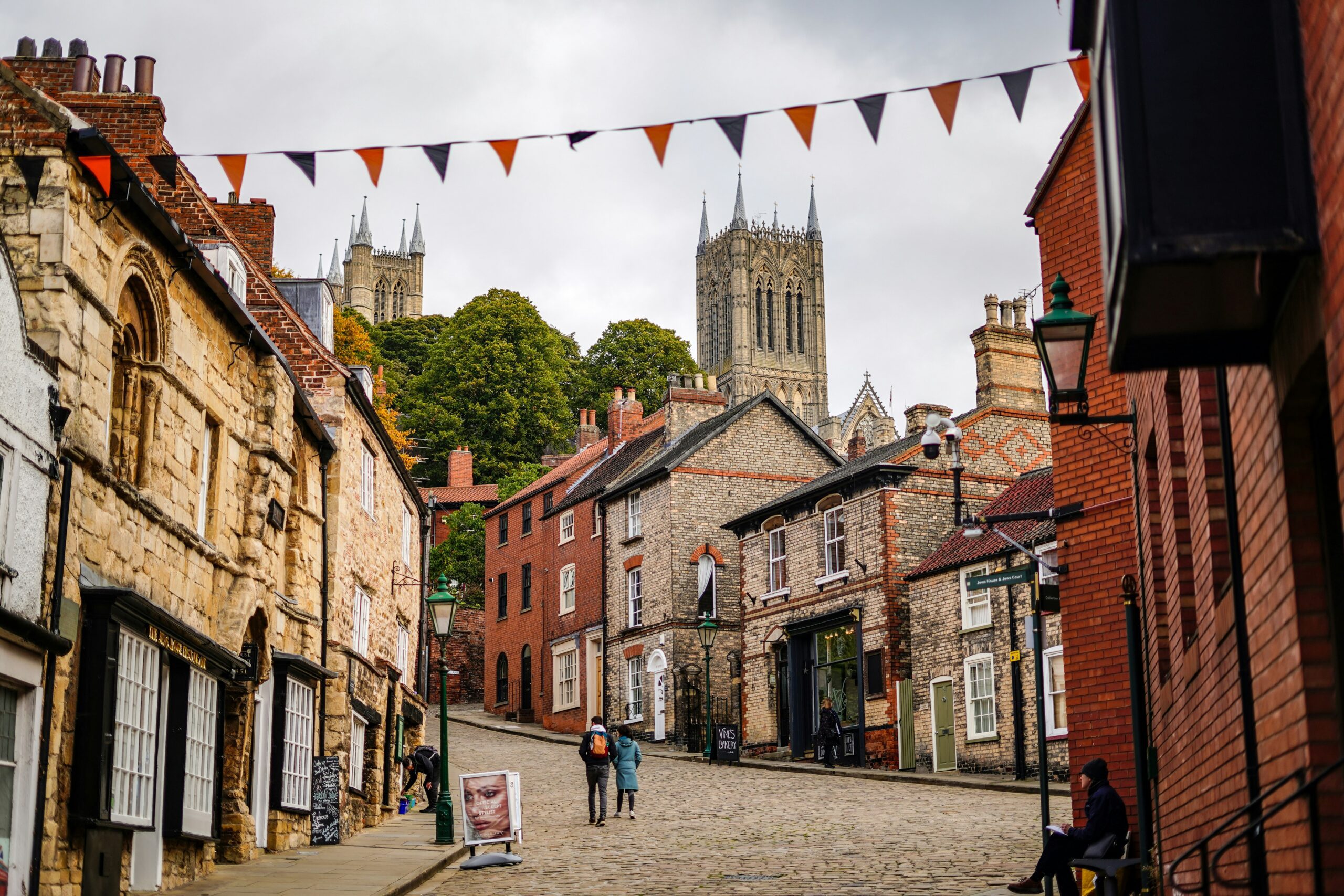
Lincoln was one of the Five Boroughs of the Danelaw, the network of fortified towns through which Scandinavian settlers governed and traded across the eastern Midlands. We will spend the morning at Lincoln’s Museum of Archaeology before continuing to Lincoln Castle and the Roman-era Newport Arch, followed by a walking tour of medieval Lincoln that ends at St Mary le Wigford, a church whose tower still incorporates a reused Roman inscription and Anglo-Saxon stonework.

Dinner is on our own this evening. (B/L)

Day 9Torksey and Norwich

Our drive to Norwich today takes us past Torksey, on the banks of the River Trent, where the same Viking army that later wintered at Repton had camped in 872–873. Metal-detecting surveys and excavation over the past decade have identified it as one of the largest Viking camps ever found in Europe, evidence of a semi-permanent settlement rather than a passing raiding party. Time-permitting we will also stop en route Earl’s Barton, one of England’s most significant surviving Anglo-Saxon churches.

Continue to Norwich for lunch, then spend the afternoon at Norwich Castle and Museum, which traces the city’s growth under Anglo-Scandinavian rule in the kingdom of East Anglia.

Overnight for two nights in Norwich. (B/L/D)

Day 10Sutton Hoo

Drive to Sutton Hoo, where in 1939 archaeologists uncovered the ship burial of an East Anglian king, almost certainly Raedwald, who died around 625, generations before the Viking Age began. The site sets the stage for what came after: East Anglia was among the wealthiest of the Anglo-Saxon kingdoms, and it was here that the Great Heathen Army, in 869, killed King Edmund and brought the kingdom under Danish control.

Return to Norwich in the afternoon for a two-mile walk along the Viking Norwich Trail, which threads through the city’s Anglo-Scandinavian street plan. (B/L/D)

Day 11London and the British Museum

Travel south to London for a day among the British Museum’s Viking and Anglo-Saxon collections, among the finest in the world. Its galleries hold the Sutton Hoo helmet and ship-burial treasures alongside the Vale of York Hoard, a cache of Viking-Age silver and coins buried around 927 near Harrogate, and the Lewis Chessmen, walrus-ivory pieces carved in a Scandinavian workshop and later lost (or hidden) in the Outer Hebrides. Lunch is on our own at the museum.

In the evening, Dr. Ashby delivers a concluding lecture drawing together the raid, conquest, and settlement we have traced across Northumbria, York, the Midlands, and East Anglia.

Overnight at the Radisson Blu Hotel, London Heathrow. Dinner is on our own. (B)

Day 12Winchester

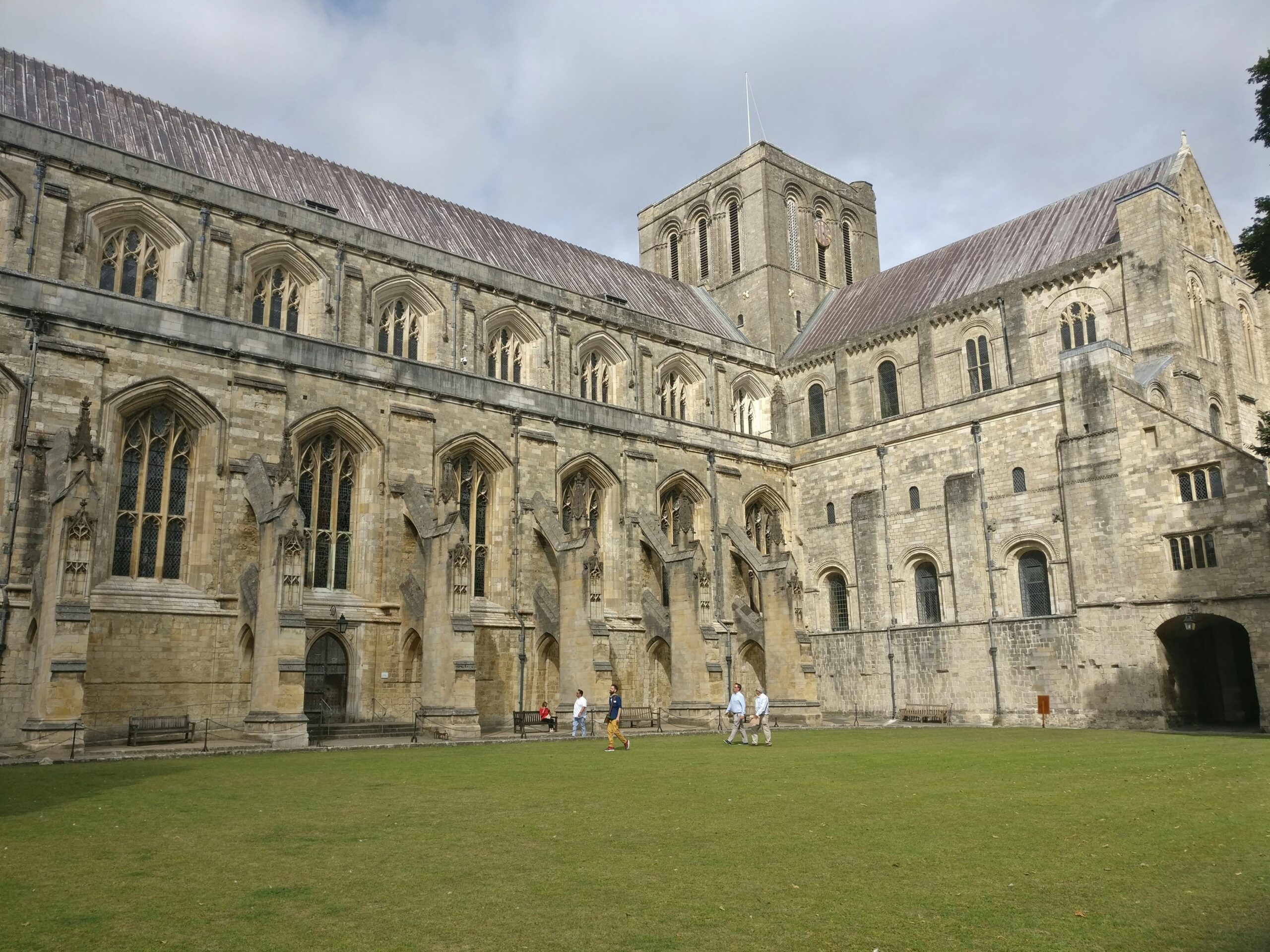
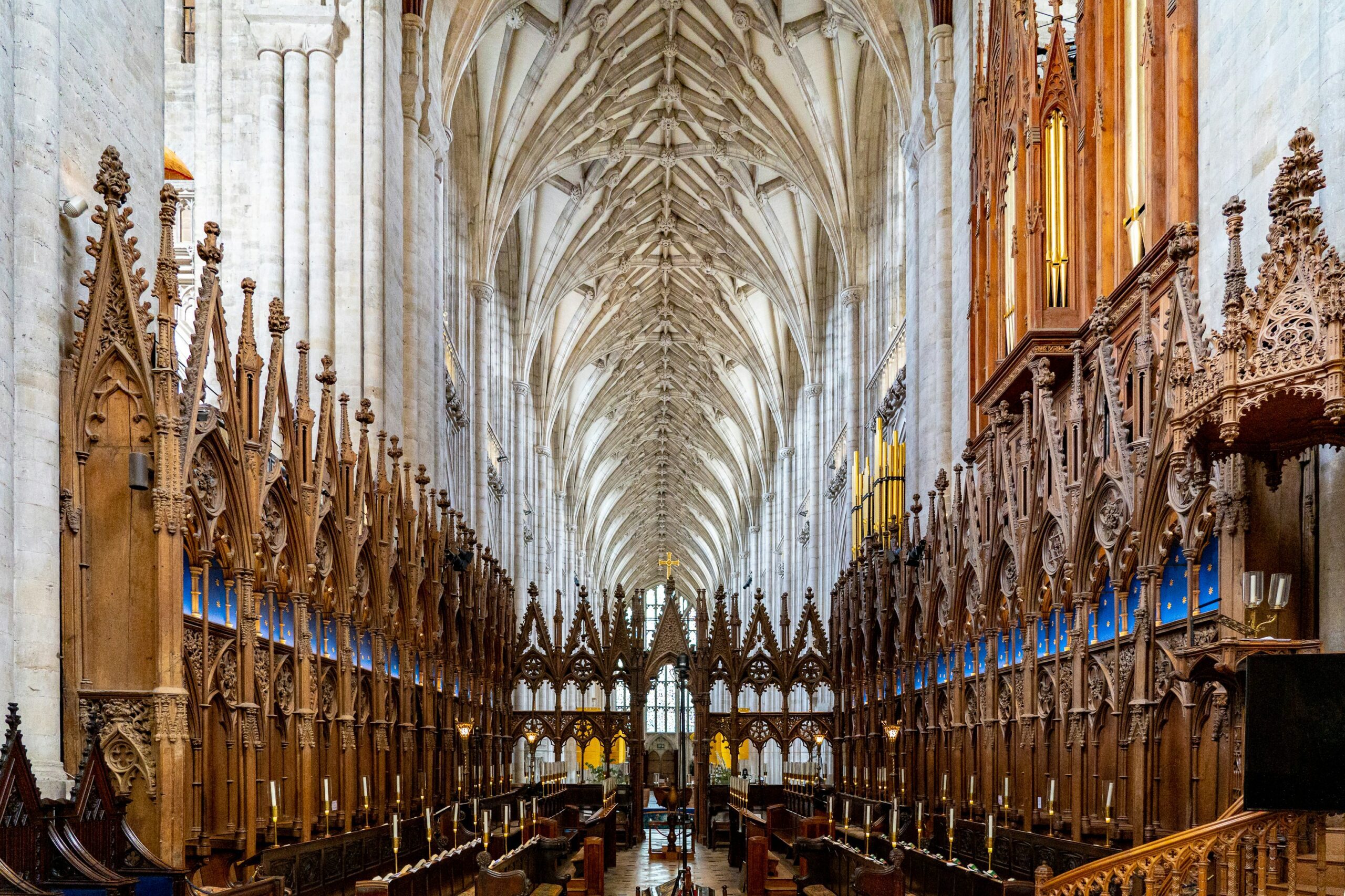
Our final day takes us to Winchester, capital of the kingdom of Wessex and the seat of Alfred the Great, whose military reforms and negotiated peace with the Viking leader Guthrum in 878 checked the Great Heathen Army’s advance and preserved an independent English kingdom. Spend the day at Winchester Cathedral, where the Kings and Scribes exhibition displays mortuary chests said to hold the bones of Anglo-Saxon kings, and at Winchester City Museum.

Return to Heathrow in the late afternoon and enjoy a Farewell Dinner at the hotel. (B/L/D)

Day 13Depart for home, or begin the Isle of Man Extension

Transfer to the airport for our flight home. (B)

Itinerary of Our Isle of Man Post-Trip Extension

(B) breakfast, (L) lunch, (D) dinner

Day 13Fly to Douglas on the Isle of Man

Transfer to the airport for an afternoon flight to Douglas, where we overnight for the next three nights. 

Gather in the evening for an introductory lecture with Dr. Ashby on the island’s own Viking history, followed by dinner. (B/ /D)

Day 14Kirk Andreas and Peel Castle

Drive north to Andreas to see Kirk Andreas, home to one of the finest collections of Viking-Age carved crosses in the British Isles. This includes Thorwald’s Cross, thought to pair a scene from Ragnarök with a Christian crucifixion, significant for displaying Norse myth and Christian belief carved side by side on the same stone.

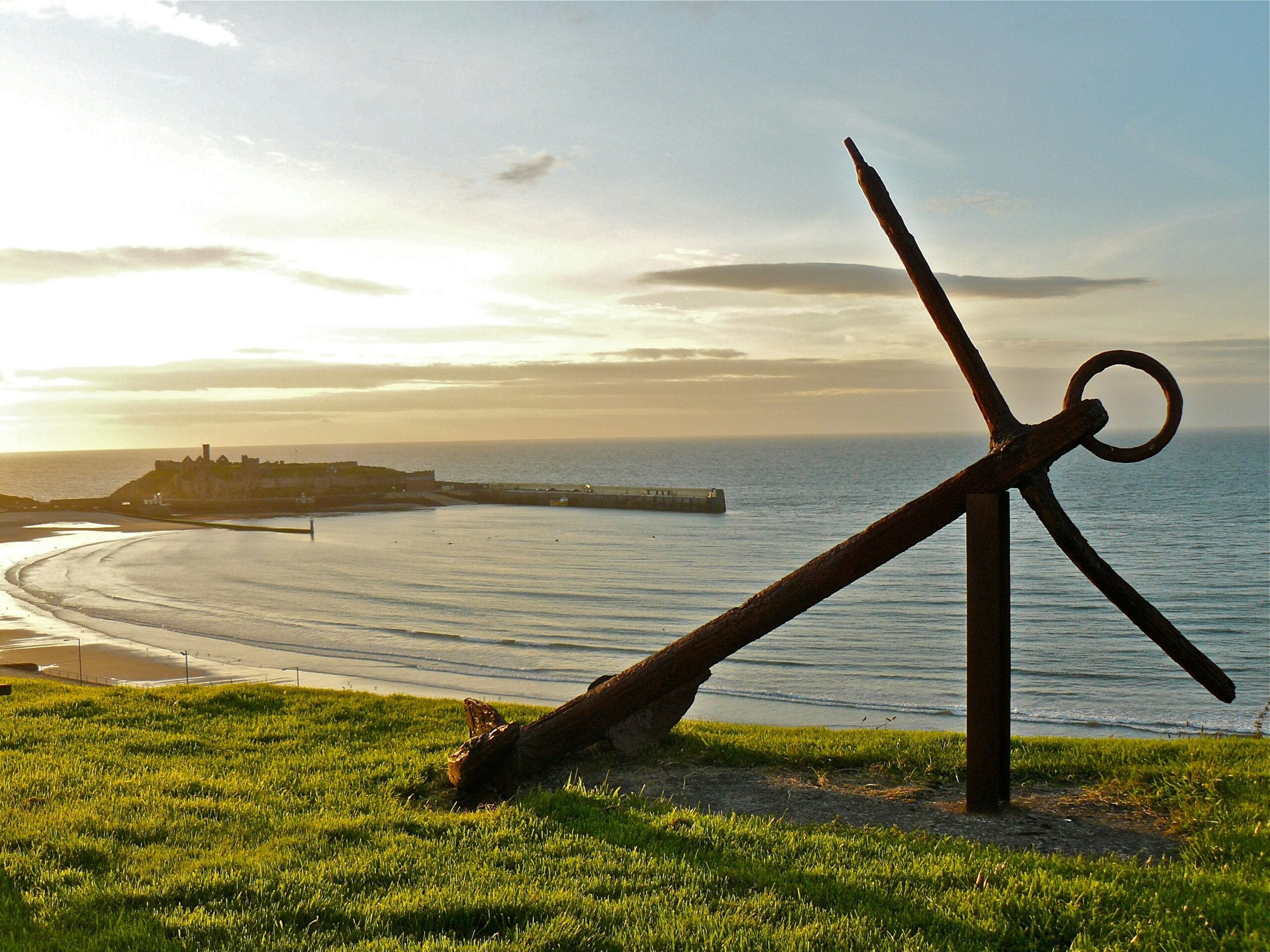
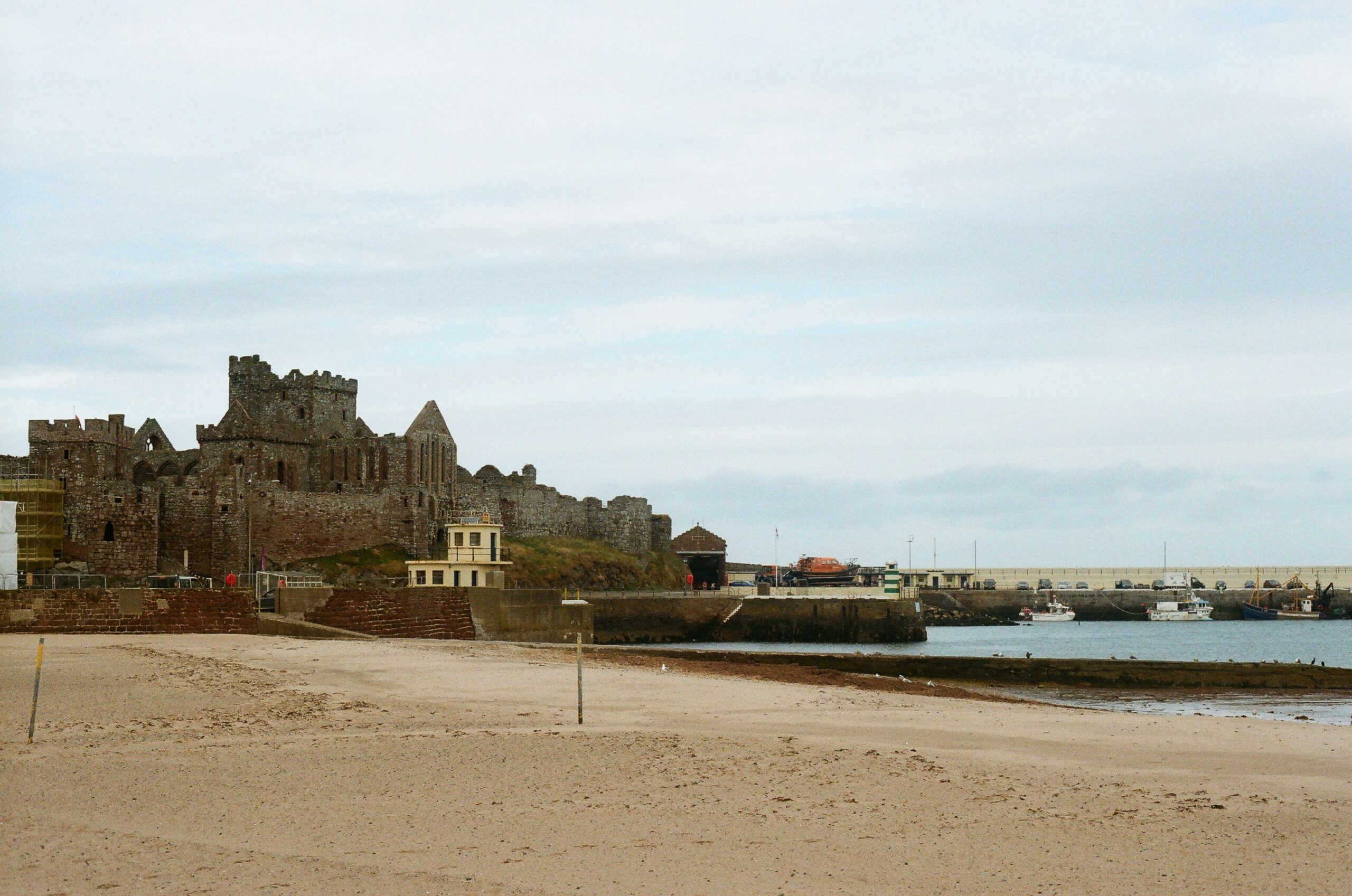
After lunch in Peel, visit Peel Castle on St Patrick’s Isle, where excavation uncovered the richly furnished tenth-century grave known as the “Pagan Lady of Peel,” buried with a Norse-style necklace and a set of household goods. Dinner is on our own this evening. (B/L)

Day 15Manx Museum and Castle Rushen

Spend the morning at the Manx Museum in Douglas, whose collections trace the Norse settlement of the island and the origins of Tynwald, the Isle of Man’s parliament, whose name descends from the Old Norse Þingvöllr, or “assembly field,” and which counts among the oldest continuously sitting parliamentary bodies in the world.

After lunch on our own, travel south to Castletown for an afternoon at Castle Rushen, one of Europe’s best-preserved medieval castles. (B/D)

Day 16Depart the Isle of Man

Transfer to Douglas airport for flights home, by way of London Heathrow. (B)
Tour Information

Tour Cost & Inclusions

Price is based on double occupancy and includes:

  • Internal flights during the trip (if applicable)
  • The accompaniment of your scholar throughout the entire trip
  • Local English-speaking guide
  • Hotel accommodations (3 or 4 stars; or best available based in the area)
  • Ground transportation
  • Airport transfers for arrivals and departures
  • Most meals as noted in the itinerary
  • Entry fees to all included sites and museums
  • Gratuities to guides, drivers, and restaurant and hotel staff
  • Coordination for any private presentations or tours

Trip prices are based on a minimum number of participants. If this minimum number is not met, trip prices are subject to change. Should the prices need to change, Far Horizons will reach out to registered guests to discuss directly.

Single Supplement

Should a roommate be requested and one not be available, the single supplement must be charged.

Exclusions

  • International round trip airfare
  • A separate donation check of $150.00 per person to a designated donation project
  • Passport or visa fees
  • Required vaccines or tests
  • Airport or departure taxes
  • Alcoholic drinks, beverages or food not included on set menus
  • Excess baggage charges
  • Personal tips and hotel incidental expenses
  • Laundry or other items of a personal nature

Donation Checks

As a tour company that benefits from the cultural and natural riches of our destinations, we have a policy of donating to the scientific and cultural sites and projects which we visit. This has created a bond between Far Horizons and the academic and local communities that has helped us establish an extensive list of lecturers and contacts in each of our destinations. We ask that each participant donate to the noteworthy project we designate. The donation amount is $150.00 per person. Note that the donation is required as part of your registration for the trip and that it is non-refundable.

Exchange Rate Fluctuations

Prices are based on currency exchange rates keeping below a projected level. While it is unlikely, if the exchange rates should change substantially, Far Horizons reserves the right to charge an additional amount to the trip cost.

Registration

A deposit of $1000 per person is required along with your registration & health forms, which will be linked in the email confirmation you receive once you pay your deposit on our booking platform. Final payment is due 120 days before departure. Prior to departure, you will be sent a reading list and a tour bulletin containing travel information.

Visas

We will let you know if you need a visa and provide details and instructions on where to obtain your visa. You are responsible for securing your own visa. If you would like to look into specific visa requirements based on where you live and where you would like to travel, we suggest visiting Sherpa to find out more about the latest visa and travel requirements.

ETIAS

Starting in 2025, the European Commission will roll out a U.S. style electronic travel authorization system for visitors from countries that are currently not part of the EU. These visitors have been granted visa-free access to the EU and Schengen member countries through virtue of their good track record on security issues and, thus, have not been deemed as a threat to EU security. ETIAS (which stands for the European Travel Information and Authorisation System) will check the security credentials and charge a fee to travelers visiting EU member countries for business, tourism, medical or transit purposes. Travelers who currently visit Europe visa-free are able to enter EU and Schengen Member countries cost-free and without any digital security screening prior to their arrival to Europe. ETIAS is not a visa, and is more accurately referred to as a visa-waiver. The ETIAS, like the ESTA, is a travel authorization for travelers not requiring a visa to visit Europe. Under the ETIAS, these visitors will undergo additional security checks prior to being permitted to enter the EU. The ETIAS will be mandatory for citizens of such countries as the United States, Australia, New Zealand, and Canada. For more information, please visit the ETIAS website.

Cancellation

Cancellations received in writing at least 120 days before departure will receive a refund less a $500 per person administrative fee. Cancellations received less than 120 days before the departure date will not receive a refund. If, for any reason, you are unable to complete the trip, Far Horizons will not reimburse any fees. Upon registering for the tour, the purchase of travel protection with both trip cancellation and emergency evacuation is strongly advised. Links to recommended insurance policies will be included in the email you receive confirming receipt of your deposit.

Air Ticketing

International round-trip flights are not included in the cost of the trip. If Far Horizons must change the trip dates or cancel the trip for any reason, Far Horizons is not responsible for any air ticket you may have purchased. Please send your complete air schedule as soon as you have it. NOTE: Please contact Far Horizons if you would like us to handle your air ticketing. We offer a ticketing service for a small fee.

Private Tours and Talks

The private tours of archaeological sites and talks by specialists are scheduled in advance and include a donation to each. Specialists working at these sites are excited about showing their work to interested enthusiasts. However, please be aware that there may be times when the director or a member of the staff may not be on site when our groups arrive due to other commitments.

Walking and Standing

Far Horizons expects all participants to be physically active and able to walk and climb independently throughout the full touring days. This includes walking over uneven terrain (uphill and downhill) for 2 miles or more at each site. You should expect to be on your feet for much of each day, averaging as much as 5 miles of walking per day. As such, each participant should be able to walk unaided at a pace of 3 miles per hour for at least an hour at a time, and to stand unsupported for at least 60 minutes. Bearing this in mind, we suggest that, if you have not already done so, you begin walking several miles every day, ideally including stairs and hills. If you have questions about your ability to keep up with the group or the strenuous nature of this trip, please contact the Far Horizons staff.

Expectations During Travel

This tour is designed for flexible, energetic people who like to be active, have a spirit of adventure and a positive attitude. We have designed this trip to be as comfortable as possible while also aiming to visit some remote or unique sites that other companies do not attempt to include in their itineraries. There may be days when we have very long drives, and the conditions of the roads may vary. Hotels and transportation in some remote areas may not be up to Western standards. There may be times when no bellhops are available; please pack with the understanding that you need to be able to handle your own luggage at times. Sometimes, we may be walking over uneven trails for a mile or more; hiking boots are strongly recommended. Not every meal will be haute cuisine, and several lunches may be picnics or box lunches. By maintaining a flexible attitude, we will soon be captivated by the beauty of the natural scenery, the hospitality of the local people, and the fascinating sites we will see. Your flexibility and patience will be appreciated.

Itinerary Changes

Changes in our itinerary, accommodations, and transportation schedules may occur. While we are committed to keeping as close to the published details as possible, sometimes it is simply not possible. Weather events, government affairs, or other factors out of our control sometimes come into play. A good book to read, as well as patience, a flexible attitude, and a sense of humor are essential.

Travel Insurance

We strongly recommend that you consider purchasing travel insurance. Should illness or an unforeseen event force you to cancel your travel plans after your final payment or during your trip, it would be doubly unfortunate to incur a significant financial loss. Trip cancellation protection will enable you to be reimbursed for the loss of your payment if you are unable to travel for any of the covered reasons in the “Outline of Coverage” section or should you have an accident or suffer from any medical conditions during the trip.  
 
Far Horizons offers customized protection plans through Travel Insured International (a Crum & Forster Company) with the following benefits:
 
• Trip Cancellation and Trip Interruption for covered reasons
• Trip Delay
• Baggage Loss and Baggage Delay
• Emergency Medical Expenses and Emergency Medical Evacuation
• 24-Hour Accidental Death & Dismemberment
• 24-Hour Travel Assistance & Concierge Services
• Option to upgrade to ‘Cancel for Any Reason (CFAR)’
 
We recommend reviewing the language in detail so you are aware of specific parameters. Depending on the policy, to waive the Pre-Existing Medical Condition Exclusion or to upgrade to CFAR coverage, the plan must be purchased within 14 to 21 days of the initial trip deposit, the full trip cost must be insured, and the traveler is medically fit at the time of plan purchase. Otherwise, coverage may be purchased at any time before departure. 
 
To obtain a personalized quote and/or purchase a plan through Far Horizons/Travel Insured International, simply click HERE. For specific questions regarding the Worldwide Protector Plan, please contact Travel Insured International’s Customer Care Center at 1-800-243-3174 or by email at customercare@travelinsured.com, and refer to Far Horizons’ account number: 54070.

England and Wales Tour Map