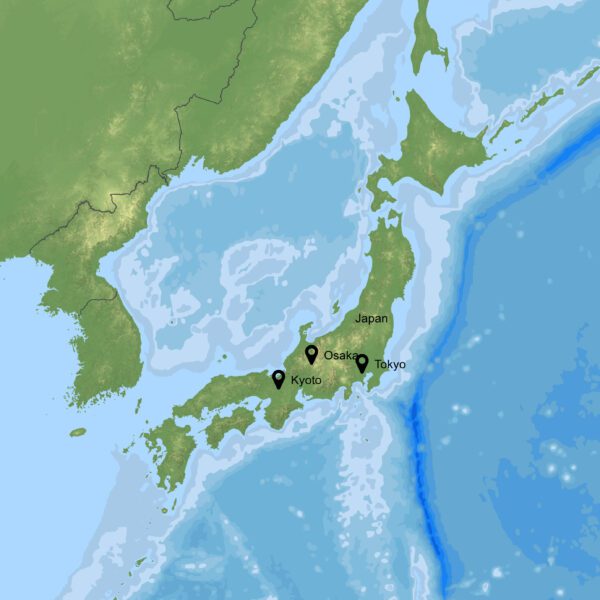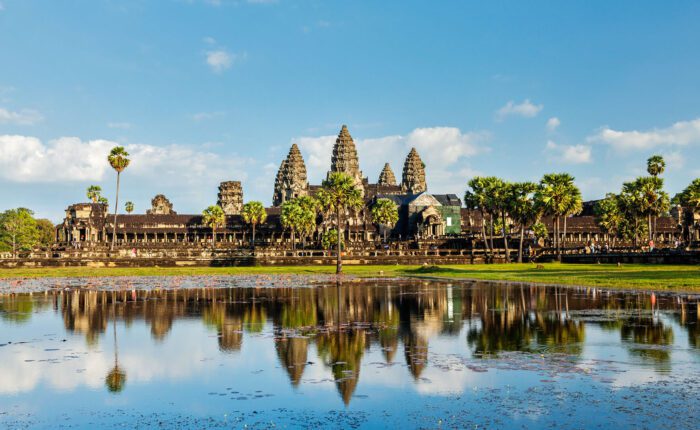


For more than a thousand years, the coast of Southeast China has faced outward, toward the sea. Tang-dynasty porcelain left Shanghai’s first harbor bound for Korea and Japan; Song and Yuan emperors grew rich on the trade of Quanzhou, where Arab, Persian and Tamil merchants built mosques and temples beside Buddhist monasteries; and from Xiamen, Guangzhou and the villages of the Pearl River Delta, millions of Chinese merchants, students and laborers sailed for Southeast Asia and the Americas, sending fortunes and new ideas back home. Far from the ‘Unchanging China’ of old textbooks, this is a China of crossroads, of commerce, migration and exchange, and Far Horizons’ 17-day journey from Shanghai to Hong Kong follows that story port by port.
Join only 13 others to visit ten UNESCO World Heritage Sites: the Classical Gardens of Suzhou; the Grand Canal, at more than 1,000 miles the world’s longest man-made waterway; Hangzhou’s West Lake Cultural Landscape, home to Lingyin Temple and the Six Harmonies Pagoda; Xidi and Hongcun, villages built on the fortunes of the Huizhou merchants; the granite peaks of Huangshan; Kulangsu (Gulangyu), the island international settlement off Xiamen; Quanzhou, inscribed as the ‘Emporium of the World in Song-Yuan China’; the Fujian Tulou, massive earthen roundhouses built to shelter entire clans; the Kaiping Diaolou, fortified towers raised by Cantonese emigrants who brought their fortunes home; and the Historic Centre of Macao, where four centuries of Portuguese presence meet Chinese tradition. In Shanghai, you will go beyond the Bund to the excavated Tang and Song port of Qinglong Town, the China Maritime Museum, and an 18th-century shipowners’ guild hall on the old Huangpu waterfront.
From the Tang-era wharves of Qinglong to the Portuguese streets of Macau, you’ll follow the routes that tied China to the rest of the world. This is China told through its harbors, its merchants and the people who sailed away and came back changed.
Arrive in Shanghai, China’s largest city and a global financial hub, and transfer to the Anting Villa Hotel, a 4-star European-style garden hotel on a quiet street in the heart of the former French Concession and our home for three nights.
Shanghai’s story as a port begins long before the Bund. This morning we travel west to the site of Qinglong Town, founded in the mid-8th century on the Wusong River and, during the Tang and Song dynasties, the region’s principal harbor. Excavations led by the Shanghai Museum have uncovered temple and pagoda foundations and thousands of porcelain shards from kilns across southern China, goods shipped from here to the Korean Peninsula and Japan, making Qinglong a vital link on the Maritime Silk Road. As silt choked the river, trade shifted east to a small settlement called Shanghai. After lunch, visit the Yuan Dynasty Water Gate Museum, built over a 13th-century sluice gate discovered in 2006 and hailed as one of China’s top ten archaeological finds of that year. When the tide came in, the gate was closed to keep out the silt; when it went out, the gate was opened to flush the channel with fresh river water. It is among the largest and best-preserved Yuan hydraulic works ever found in China. Continue to the Shanghai Post Office Museum, housed in the grand 1924 General Post Office on Suzhou Creek, and step out onto its rooftop garden for a view of the creek flowing into the Huangpu River.
Gather this evening for our Welcome Dinner. (B/L/D)
Today is devoted to Shanghai and the sea. Drive to the Lingang waterfront to visit the China Maritime Museum, the country’s largest museum of its kind, whose galleries follow Chinese navigation from early river craft to the Ming-dynasty voyages of Admiral Zheng He and on to the modern port of Shanghai, today the busiest container port in the world.
After lunch, return to the city to explore the former French Concession and the old riverside district of Dongjiadu. Here stands the Commercial Shipping Guild Hall, built in 1715 by the owners of the flat-bottomed ‘sand ships’ that carried cargo along the China coast; its restored halls speak to the wealth and organization of the merchants who made Shanghai a shipping center more than a century before the treaty-port era.
End the day with a walk across the nearby Dongjiadu Flower Bridge and along the waterfront as the sun sets over the Bund. Dinner is on your own this evening. (B/L)
This morning we transfer to Suzhou, a city of canals and scholars’ gardens that grew wealthy on silk. Begin at the Suzhou Silk Museum to learn how the fiber that gave the Silk Road its name was cultivated, spun and woven. The Humble Administrator’s Garden, part of the UNESCO World Heritage Classical Gardens of Suzhou, was laid out after 1509 by a Ming official who retired here from public life; its pavilions, bridges and maze of connected pools and islands represent the height of Chinese garden design. Just outside the city, Hanshan Temple has stood for more than 1,000 years, though its present halls are fine examples of Qing architecture.
Late in the day, stroll the 800-year-old Pingjiang Road, a cobblestone lane beside one of Suzhou’s oldest canals.
Overnight for two nights at the historic Pingjiang Lodge, set within a series of traditional houses, part of which was once the Ming-dynasty residence of the Fang family. (B/L/D)
Begin at the Suzhou Museum, designed by the Chinese-American architect I. M. Pei, whose collections of ancient art include treasures recovered from the city’s pagodas. Then explore the Pan Gate Scenic Area and its three landmarks: the 2,500-year-old Pan Gate, the only surviving land-and-water gate of Suzhou’s ancient city wall, set on the Grand Canal; the seven-story Ruiguang Pagoda, first raised in the 3rd century, where a hidden cache of Buddhist sutras, carvings and a jeweled pearl reliquary was discovered in 1978; and the Wu Gate Bridge, a single-span stone arch rebuilt in the Qing dynasty that once marked the water entrance to the city.
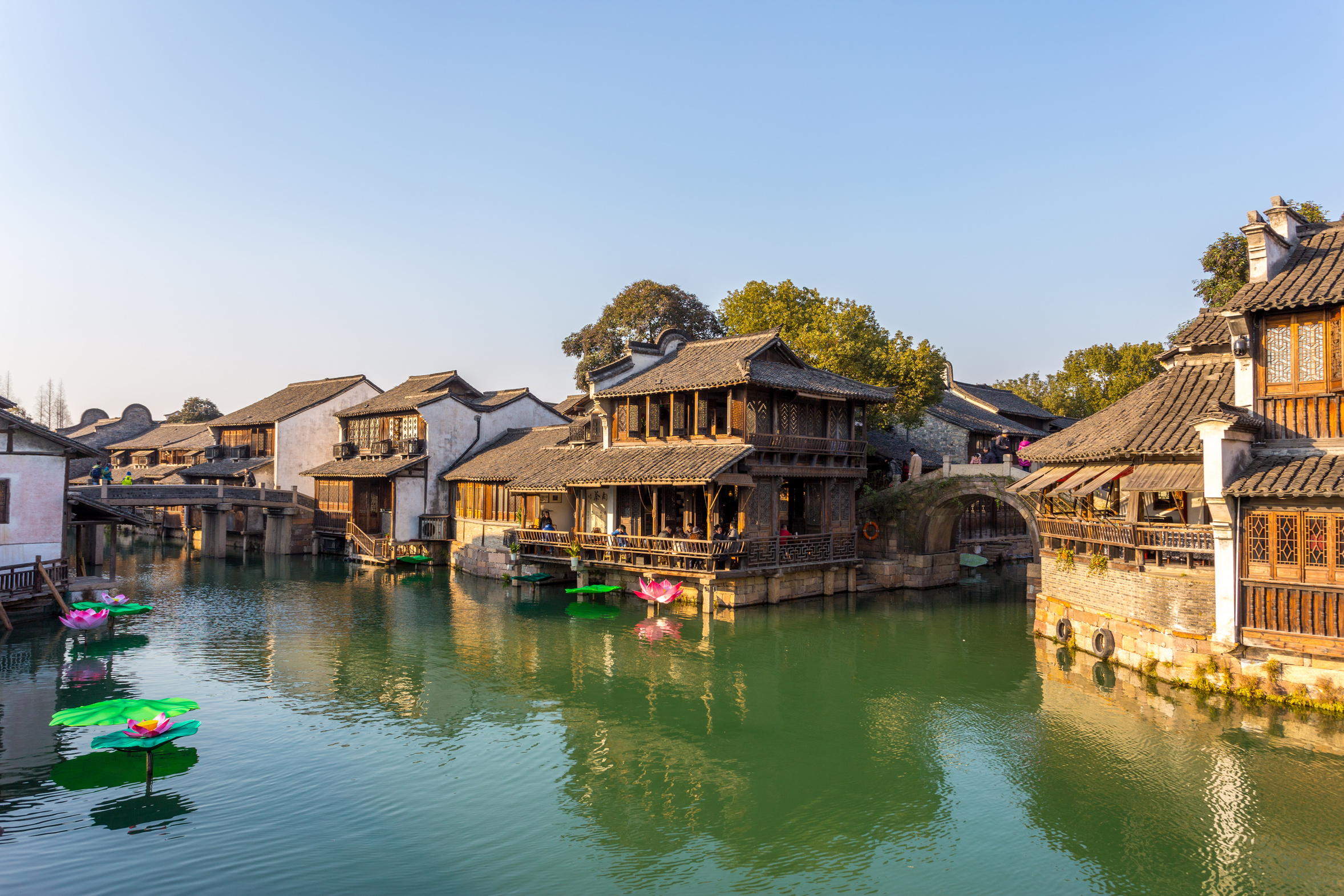
In the afternoon, visit Tongli, a thousand-year-old water town where homes, gardens, lanes and bridges are woven together by canals. (B/L/D)
Transfer to Hangzhou, capital of the Southern Song dynasty (1127–1279) when it was known as Lin’an, and the city Marco Polo called Quinsai, ‘the finest and noblest in the world.’ Hangzhou marks the southern end of the Grand Canal, the UNESCO World Heritage waterway that for centuries carried grain, silk and tax revenue more than 1,000 miles north to the imperial capitals. Board a boat for a short cruise, visit the China Grand Canal Museum, and see the 17th-century Gongchen Bridge, the tallest and longest stone arch bridge in the city. Then go underground to explore the excavated ruins of the Song-era capital and the Mongol city that succeeded after the armies of Kublai Khan captured Hangzhou in 1276.
Overnight for two nights at the 4-star Tea Boutique Hotel. (B/L/D)
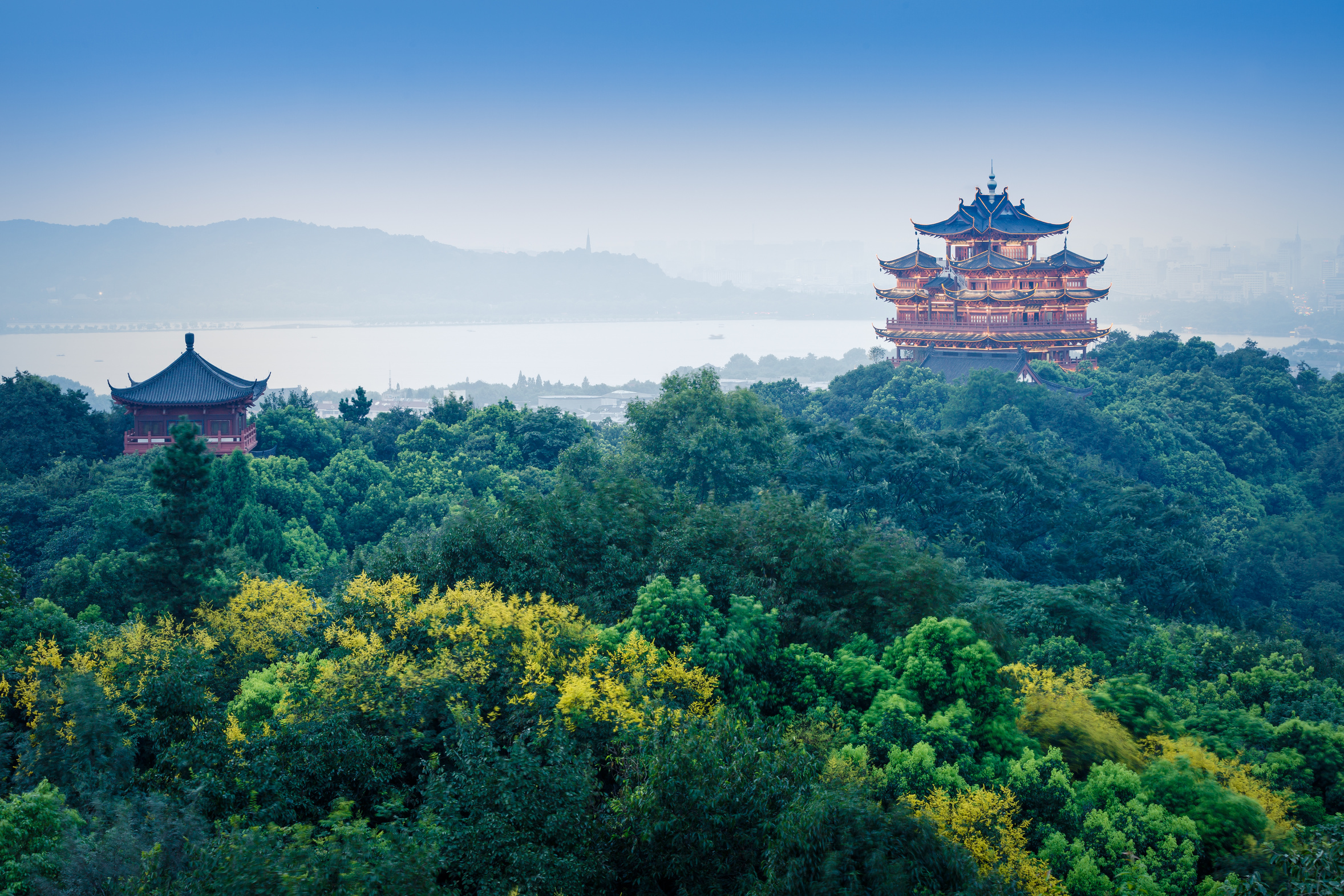
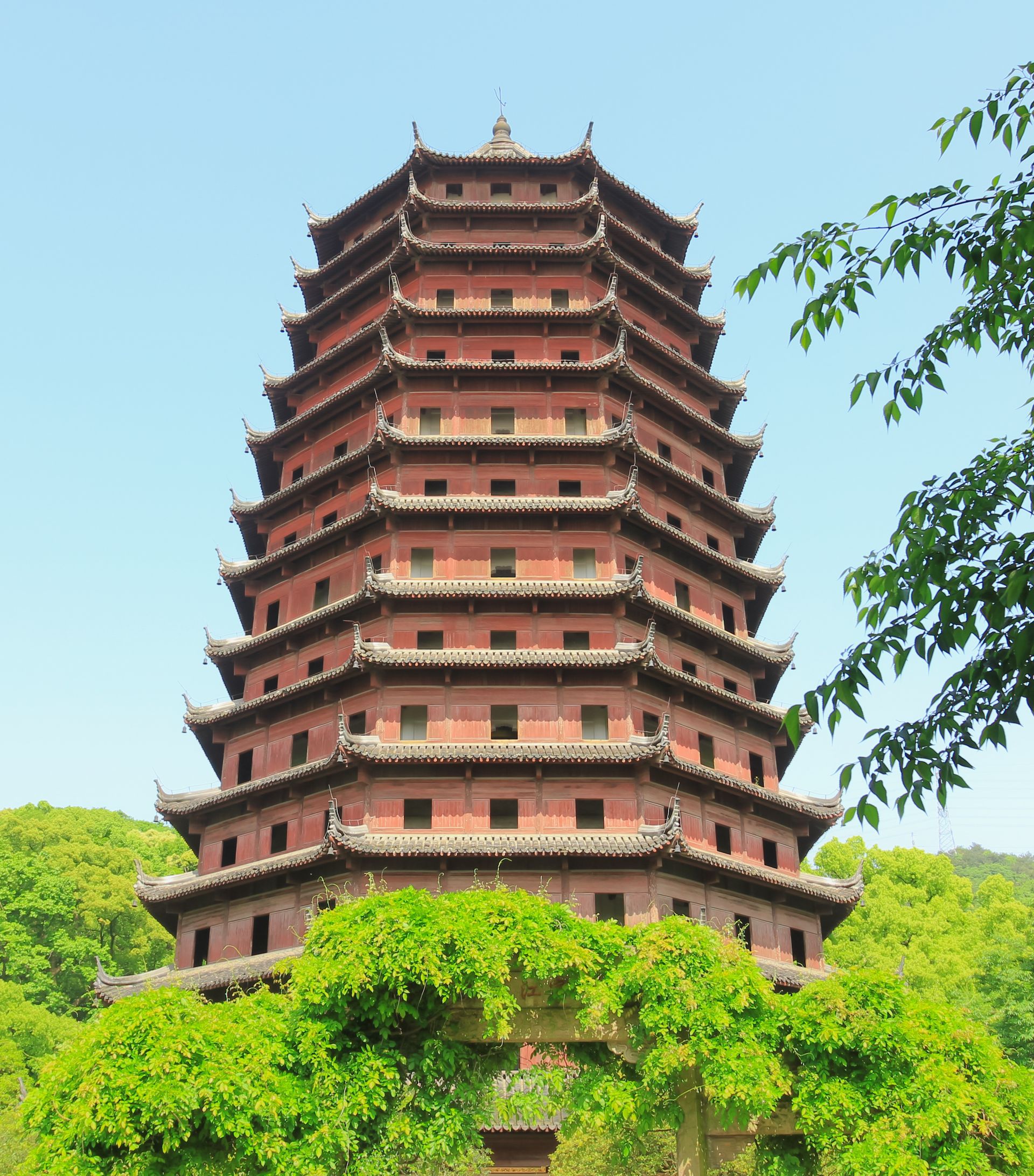
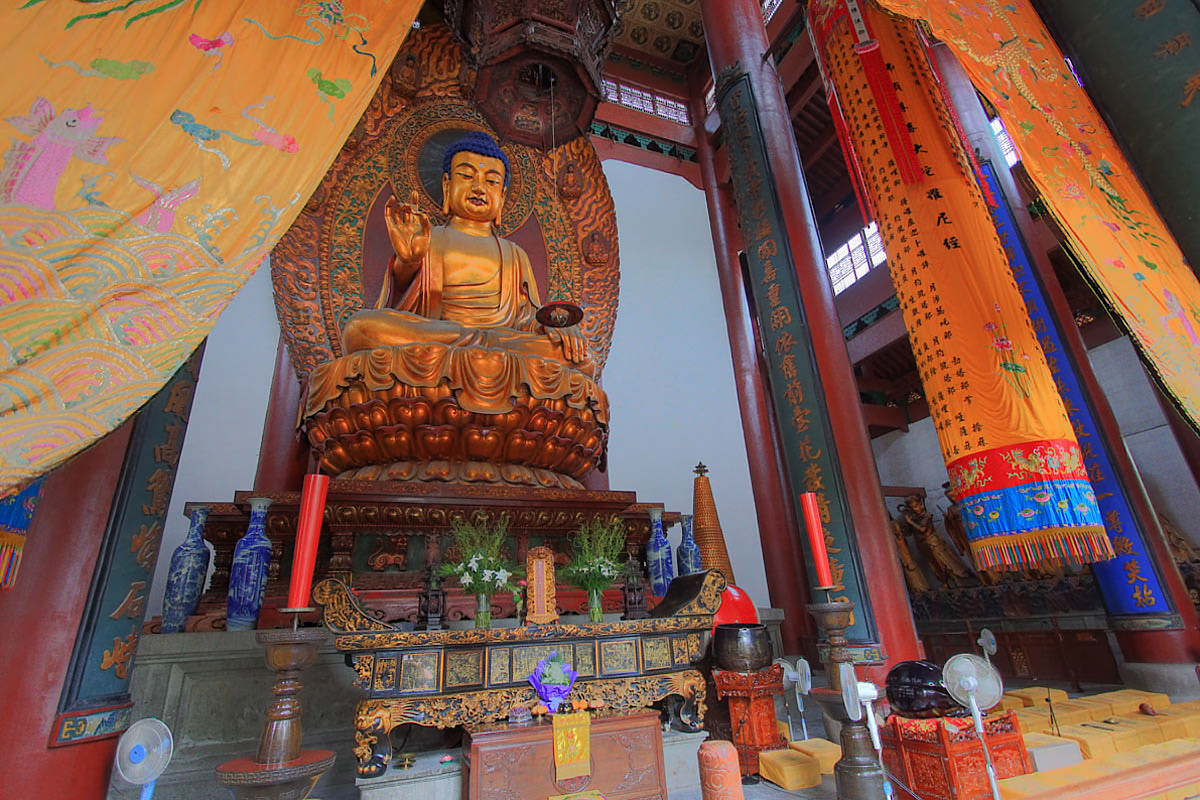
Much of today is spent within the West Lake Cultural Landscape, a UNESCO World Heritage Site whose temples, pagodas and causeways have inspired Chinese painters and poets for a thousand years. Lingyin Temple, founded in 326 AD and rebuilt no fewer than sixteen times, is one of the largest and wealthiest Buddhist monasteries in China; its double-eaved front hall, some 60 feet tall, houses Maitreya, the Laughing Buddha. Overlooking the Qiantang River, the octagonal Six Harmonies Pagoda is a masterpiece of Song and Ming architecture that appears to rise thirteen stories but holds seven interior levels, each ceiling incised with birds and flowers.
End the day on Qinghefang, an old street of Ming and Qing shopfronts and century-old businesses. Visit Hu Qing Yu Tang, a traditional Chinese pharmacy founded in 1874 whose remedies draw on the pharmacopoeia of the Song imperial family, and take part in a tea ceremony in a traditional teahouse, fitting in the home of Longjing (Dragon Well) tea. (B/L/D)
Drive into the hills of southern Anhui, the homeland of the Huizhou merchants who dominated China’s salt, tea and timber trades during the Ming and Qing dynasties. Lunch today is on Tunxi Old Street, a centuries-old commercial lane, with time to walk among its shops.
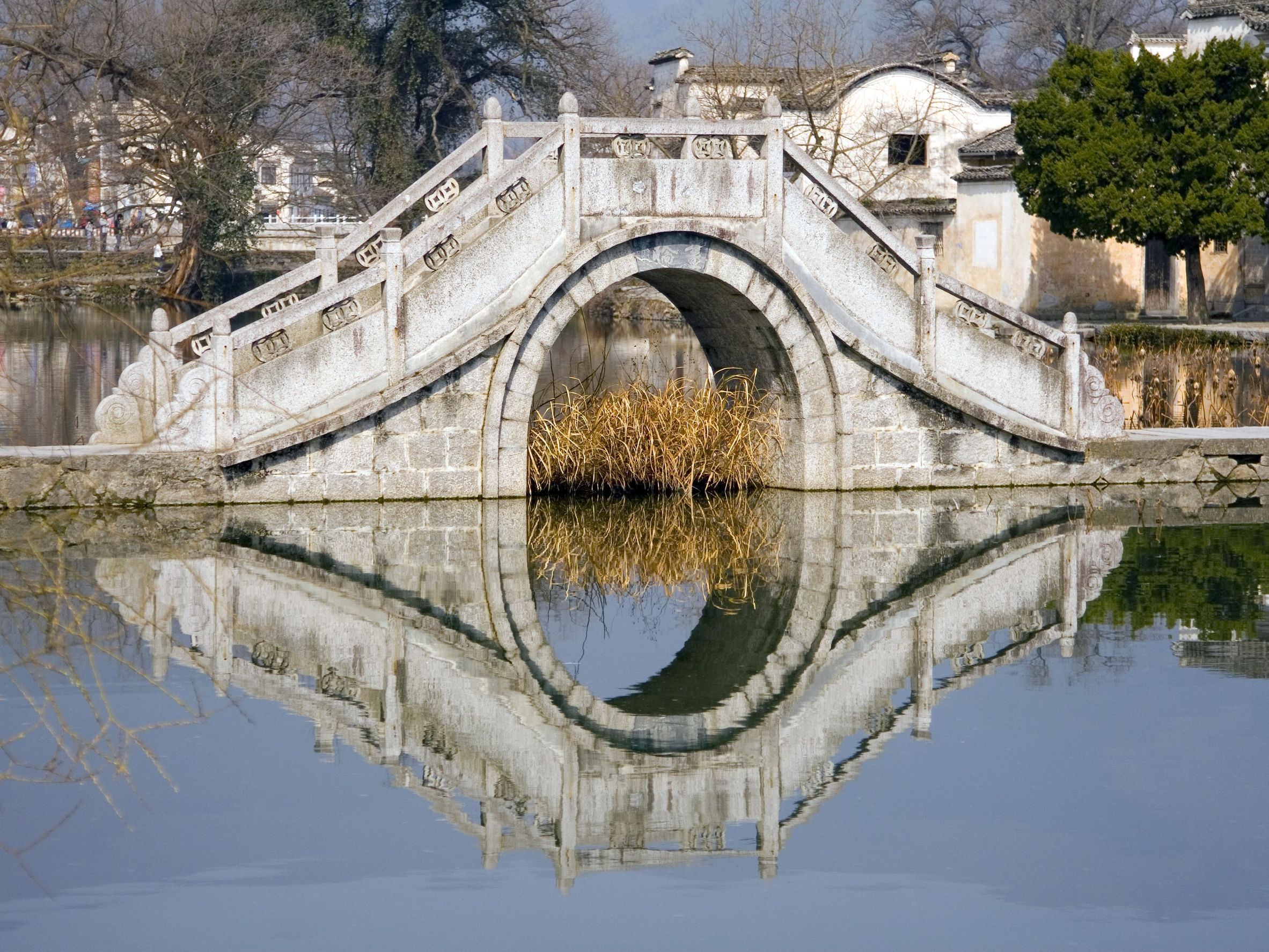
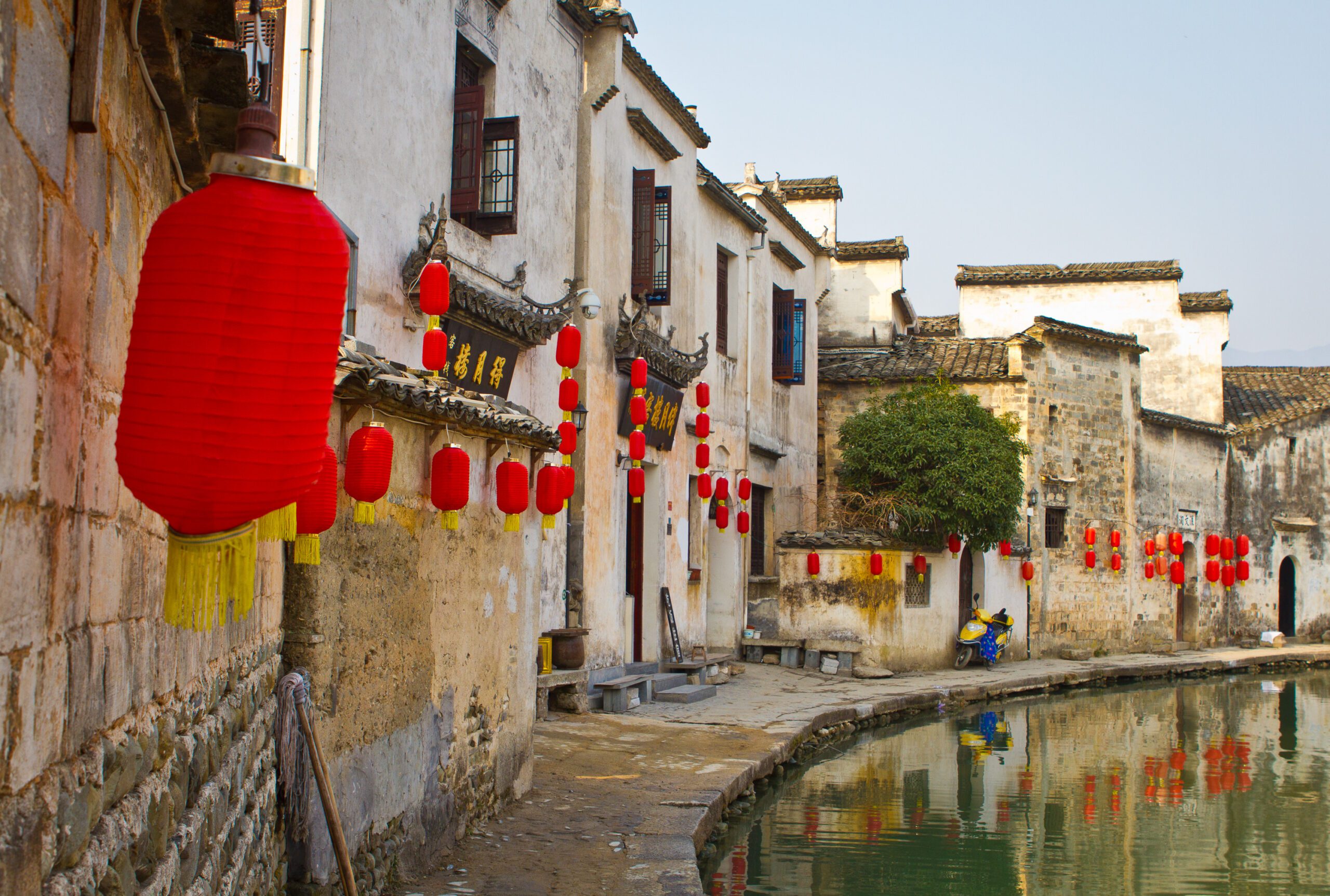
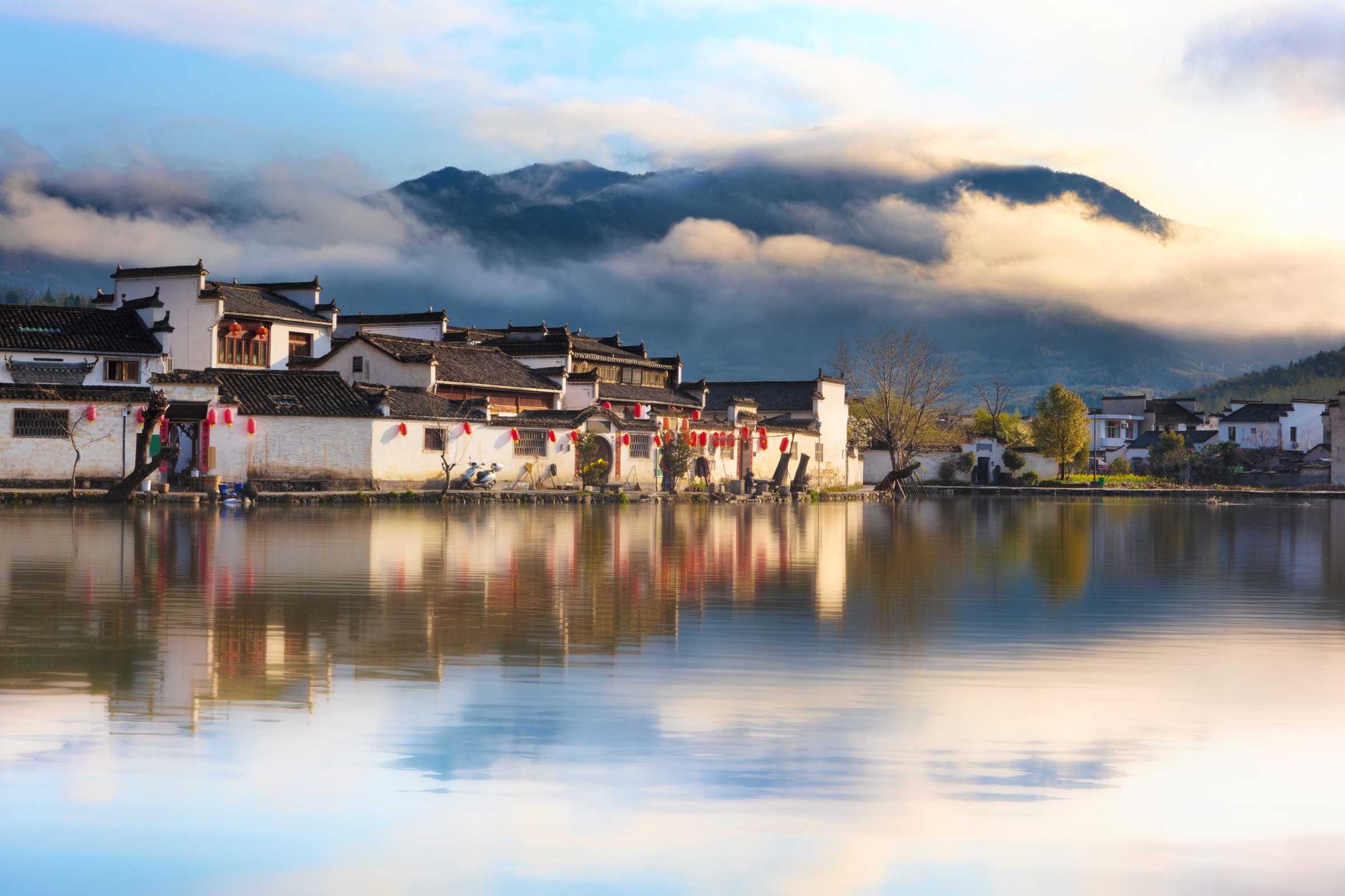
In the afternoon, continue to Xidi and Hongcun, both ‘Ancient Villages in Southern Anhui’ UNESCO World Heritage Sites, built largely with fortunes the Huizhou merchants sent home. Encircled by green hills, Xidi preserves more than one hundred Ming and Qing dwellings, many with finely carved gables, lintels and screens.
In Hongcun, villagers diverted mountain streams through small canals into their courtyards, and the village layout is said to follow the shape of an ox, in keeping with feng shui principles.
Overnight for two nights at Zhang’s House, a boutique inn in a historic residence in the heart of Hongcun, so you can experience the village after the day visitors have gone. (B/L/D)
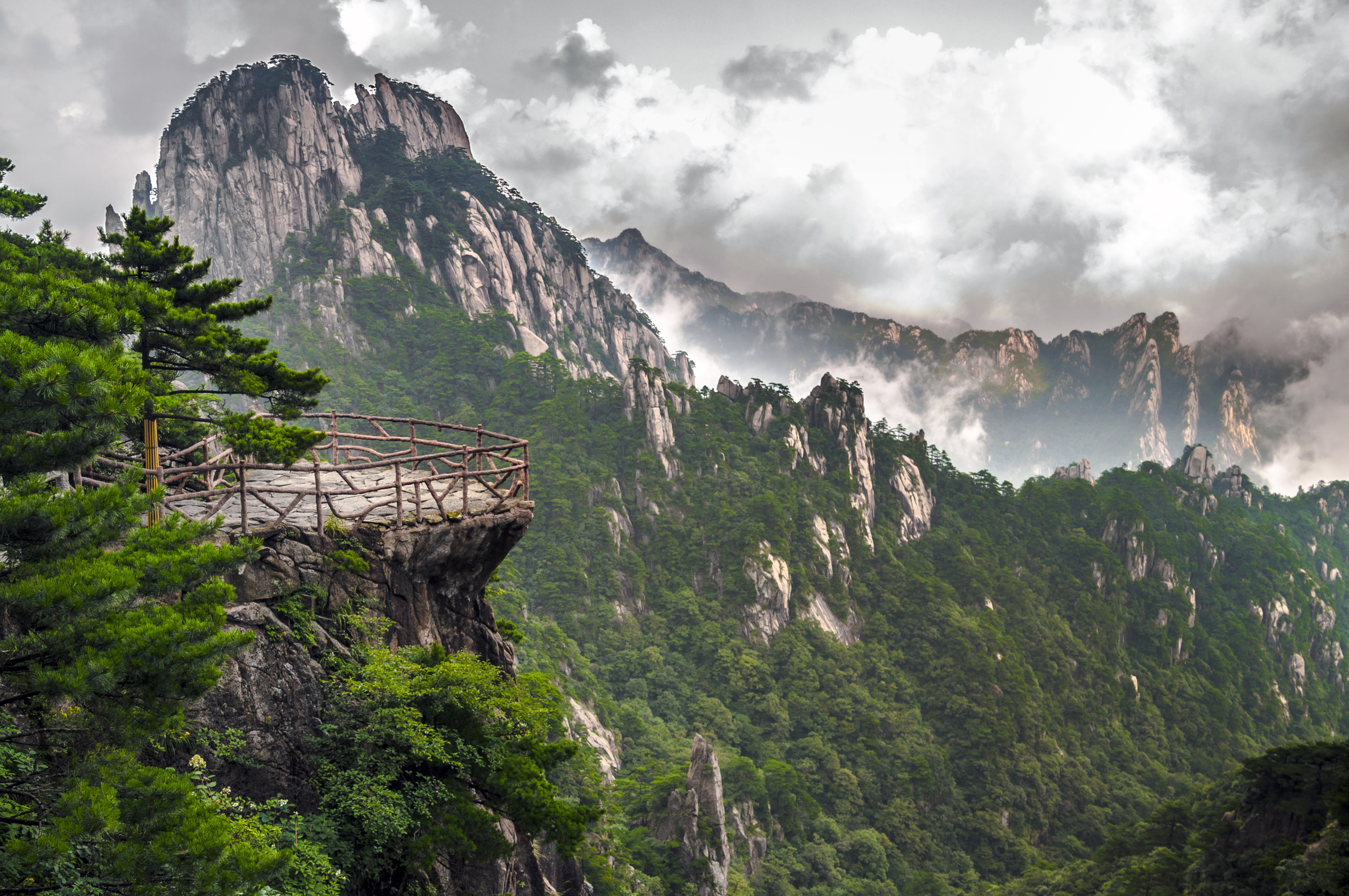
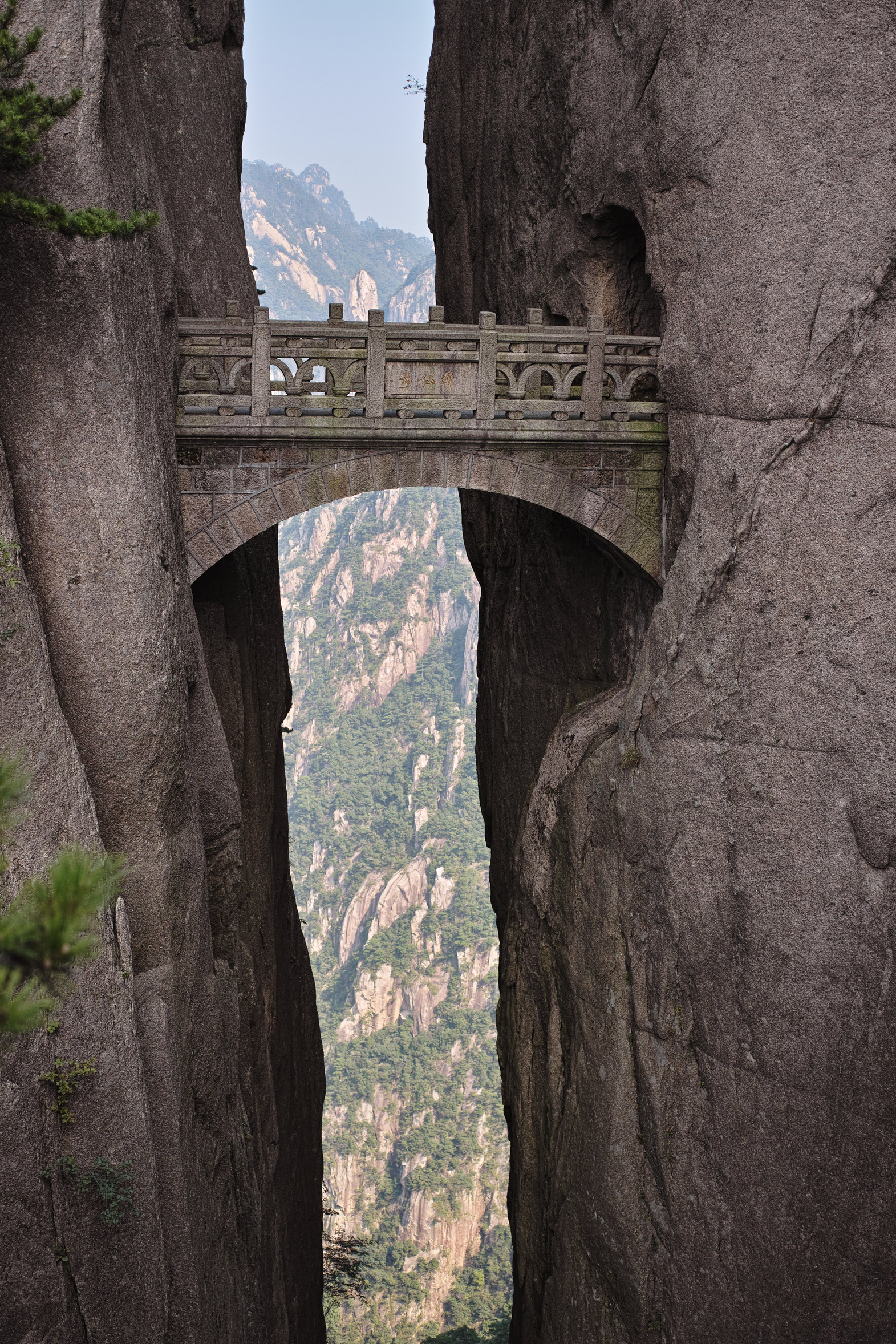
Huangshan, the Yellow Mountain, is a UNESCO World Heritage Site celebrated for granite peaks, wind-sculpted pines and the ‘sea of clouds’ that has drawn Chinese painters and poets since the Tang dynasty. Ride the cable car toward the summit, walk some of the trails between viewpoints, and pause for lunch before returning to Hongcun for a second evening in the village. (B/L/D)
An early morning high-speed train carries us southeast to Xiamen, with a box lunch on board. Formerly known as Amoy, Xiamen was one of the five treaty ports opened by the Treaty of Nanking in 1842 and the home port of the Hokkien merchants and emigrants who settled across Southeast Asia, from Manila to Singapore and Penang. Cross by ferry to Kulangsu (Gulangyu), inscribed as a UNESCO World Heritage Site in 2017. From 1903 this tiny car-free island was home to foreign consulates, churches and the villas of Europeans, Japanese and returning overseas Chinese. Visit Shuzhuang Garden, laid out in 1913 by a Taiwanese merchant family, and wander the island’s lanes.
Overnight for two nights at the Lujiang Hotel, overlooking the harbor and Kulangsu. (B/L/D)
Spend the day in Quanzhou, the port medieval Arab and European travelers knew as Zaytun. During the Song and Yuan dynasties it was among the busiest harbors in the world, as described by both Marco Polo and Ibn Battuta, and in 2021 it was inscribed as the UNESCO World Heritage Site. The Quanzhou Maritime Museum paints a vivid portrait of centuries of overseas trade. Built between 1053 and 1059, the granite Luoyang Bridge is China’s oldest stone-beam sea bridge, its boat-shaped piers anchored by beds of oysters cultivated to bind the foundations. Qingjing Mosque, established in 1009, is one of the oldest mosques in China and blends Islamic and Chinese architecture. Kaiyuan Temple, founded in the Tang dynasty and the largest in Fujian, is crowned by twin stone pagodas; behind its main hall stand columns carved for a Hindu temple to Shiva built in the 13th century by Quanzhou’s Tamil merchant community, and its grounds shelter the hull of a Song-dynasty ocean-going ship excavated from Quanzhou Bay in 1974.
Return to Xiamen in the late afternoon with dinner on our own. (B/L)
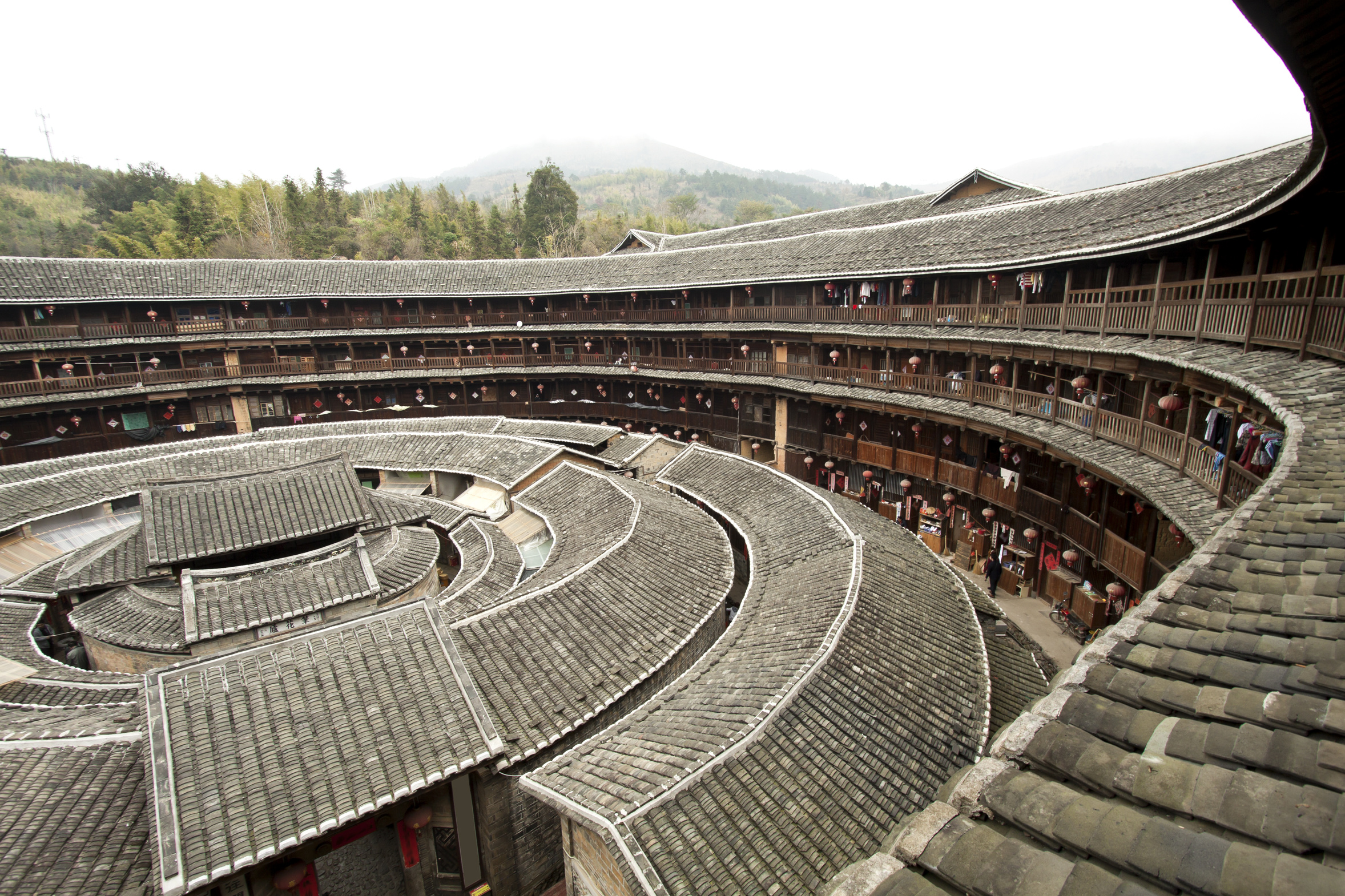
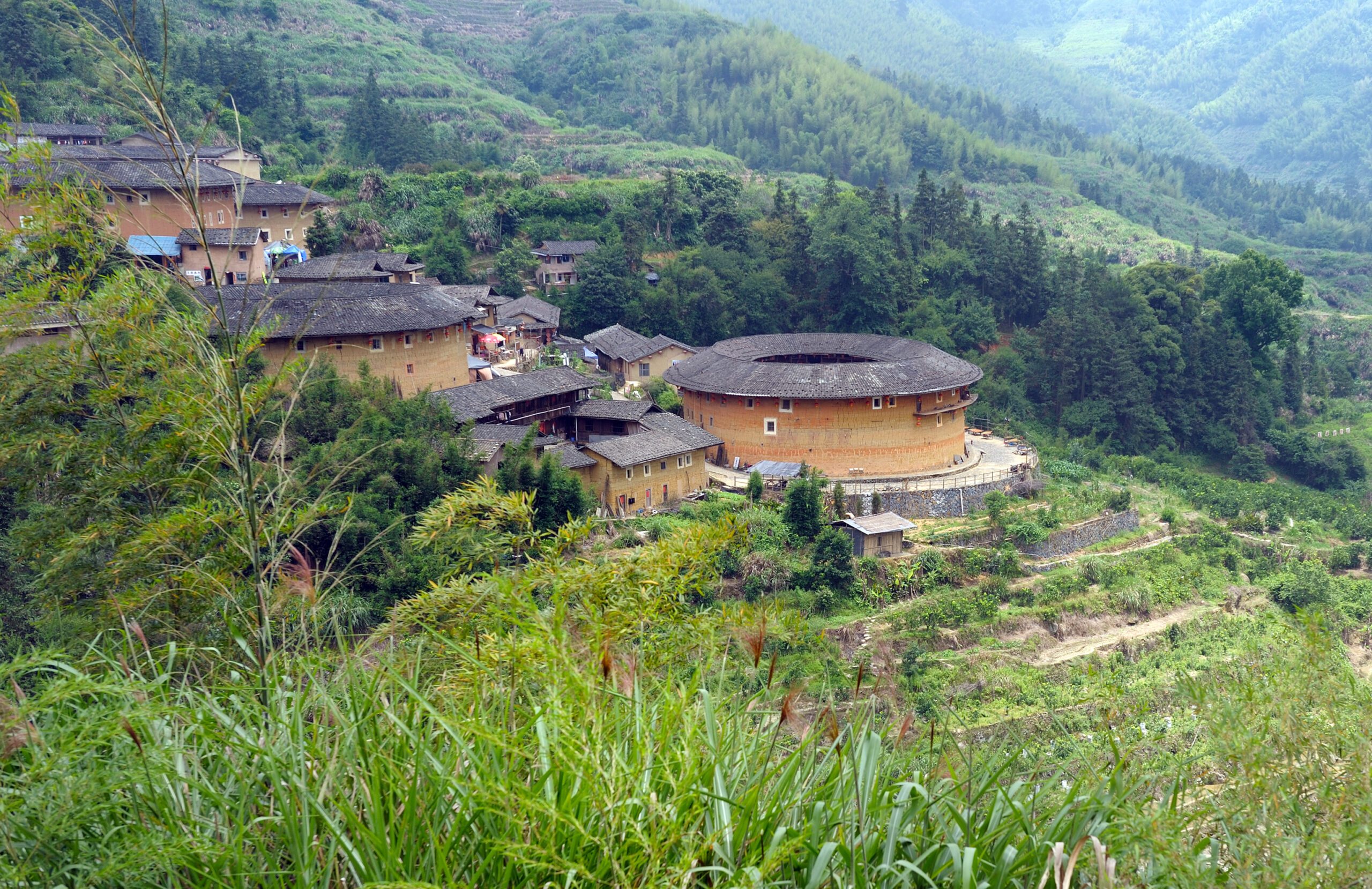
Leave the coast for the mountains of Nanjing County in southwestern Fujian, home to the Fujian Tulou, a UNESCO World Heritage Site. Built between the 15th and 20th centuries by Hakka and other clans, these massive round and square rammed-earth buildings rise three to five stories around open courtyards; a single tulou could house an entire lineage of several hundred people behind walls designed to repel bandits.
Overnight at Guesthouse 1949, a simple 3-star inn among the tulou, with a private toilet and shower in each room. (B/L/D)
Return to Xiamen for a midday flight to Guangzhou, the city Western traders called Canton. Founded in 214 BC on the Pearl River, it has been a gateway for international trade for more than two thousand years, and from 1757 to 1842, under the Canton System, it was the only Chinese port open to Western merchants. Foreign ships anchored downriver at Huangpu (Whampoa), where tea, silk and porcelain went out and silver (and later opium) came in, a trade that led to the Opium Wars and the forced opening of China’s ports. Walk through the Huangpu Ancient Port and its village of ancestral halls, then visit the Whampoa Military Academy, founded by Sun Yat-sen in 1924, where Chiang Kai-shek served as commandant and Zhou Enlai headed the political department.
Overnight for two nights at the voco Guangzhou Shifu. (B/L/D)
A full-day excursion takes us about two and a half hours west to Kaiping, a UNESCO World Heritage Site where more than 1,800 multi-storied towers, or diaolou, rise above the rice fields. The earliest were built during the Ming dynasty as refuges from bandit raids, but most date to the 1920s and 1930s, when families of Kaiping men working in North America, Australia and Southeast Asia sent money home. The result is a vivid record of the emigrant experience and a striking fusion of Chinese and Western forms.
Return to Guangzhou in the late afternoon and walk along Beijing Road, where glass panels in the pavement reveal layers of the city’s roadways dating back more than a thousand years.
Dinner is on our own this evening. (B/L)
A morning train carries us to Hong Kong. After lunch, ride the Peak Tram, in service since 1888, to Victoria Peak for sweeping views over Victoria Harbour, then join local commuters on the Central–Mid-Levels escalator, opened in 1993 and the longest outdoor covered escalator system in the world. Along the way, visit Tai Kwun, the former Central Police Station compound, restored and reopened as a center for heritage and the arts.
Overnight for two nights at the Hotel Indigo Hong Kong Island. Dinner is on our own this evening. (B/L)
Travel by ferry across the Pearl River Delta to Macau, a Portuguese settlement from the mid-16th century until its return to China in 1999. Our walking tour of the Historic Centre of Macao, a UNESCO World Heritage Site, reveals a city where Portuguese and Chinese streetscapes, churches and temples stand side by side. For centuries Macau was the gateway for foreign traders and missionaries to China. Only the carved stone façade survives of St. Paul’s Church, completed in the early 17th century and destroyed by fire in 1835. Beside it stood the Jesuit College of St. Paul, the first Western-style university in the Far East, where missionaries studied Chinese before serving at the imperial court in Beijing as astronomers and mathematicians. Learn more at the Macao Museum, set within the 17th-century Monte Fort built by the Jesuits beside the Ruins of St. Paul’s.
Return to Hong Kong this evening for our Farewell Dinner. (B/L/D)
Transfer to Hong Kong International Airport for your flight home. (B)