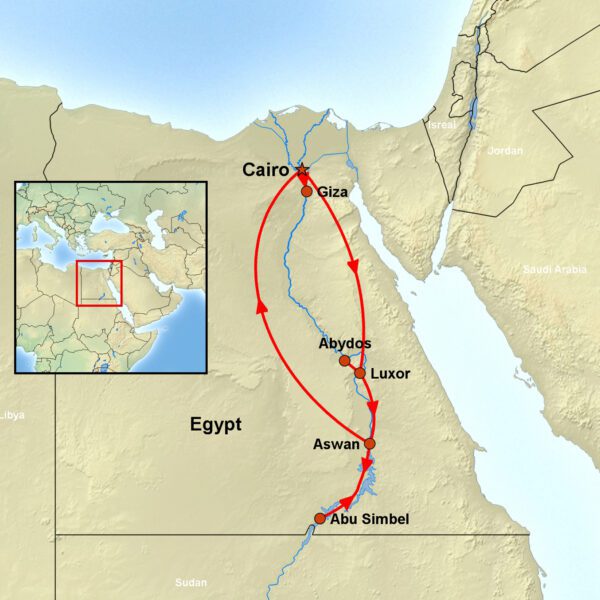


Embark on an unforgettable journey through the heart of ancient Egypt, a civilization that blossomed along the fertile banks of the Nile for over 3,000 years. Our Egypt tour starts in Cairo and leads you to Luxor, Aswan, and the majestic Abu Simbel, offering exclusive access to some of Egypt’s most renowned temples and tombs.
Far Horizons offers a remarkable 15-day archaeological tour of Egypt, filled with unique experiences and insights. Gain exclusive entry into the Queen’s Chamber of the Great Pyramid and Draa Abu Naga Excavations in Luxor, and enjoy a special evening hosted by the Director of the Chicago House, a prominent center for Egyptian studies, complete with cocktails and a tour of their extensive library.
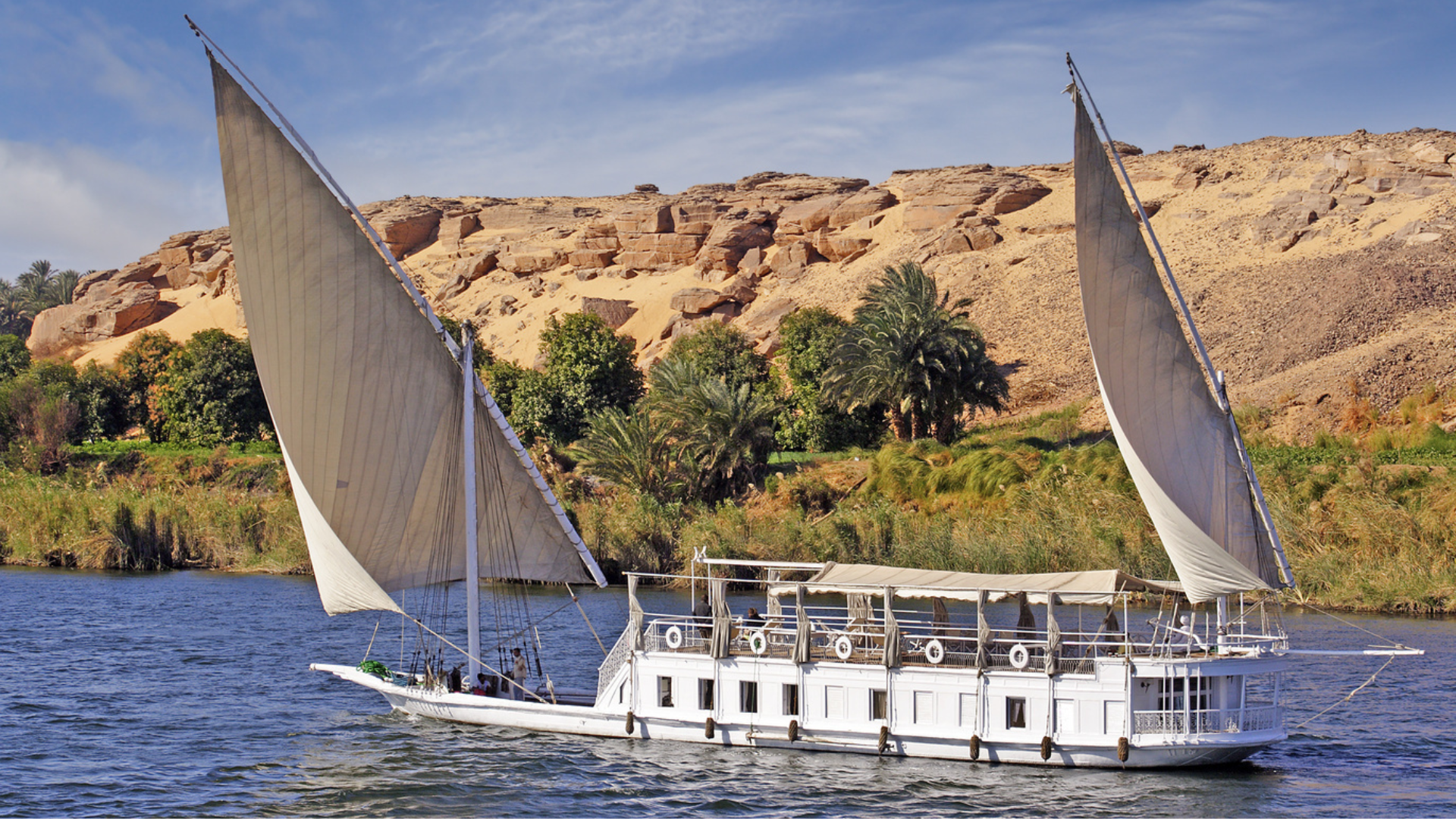
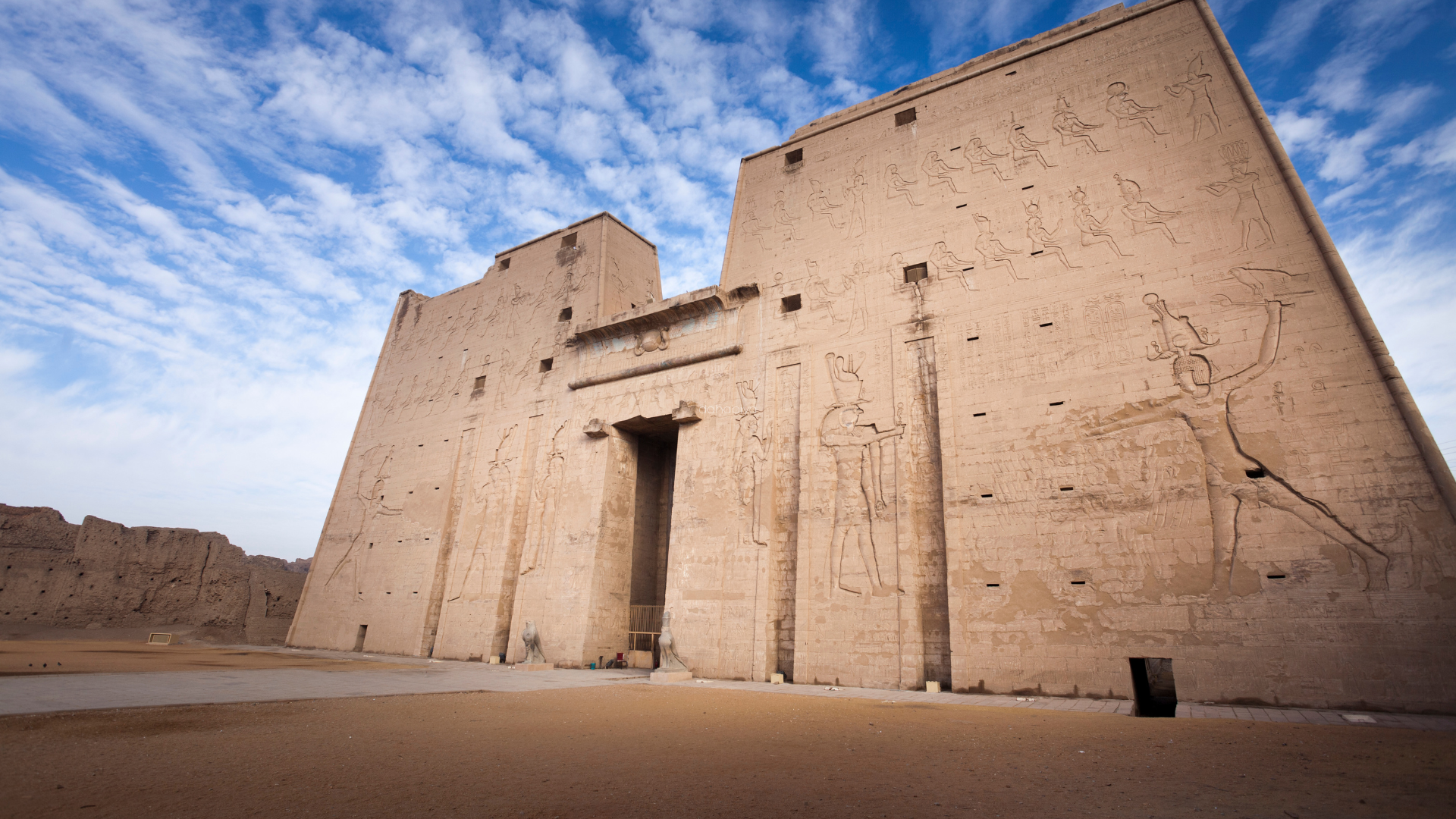
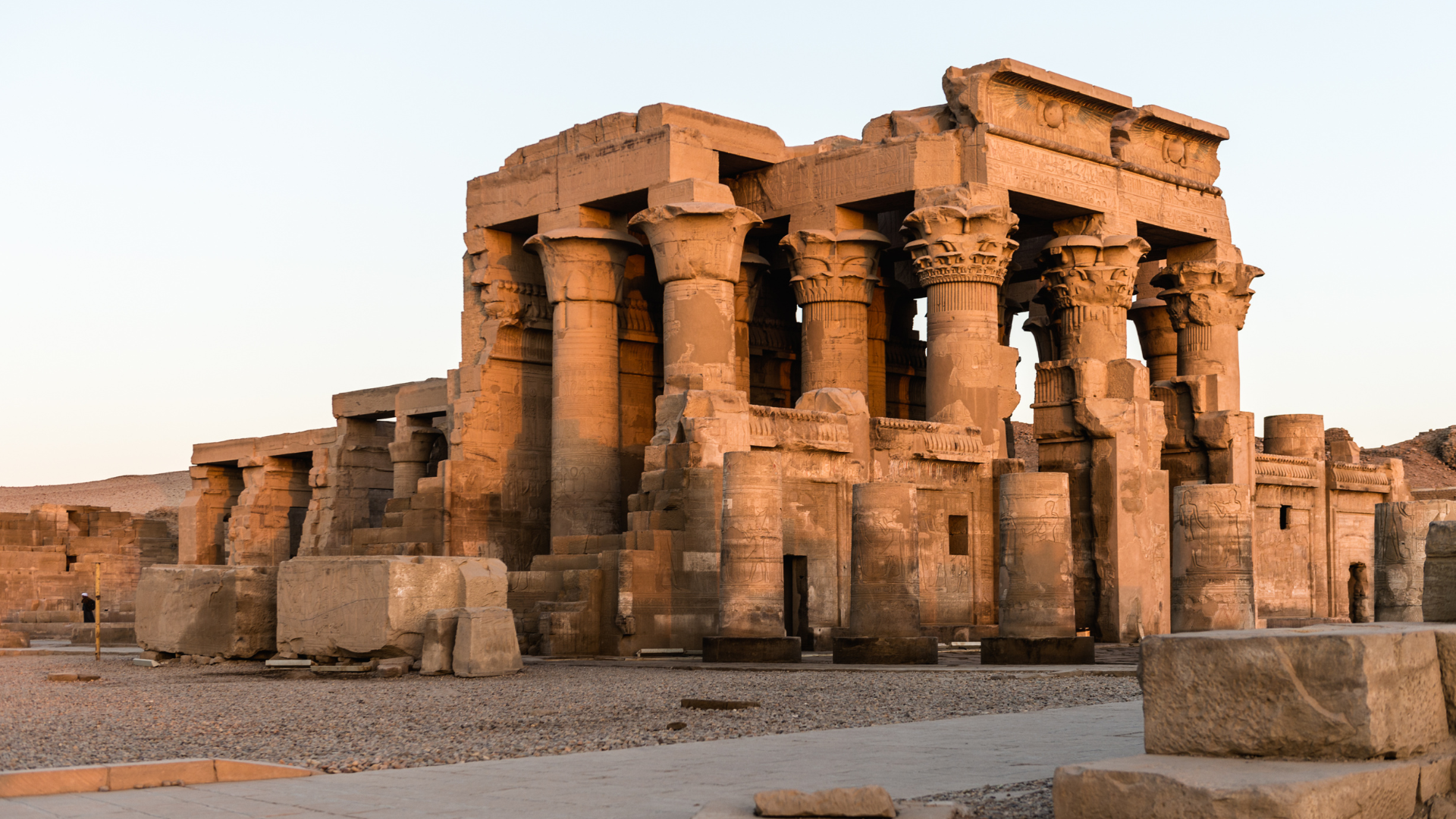
As we traverse the paths from Cairo to Aswan to Luxor, we’ll follow in the footsteps of pharaohs and immerse ourselves in the grandeur of these ancient monuments, standing as timeless testaments to a bygone era. Upon arrival to Aswan, we will board a dahabiya, a beautifully crafted private wooden yacht, for a cruise along the Nile River, and dock at our leisure to examine several remarkable sanctuaries: the Temple of Horus, the falcon-headed god, Edfu, and the Temple of Kom Ombo, dedicated to the crocodile god Sobek.
Our Egypt cultural tour provides a behind-the-scenes glimpse into the rich tapestry of the country’s past, a privilege seldom experienced by ordinary tourists. Join us for an extraordinary exploration into the heart of Egypt’s illustrious history!
Upon arrival, transfer to the 5-star Marriott Mena House Hotel, located on the Giza Plateau with stunning views of the pyramids, and our home for the next three nights.
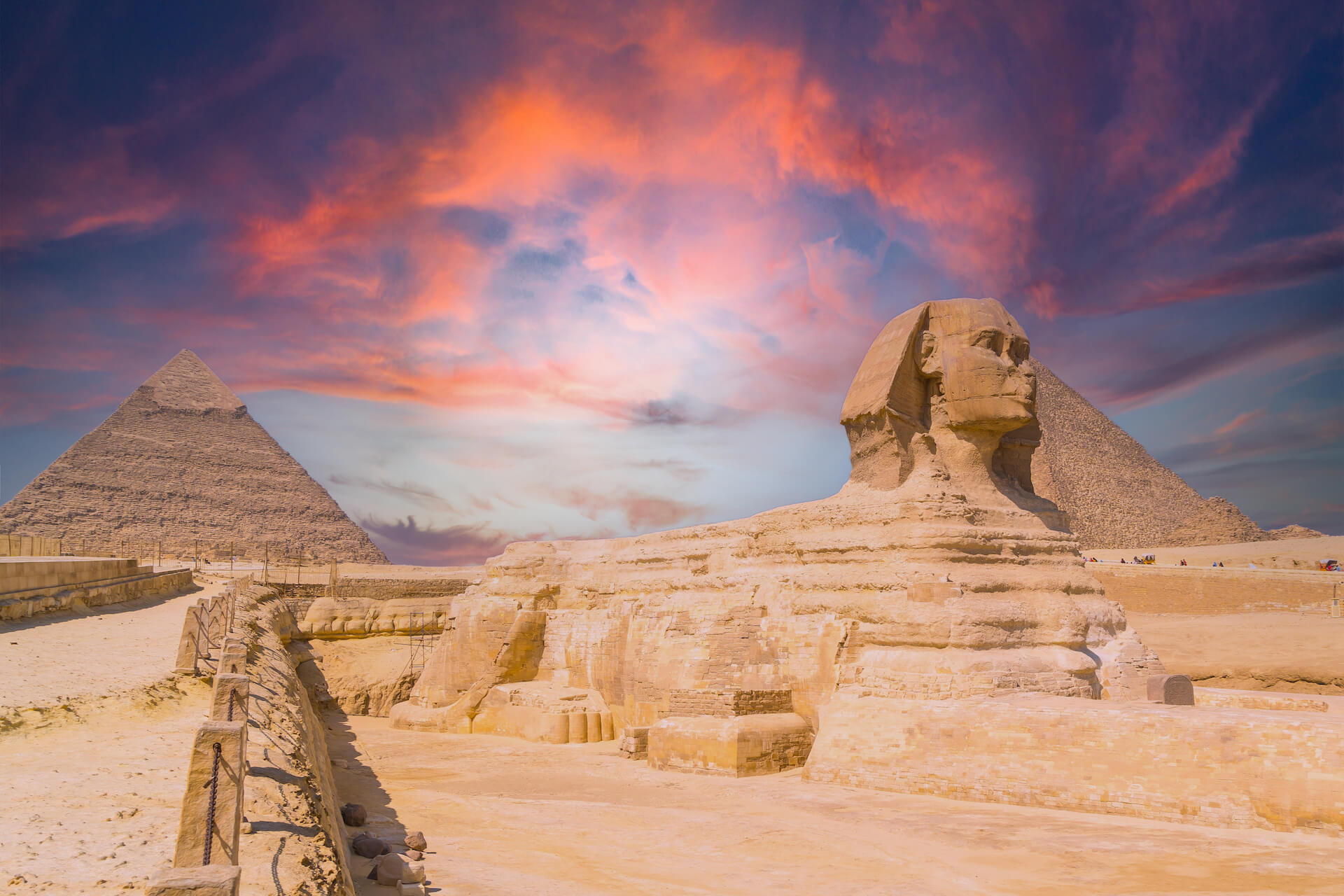
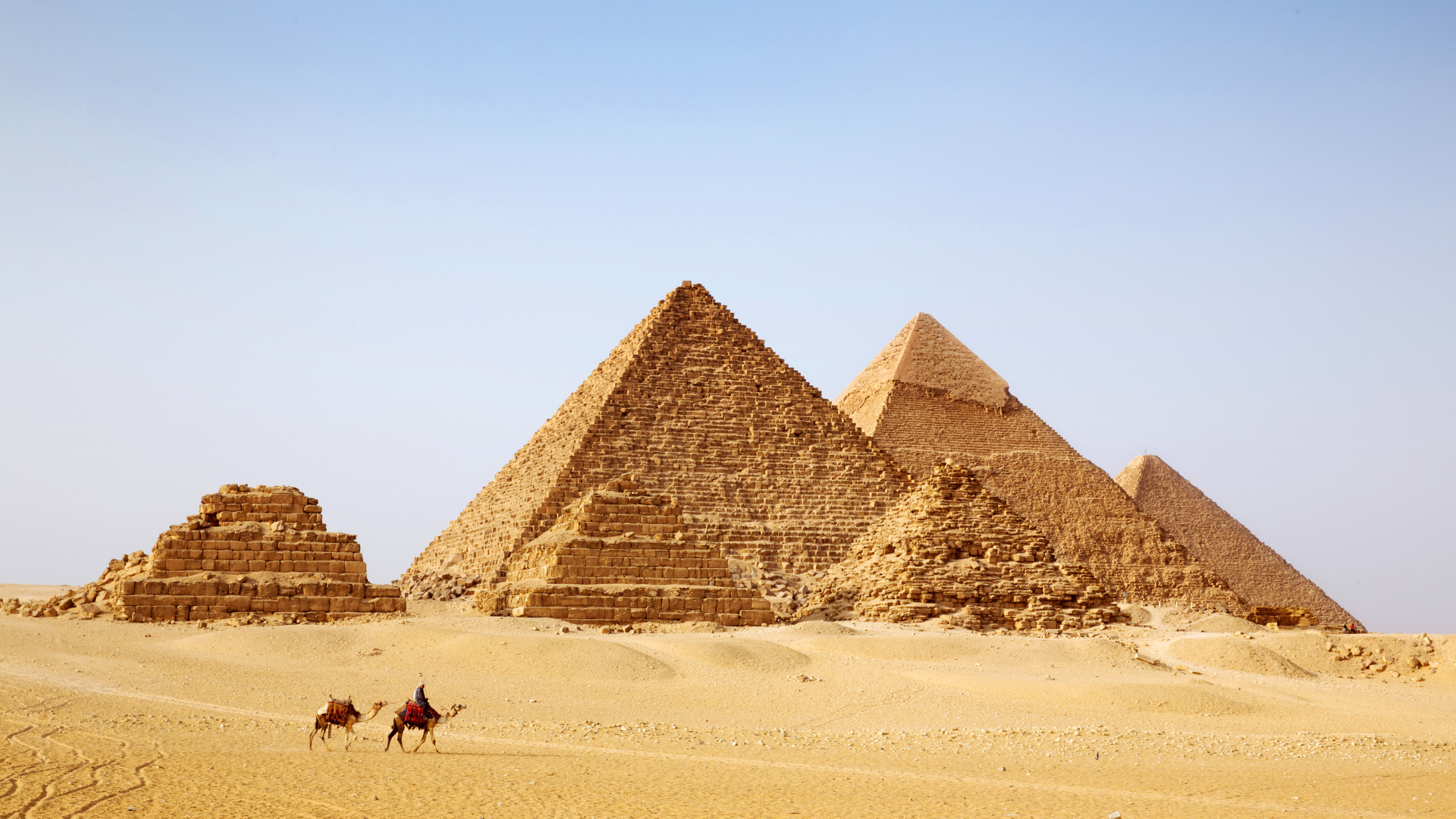
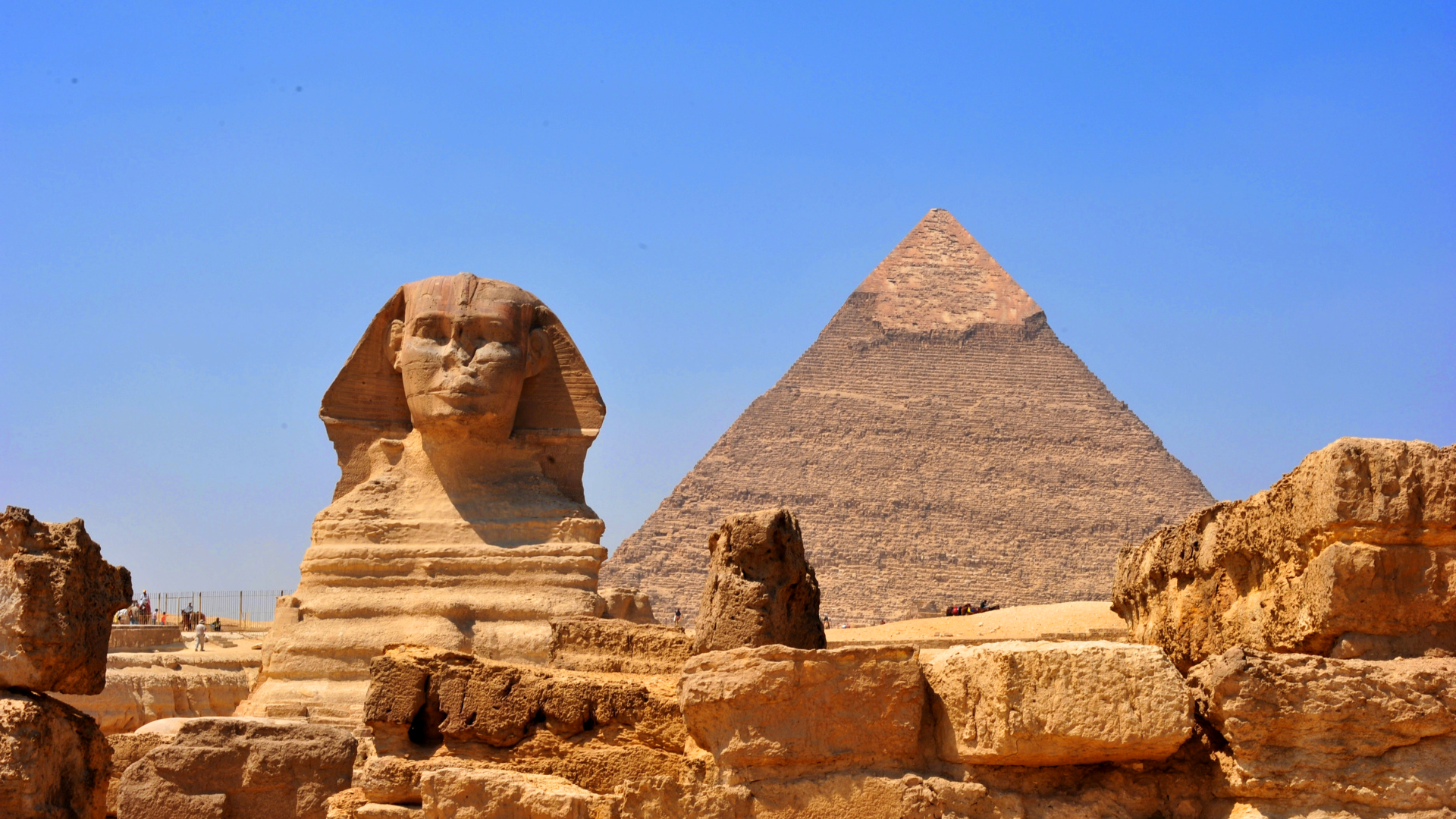
Begin our archaeological tour with the Pyramids at the Giza Plateau, with private entry into the Great Pyramid. The pyramid complex was the necropolis for the Old Kingdom royal families and is dominated by the three magnificent pyramids. The Great Pyramid was built for Khufu (Cheops) in 2528 BC. His son Khafre (Chephren) created the second pyramid, the Great Sphinx, and the valley temple next to it. The third and smallest of the pyramids was built for Khafre’s son Menkaure (Mycerinus) and was once covered with costly pink Aswan granite.
Gather this evening for our welcome dinner party. (B/L/D)
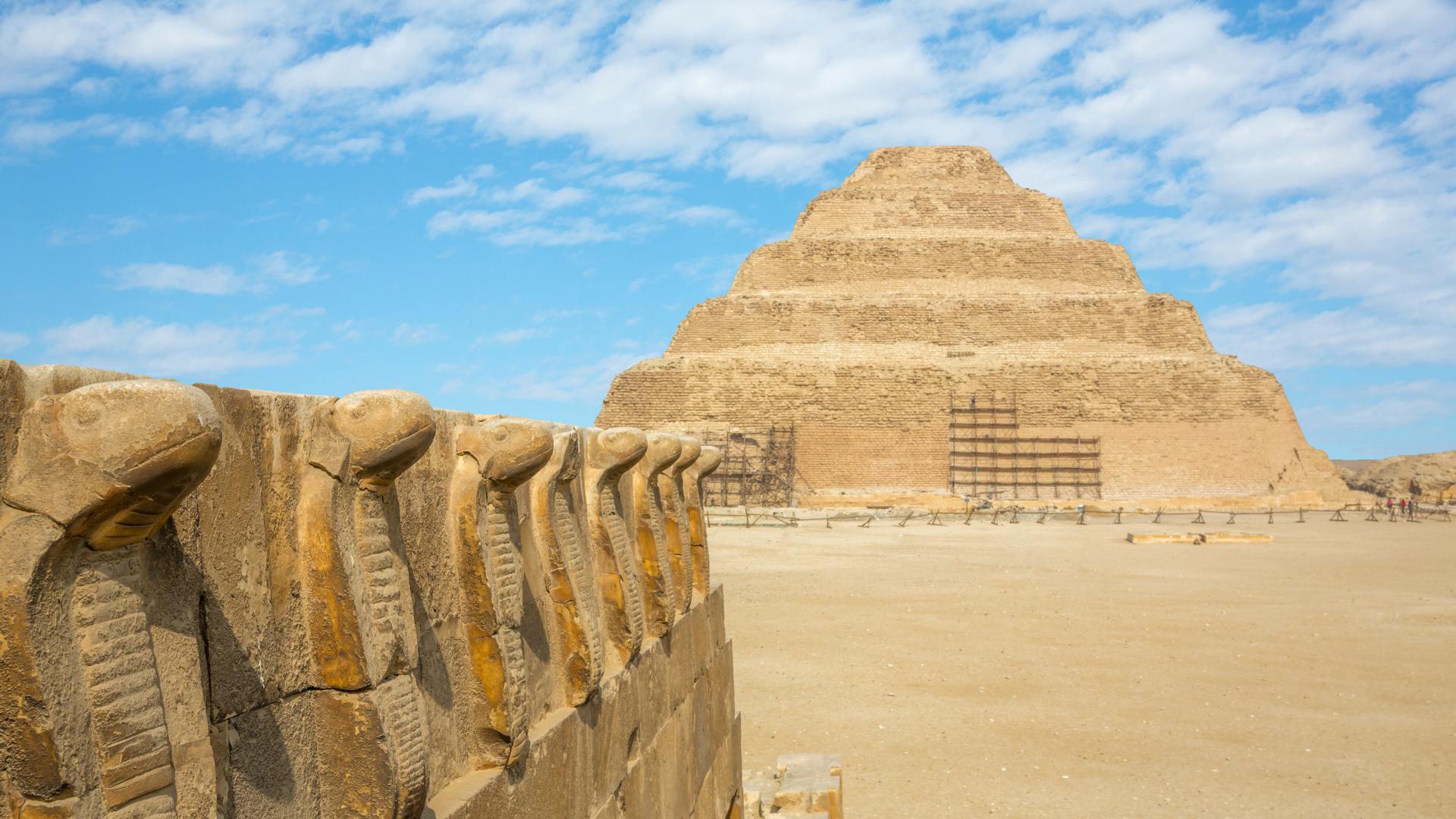
Spend today at Saqqara, the site of the famous Step Pyramid of Djoser, the forerunner of the great Giza pyramids, and the location of many recent archaeological discoveries. Here we will visit the brilliantly painted mastaba tombs of Mereruka, Ptahhotep, and Ti, portraying lively daily life scenes, and then descend into the pyramid of Unas, whose interior walls record one of the world’s first religious texts.
Dinner is on our own this evening. (B/L)
Today will be spent at the newly-opened Grand Egyptian Museum (GEM), the largest archaeological museum in the world, housing 50,000 artifacts from ancient Egypt, including the first exhibition of the full tomb collection of King Tutankhamun. Many items on display have been relocated from the Egyptian Museum in Cairo, the Solar Boat Museum, and from storage depots and museums in Luxor, Minya, Sohag, Assiut, Beni Suef, Fayoum, the Delta, and Alexandria.
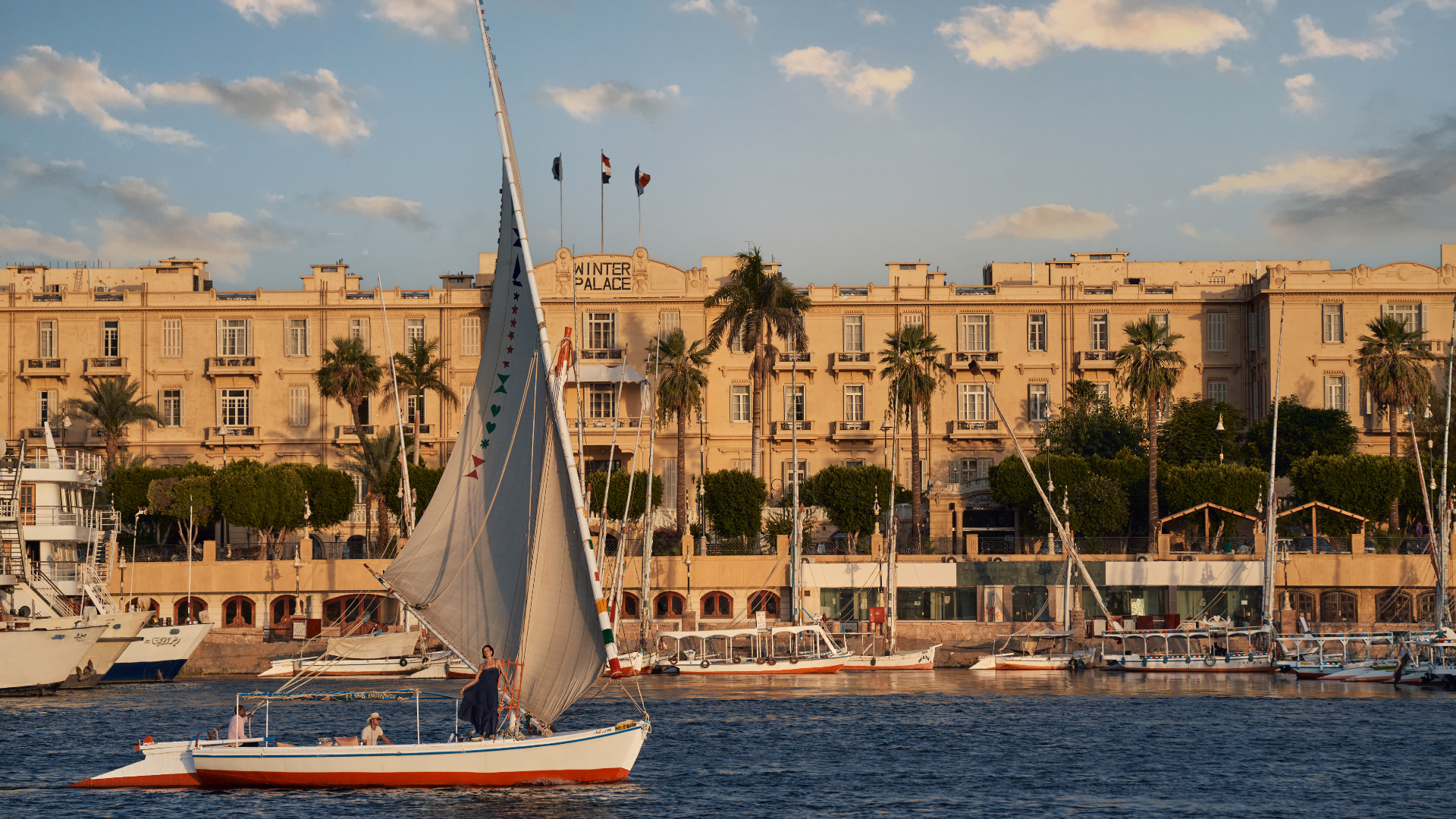
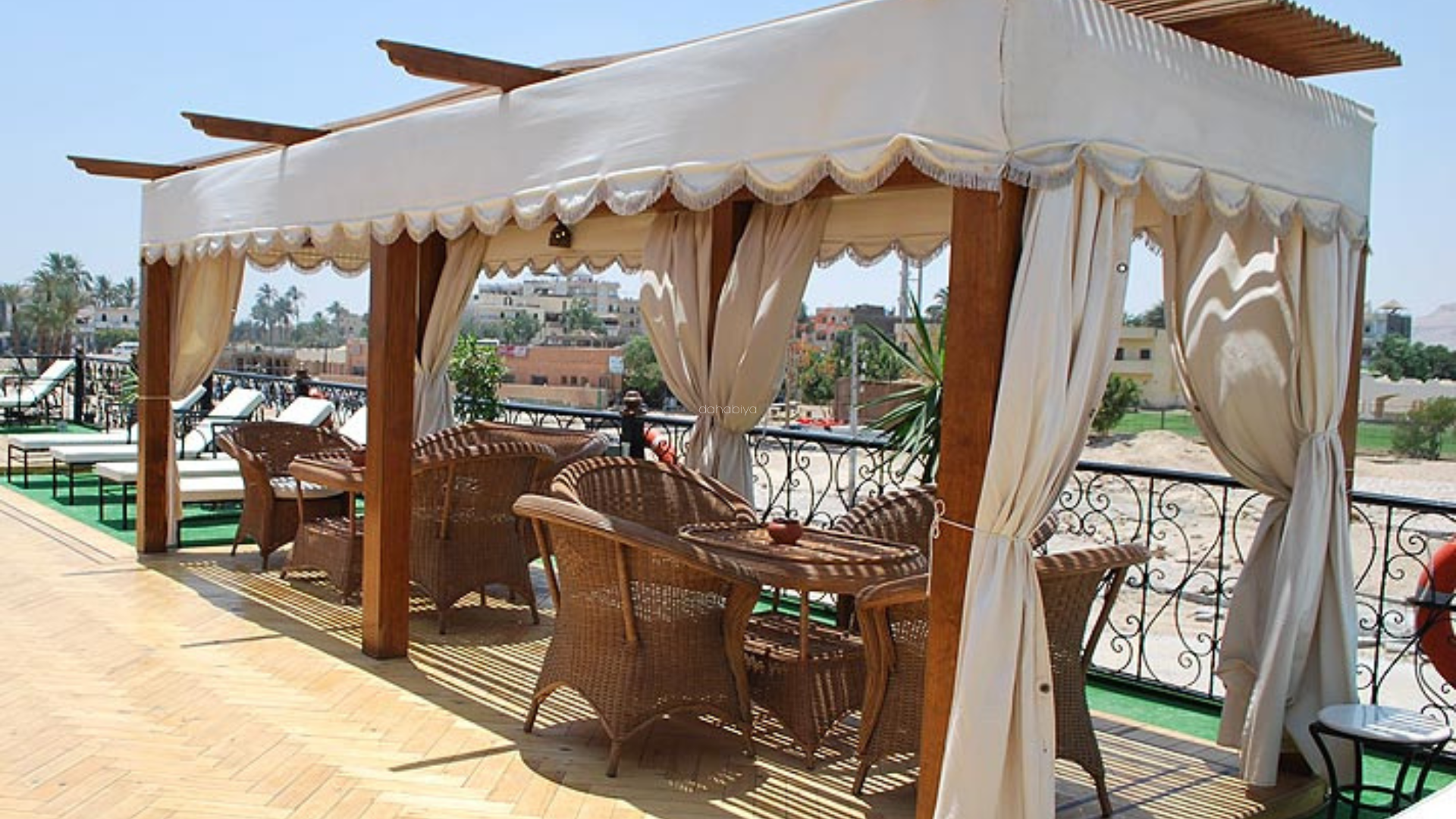
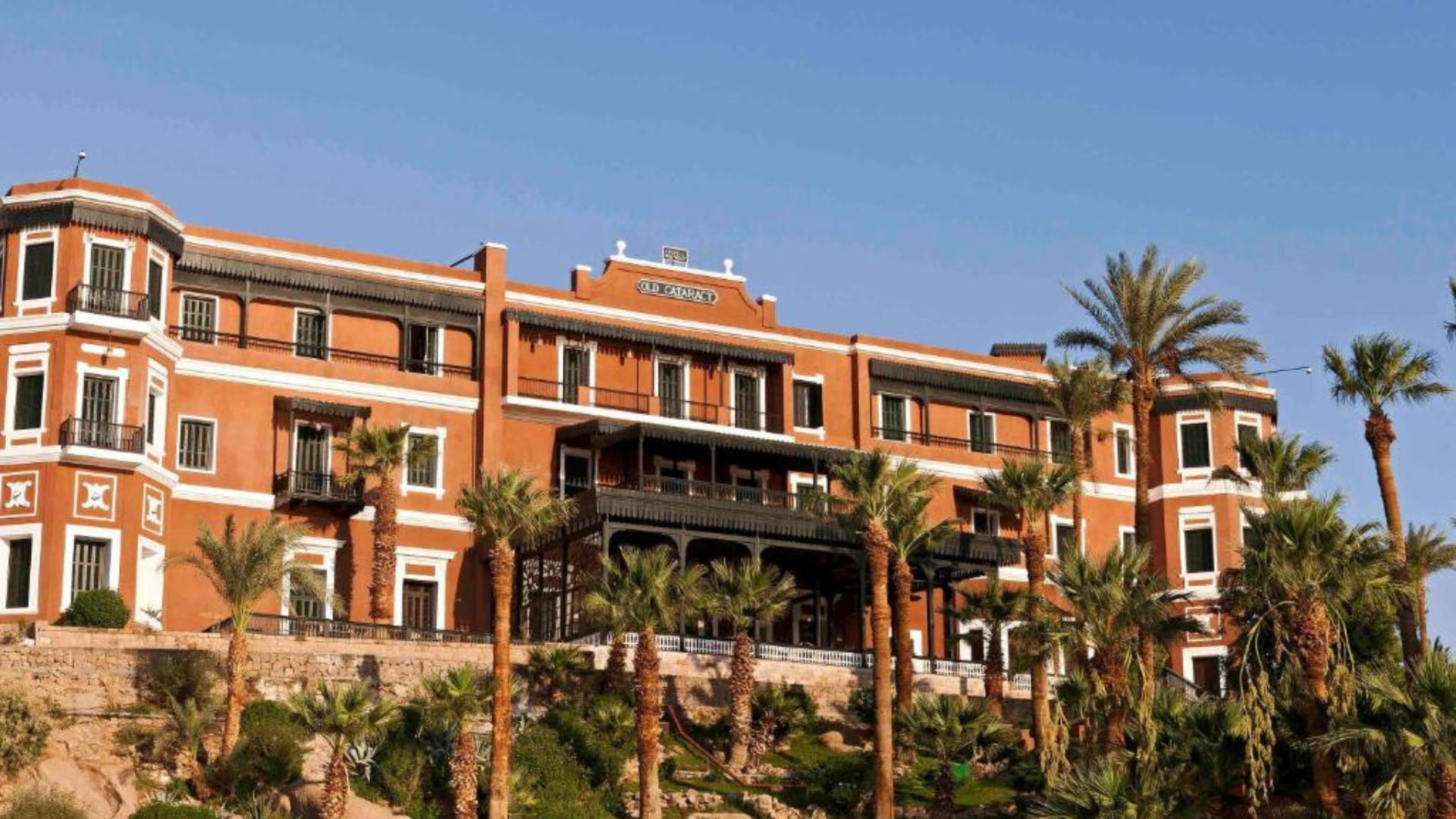
In the late afternoon, we fly to Aswan where we board our privately chartered dahabiya, or wooden yacht, based on designs of sailing vessels that have traversed the Nile River for centuries. Our luxurious vessel contains air-conditioned cabins, and dining and living areas, along an outdoor deck. We will be lulled to sleep this evening to the sound of the waters of the Nile lapping at the hull and perhaps awaken to the song of the Nile Valley Sunbird with its shimmering blue coat or the richly-colored Little Green Bee Eater as they forage for breakfast.
We will spend five nights onboard our yacht and all our meals will be served onboard. (B/L/D)
This morning, we drive to the 364-foot-high Aswan High Dam, a great rock-fill construction designed to control irrigation and increase Egypt’s agricultural land. The granite quarries of ancient Aswan lay beside the Nile, thus providing easy access to boats for transporting this prized building stone to sites downstream. A crack in the granite stopped the cutting of what would have been an enormous obelisk, estimated at more than 130 feet high, now known as the Unfinished Obelisk.
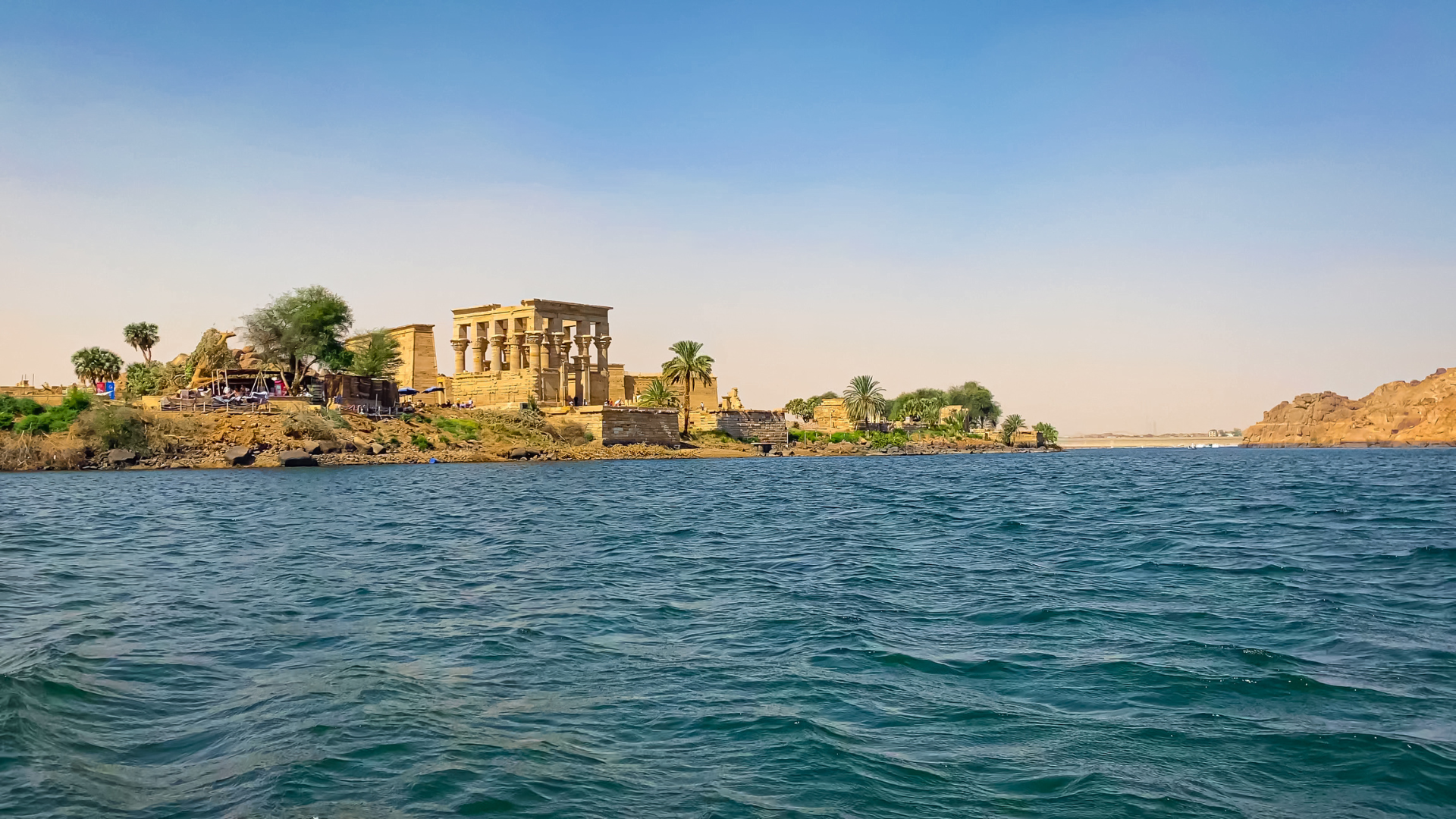
The island of Philae was the center of the cult of the goddess Isis, who was closely connected with Osiris, Horus, and the Kingship during the Ptolemaic period of Egyptian History. For over 50 years, the island and its monuments lay half-submerged in water that had risen due to the creation of the Aswan Dam until the UNESCO rescue operations completely dismantled and rebuilt the temples and moved them to the nearby island of Agilkia.
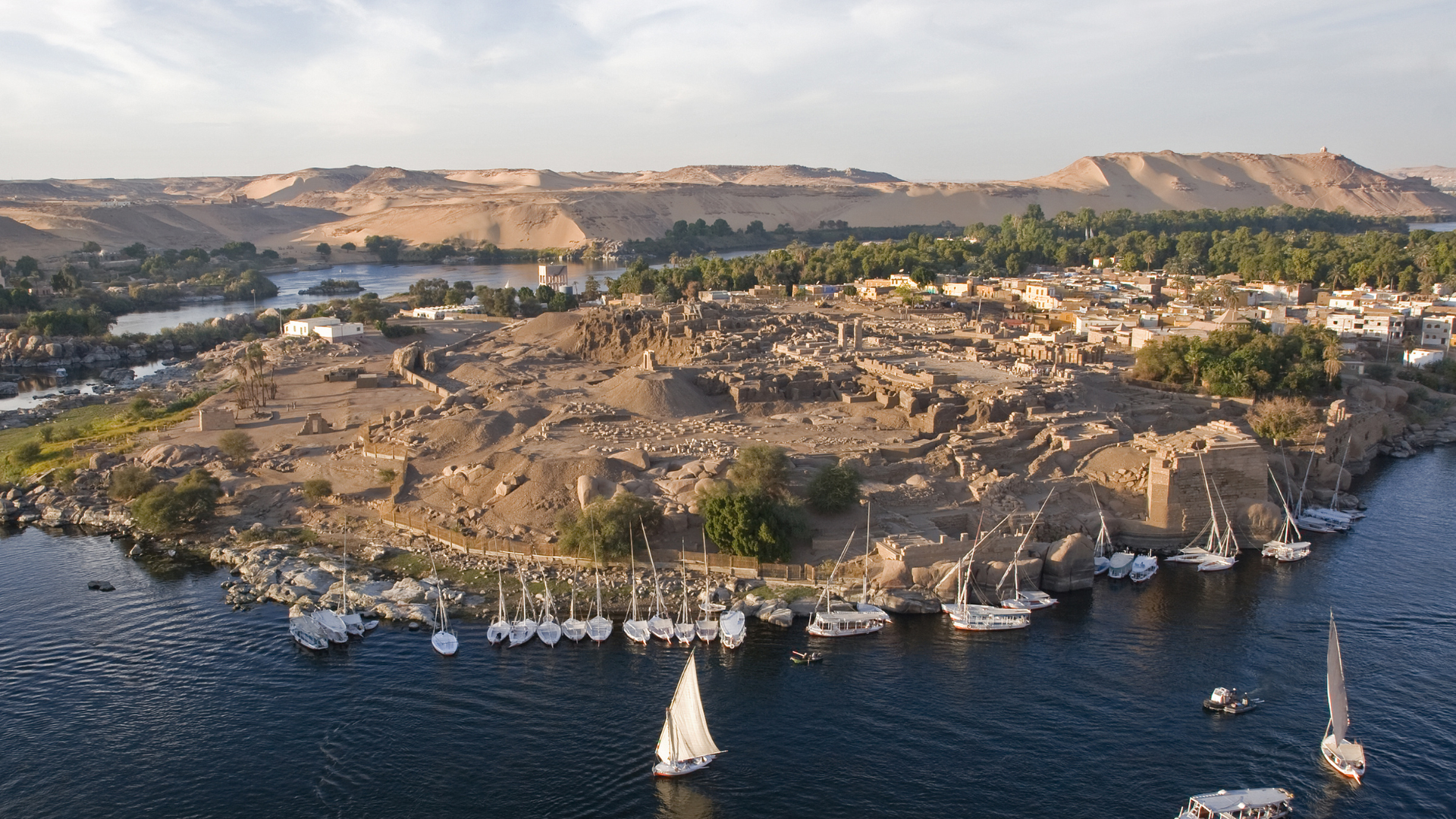
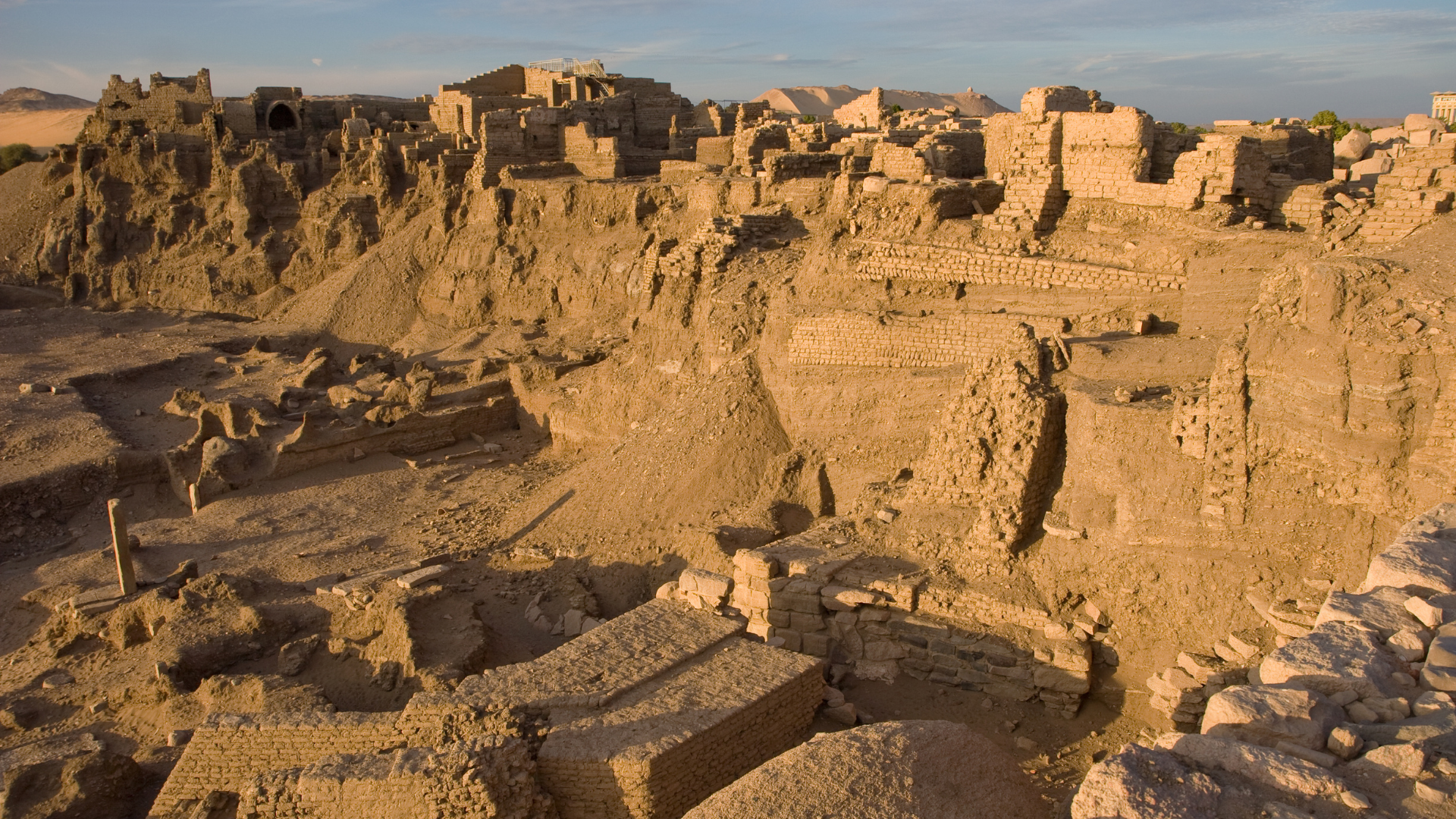
Finally, today, we visit Elephantine Island, the largest of the Aswan area islands, is the location of one of the most ancient sites in Egypt with artifacts dating to pre-dynastic periods. The island is a beautiful place to visit, with wonderful gardens and some truly noteworthy artifacts. It was considered to be home to the important Egyptian god Khnum, and while the still visible temple ruins date back to the New Kingdom, there are references to an earlier temple to this god on the island as early as the 3rd Dynasty. Here we will also visit the Temple of Satet and a Greco-Roman Necropolis. (B/L/D)
The morning is free to relax at the hotel or join the optional excursion to Abu Simbel (see below). After lunch on our own, explore the Nubian Museum, the recipient of the Aga Khan Award for its stunning architecture. This museum highlights Nubia, historically Egypt’s gateway to the rest of Africa. Today, Nubia’s lands lie under Lake Nasser, which was submerged in 1971 when the Aswan High Dam was opened. (B/L/D)
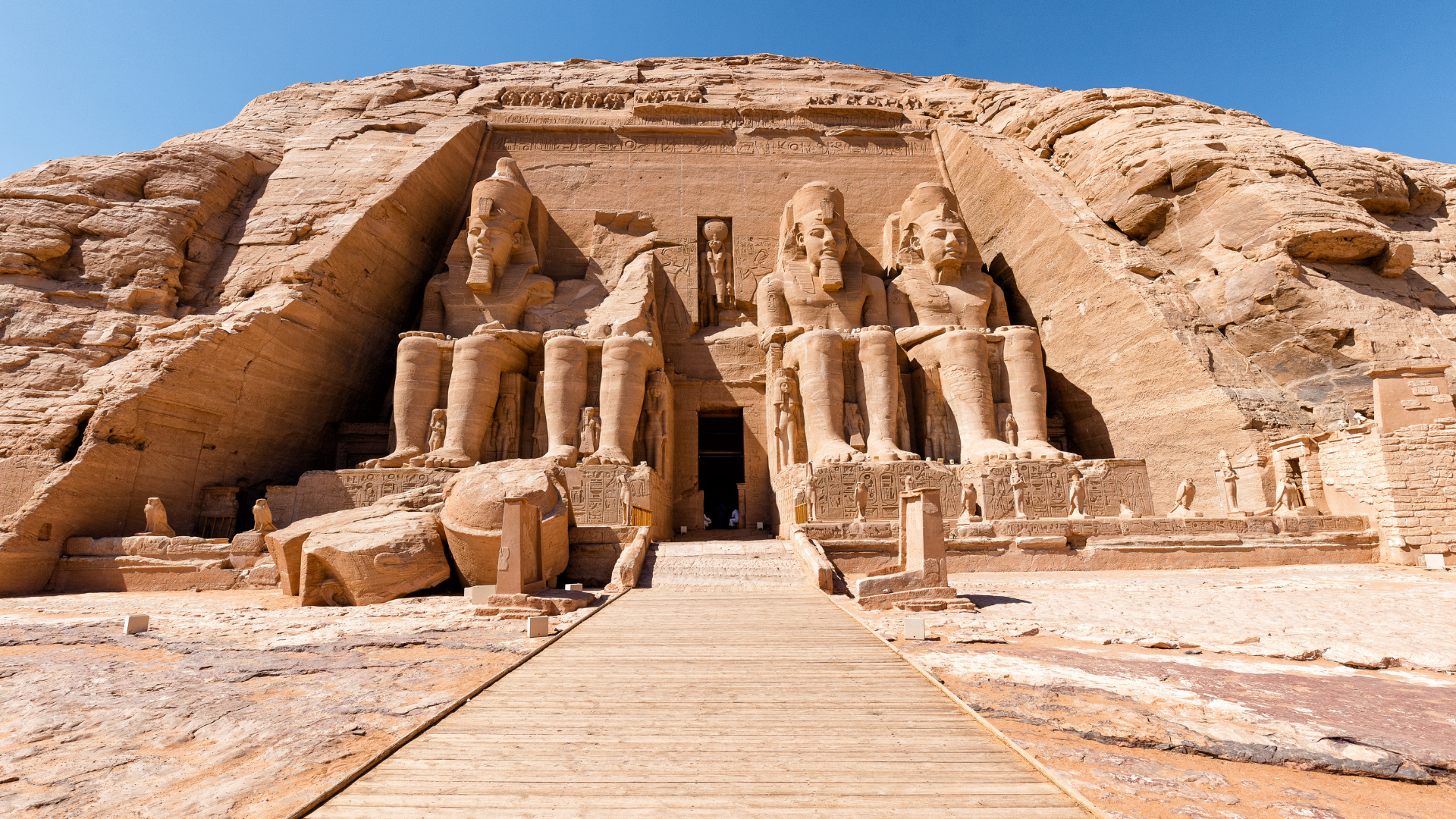
Early morning transfer to the airport for our flight to Abu Simbel. Upon arrival, continue to the two imposing and colossal rock-cut temples of Ramses II and his cherished wife Nefertari, saved in the late 1960s through a worldwide effort when UNESCO moved them to higher ground. Return to the airport in the afternoon for the flight back to Aswan.
Today we begin our sail to Luxor, stopping first at Kom Ombo to visit the Temple of Sobek. There are two temples dedicated to Sobek, the crocodile god, and Horus, the falcon-headed god. Here, you will hear about important carved texts still visible on the sanctuary walls, as well as clear depictions of ancient medical instruments. In ancient times, sacred crocodiles basked in the sun on the riverbank near here, and hundreds of mummified crocodiles were found nearby. (B/L/D)
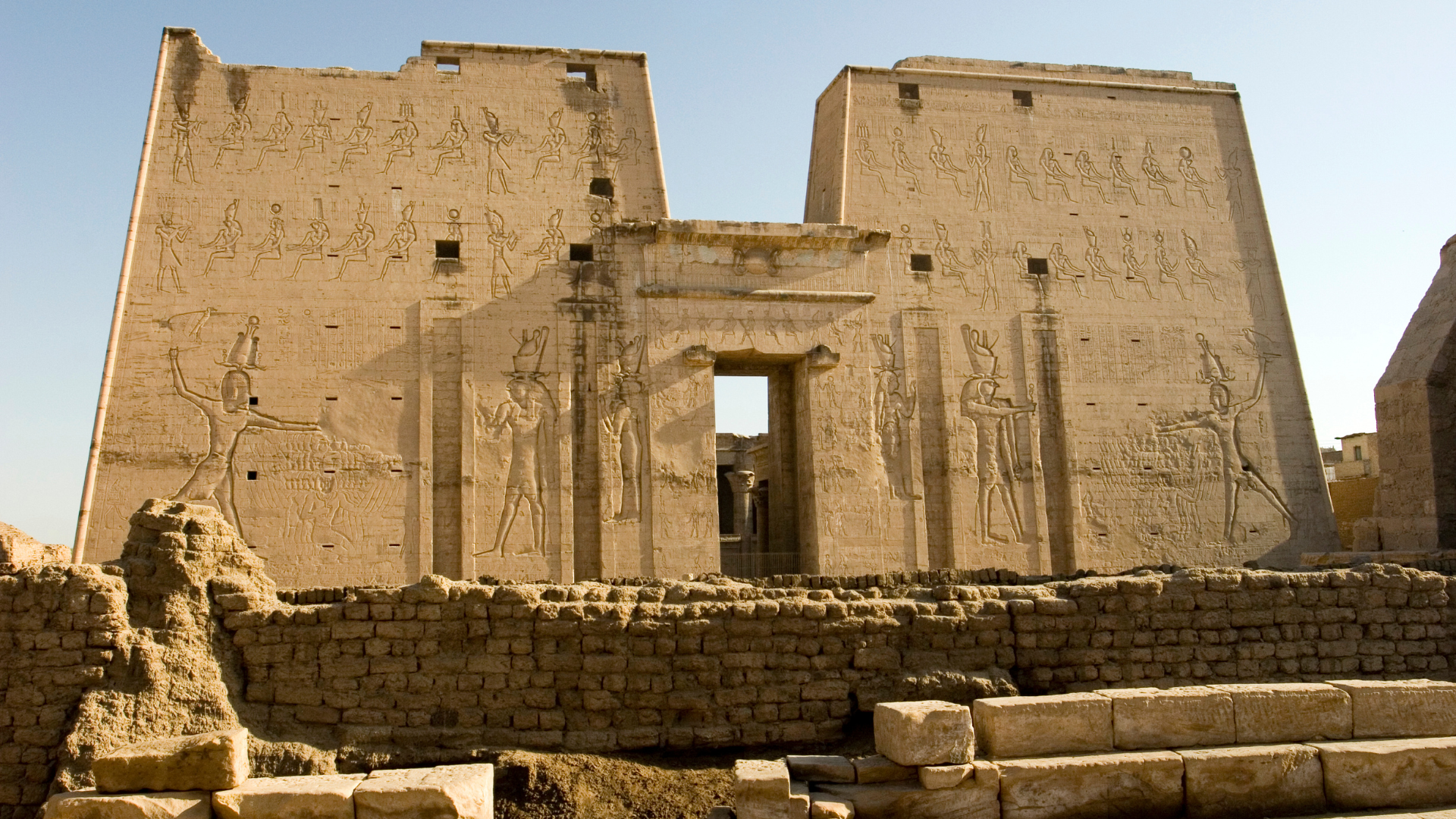
Begin the morning at Gebel Silsila, a huge quarry that provided the stone for all the great monuments like Dendera, Thebes, Karnak, Edfu, and Kom Ombo. The site is scattered with private chapels—there is even one dedicated to the great pharaoh Amenhotep III. Then we sail to Edfu to visit the temple of Horus. This is a Ptolemaic temple and the best-preserved Edfu facade temple in Egypt. Built over 180 years from 237 BC to 57 B, it was buried beneath the sands of the desert until its excavation in the 1800s. Overnight onboard. (B/L/D)
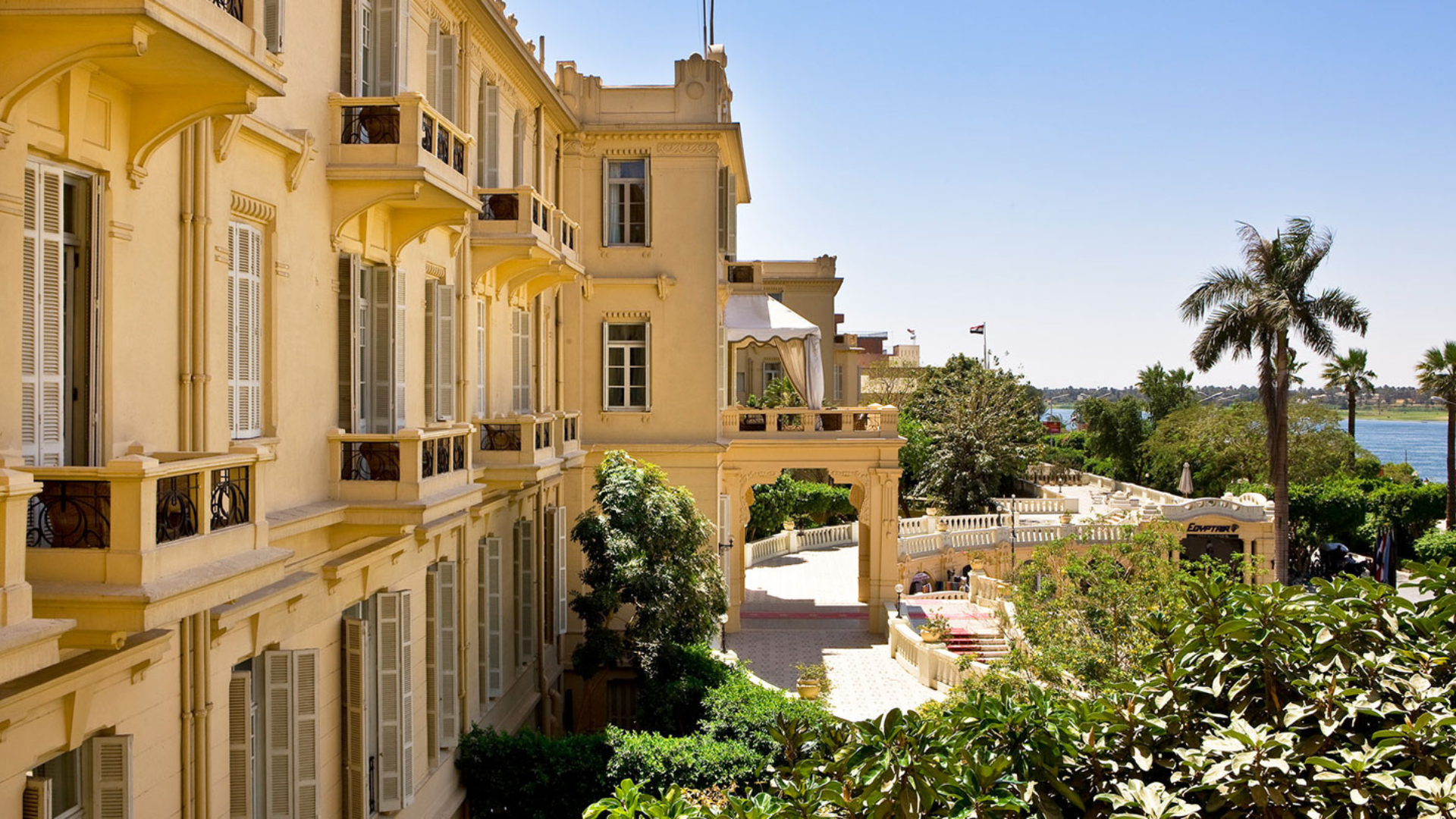
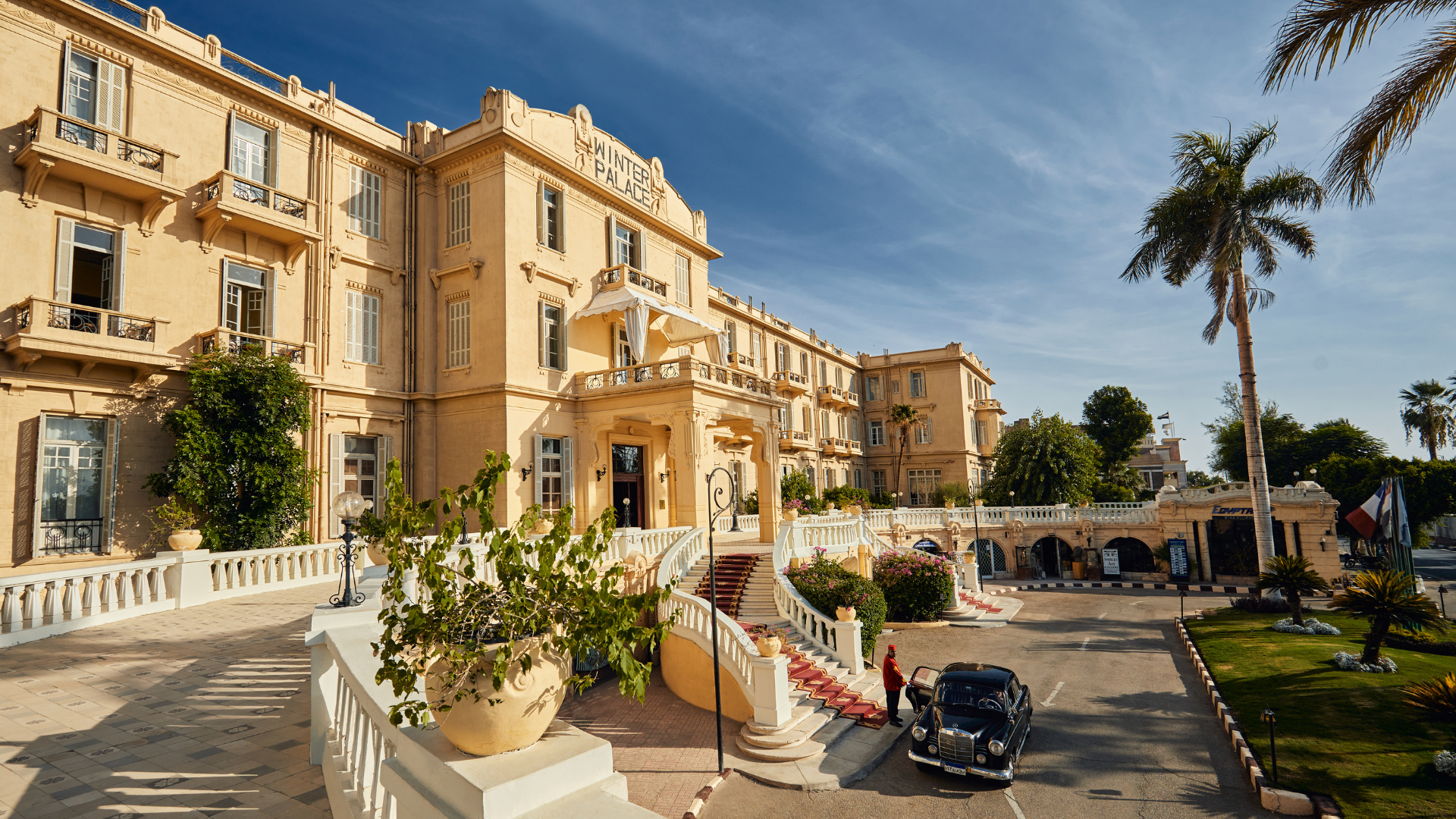
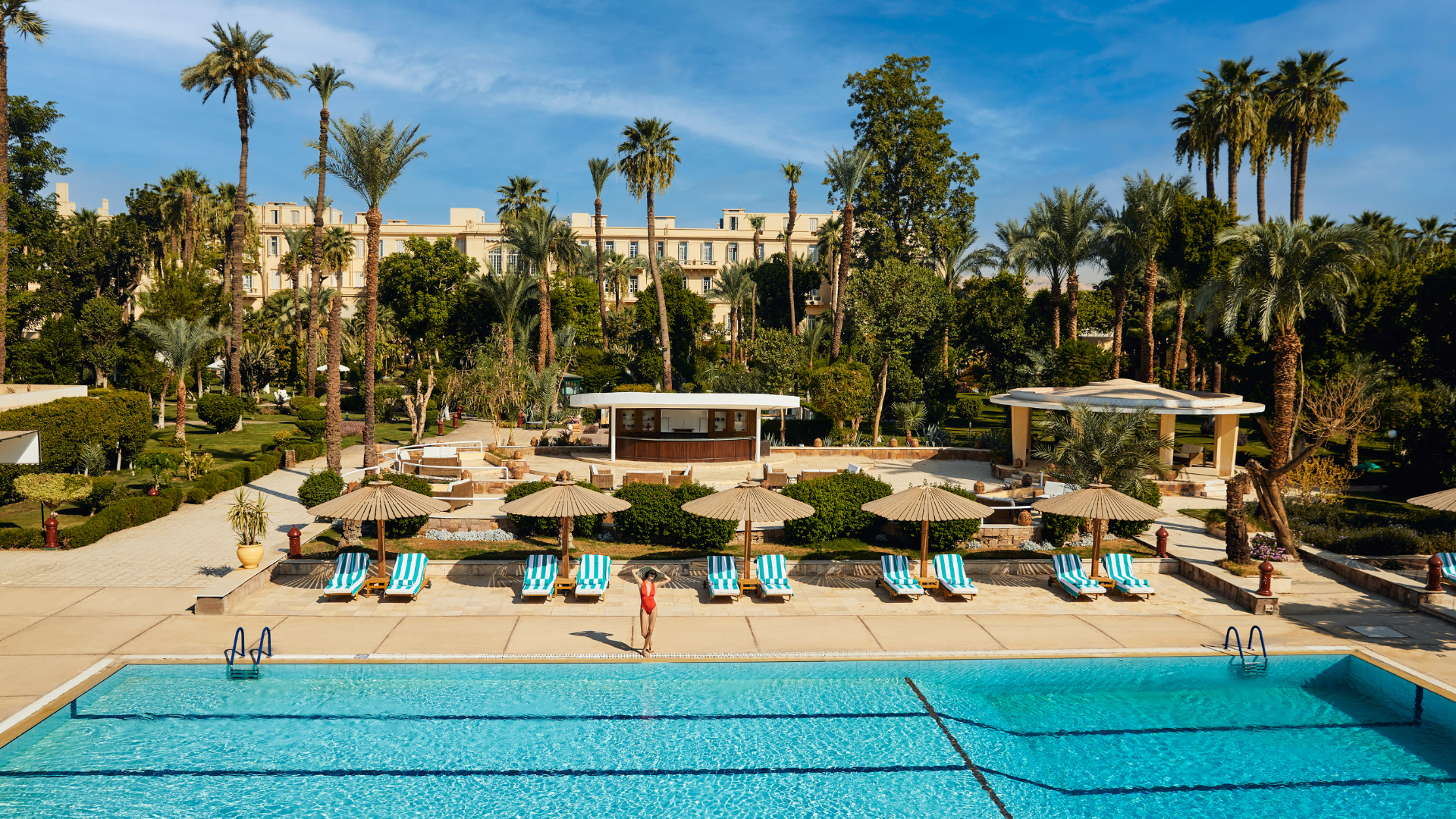
This morning, depart our floating home at Esna and enjoy an afternoon visit El Kab, which served as the ancient capital of Upper Egypt and the primary cult center for the vulture goddess Nekhbet. Upon arrival to Luxor, transfer to the Hilton Luxor Resort and Spa, our home for the next five nights. (B/L/D)
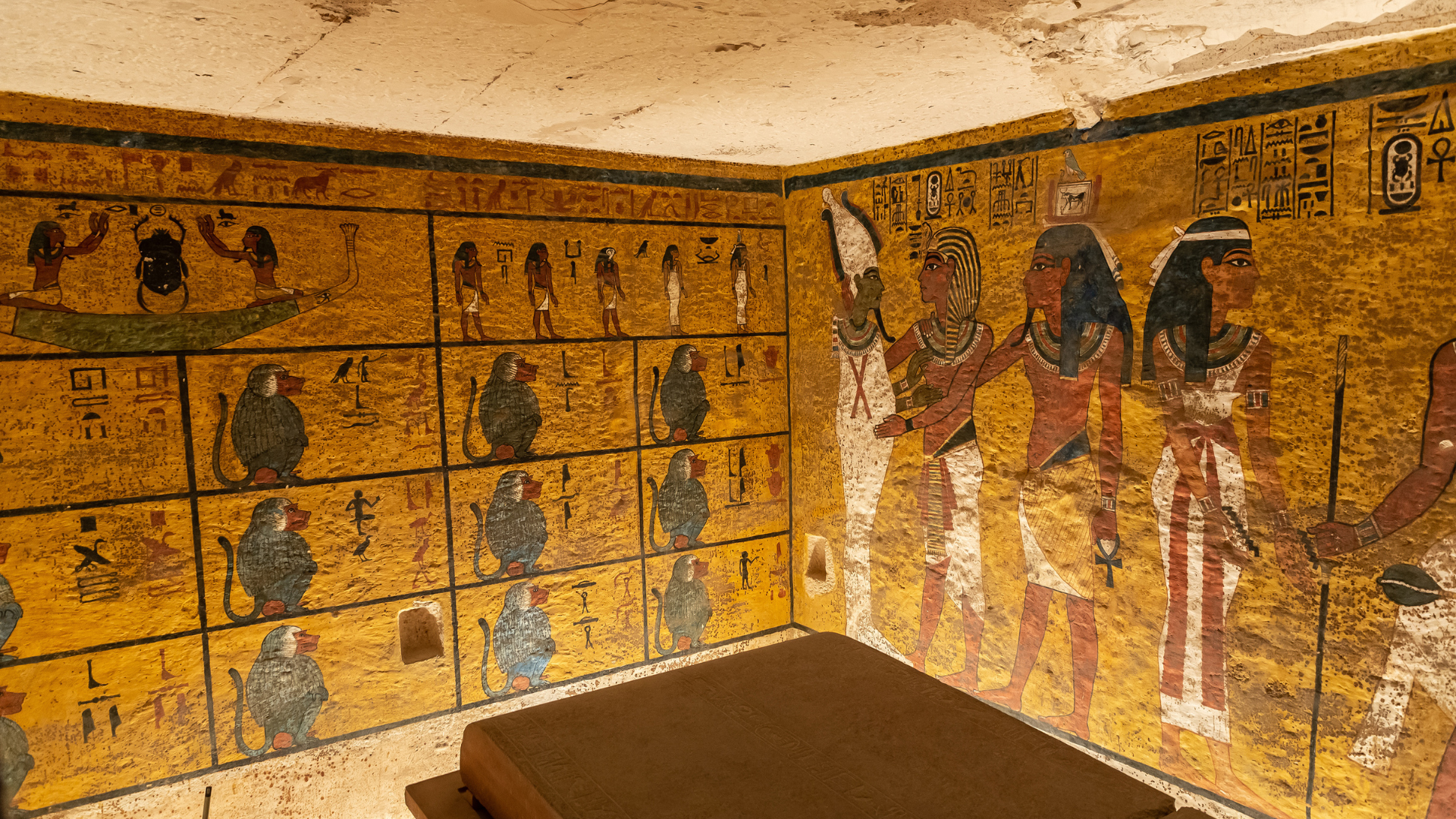
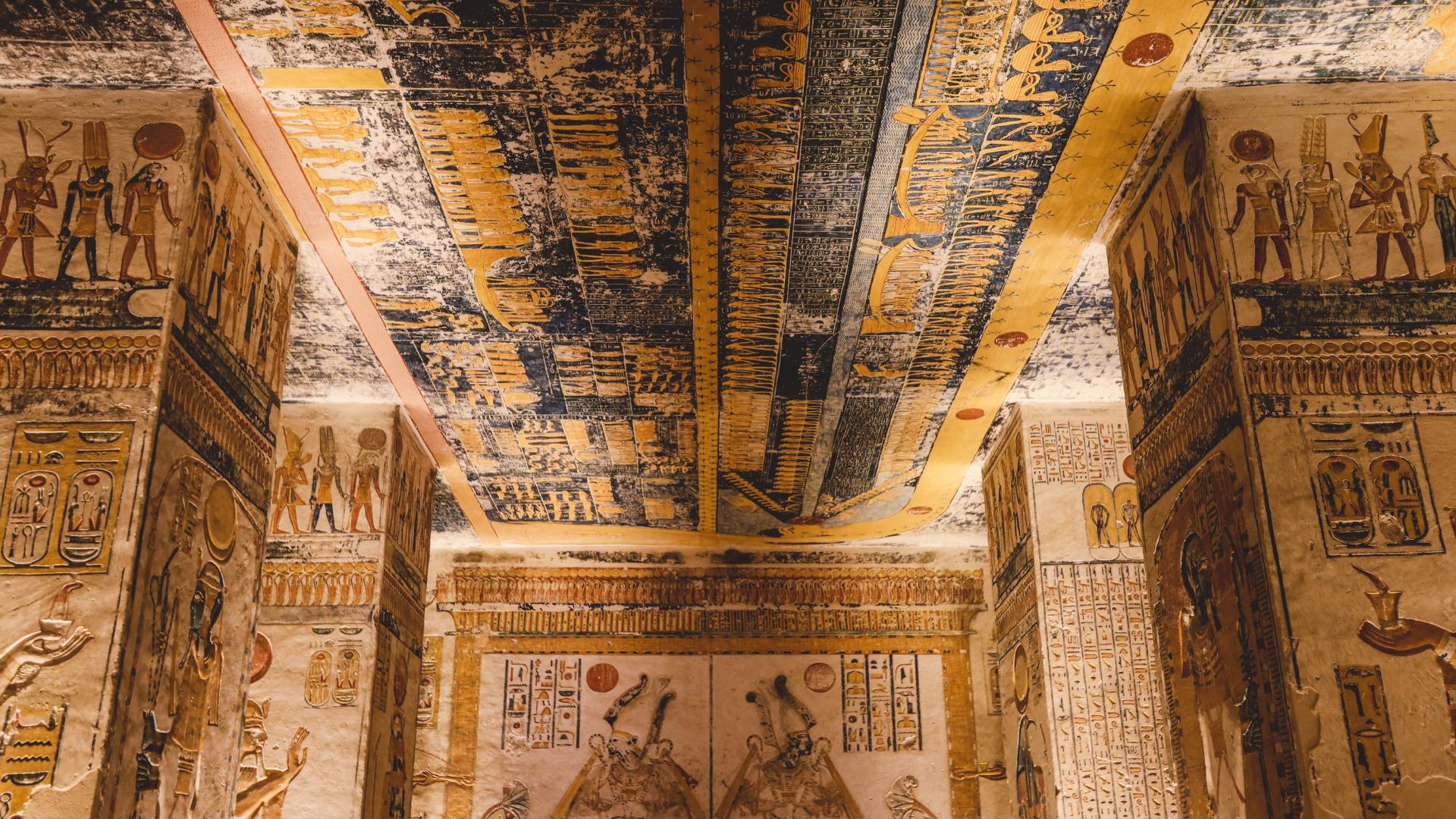
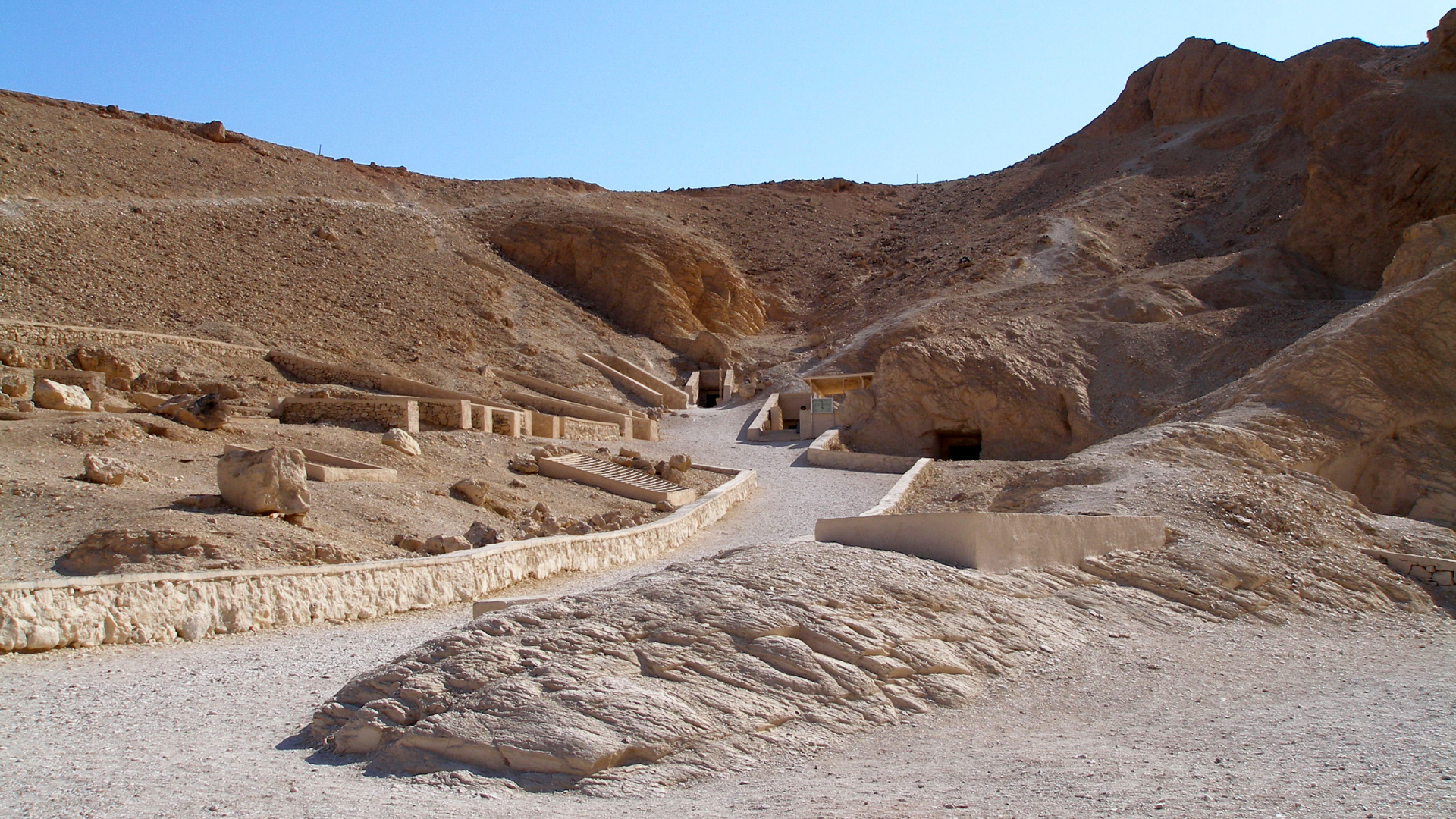
Begin today on Luxor’s west bank, the royal necropolis of the Kings on the west bank of the Nile. Beginning with the 18th Dynasty, the pharaohs of ancient Egypt abandoned the Memphis area and built their tombs in Thebes. Most of these tombs were cut into the limestone cliffs following a similar pattern – three corridors, an antechamber, and a sunken sarcophagus chamber – and stunning decorations by the finest craftsmen cover many of the passages and chambers. Here, we will visit one of the smallest tombs in the necropolis, the Tomb of Tutankhamun, undoubtedly the most famous of the Egyptian tombs because of the extraordinary discoveries made here in the early 20th century.
The Chicago House is the headquarters of the Institute for the Study of Ancient Cultures (formerly the Oriental Institute) in Egypt and a major center of Egyptological studies. Here, we join the Director and his staff as they host us for cocktails and a specially arranged private viewing of the library, among the finest in Egypt. (B/L/D)
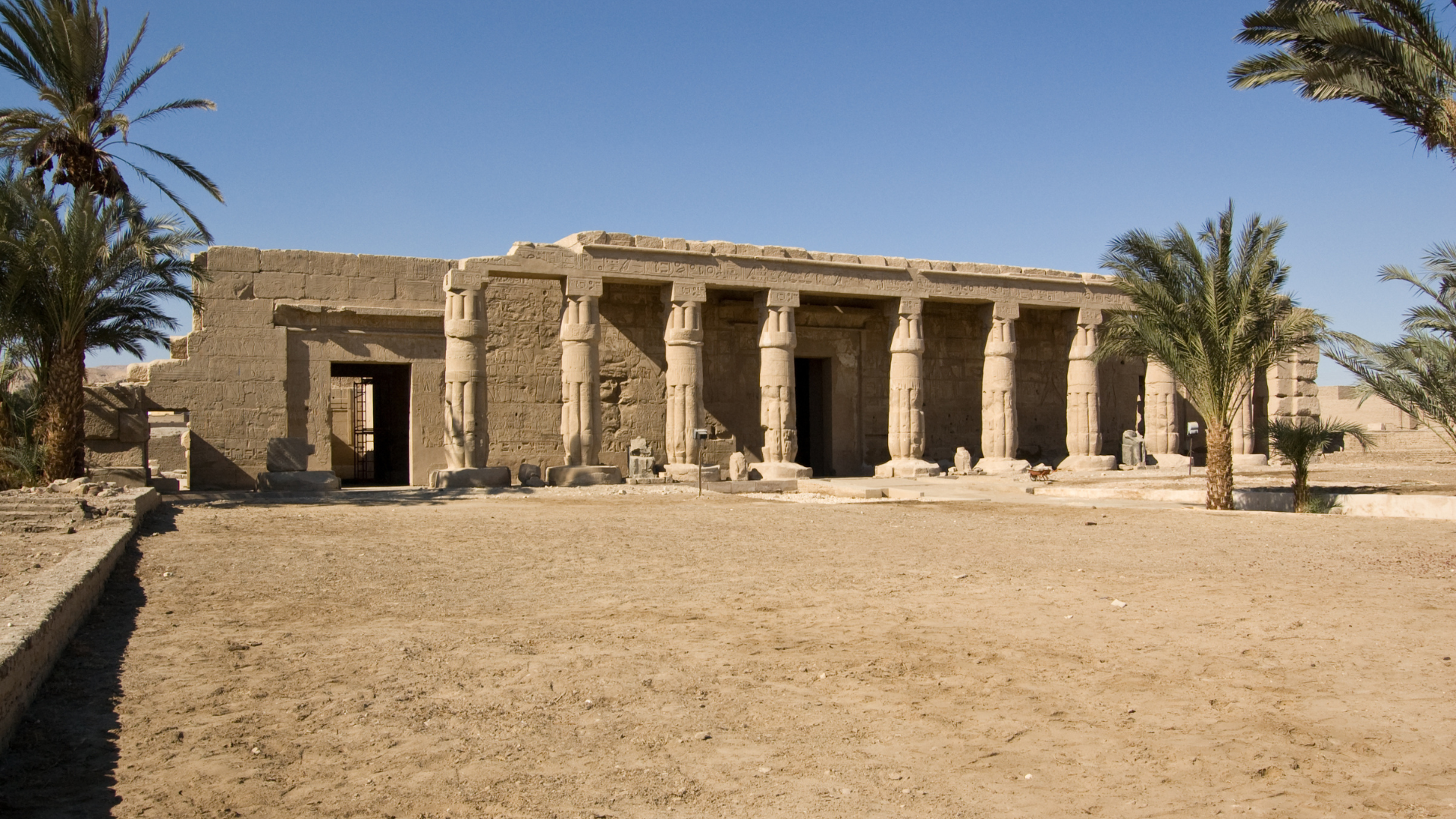
Begin today on Luxor’s west bank in the Valley of Queens, the burial place of the royal wives, concubines, and daughters of the pharaohs, and the princes who died at an early age. The most renowned of these tombs was that of the favorite wife of Ramesses II. Deir El Medina was the village home of the workmen responsible for the construction and embellishment of the royal tombs from the New Kingdom. The master masons, artists, and sculptors who worked on the crypts were born, trained, lived, died, and buried here. Within two of their tombs, we gaze upon dazzling paintings that speak of the status of the individuals.
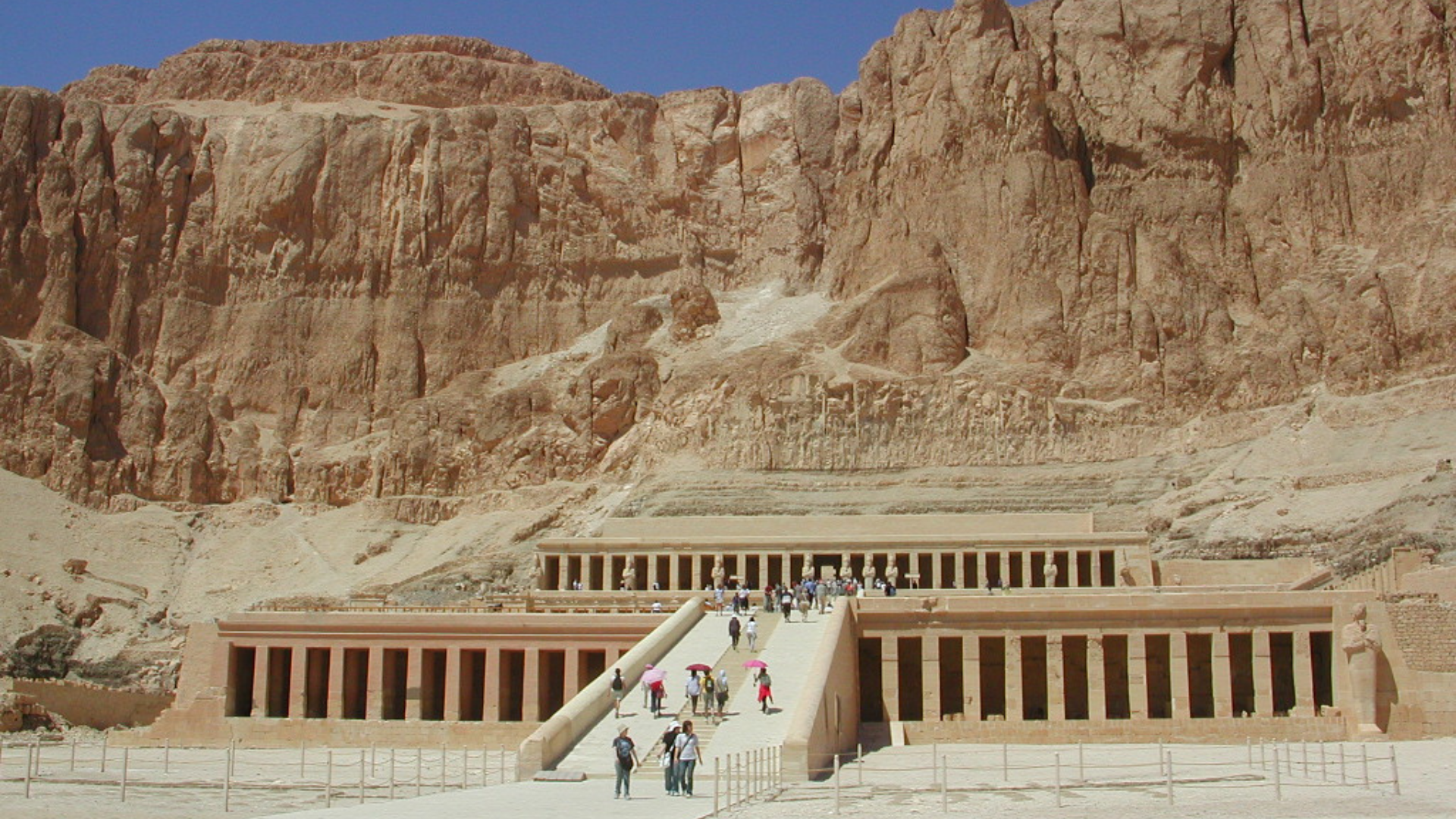
Ramesses III chose the sacred site of Medinet Habu to build his funeral temple. Surrounded by a fortified enclosure wall covering more than twenty acres, the complex contains funerary chapels, shops, and the gigantic Great Temple with its intact pylon decorated with scenes of the king’s victories. Here, we join archaeologists for a private, behind-the-scenes tour of the building. We also visit the Temple of Queen Hatshepsut, the female pharaoh.
This afternoon we will meet with archaeologists excavating at the Dra Abu el-Naga necropolis on Luxor’s west bank, where recent work has uncovered three significant New Kingdom tombs belonging to high-ranking officials, including a granary overseer and a temple scribe. These all-Egyptian missions are providing critical insights into the lives of the non-royal elite, revealing intricately decorated chambers, vivid wall paintings, and statues that have remained hidden beneath the desert sands for over 3,000 years.
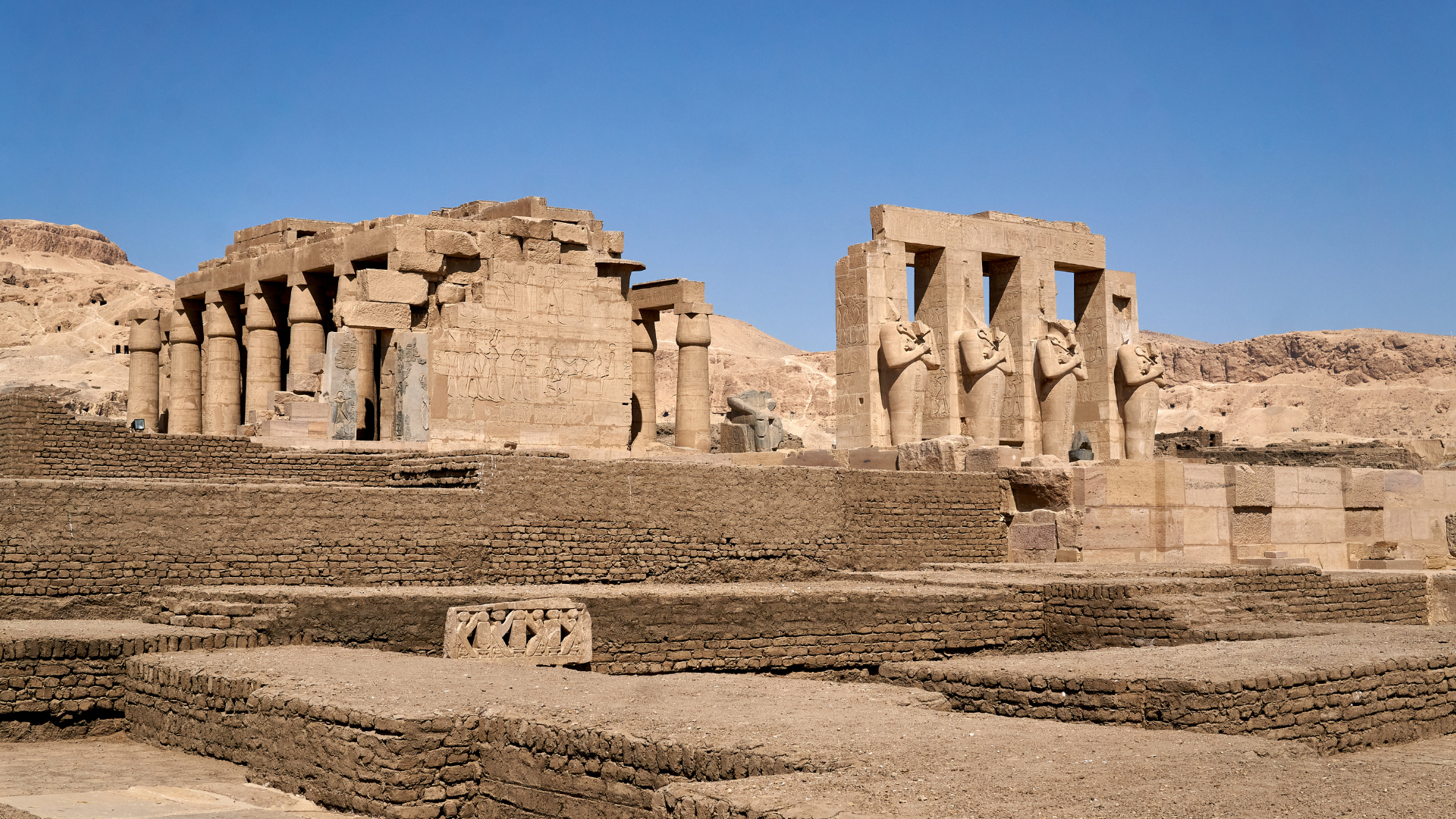
Continue to the Ramesseum, where Ramesses II built his fabulous mortuary temple and associated himself with the local form of the god Amun. The main building, where the funerary cult of the king was celebrated, features pylons decorated with scenes from the Battle of Kadesh. These scenes depict Ramesses fighting the Hittites in a heroic counterattack, standing in his chariot and firing arrows with deadly precision.
Dinner is on our own. (B/L)
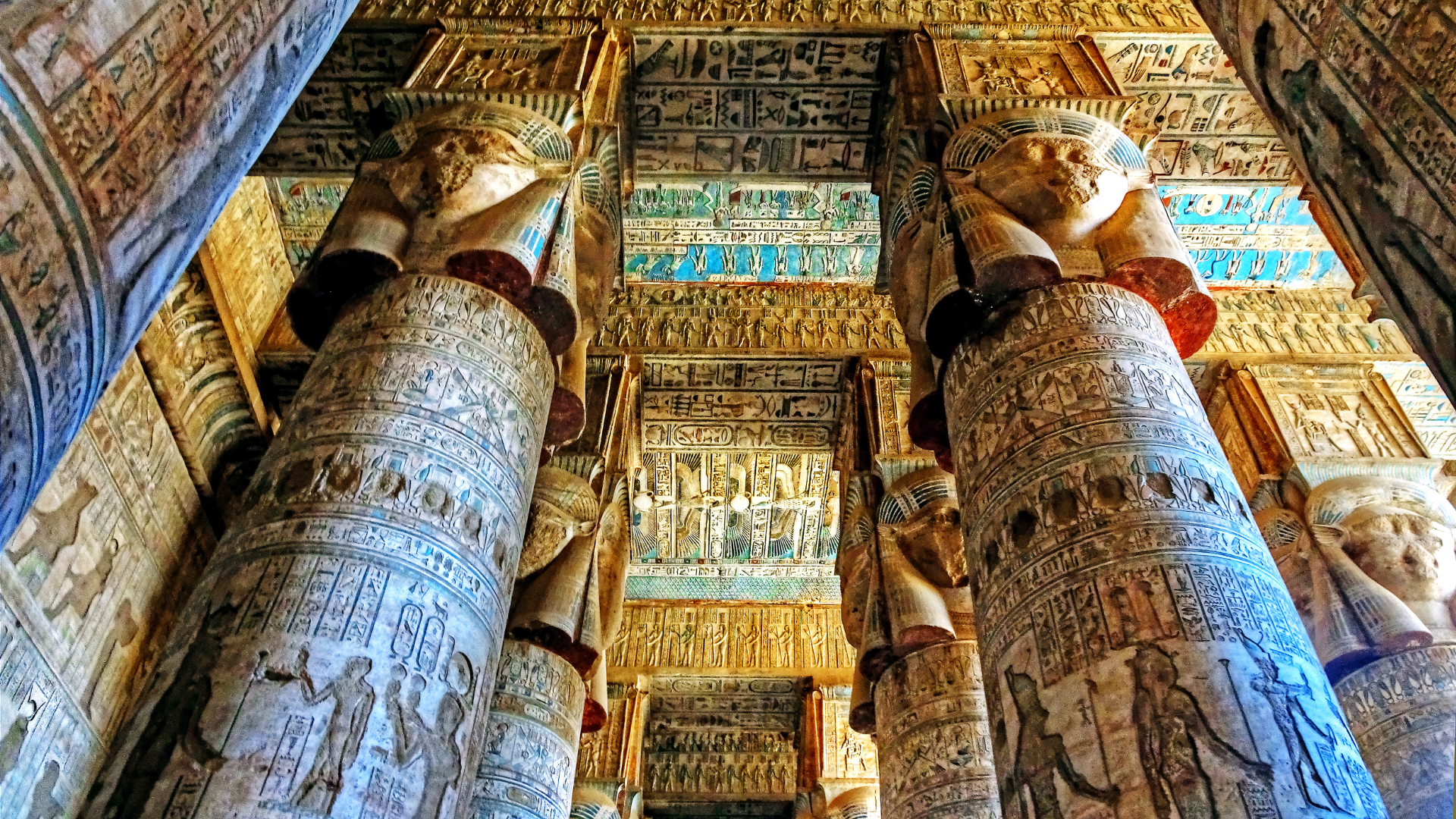
Depart this morning to Denderah. There are many temples to Hathor, the cow goddess who presided over love, music, dance, and enjoyment, but the temple in Dendera is the best preserved. The building is richly decorated with 18 Hathor-headed columns supporting the roof of the hypostyle hall and a series of reliefs linking the traditions of Hathor with her husband, Horus.
Return to Luxor in the later afternoon with dinner on our own. (B/L)
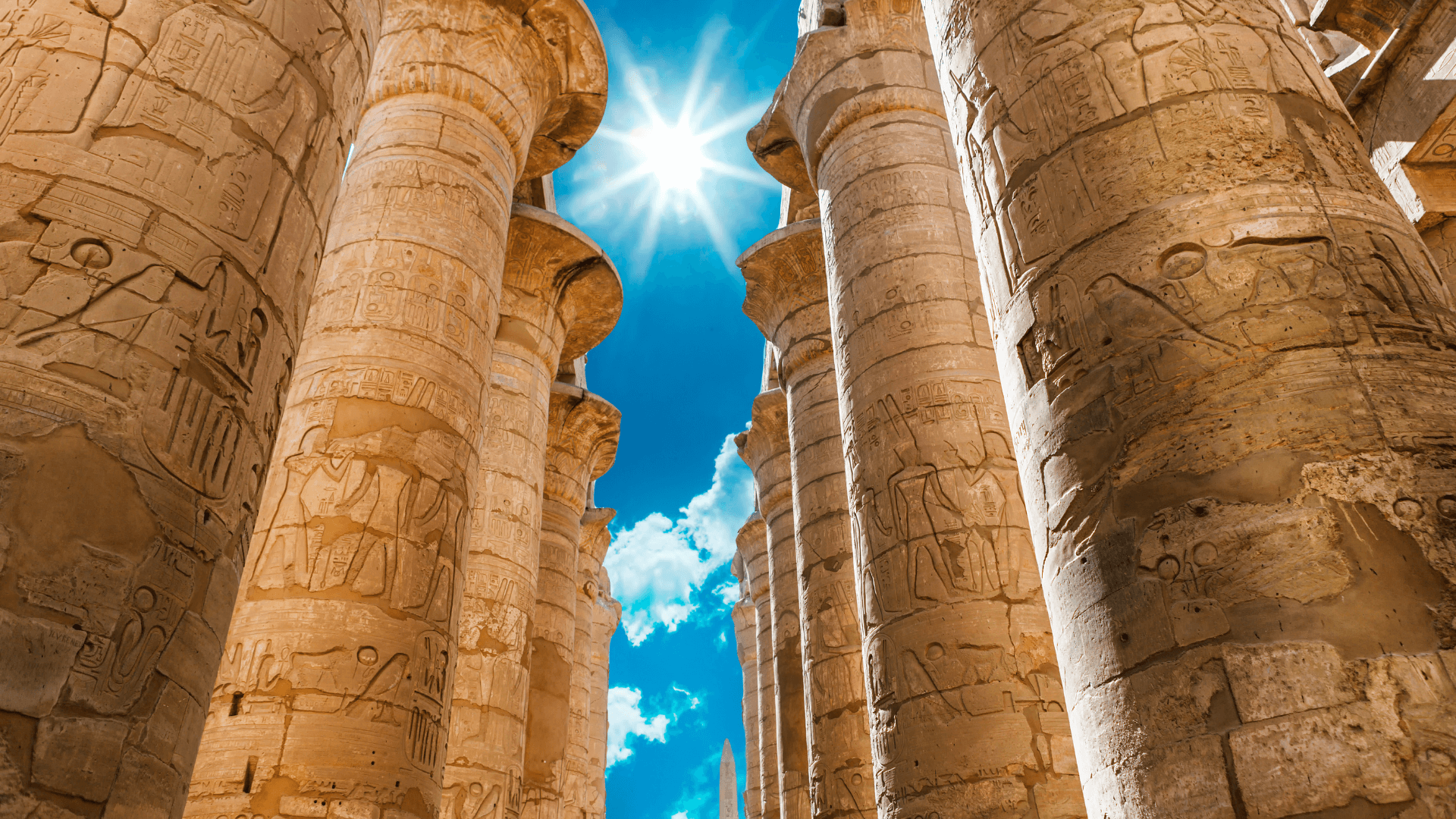
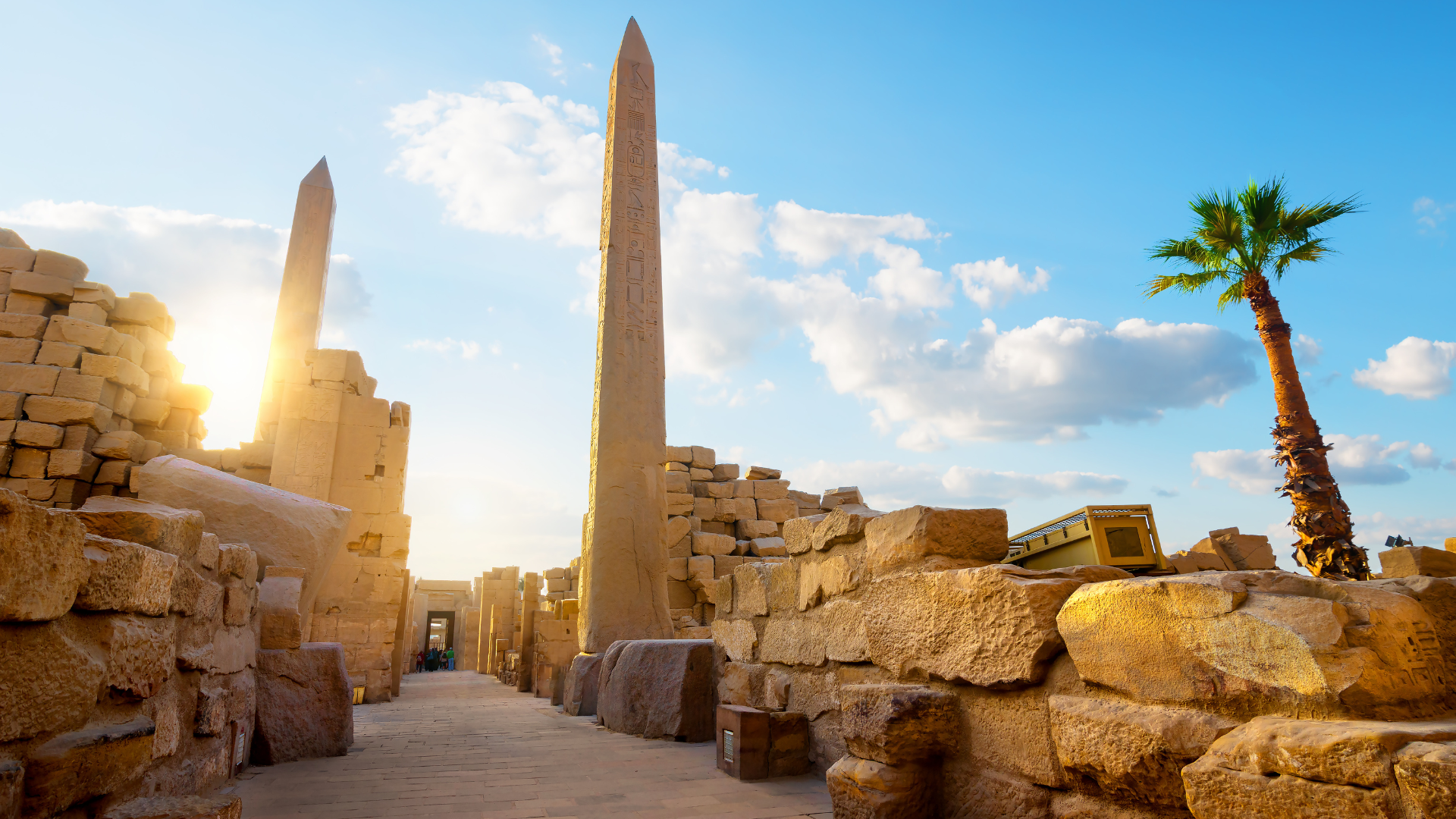
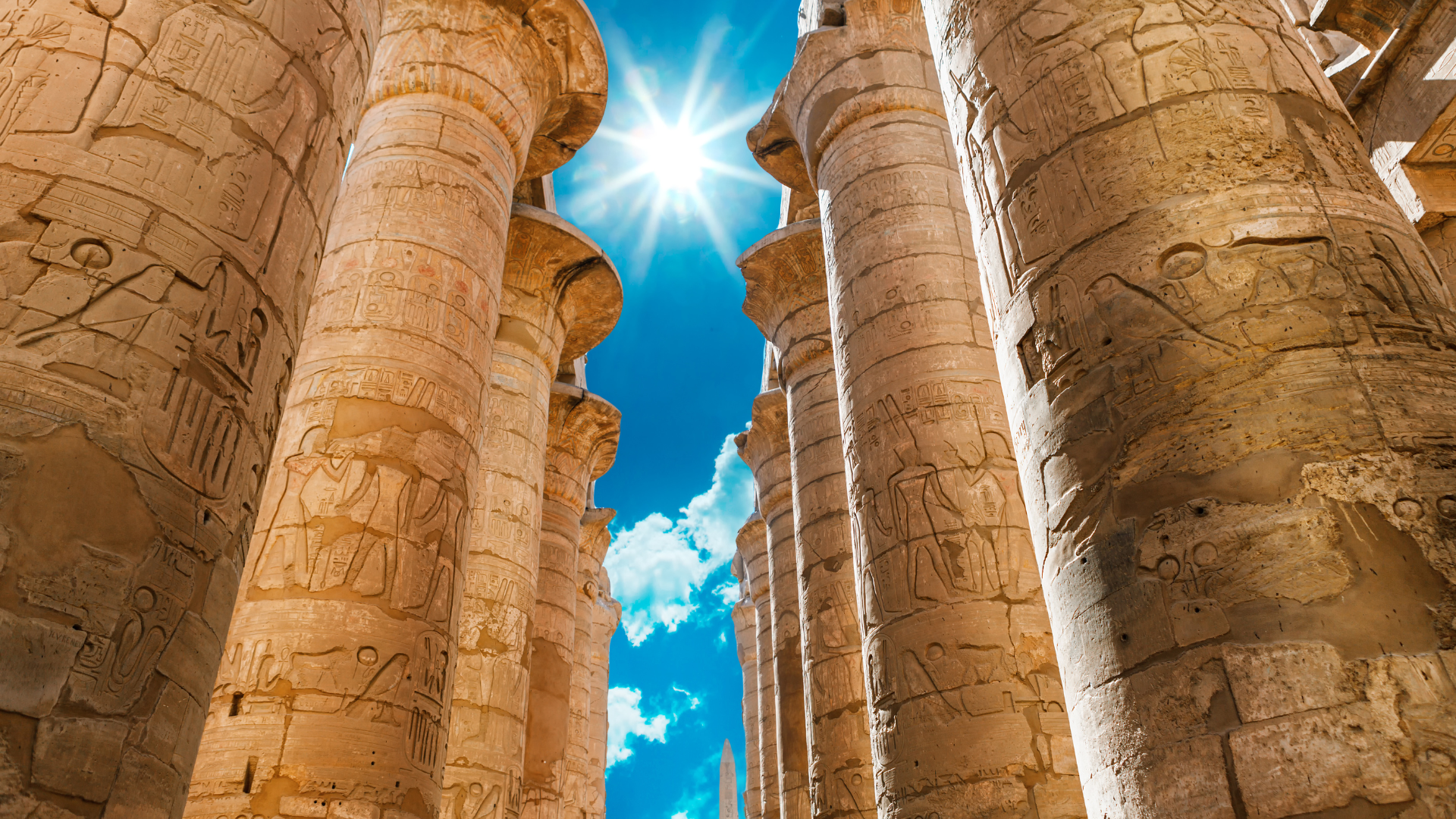
In the celebrated Egyptian city of Thebes, modern Luxor, a local leader, Ahmose, raised a rebellion and drove out the foreign occupiers of Egypt, the Hyksos. He restored the unity of Egypt and inaugurated the New Kingdom. Today, we visit the spectacular Karnak and the Temple of Amun. Arguably the most remarkable religious complex ever built, it contains 250 acres of temples, chapels, obelisks, columns, and statues built over 2,000 years, incorporating the finest aspects of Egyptian art and architecture. As many as thirty pharaohs are believed to have contributed to this complex, enabling it to reach a size, complexity, and diversity rarely seen.
Today’s tour also visits the magnificent Temple of Luxor. This has always been a sacred site, the power base of the living divine king, and the foremost national shrine of the king’s cult. The temple’s southern end was the holy of holies, the dwelling place of the principal god, Amun.
Continue to the Luxor Museum, housing the remarkable artifacts found in nearby excavations. (B/L/D)
A mid-morning flight takes us back to Cairo. Upon arrival, visit the stupendous Egyptian Museum, which still houses some of the world’s greatest collection of Pharaonic antiquities. Transfer to the Hilton Heliopolis Hotel, located near the international airport, for rest and our early farewell dinner. (B/L/D)
Transfer to the airport for our flights back home. (B)