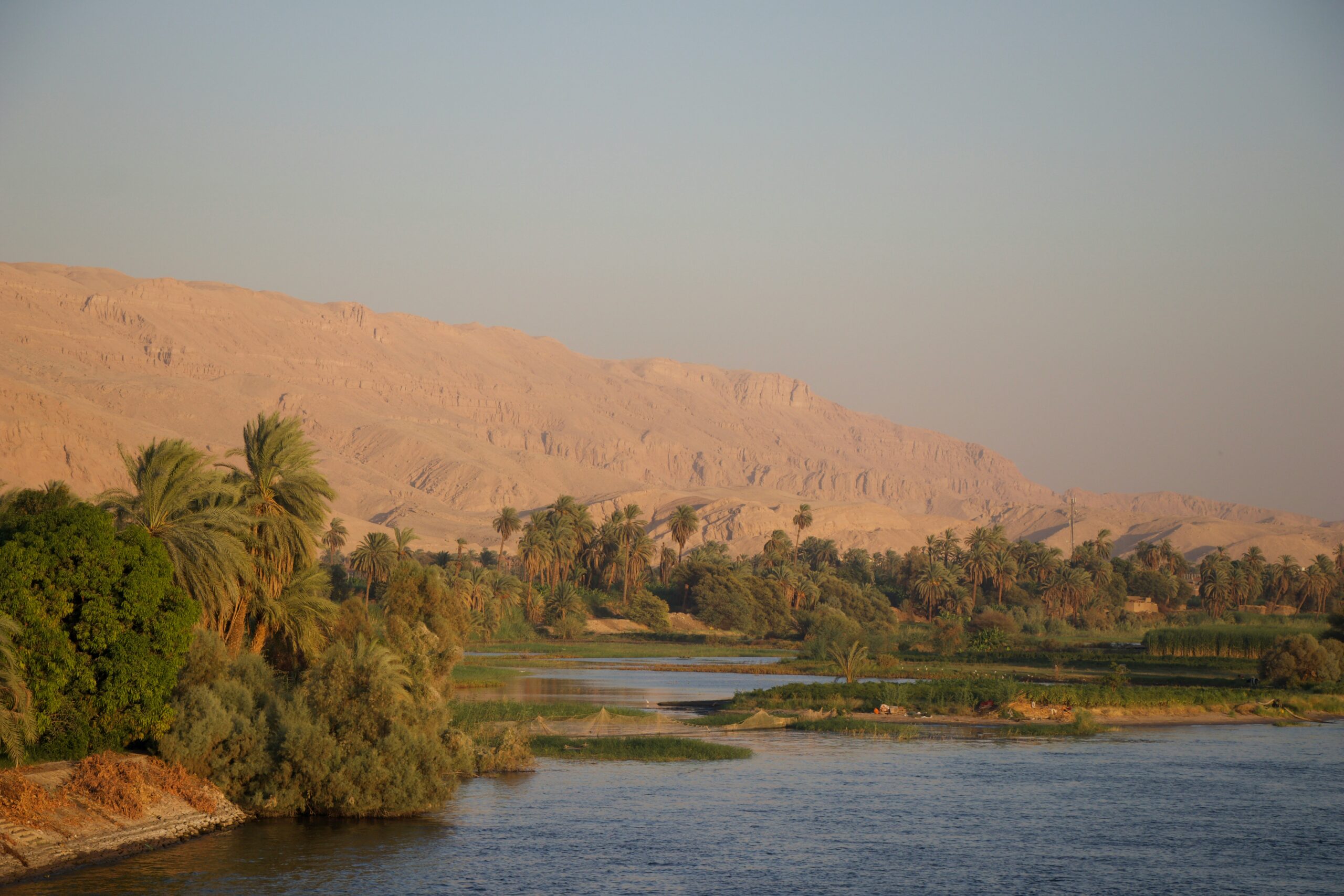


The Great Sand Sea of Egypt’s Western Desert—part of the vast Sahara—stretches for hundreds of miles west of the Nile to the Libyan border. Across this arid expanse, spring-fed oases have sustained life and commerce for millennia: Bahariya, where Greco-Roman mummies lay undisturbed beneath the sands for two thousand years; Farafra, where the White Desert’s chalk formations rise like sculpture from the desert floor; Dakhla, with its medieval mud-brick town and Roman wells still in use; and Kharga, site of the only intact Persian-era temple in Egypt.
Join Far Horizons for twelve days of Intellectual Travel™ through the Western Desert, opening with an immersive day at Cairo’s Grand Egyptian Museum before heading into the desert. You will trace ancient caravan routes, explore Greco-Roman cemeteries and Christian necropolises, walk the narrow lanes of El Qasr, and dine under an open sky in the White Desert at sunset. The journey ends in Luxor, among the greatest concentrations of ancient monuments on earth.
For those who wish to go further, a five-day Siwa Oasis extension continues from Cairo to Alexandria and on to one of Egypt’s most remote oases, where Alexander the Great once consulted the oracle of Amun.
A note on travel in Egypt’s Western Desert
This journey is designed for curious, physically active travelers who are comfortable with long drives on desert roads and a spirit of flexibility. Hotels are the best available in each oasis, though they will not match the standard of Cairo or Luxor. Desert oasis hotels are the best available in each location and are full of character, but please be aware that some properties have limited electricity in the evenings. We recommend bringing a small flashlight or headlamp, and approaching these moments as part of the experience of traveling in one of the world’s great desert landscapes. Meals in the oases tend to be simple and good. On several days you will travel by 4×4 vehicle and may walk over uneven terrain. A comfortable pair of walking shoes, a willingness to embrace the unexpected, and a genuine interest in what you are seeing will serve you well.
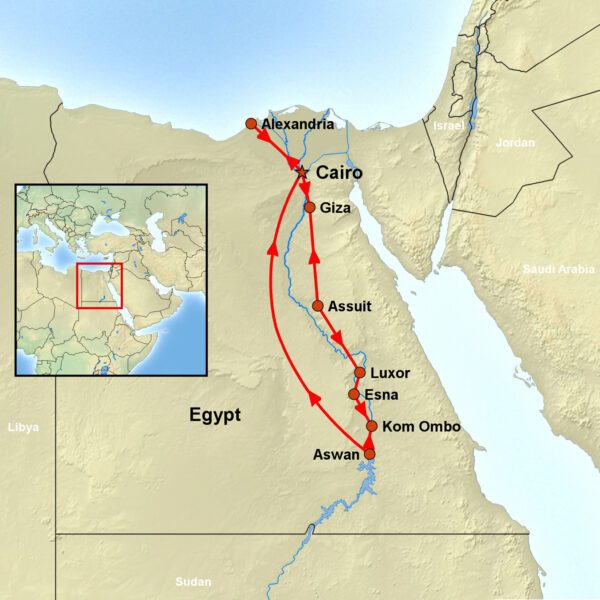
Arrive in Cairo and transfer to the Cairo Marriott Zamalek, a 19th-century palace on an island in the Nile that has been welcoming travelers for well over a century, and our home for the two nights.
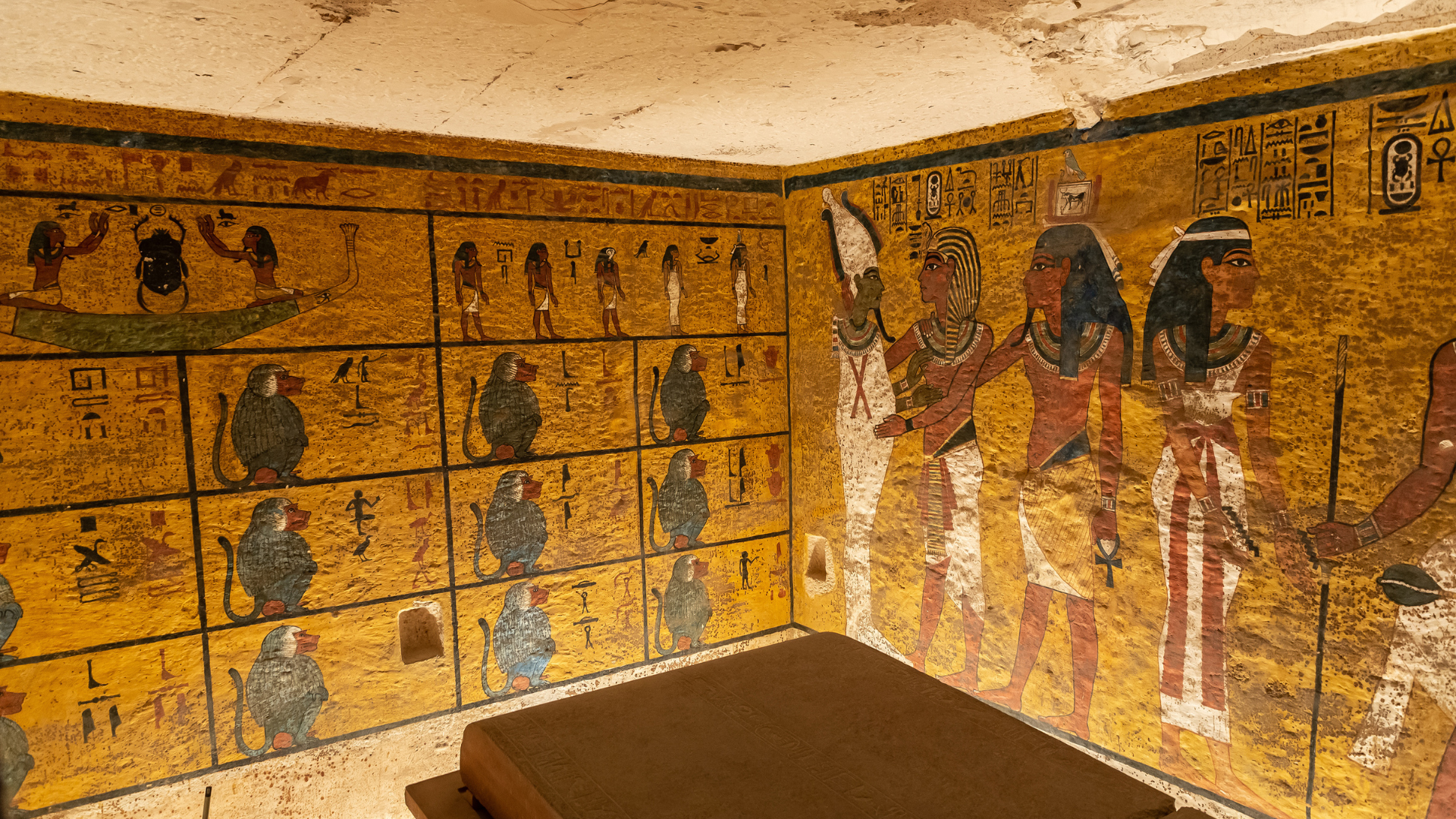
Today will be spent at the newly-opened Grand Egyptian Museum (GEM), the largest archaeological museum in the world, housing 50,000 artifacts from ancient Egypt, including the first exhibition of the full tomb collection of King Tutankhamun. Many items on display have been relocated from the Egyptian Museum in Cairo, the Solar Boat Museum, and from storage depots and museums in Luxor, Minya, Sohag, Assiut, Beni Suef, Fayoum, the Delta, and Alexandria. Lunch will be on our own at the museum’s cafe.
Gather this evening for our welcome dinner party. (B/ /D)
After an early start, a five-hour drive across open desert brings us to Bahariya Oasis, once a thriving waypoint on the trade routes linking Europe to Africa more than two thousand years ago, and a stop on Alexander the Great’s return journey from Siwa.
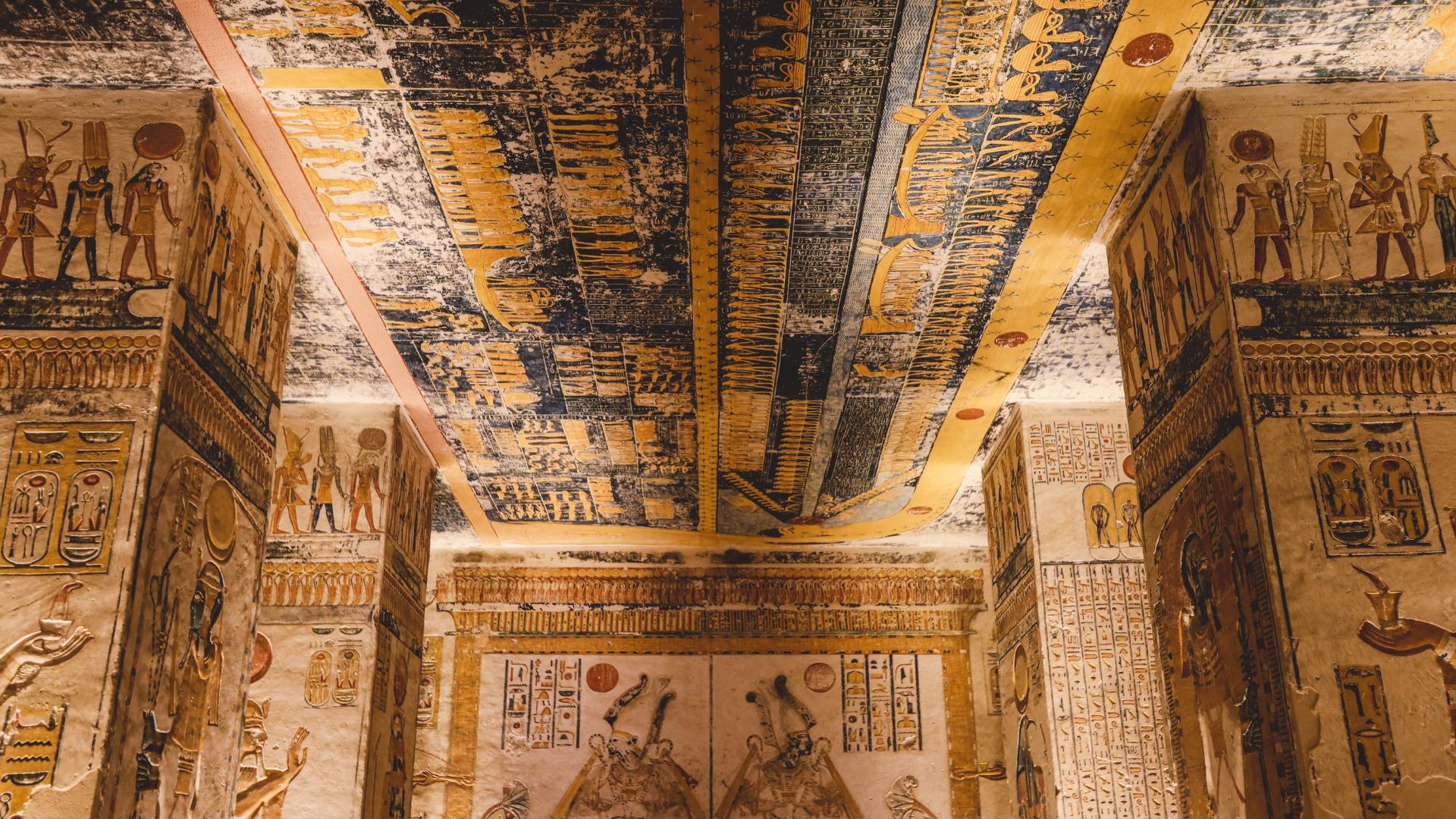
This afternoon, explore the Valley of Golden Mummies, a vast Greco-Roman cemetery discovered in 1996 where more than two hundred gilded mummies lay hidden beneath the sands, and visit two of the Late Period’s finest decorated tombs: the Tomb of Bannantiu and the Tomb of Zed-Amun-Ef-Ankh, both richly painted with scenes of the afterlife. Overnight for one night at a simple desert lodge in Bahariya. (B/L/D)
Our drive toward Farafra passes two of the Western Desert’s most dramatic landscapes. Crystal Mountain is a quartzite ridge threaded with quartz and calcite crystals that rises unexpectedly from the flat desert floor. Beyond it lies the Black Desert, a plateau carpeted with volcanic debris, colors the horizon dark.
Continue on to the White Desert for a picnic lunch among its extraordinary chalk formations, then board a jeep convoy for an afternoon exploring the bleached landscape, with a visit to the artesian spring of Beir Setta. Overnight for two nights at the Badaweya Hotel in Farafra, with rooms in local architectural style amid flowering bougainvillea and citrus trees. (B/L/D)
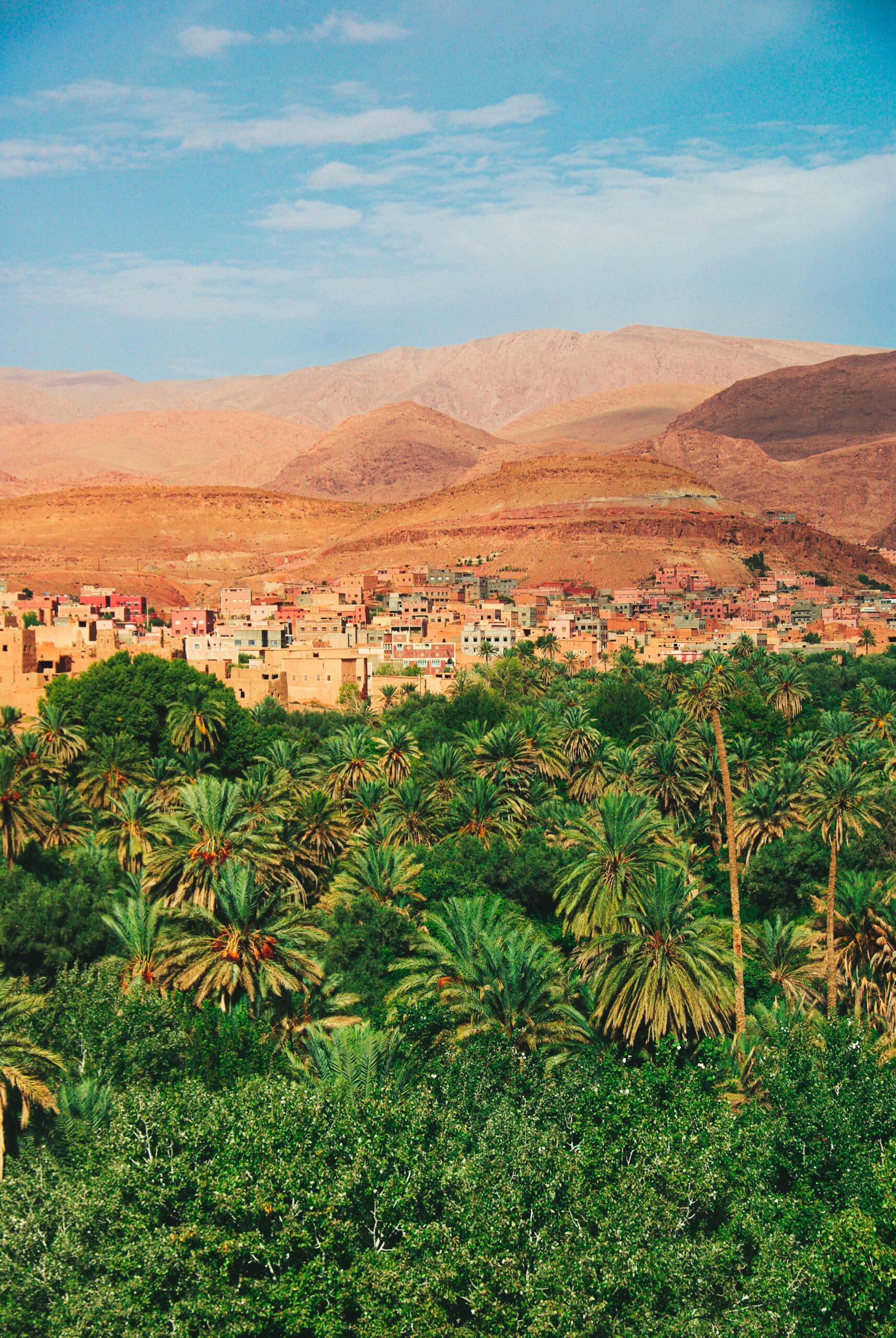
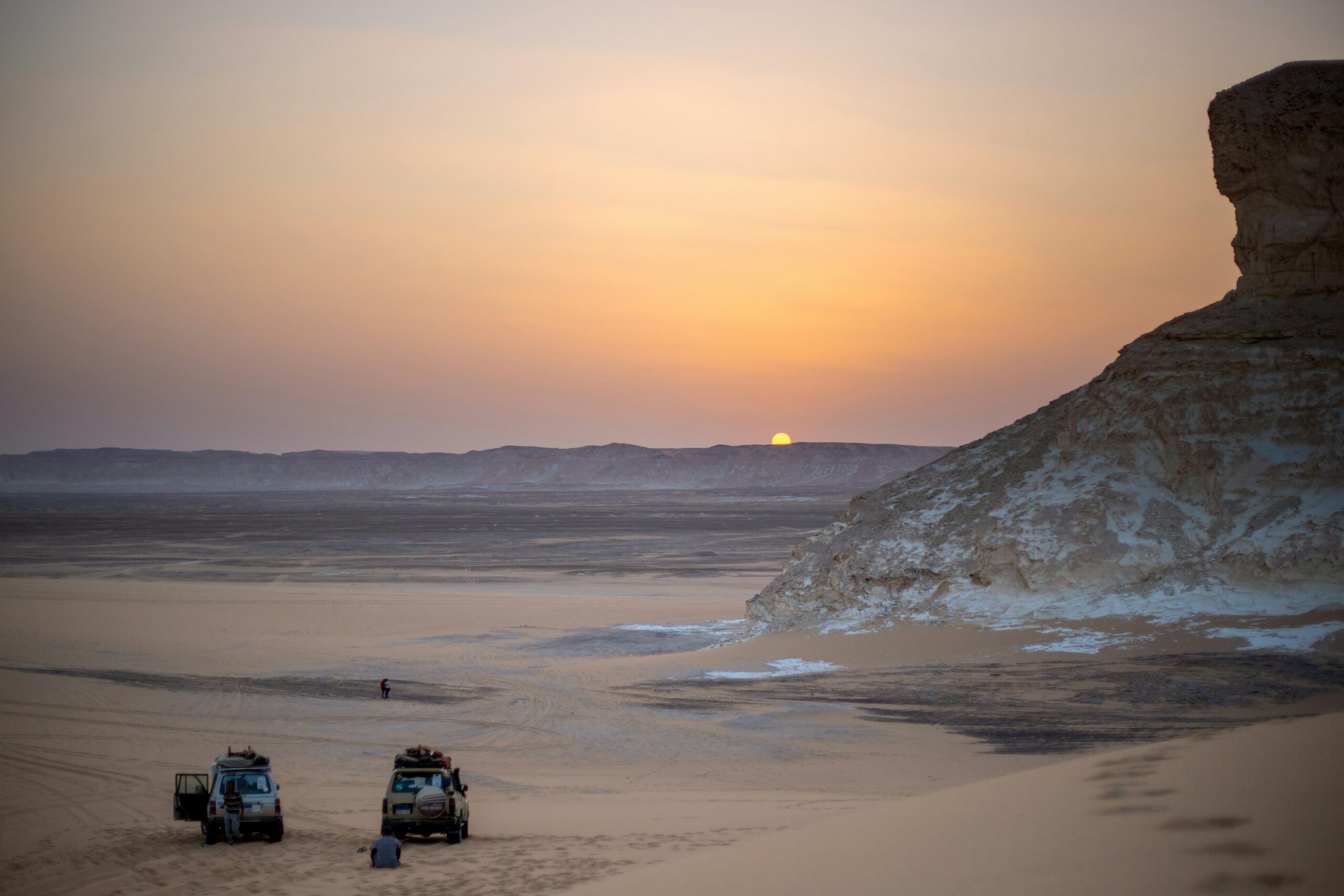
A morning walk through Farafra village takes us through palm groves and olive gardens that have sustained oasis life for generations. Visit the Badr Museum, where the self-taught artist Badr Abdel Moghny has spent decades filling a family compound with sculptures, paintings, and fossil finds drawn directly from the surrounding desert. This afternoon is free to spend at our leisure. As the sun drops, return to the White Desert by 4×4 for a sunset dinner under the open sky, one of the defining experiences of this journey. (B/L/D)
A four-hour drive southeast takes us deeper into the Sahara. En route, we stop at Abu Minqar for a photo opportunity at the edge of the Great Sand Sea, where dunes stretch unbroken to the Libyan horizon lending a full sense of the desert’s scale.
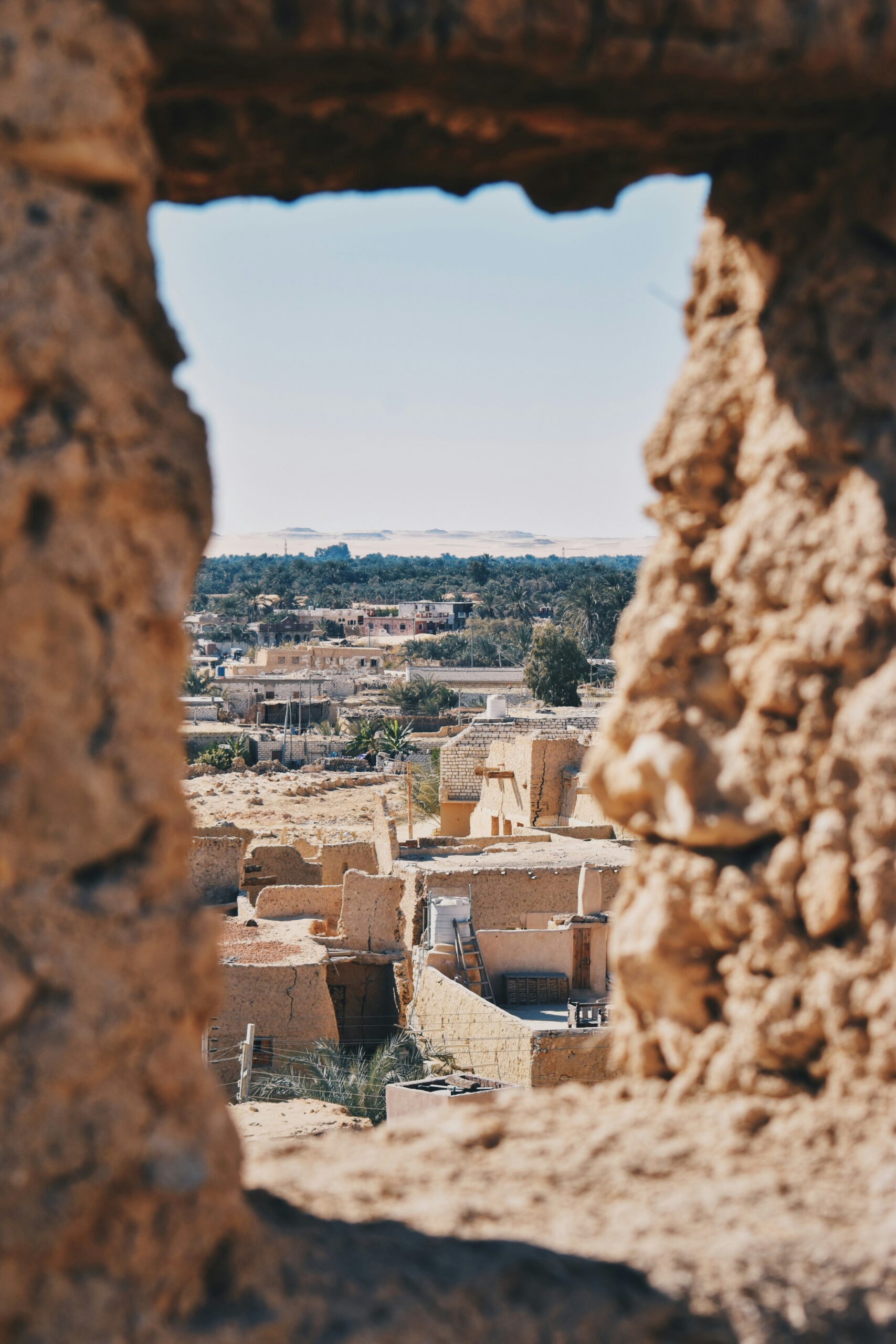
Upon arrival in Dakhla, spend the afternoon in El Qasr, a medieval fortified town built over Roman foundations. Its labyrinthine mud-brick alleys and elaborately carved wooden doorway lintels, many of which still bear the names and occupations of their original owners, are remarkably intact. Here, a small museum houses finds from the surrounding area.
Overnight for one night at the Badaweya Hotel in Dakhla, where traditional mud-brick domes meet modern comforts. (B/L/D)
This morning we explore two of Dakhla’s distinctive assets: the ancient artesian wells that have sustained oasis agriculture for millennia, and the Dakhla Ethnographic Museum, which presents the region’s material culture and domestic life through well-organized collections in a traditional setting.
After lunch, a three-hour drive east brings us to Kharga, the largest of the Western Desert oases and a place of remarkable historical layering. Overnight for two nights at the Rowad Oasis Hotel, a tranquil desert sanctuary set amidst sweeping dunes and palm-fringed oases. (B/L/D)
Our full day in Kharga begins at the Temple of Hibis, the only intact Persian-era temple in Egypt. Built in the sixth century BC during the reign of Darius I, it retains vivid painted reliefs showing the Persian king presenting offerings to Egyptian gods, a document of the conquerors’ effort to rule through Egyptian tradition rather than against it. At El Baggawat, one of the oldest surviving Christian cemeteries in the world, more than two hundred mud-brick funerary chapels preserve Coptic murals from the fourth and fifth centuries, including scenes of the Ark, the Exodus, and the life of Thecla. Our final visit of the day will be at the Kharga Museum, where objects from the oasis and surrounding desert are displayed in historical context. Enjoy a free afternoon to relax at our desert lodge sanctuary. (B/L/D)
Before departing Kharga we stop at local pottery and carpet workshops where traditional crafts continue to be practiced in family settings, an encounter with the living culture of the oasis alongside its ancient layers.
En route to Luxor, stop at the Ptolemaic Temple of Ghewaita, a compact hilltop sanctuary dedicated to Amun, remarkably well preserved and offering sweeping views across the surrounding plateau. After a five-hour drive to Luxor, we arrived at the Al Moudira Hotel, our home for the next two nights. The Al Moudira is one of those rare hotels that feels like a place out of time, a hand-built palace of domes, arches, and antique-filled salons that evokes the opulent fantasy of an ancient caravan stop, set among fragrant gardens on Luxor’s West Bank. (B/L/D)
In the celebrated Egyptian city of Thebes, modern Luxor, a local leader, Ahmose, raised a rebellion and drove out the foreign occupiers of Egypt, the Hyksos. He restored the unity of Egypt and inaugurated the New Kingdom. Today, we visit spectacular Karnak and the Temple of Amun. Arguably the most remarkable religious complex ever built, it contains 250 acres of temples, chapels, obelisks, columns, and statues built over 2,000 years, incorporating the finest aspects of Egyptian art and architecture. As many as thirty pharaohs are believed to have contributed to this complex, enabling it to reach a size, complexity, and diversity rarely seen.
After a free afternoon at our hotel, we return to the East Bank for a visit to the magnificent Temple of Luxor. This has always been a sacred site, the power base of the living divine king, and the foremost national shrine of the king’s cult. The temple’s southern end was the holy of holies, the dwelling place of the principal god, Amun. (B/L/D)
A mid-morning flight returns us to Cairo, where the afternoon is given to the National Museum of Egyptian Civilization (NMEC). Unlike traditional antiquities collections, NMEC presents Egyptian history from prehistoric times to the present as a continuous story. Its Royal Mummies Hall, where the remains of Ramesses II and other rulers of the New Kingdom rest in purpose-built conservation cases, is among the most affecting rooms in any museum in the world.
This evening, our farewell dinner brings the journey to a close. Overnight at the Hilton Heliopolis for one night. (B/ /D)
Transfer to the airport for our flights back home. (B)
OR continue on our optional post-trip extension to Siwa Oasis.
This morning we transfer to Alexandria, Egypt’s second city and the former capital of the Hellenistic world. A full day explores the city’s layered Roman and early Christian history: the Catacombs of Kom El Shuqqafa, a three-tiered subterranean necropolis where Roman funerary architecture merges with Egyptian religious motifs; the Serapeum, site of a great temple to the syncretic deity Serapis; a well-preserved Roman amphitheatre; and the Graeco-Roman Museum, whose collection spans the three centuries when Alexandria was the intellectual capital of the Mediterranean. Overnight for one night at the Hilton Alexandria Corniche with views of the sea. (B/L/D)
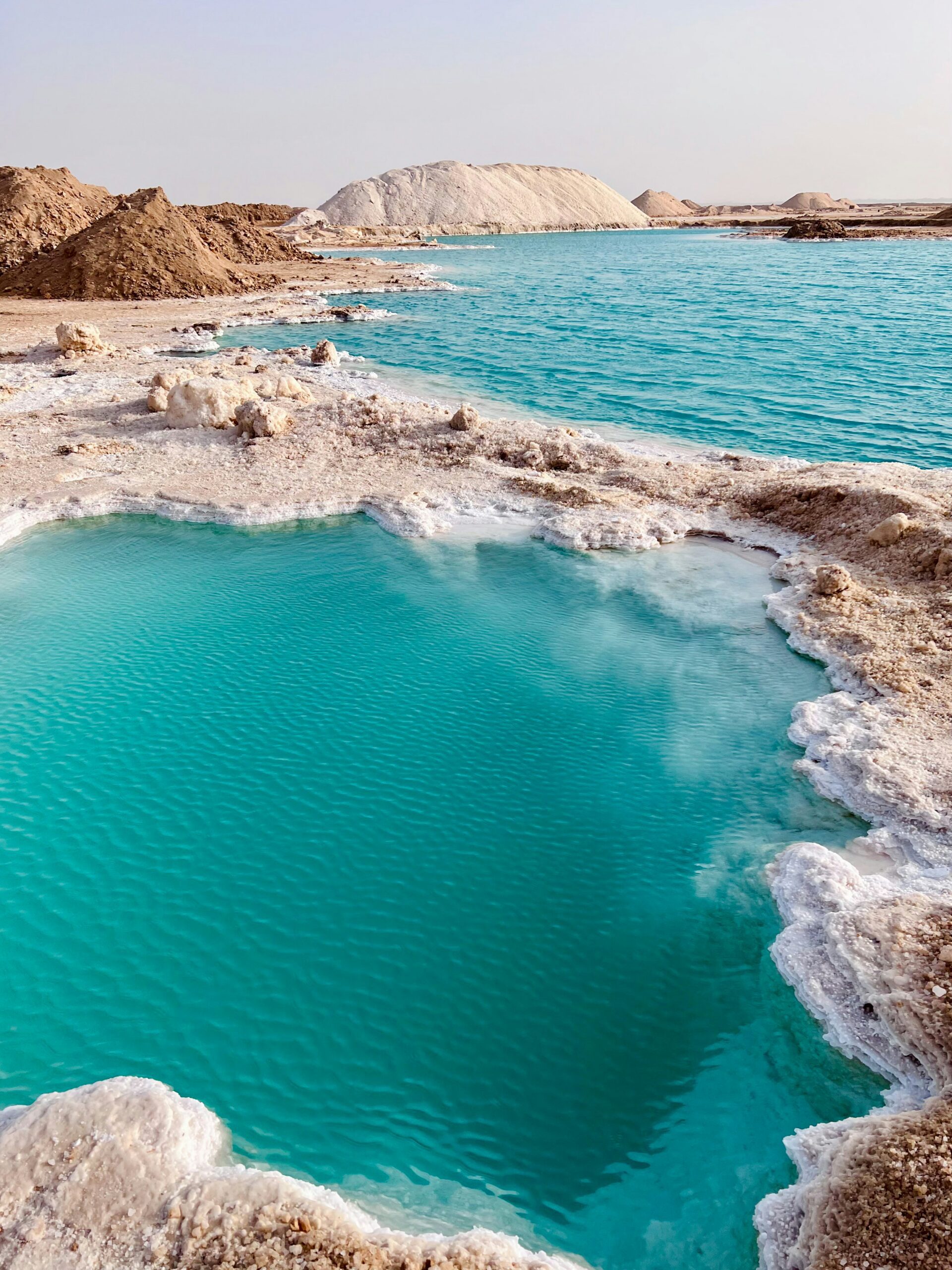
Today is a long day’s drive west along the Mediterranean coast, with a lunch stop in the coastal town of Marsa Matrouh. In the late afternoon we arrived at Siwa, the most remote of Egypt’s inhabited oases. Siwa sits within a depression 50 meters below sea level, surrounded by salt lakes, palm groves, and olive orchards. Its people speak Siwi, a Berber dialect distinct from Arabic, and the oasis retains a culture and identity quite apart from the rest of Egypt.
Overnight for three nights at the Breezy Island Hotel, an eco-luxury retreat inspired by traditional Siwan style, built entirely from kershef (compressed salt rock and mud) and illuminated by the warm, natural glow of candles and oil lamps. (B/L/D)
A full day in Siwa takes in three sites of particular historical importance. Gebel El Mawta, the Mountain of the Dead, holds rock-cut tombs from the 26th Dynasty through the Roman period. The Temple of Amun at Aghurmi dates to the 7th century BC; in 331 BC, Alexander the Great traveled here to consult the oracle, who declared him the son of Zeus and the legitimate ruler of Egypt, a statement that shaped the political identity of the Hellenistic world. Our final stop of the day will be at Cleopatra’s Bath, a natural pool fed by underground springs that is still in use.
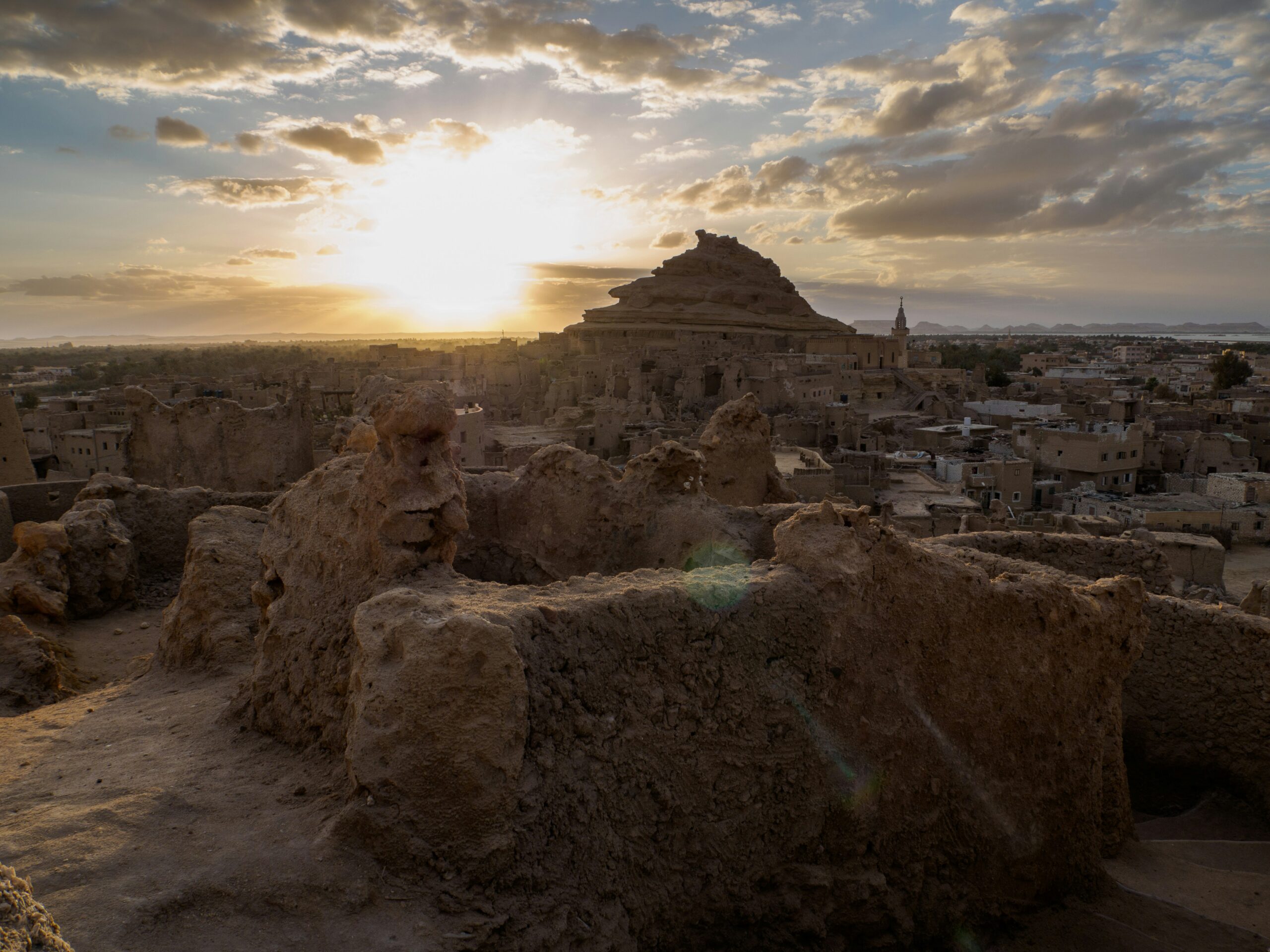
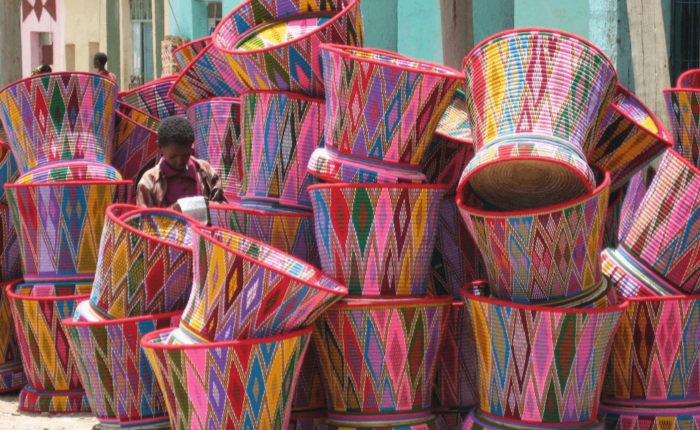
The morning is spent in Siwa town itself: the covered market, the narrow back streets, a cup of tea in a local café. There is time to shop for Siwan silver jewelry, embroidered textiles, and woven baskets before returning to the lodge. In the late afternoon we travel to the ruins of Shali, the ancient mud-brick fortress at the center of town, for a sunset experience like no other. Enjoy our farewell dinner at the lodge this evening. (B/L/D)
A long return drive east through Marsa Matrouh and Alexandria brings us back to Cairo by evening. Overnight at the Hilton Heliopolis for one night. (B/L/D)