

The fabled cities of the Inka, with their towering stone walls guarded by warriors in golden armor, have captured the imagination for centuries. Yet the Inka were only the last in a long lineage of remarkable cultures that rose along Peru’s desert coast and in its high valleys. The Caral, Chavín, Moche, Wari, Sicán, and Chimú each built cities, temples, and kingdoms, and the Inka inherited (and reshaped) all of it. On this journey you follow that story in the order it happened, beginning on the coast where it started and ending in the mountain capital where it culminated.
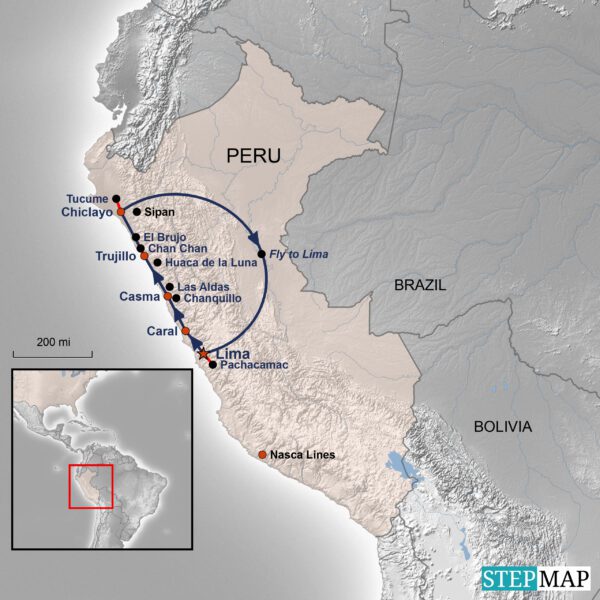
You begin on Peru’s North Coast, where recent discoveries continue to rewrite Andean prehistory. At Pachacamac, the museum director leads you through one of the great pilgrimage centers of the ancient Andes. At Caral, you walk the plazas of a city that flourished while the pyramids of Egypt were being built. By special arrangement, project director Dr. Iván Ghezzi welcomes you at sunset to Chankillo, the 2,300-year-old solar observatory he brought to international attention. Our visit falls within a week of the June solstice, the very event its Thirteen Towers were built to mark. Farther north, you stand among the adobe palaces of Chan Chan, capital of the Chimú, and see the gold and silver of the Lord of Sipán and the tattooed Señora de Cao, two of the most important archaeological finds of the past half-century.
Then the journey climbs into the Andes. In the Sacred Valley of the Urubamba, you explore the Inka fortress-temple of Ollantaytambo, the salt pans of Maras, the circular terraces of Moray, and the royal estate of Chinchero. You spend an afternoon at Machu Picchu and stay the night below the sanctuary. In Cusco, the Inka capital, tour Sacsayhuamán with archaeologist Dr. Alexei Vranich (if available) and see the Machu Picchu collections at the Casa Concha Museum with Dr. Jean-Jacques Decoster (if available).
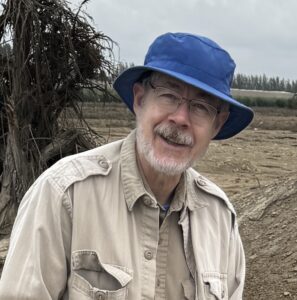
Your leader throughout is Dr. Dan Sandweiss, Professor of Anthropology and Climate Studies at the University of Maine, who has spent his career studying how the peoples of coastal Peru adapted to the sea, the desert, and the shocks of El Niño. His perspective connects the earliest fishing villages and monumental centers of the coast to the empire that ruled from Cusco, the full arc of “the Inka and their ancestors.”
Along the way, you’ll taste a country whose cooking is as layered as its history: ceviche and criollo dishes in Lima, seafood in the fishing village of Huanchaco, Andean fare in the Sacred Valley, and a farewell dinner in Cusco paired with a tasting of pisco, Peru’s national spirit.
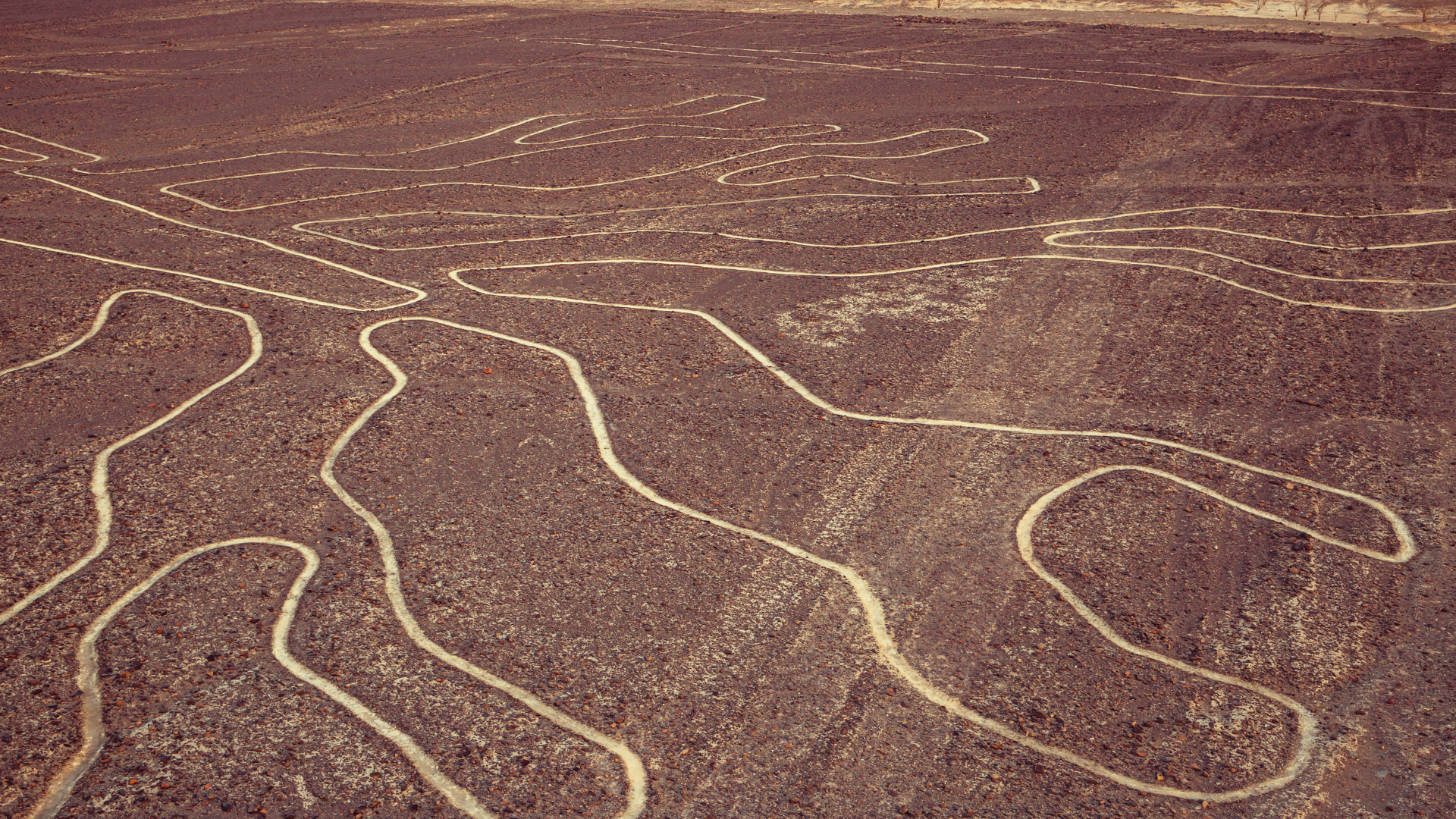
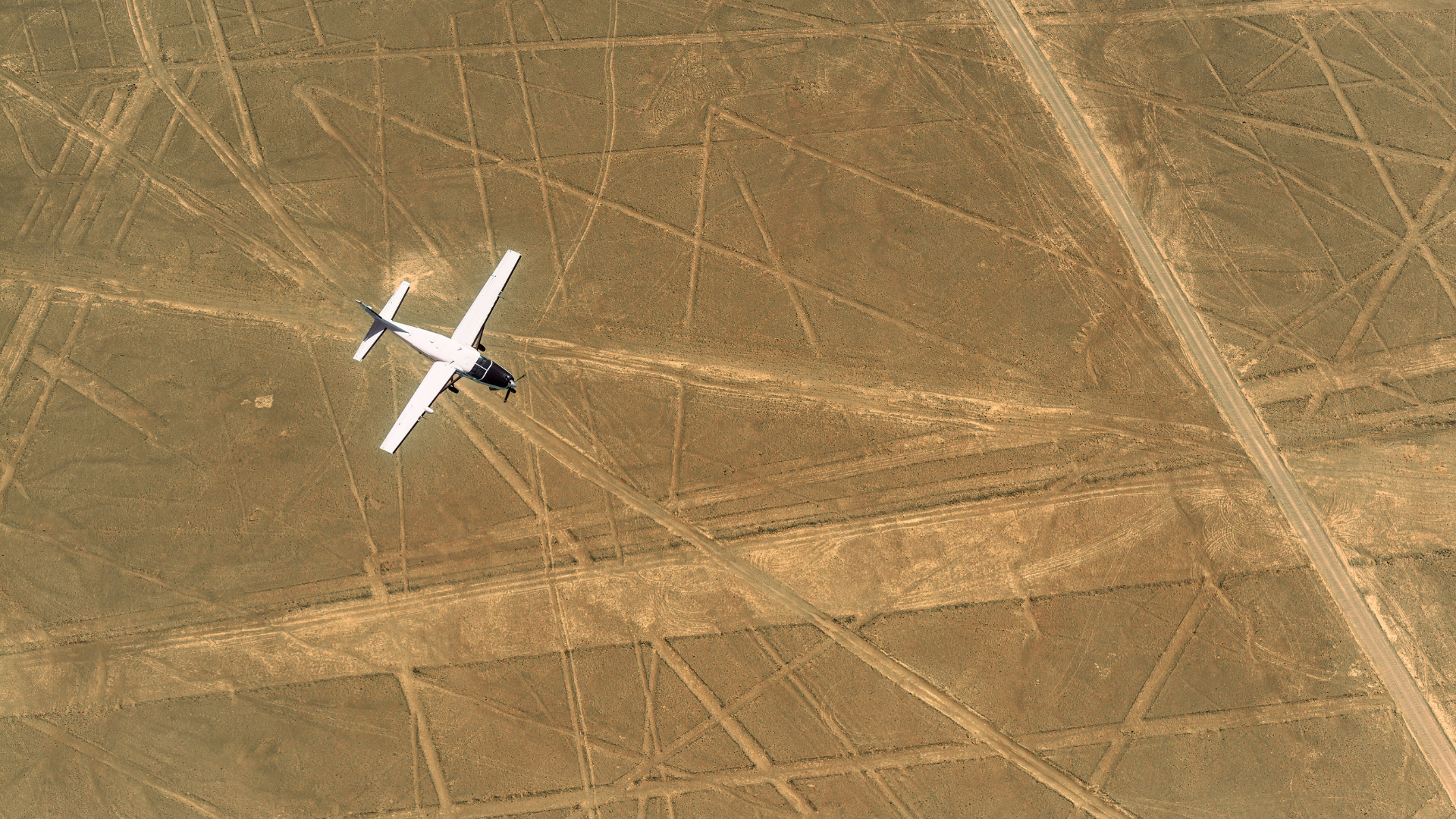
If you choose to join the extension, you will see an eighth UNESCO World Heritage Site, the Nazca Lines — geoglyphs etched into the desert floor whose purpose is still debated — along with the Paracas coast and the Inka outpost of Tambo Colorado.
(If you have any questions about this tour itinerary, get in touch.)
Depart on a flight bound for Lima. Upon arrival, transfer to the Casa Andina Select in the seaside district of Miraflores, your home for the next two nights.
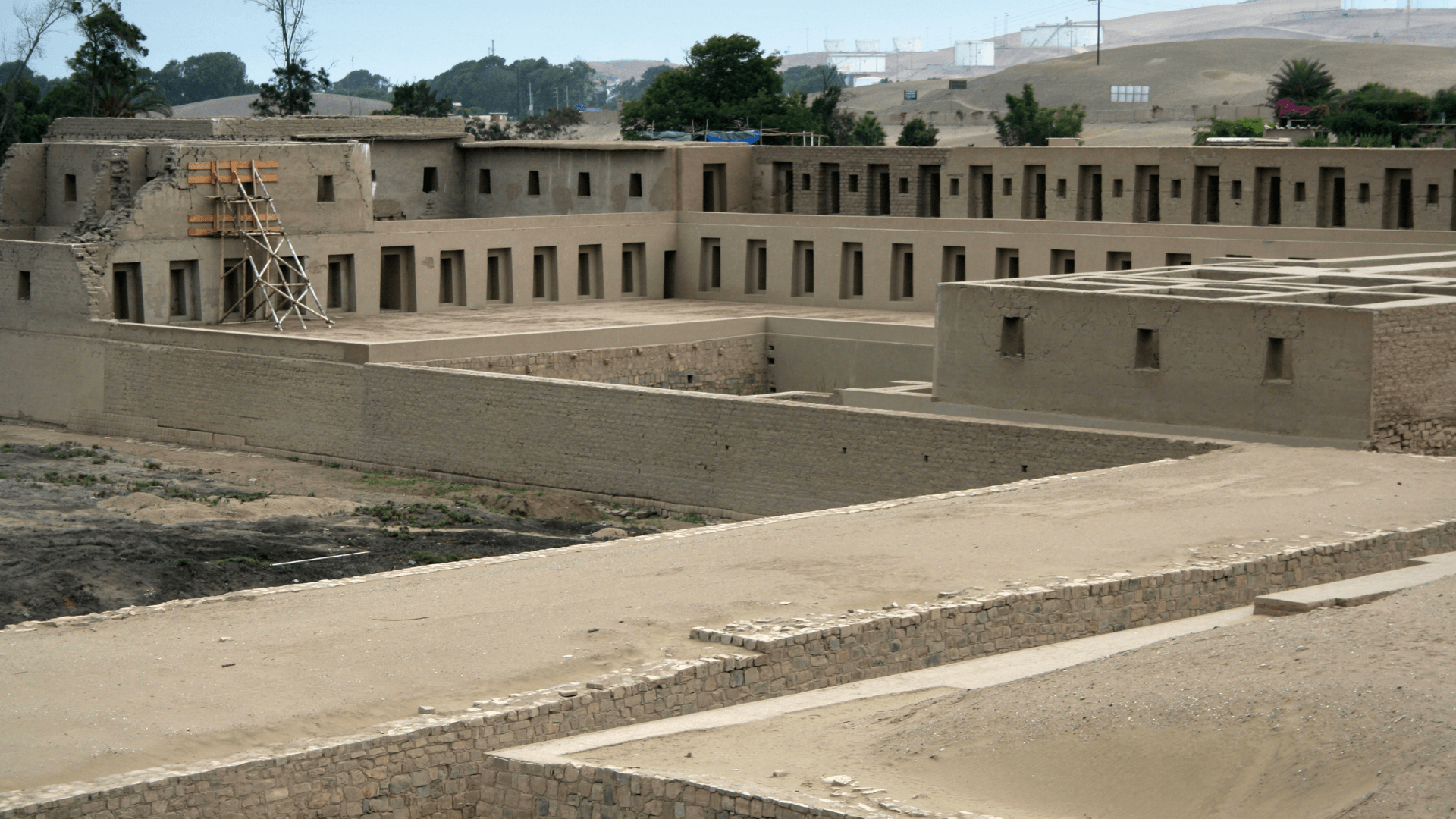
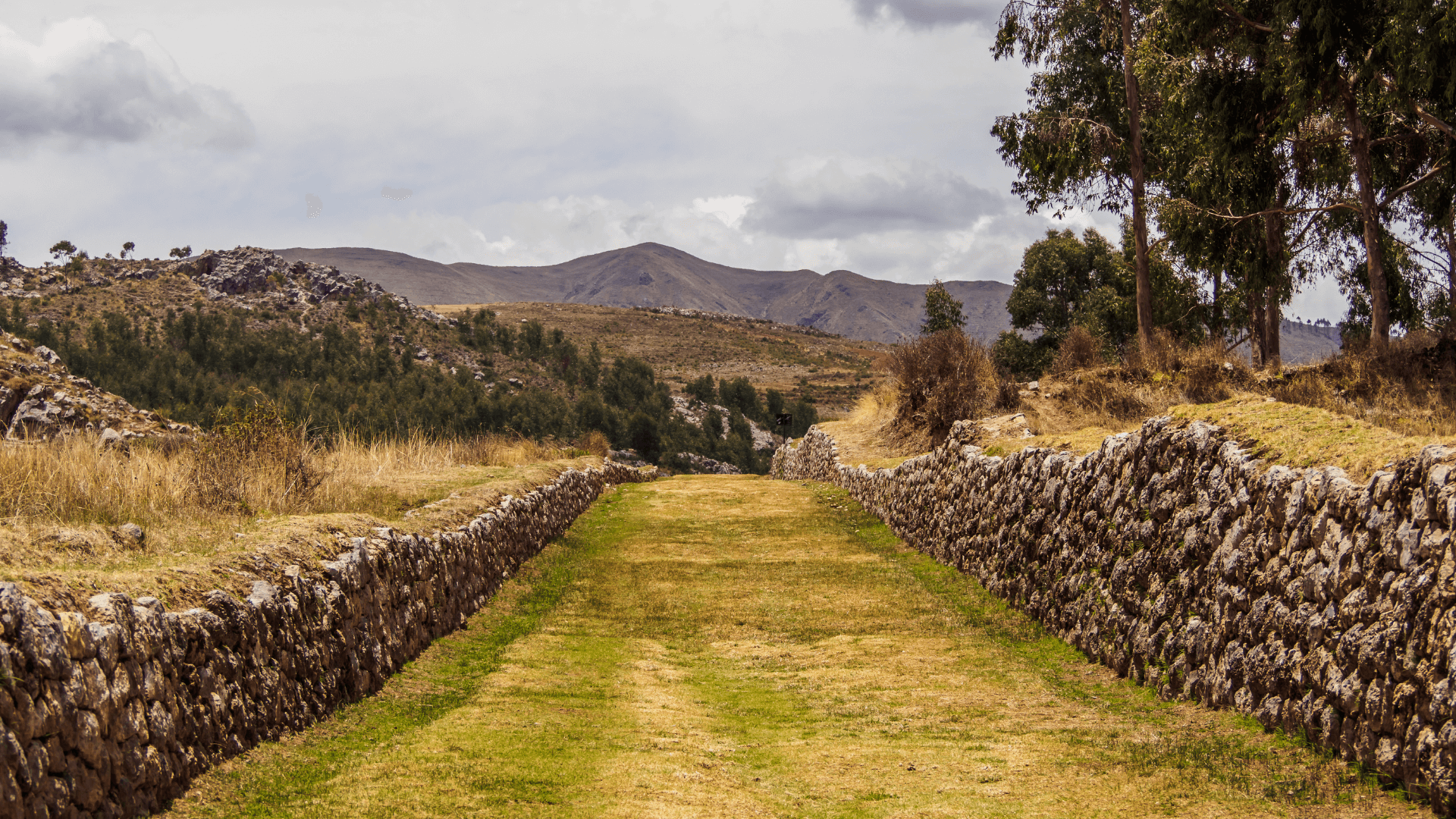
Drive south along the Pan-American Highway to Pachacamac, once home to a famed oracle. For nearly 2,000 years, this was a pilgrimage site for the societies of the Peruvian coast, and the Inka themselves honored it after they conquered the region. The ceremonial center was named for the deity Pachacamac, the “Earth-maker,” a powerful and feared god credited with creating the world — and with causing earthquakes. By special arrangement, museum director Denise Pozzi-Escot leads you on a private tour. Within the ceremonial center stand great pyramidal temples, some still bearing traces of painted murals on their adobe walls, and the site museum displays the carved wooden idol of Pachacamac, found intact during excavations in 1939. Here you also see your first stretch of the Inka road, the Qhapaq Ñan. Enjoy a simple lunch at the site café, known for its empanadas and coffee.
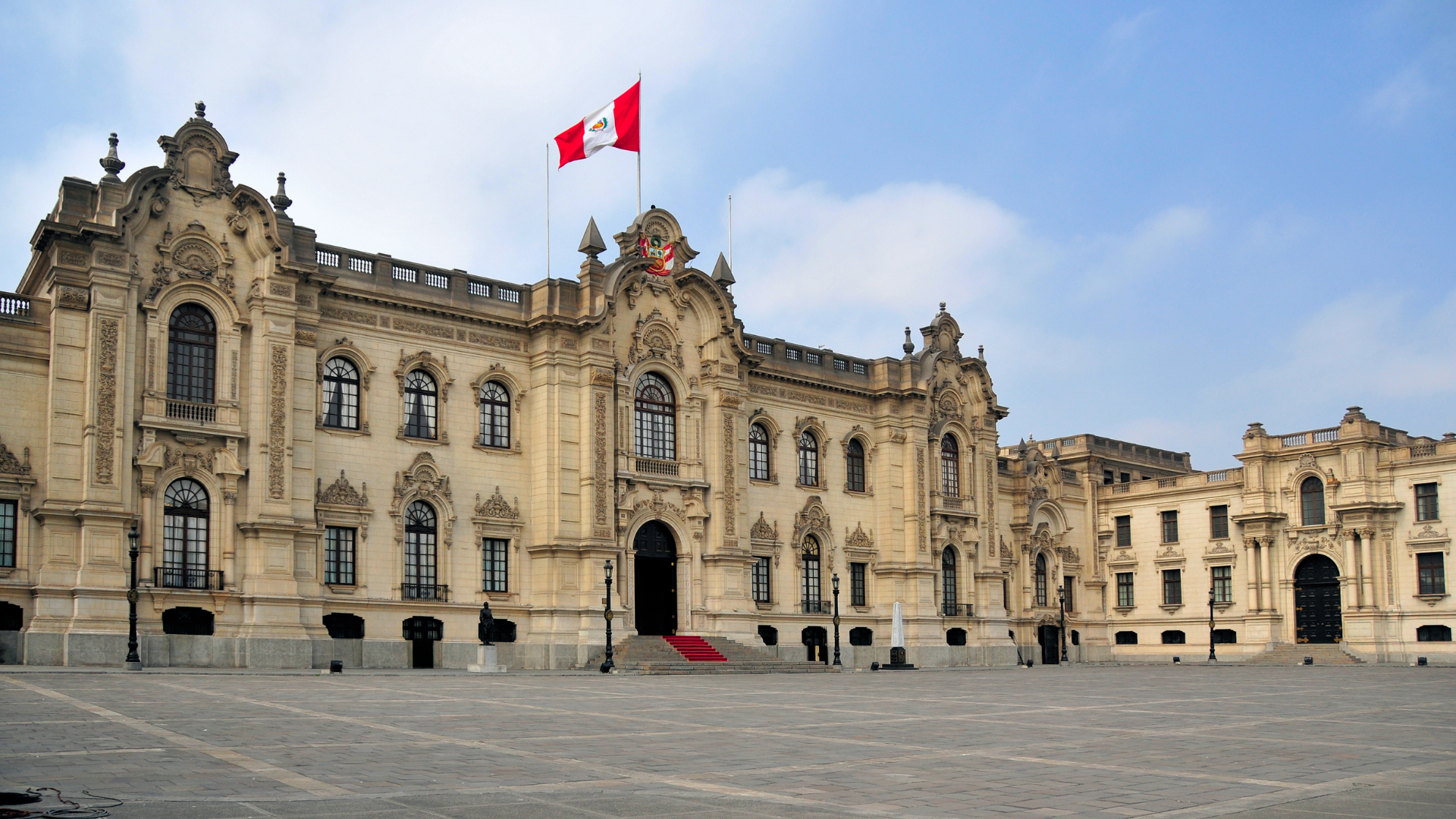
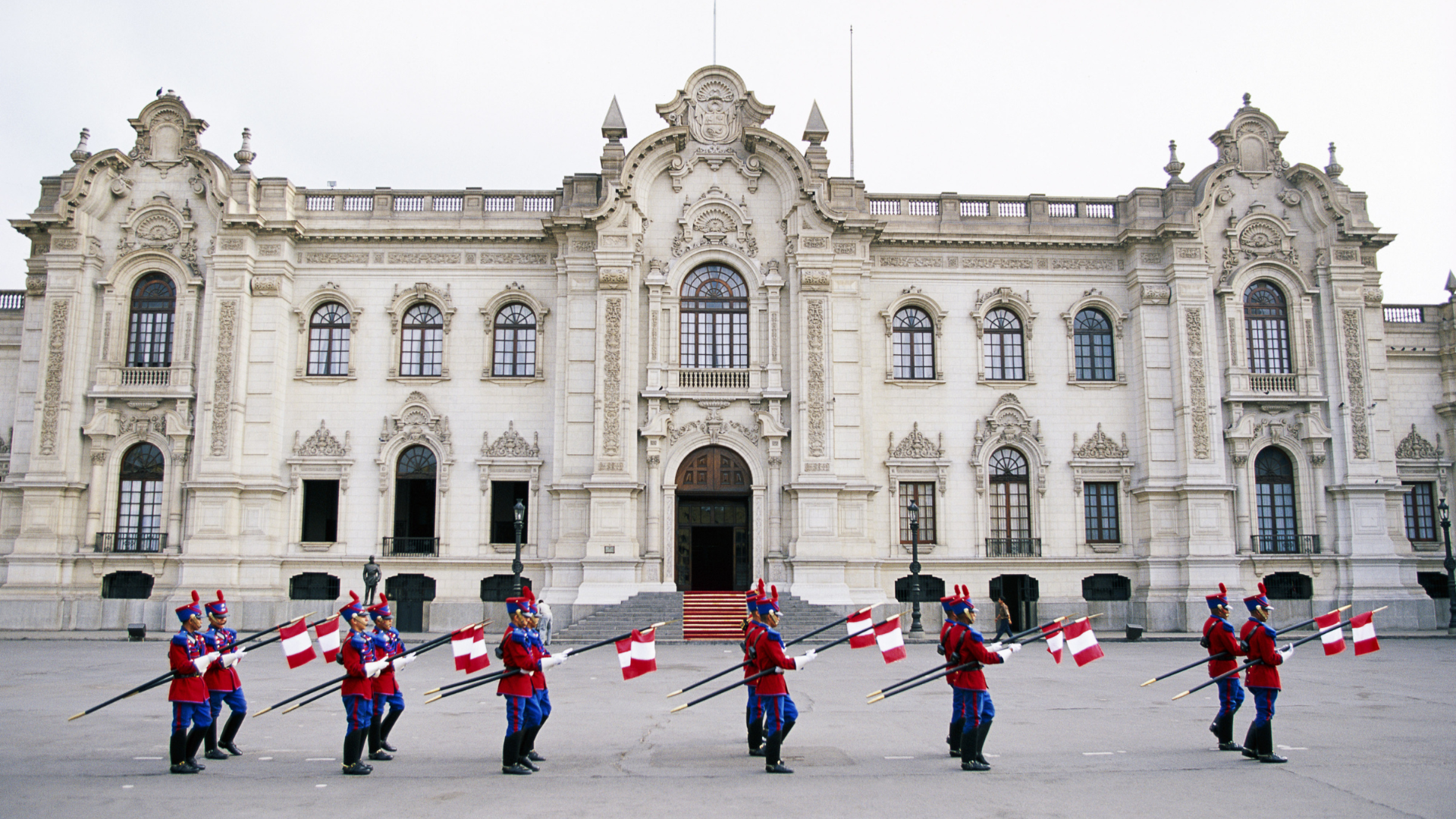
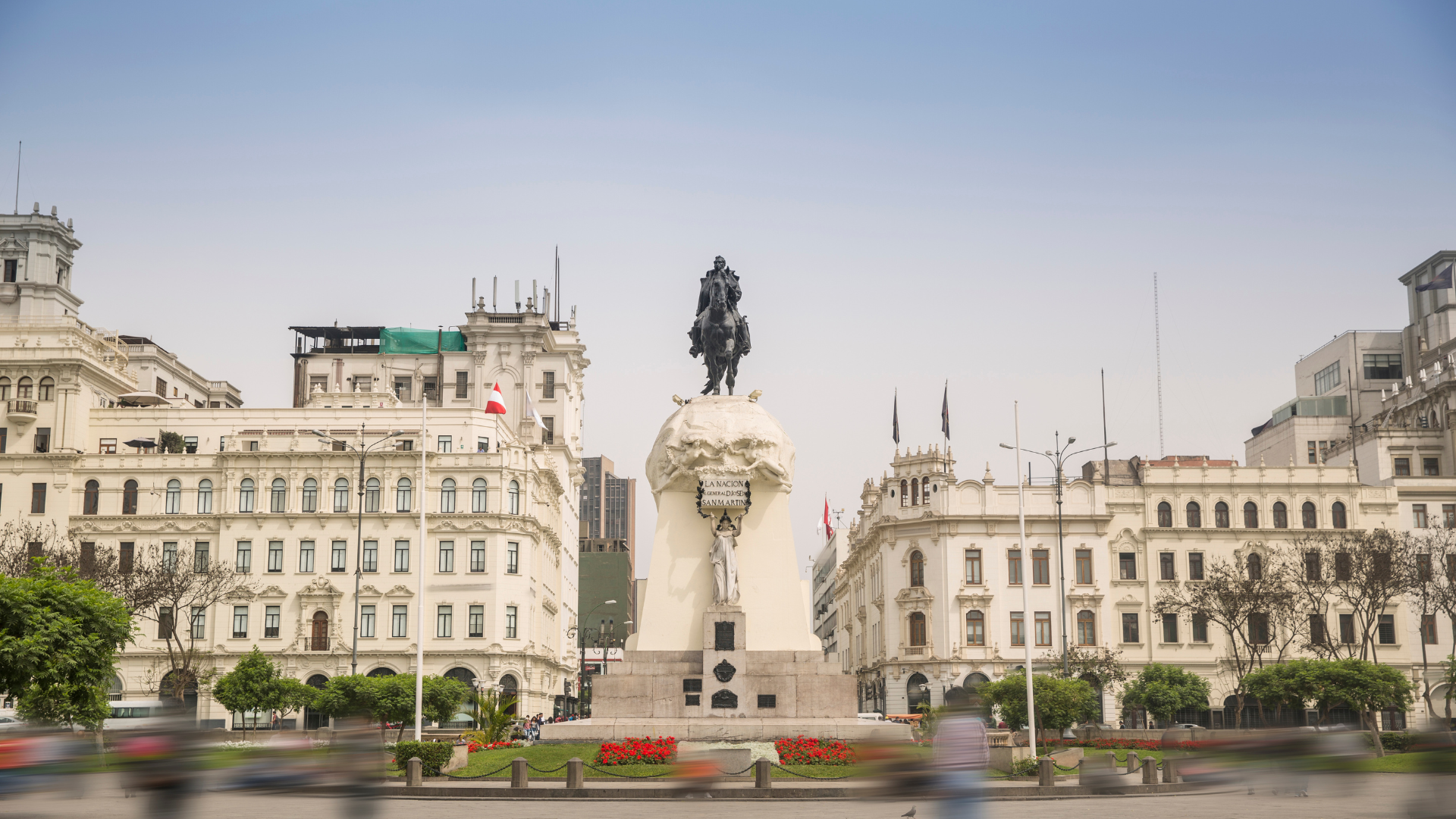
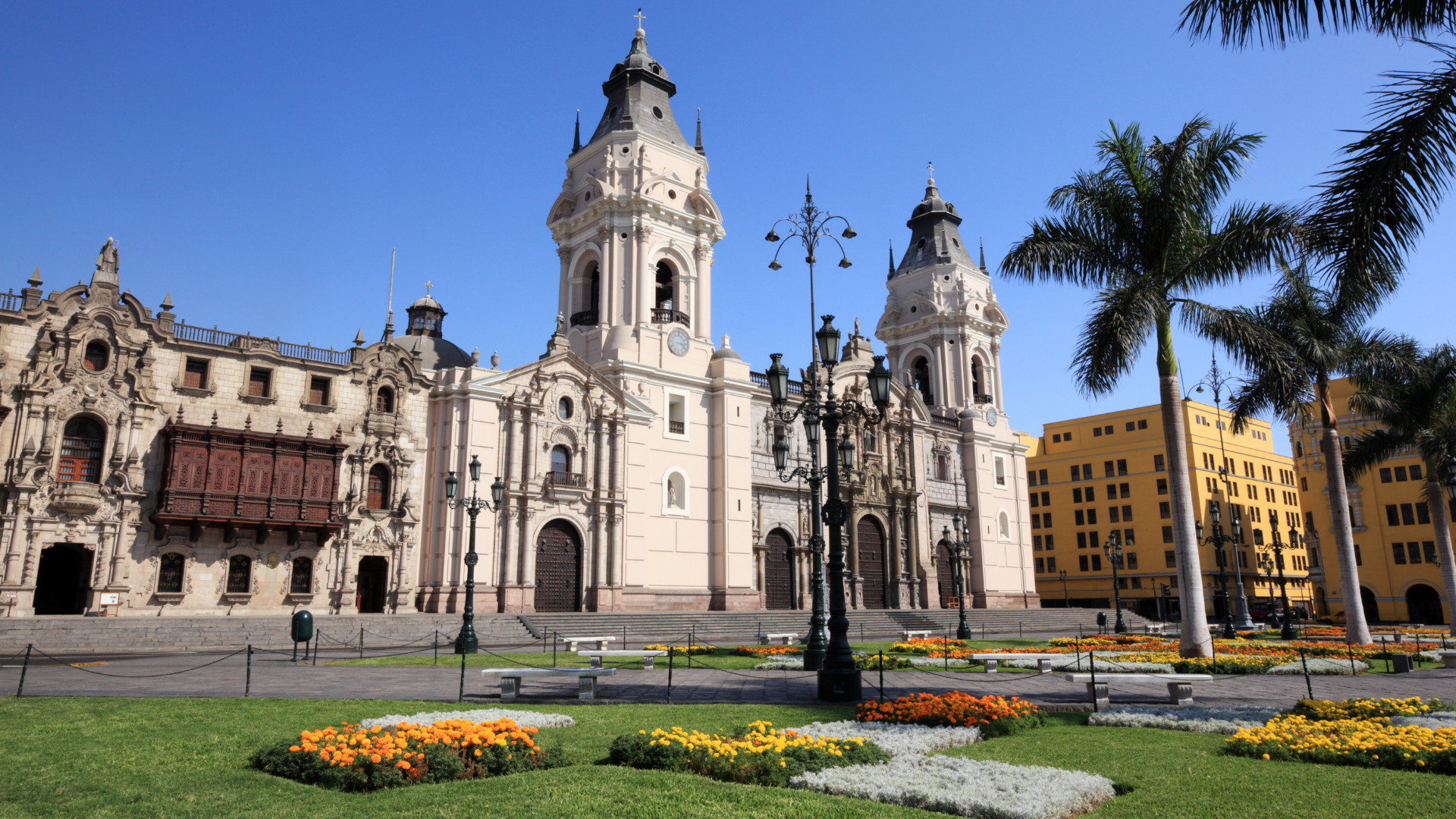
Return to Lima in the afternoon to tour the historic center, a UNESCO World Heritage Site founded by Francisco Pizarro in 1535. Visit the Main Square, the Cathedral, where Pizarro is entombed, and the Church and Convent of San Francisco, with its carved cedar ceilings and catacombs.
Gather this evening for a welcome dinner at a Lima restaurant known for traditional Peruvian cooking. (B/L/D)
Depart Lima and drive north along the coast to Vichama, in the Huaura Valley. Occupied in the centuries after Caral’s peak, Vichama is known for its clay reliefs of emaciated human figures and toads — imagery archaeologists read as a record of drought and the hope for returning water, a theme of particular interest to Dr. Sandweiss, whose research focuses on climate and ancient societies.
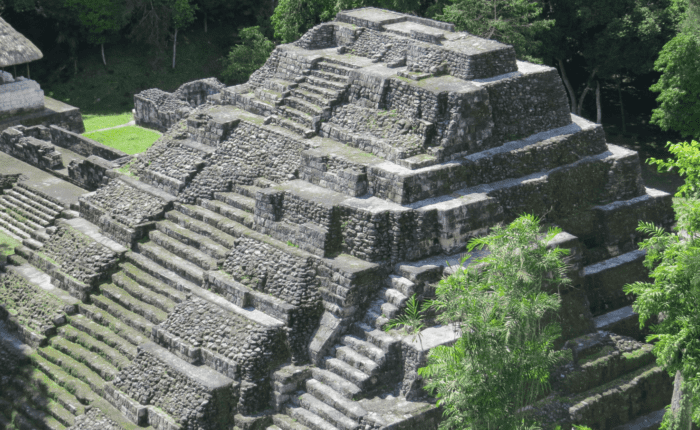
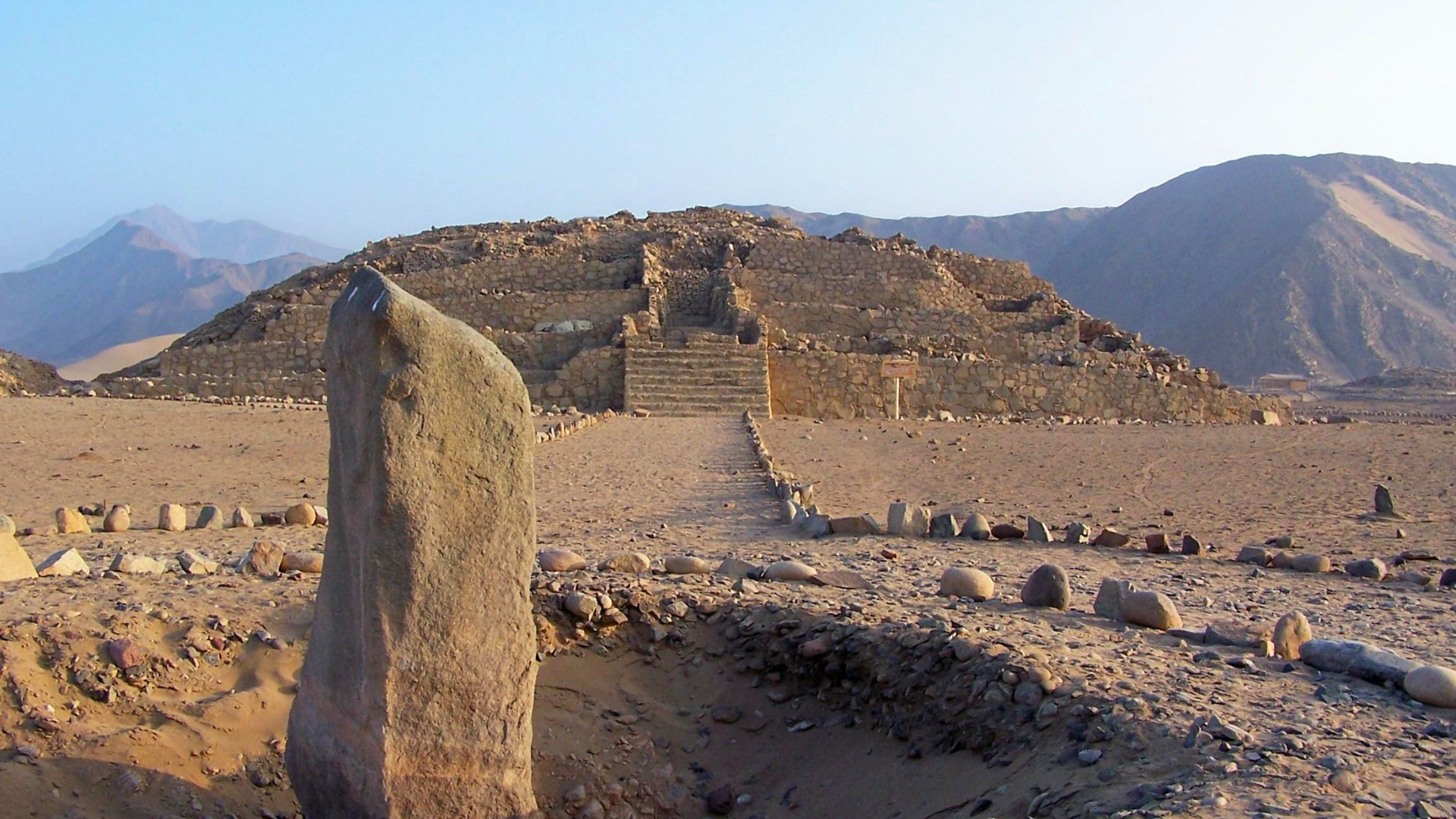
Continue to Caral, in the Supe Valley, a UNESCO World Heritage Site. Radiocarbon dates show that this city was flourishing by around 2600 BC, while the pyramids of Egypt were being built, making it the oldest known urban center in the Americas. Caral thrived for centuries with monumental pyramids, sunken circular plazas, and irrigation, all signs of a society with strong, centralized leadership — and remarkably, it achieved all of this before the use of pottery. After a boxed lunch, and time permitting, visit the community museum in Supe.
Overnight at the Empedrada Lodge near Caral. (B/L/D)
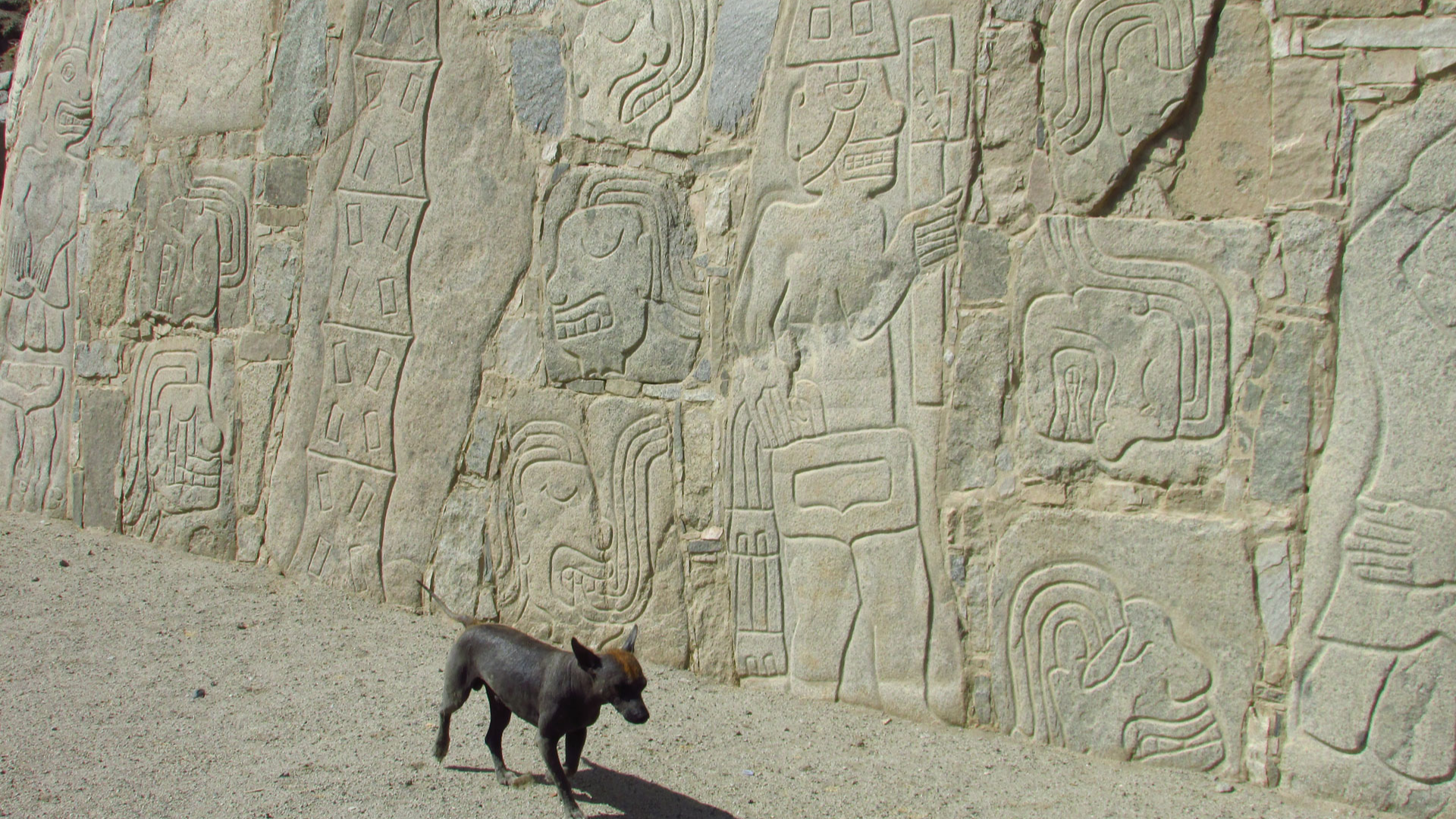
Your explorations of the North Coast continue with a stop at the massive adobe Fortaleza de Paramonga, built during the Chimú Empire. Its formidable terraced walls were not enough to stop the Inka army from taking it. Traces of the painted murals admired by Hernando Pizarro when he passed by in 1533 remain, as do segments of the Qhapaq Ñan. Continue to Cerro Sechín, best known for the wall enclosing its central temple, where tall stone monoliths are carved with processions of warriors and the mutilated bodies of their victims.
After lunch in Casma, travel by four-wheel-drive vehicles to Chankillo, a UNESCO World Heritage Site in the Casma Valley. More than 2,000 years ago, thirteen towers were built along a low ridge so that, seen from fixed observation points, the sun rises and sets over a different tower as it moves through the year, solstice to solstice. Chankillo is the oldest known solar observatory in the Americas, and it suggests the sun held a central place in religious and political life nearly two millennia before the Inka sun cult. You visit just days before the June solstice, when the sunrise reaches the northern end of the towers.
By special arrangement, Chankillo Project Director Dr. Iván Ghezzi leads you on a private tour of the site at sunset.
In the evening, transfer to Las Aldas Hotel near Casma. This rustic seaside hotel offers simple but atmospheric accommodation and excellent food. (B/L/D)
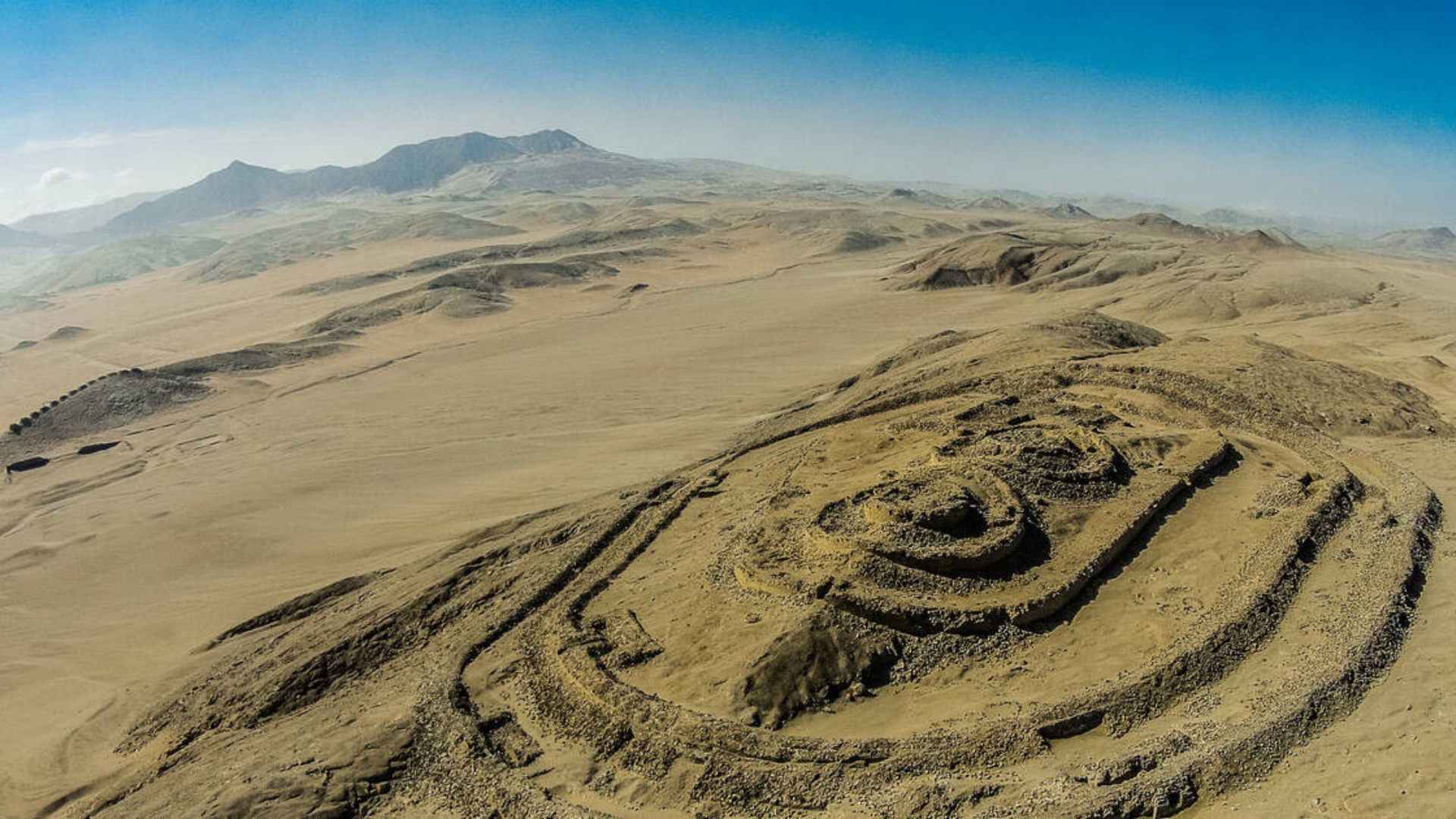
Rise early to return to Chankillo and watch the sun come up over the towers. Your morning continues at the nearby site of Las Aldas, one of the largest early monumental centers on the coast, remarkable for its enormous platform mound anchoring a sequence of sunken circular plazas and terraces that step down toward the sea.
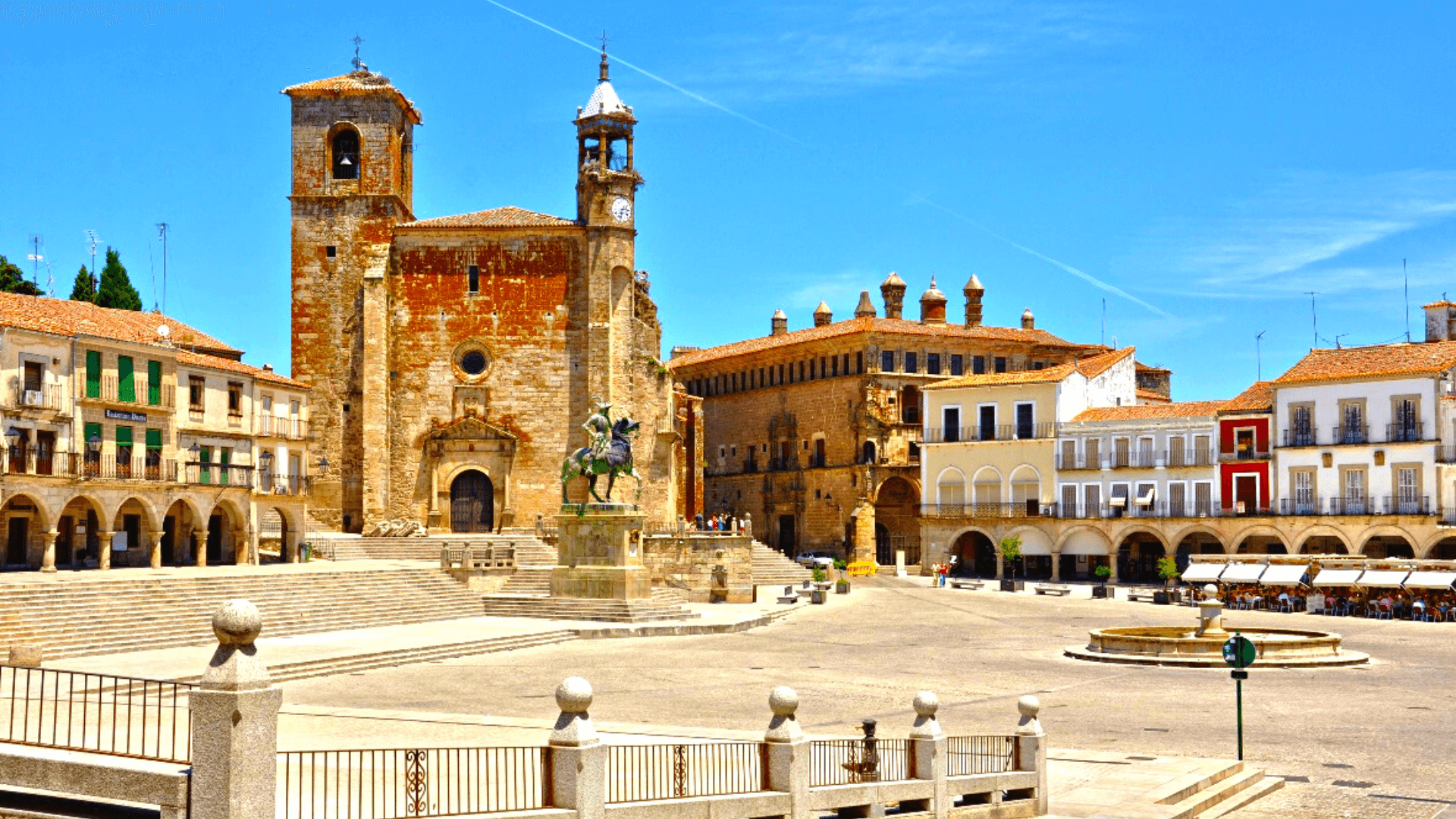
After a picnic lunch, make your way north to Trujillo, the colonial city of the Moche Valley. Founded in 1535 and named after Francisco Pizarro’s birthplace in Spain, Trujillo became a resting point on the Spaniards’ route between Lima and Quito. Walk the Plaza de Armas and admire the 17th- and 18th-century mansions with their carved wooden balconies and wrought-iron window grilles.
Overnight for two nights at the Costa del Sol Centro in Trujillo. (B/L/D)
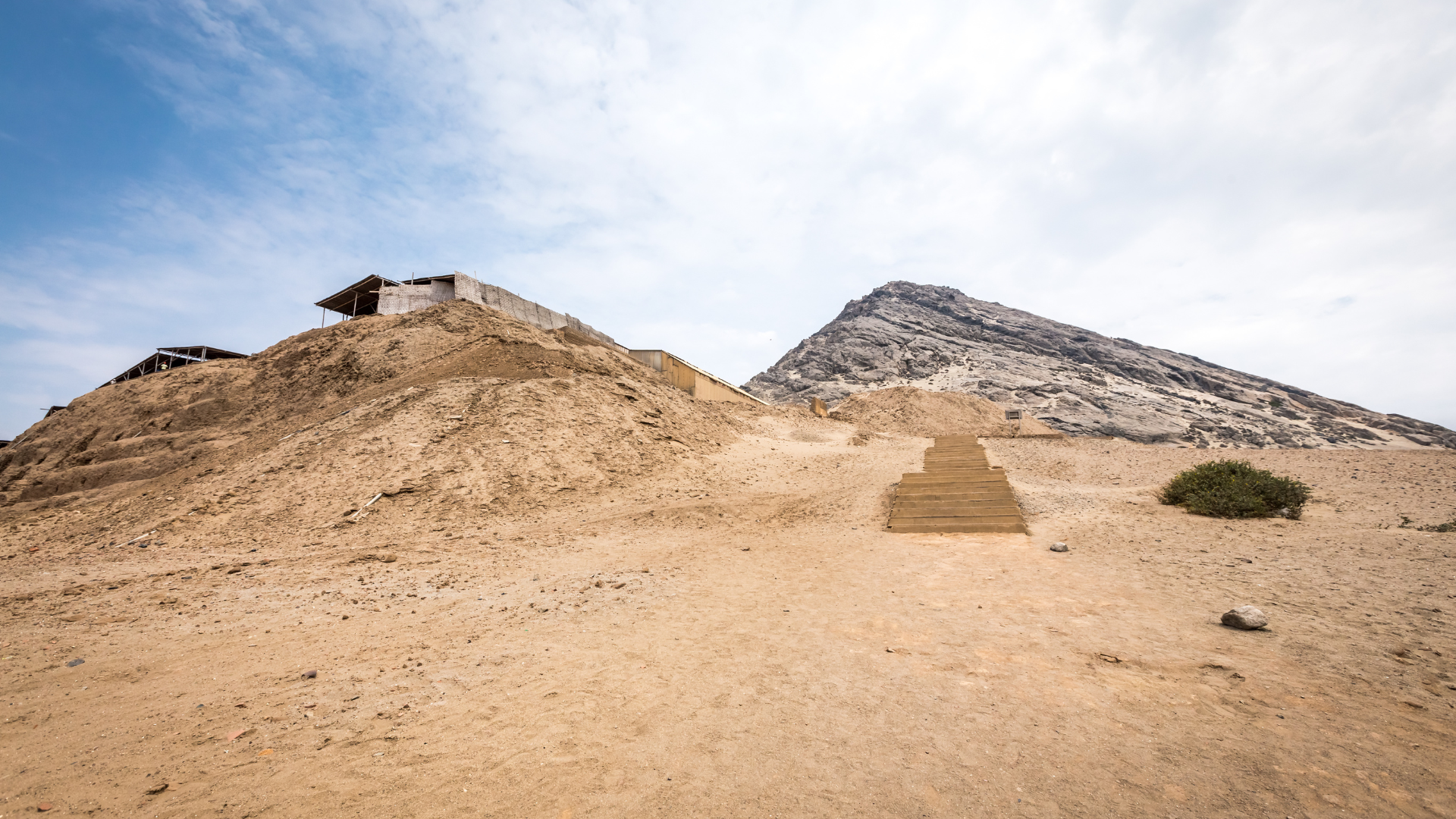
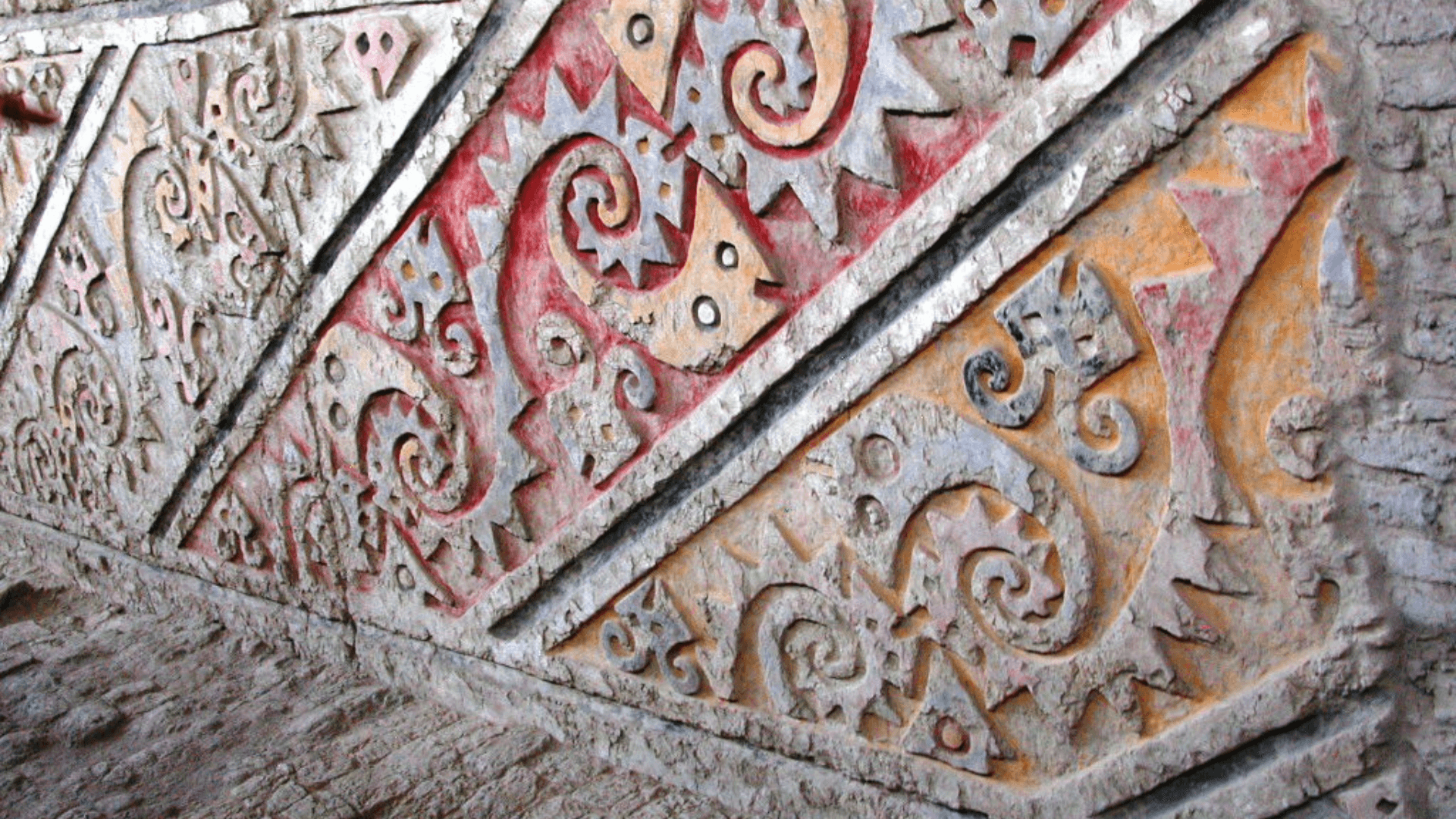
This morning, visit the Moche capital. The Huaca del Sol, or Pyramid of the Sun, was the largest adobe structure built in the ancient Americas, raised from millions of mudbricks in the early centuries AD. At the nearby Huaca de la Luna, or Pyramid of the Moon, archaeologists have uncovered successive layers of painted friezes still bright with red, yellow, and black, including images of the fanged deity known as the Decapitator. The Museo Huacas de Moche displays the finest objects recovered from the site.
Lunch in Huanchaco, the fishing village where local fishermen still ride the waves in caballitos de totora, reed boats of a design depicted on Moche pottery nearly 2,000 years ago.
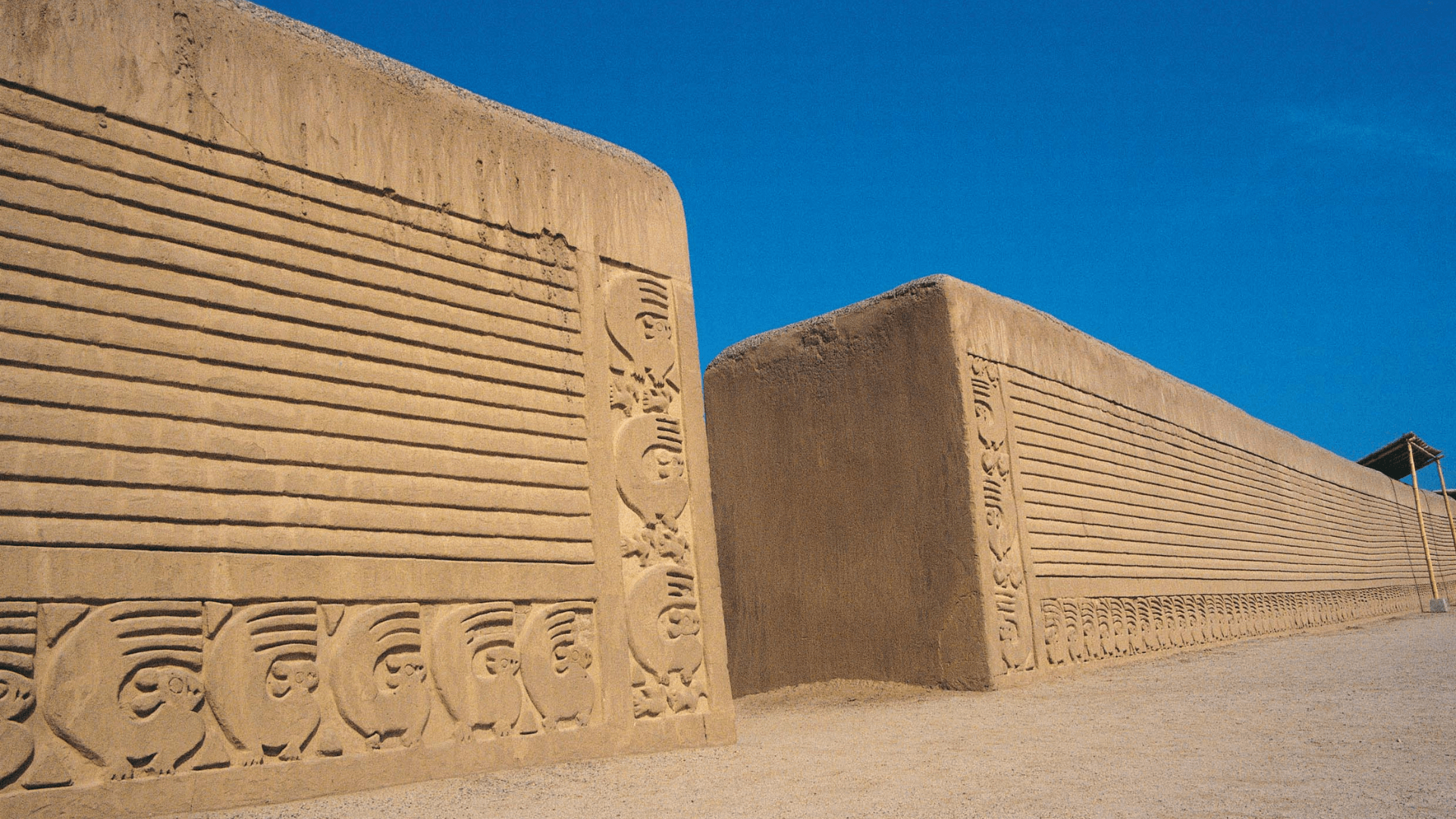
Then it is on to Chan Chan, a UNESCO World Heritage Site. Overlooking the sea and covering some 20 square kilometers, this capital of the Chimú Empire was built entirely of adobe and was one of the largest cities in pre-Columbian South America. Its walled palace compounds, built for successive rulers, are decorated with friezes of fish, seabirds, and waves in elegant repeating patterns.
Dinner tonight is on your own in Trujillo. (B/L)
An early start brings you to the Moche complex of El Brujo, in the Chicama Valley. Archaeologists here have uncovered painted reliefs of prisoners, warriors, and the spider-like Decapitator that once covered the face of the Huaca Cao Viejo pyramid. The most sensational find was the intact tomb of the Señora de Cao, a tattooed woman buried around AD 450 with war clubs, gold nose ornaments, and fine textiles — evidence that women held the highest ranks of power in Moche society. If available, an archaeologist from the El Brujo project will join you for a private tour, including the site museum where the Señora rests today.
After a boxed lunch on the road, stop at San José de Moro in the Jequetepeque Valley, a Moche cemetery where archaeologists excavated the tombs of the Priestesses of San José de Moro. Here, visit a local pottery workshop where artisans keep alive the ceramic traditions of the region.
In the afternoon, reach Huaca Rajada, where the discovery of the royal tombs of Sipán in 1987 electrified the archaeological world. When archaeologists opened the unlooted burial of a Moche ruler, they found not only his remains but a cache of gold and silver ornaments, semi-precious stones, pottery, and the companions buried with him for the journey to the next world. You see the tombs in situ and the site museum.
Continue to Chiclayo, the gateway to Peru’s northern archaeological zone, and overnight for two nights at the Casa Andina Select Chiclayo. (B/L/D)
The region around Chiclayo was home to a succession of cultures. Your first stop this morning is Túcume, the “Valley of the Pyramids,” where the Lambayeque (also known as Sicán) people raised more than two dozen adobe pyramids beginning around AD 1100. The site was conquered by the Chimú in the 14th century and absorbed into the Inka Empire in the 15th, before falling to the Spanish a century later. It holds the highest concentration of monumental architecture and some of the finest mural art in the Lambayeque region.
Continue to the Sicán Museum in Ferreñafe. Over decades of investigation at Batán Grande, the Sicán Archaeological Project has revealed a society that built monumental temples and irrigation systems that turned the desert into farmland. Its nobility was buried in deep shaft tombs, some 40 feet down, with gold masks, jewelry, and ceremonial objects of gold, silver, and feathers — displayed here alongside reconstructions of the tombs.
After lunch at the museum café, spend the afternoon at the Royal Tombs of Sipán Museum in Lambayeque, designed in the form of a Moche pyramid, which houses the treasures of the Lord of Sipán (not to be confused with Sicán) recovered from Huaca Rajada. (B/L/D)
Fly this morning from Chiclayo via Lima to Cusco, the capital of the Inka Empire. Rather than staying in the city, you descend immediately into the lower, warmer Sacred Valley of the Urubamba, an easier altitude for your first nights in the Andes. Enjoy a late lunch on arrival at your hotel.
In the afternoon, explore Ollantaytambo, a royal estate of the Inka ruler Pachacuti. Above the town, terraces climb to a temple complex crowned by six enormous monoliths of pink rhyolite, quarried across the valley and hauled up the slope. It was here in 1537 that Manco Inka, leading the resistance against the Spanish, defeated Hernando Pizarro’s forces by flooding the plain below. The town itself still follows its Inka street plan, with stone channels carrying water past houses that are lived in today.
Overnight at the Hotel Pakaritampu in Ollantaytambo. Dinner is on your own. (B/L)
Board the train this morning for the journey down the Urubamba gorge, as the valley narrows and the vegetation shifts from Andean farmland to cloud forest. From the town of Aguas Calientes, ride the switchback road up to the sanctuary and enjoy lunch at the Sanctuary Lodge at its entrance.
In the afternoon, explore Machu Picchu, a UNESCO World Heritage Site. Built in the mid-15th century, most likely as a royal estate of Pachacuti, the city was never found by the Spanish and was brought to world attention by Hiram Bingham in 1911. With Dr. Sandweiss, you walk among the Temple of the Sun, the Temple of the Three Windows, and the carved Intihuatana stone, and consider how the Inka shaped an entire mountaintop into terraces, plazas, and shrines. You also walk a stretch of the Qhapaq Ñan, part of the 30,000-kilometer road network that bound the empire together.
Overnight at the Inkaterra Machu Picchu Pueblo Hotel, set in a cloud-forest garden known for its native orchids and birdlife. (B/L/D)
The morning is free. You may wish to walk the hotel’s cloud-forest trails, or arrange an optional return visit to the sanctuary. Lunch is on your own in Aguas Calientes.
In the afternoon, take the train back up the valley to Ollantaytambo, with time to revisit the town or the fortress in the late light. Overnight at the Hotel Pakaritampu. (B/D)
Drive up onto the high plateau above the Sacred Valley to the salt pans of Maras, where thousands of terraced pools, fed by a single saline spring, have been worked since before the Inka and are still harvested by local families today. Nearby, at Moray, the Inka carved concentric circular terraces into natural depressions in the land. The temperature varies from the top to the bottom of each bowl, and many scholars believe the Inka used them to study how crops grew at different elevations.
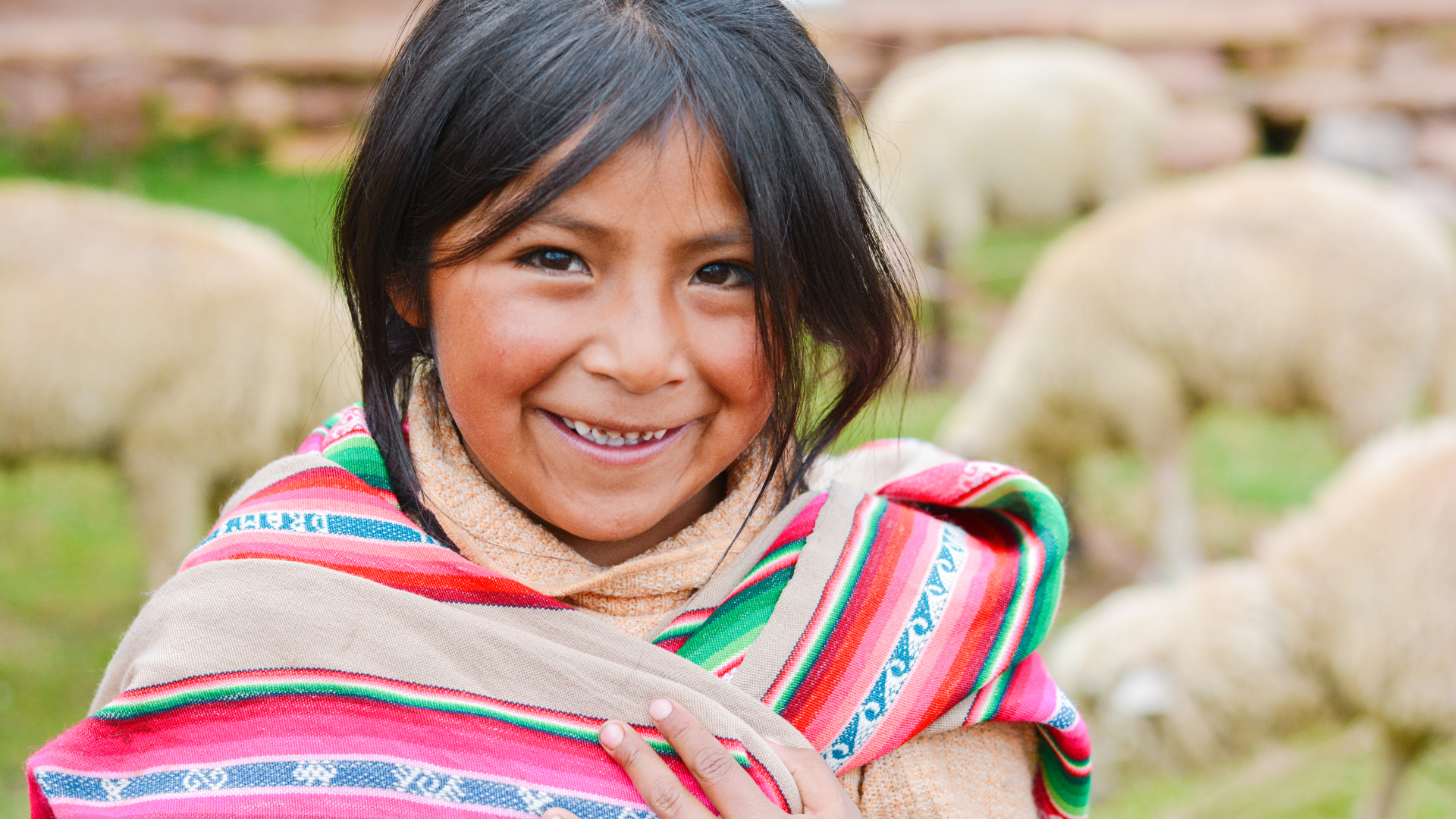
After lunch at a local restaurant, continue to Chinchero, the royal estate of the Inka ruler Topa Inka Yupanqui. A colonial church, its interior covered in painted decoration, stands on the Inka foundations above the town. Here, Nilda Callañaupa, a Chinchero native and founder of the Center for Traditional Textiles of Cusco, hosts you for a private weaving demonstration, showing how Andean techniques have been preserved and revived.
Continue to Cusco and check in to the Novotel Cusco, your home for the next three nights. (B/L/D)
This morning, explore Sacsayhuamán, the great ceremonial complex above Cusco, with archaeologist Dr. Alexei Vranich on a private tour. Its three tiers of zigzagging walls are built of limestone blocks, some weighing more than 100 tons, fitted so tightly that no mortar was needed. The Spanish dismantled much of it to build colonial Cusco; what remains is still the most ambitious display of Inka stonework anywhere.
After lunch at a local restaurant, drive south of the city to Pikillaqta, a vast walled administrative center built by the Wari between about AD 600 and 1000. Its grid of hundreds of identical rooms and enclosures shows the kind of statecraft — roads, storehouses, planned centers — that the Inka would later inherit and expand.
Dinner is on your own in Cusco. (B/L)
Spend the day in Cusco, a UNESCO World Heritage Site where Spanish colonial churches and mansions rise from Inka foundations. Begin at the Qorikancha, the Inka Temple of the Sun, whose walls were once sheathed in gold. The Spanish built the Church and Convent of Santo Domingo on top of it, and the finest Inka masonry in the city is still visible within. On the Main Square, visit the Cathedral, built over an Inka palace and home to a celebrated collection of Cusco School paintings, including a Last Supper in which Christ and the apostles dine on guinea pig.
After lunch, Dr. Jean-Jacques Decoster leads you on a private tour of the Casa Concha Museum. Housed in a colonial mansion, the museum displays the objects excavated at Machu Picchu by Hiram Bingham and returned to Peru by Yale University in 2011–2012.
This evening, gather for a farewell dinner with a tasting of pisco, Peru’s grape brandy. (B/L/D)
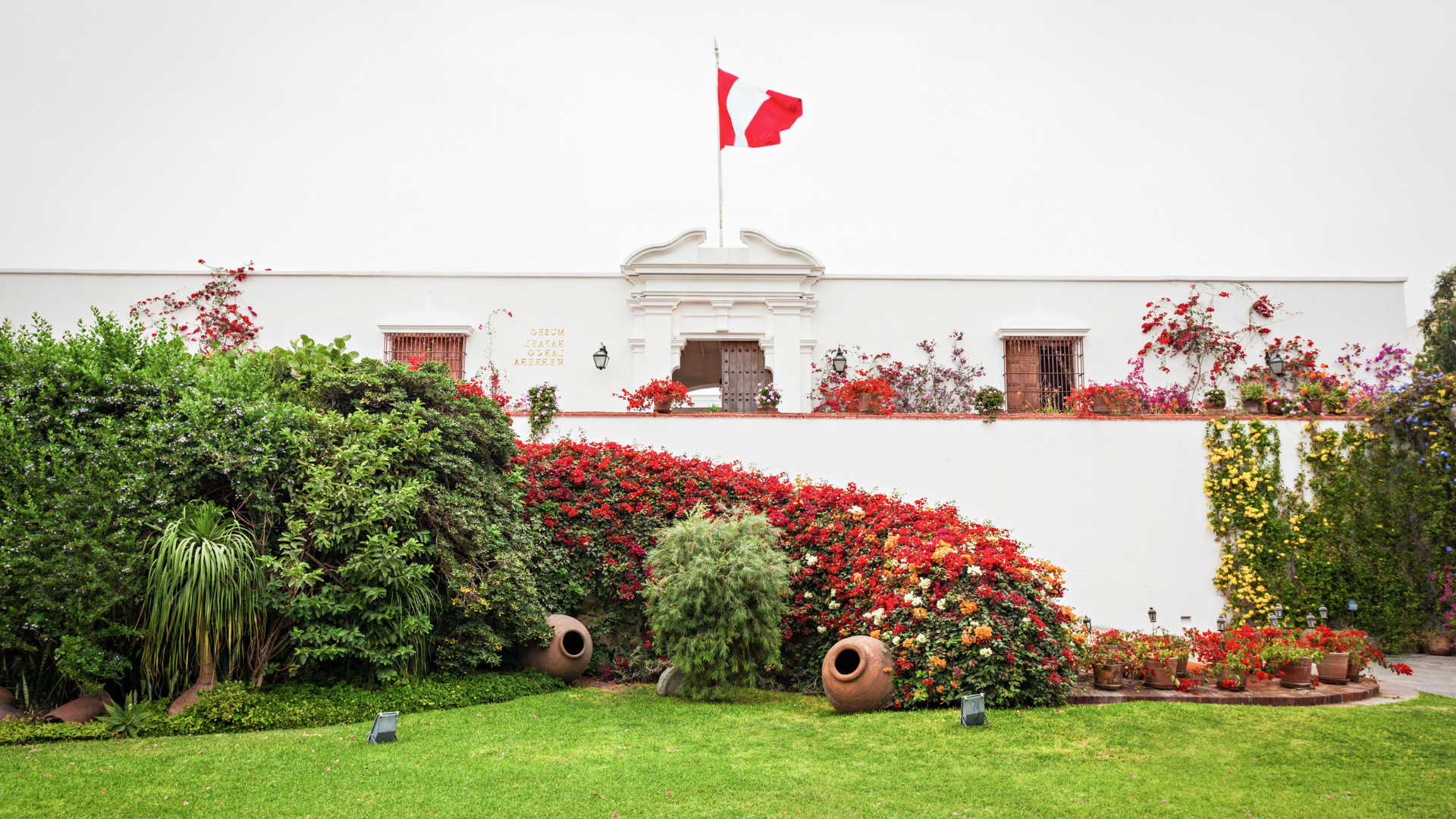
Fly back to Lima this morning and enjoy lunch at the garden restaurant of the Larco Museum. Housed in an 18th-century mansion built over a pre-Columbian pyramid, the museum was founded by Rafael Larco Hoyle in 1926 and holds one of the most complete collections of ancient Peruvian art, from Moche portrait vessels to gold and silver regalia — as well as its well-known gallery of erotic pottery. Time permitting, also visit the Museo de Oro.
Transfer to the airport in the late afternoon for international departures home.
Those continuing on the Nazca Lines post-trip extension overnight at the Costa del Sol Airport Hotel. Dinner is on your own. (B/L)
Arrive home.
Travel south from Lima along the desert coast to Paracas. After lunch at a local restaurant, visit the Ica Regional Museum for an introduction to the Paracas and Nazca cultures, whose textiles and polychrome ceramics are among the finest produced in the ancient Andes.
Overnight for two nights at the Paracas Hacienda Hotel. (B/L/D)
This morning, board a small plane in Pisco for a flight over the Nazca Lines, a UNESCO World Heritage Site. Best seen from the air, the vast figures of a hummingbird, monkey, spider, and other creatures, along with straight lines running for miles across the desert, were created by the Nazca people between about 500 BC and AD 500 — and their purpose remains one of the great debates of Andean archaeology.
After lunch in Paracas, tour the Paracas National Reserve, where more than 100 archaeological sites have been identified, many belonging to the Paracas culture, renowned for its embroidered textiles. Visit the local museum and take in the views of the Pacific coastline. (B/L/D)
In the morning, take a boat tour to the Ballestas Islands, home to Humboldt penguins, Guanay cormorants, and sea lions.
Your final stop is Tambo Colorado, one of the best-preserved Inka sites on the coast. Rectangular adobe buildings enclose a large trapezoidal plaza with an ushnu, a ceremonial platform typical of Inka administrative centers. The walls still carry painted bands of red, yellow, and white, along with the trapezoidal niches characteristic of Inka architecture.
After lunch in Pisco, return to Lima and transfer to the airport for flights home. (B/L)
Arrive Home.