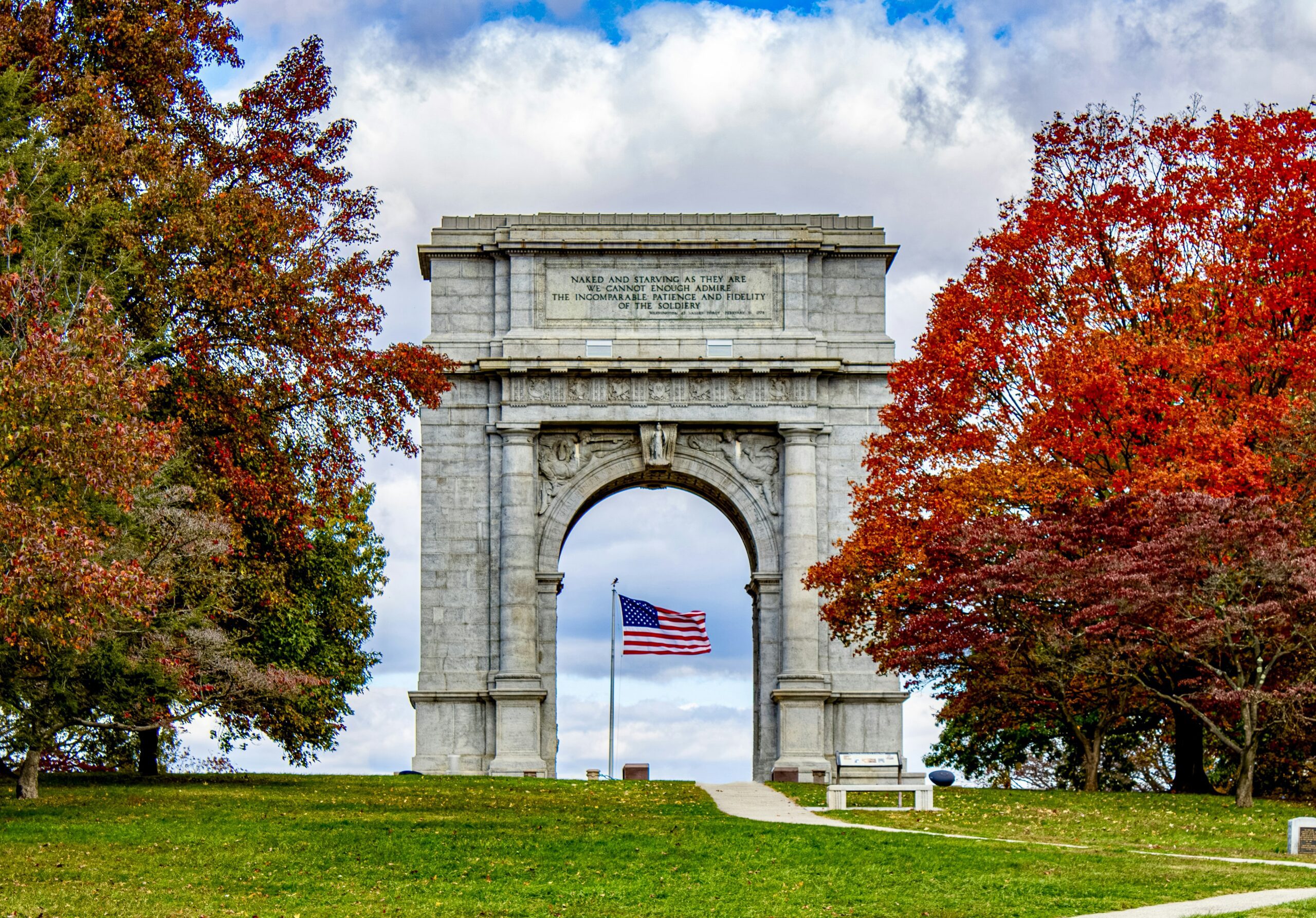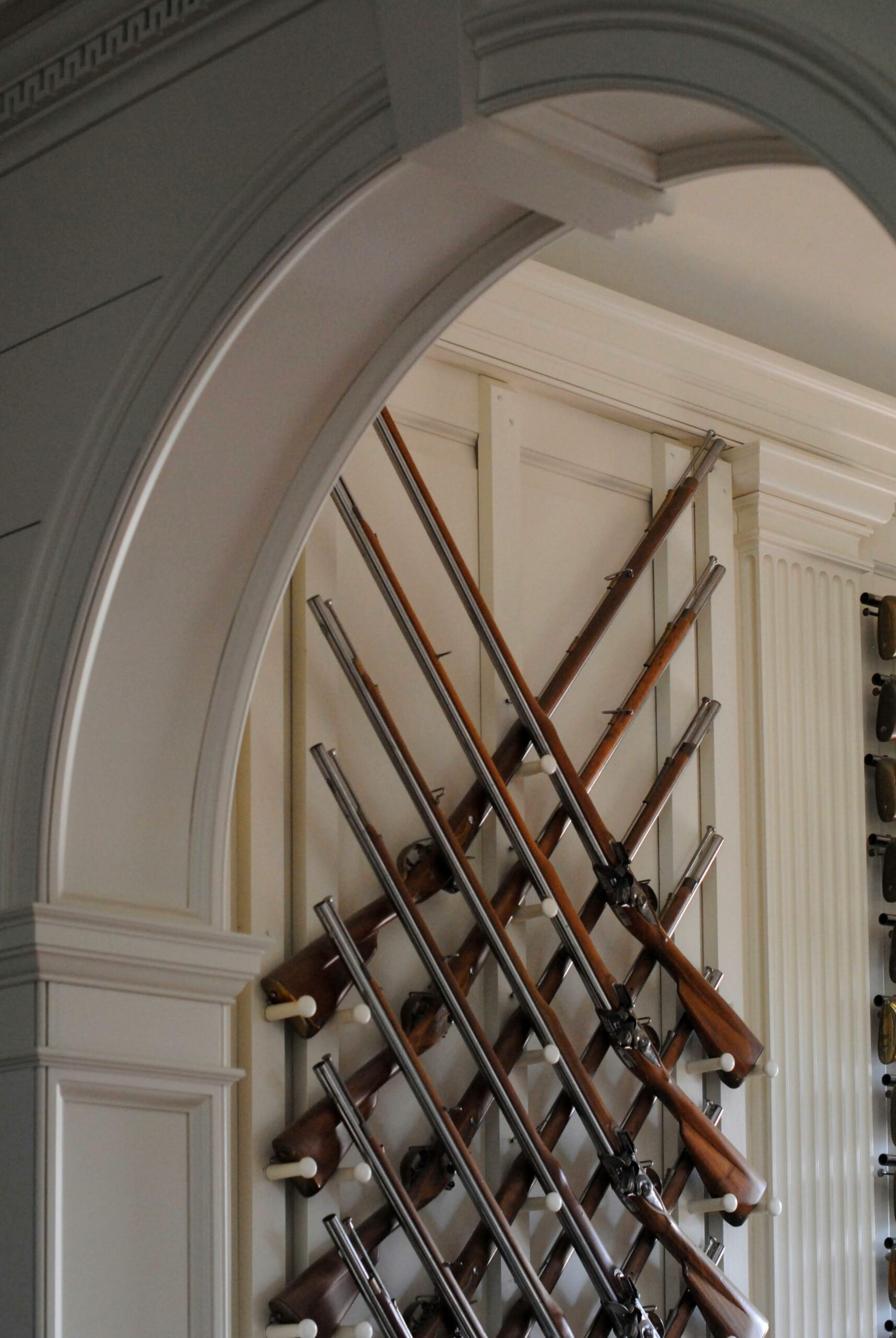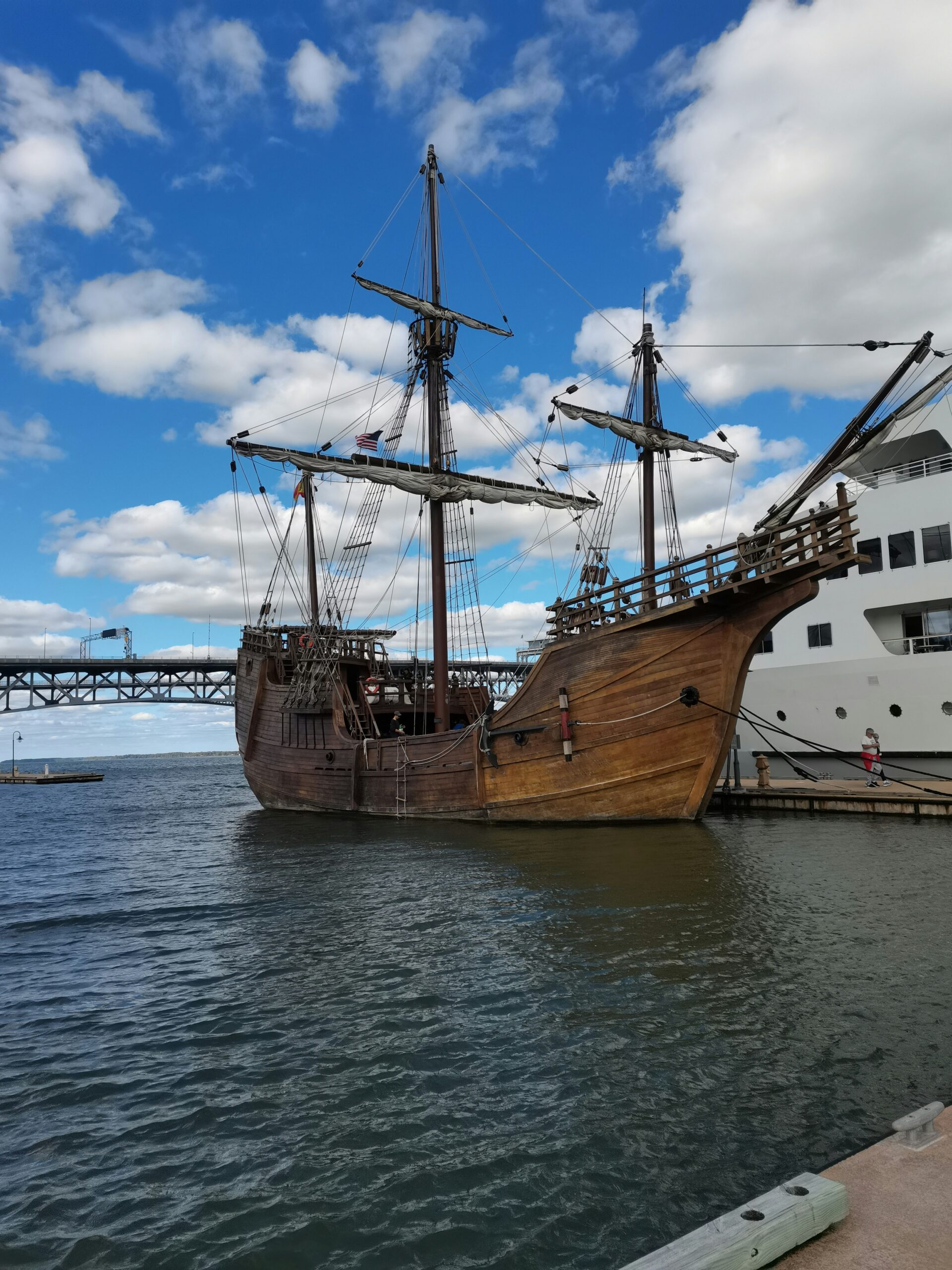


The American Revolution was not decided at Independence Hall alone. It was contested on riverbanks and farmland, in taverns and fortifications, over eight grinding years and a thousand miles of coastline and backcountry. This thirteen-day journey follows that full arc — from the tobacco wharves of tidewater Virginia to the frozen encampments of Pennsylvania, the narrow streets where Boston’s resistance first caught fire, and the Hudson Valley corridor whose forts and river defenses determined whether the rebellion would survive its earliest years. It is built around a single question: how did thirteen fractious colonies, with no navy, little money, and a citizen army prone to dispersing at harvest time, defeat the most formidable military power in the world?
Our journey begins in Colonial Williamsburg, where the streets, workshops, and government buildings of royal Virginia have been restored down to the cobblestones, before continuing to Yorktown, the ground where Cornwallis’s surrender in October 1781 effectively ended the fighting. From there the tour turns north to Philadelphia: Independence Hall and the Liberty Bell, then out to Germantown’s Cliveden, the stone mansion that became an unyielding British strongpoint during a battle Washington nearly won, and on to Valley Forge and Brandywine, where the Continental Army came closest to dissolving altogether. In Boston, you’ll stand where the first shots were exchanged at Lexington and Concord and climb Bunker Hill before following the Freedom Trail through the city that gave the resistance its early momentum. The tour concludes along the Hudson corridor — West Point, Constitution Island, Saratoga, Fort Ticonderoga, and Fort Stanwix — the network of forts and river defenses that kept the colonies from being cut in two.
Throughout the trip, Dr. Alan Taylor, twice awarded the Pulitzer Prize in History and the Thomas Jefferson Foundation Professor of History at the University of Virginia, provides the connective narrative on how a rebellion of farmers and merchants became a war, and how that war became a nation. By the time you reach Albany, the Revolution reads less like a sequence of dates and more like a landscape you have walked.
(If you have any questions about this tour itinerary, get in touch.)
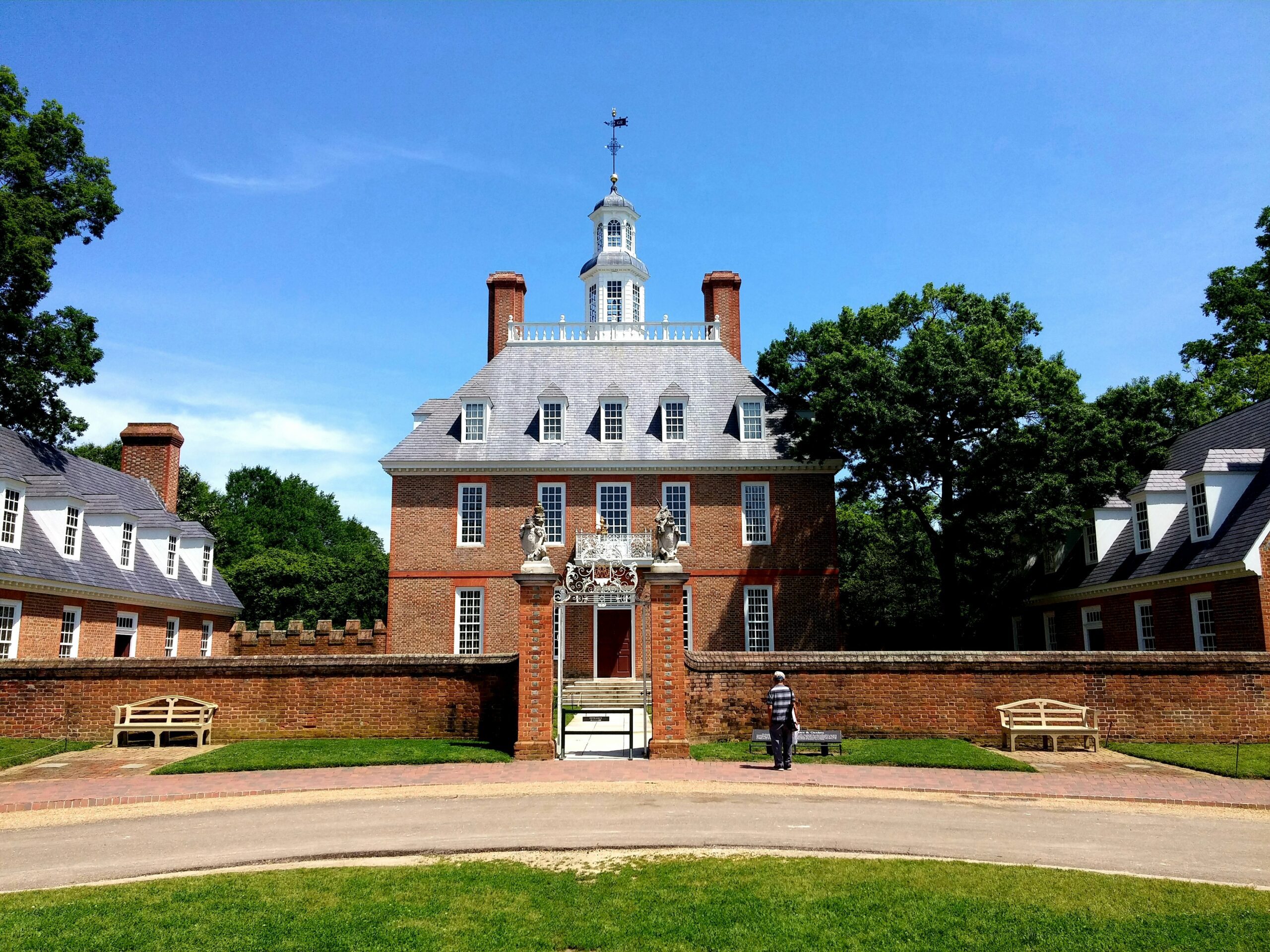
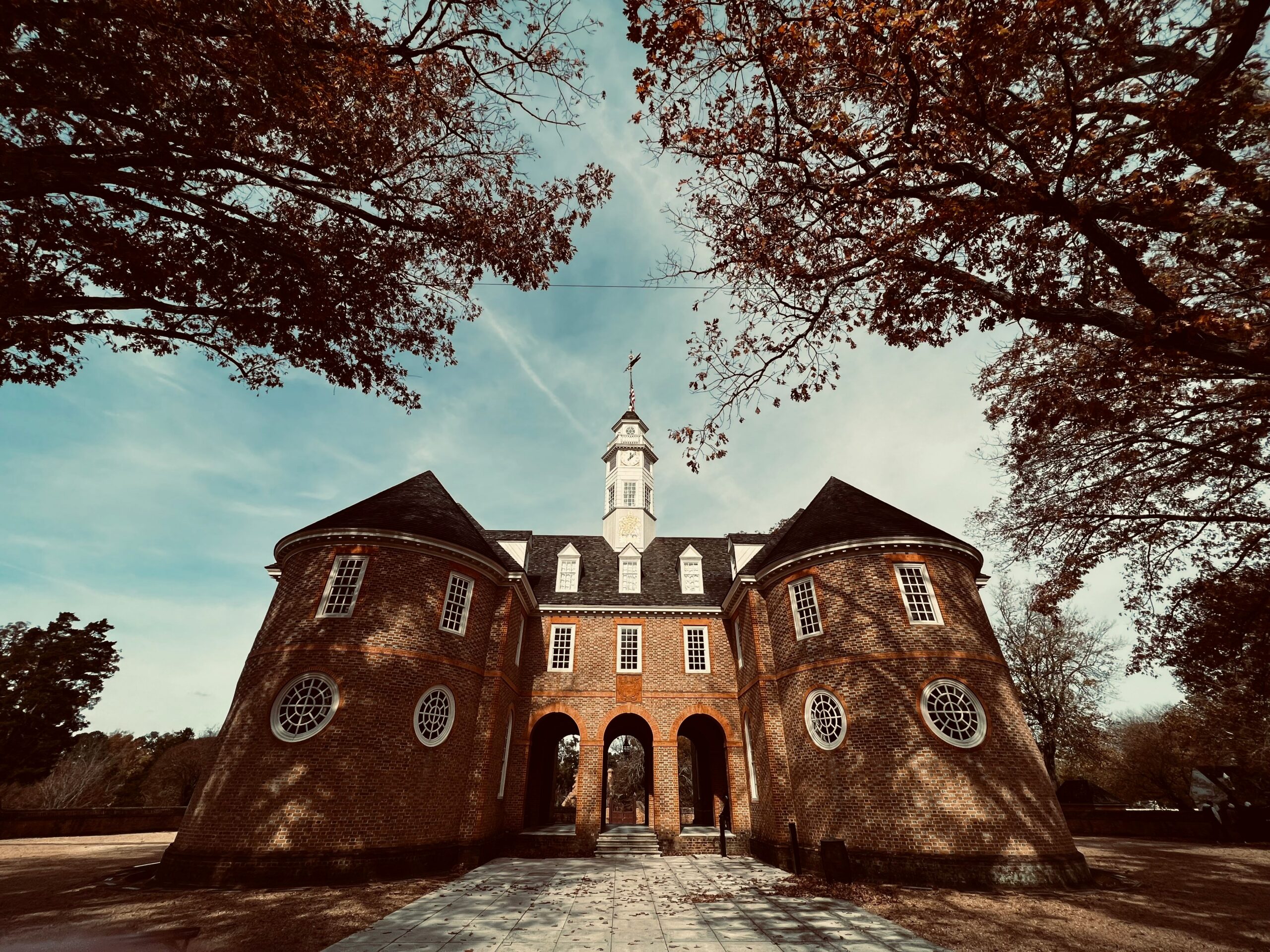
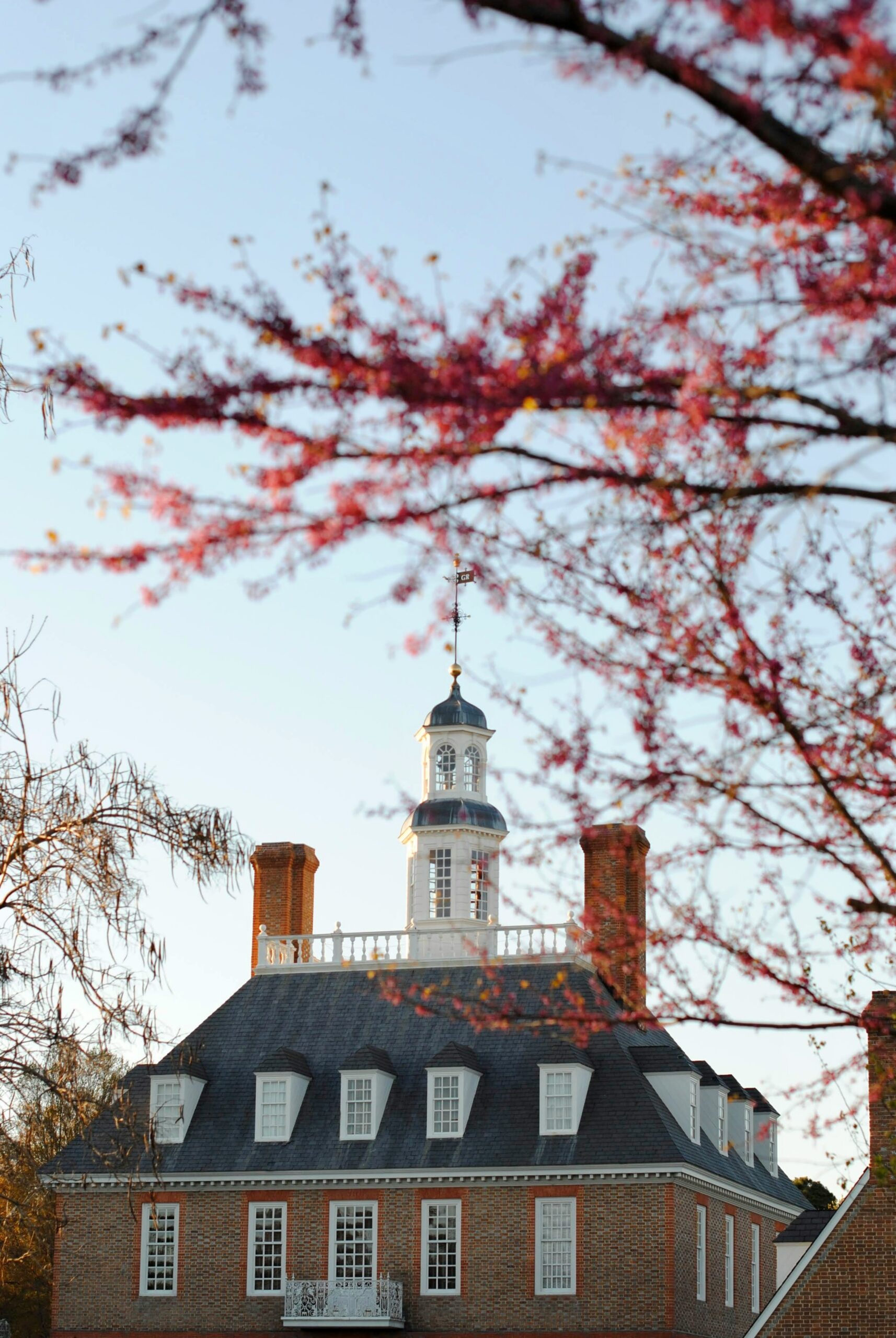
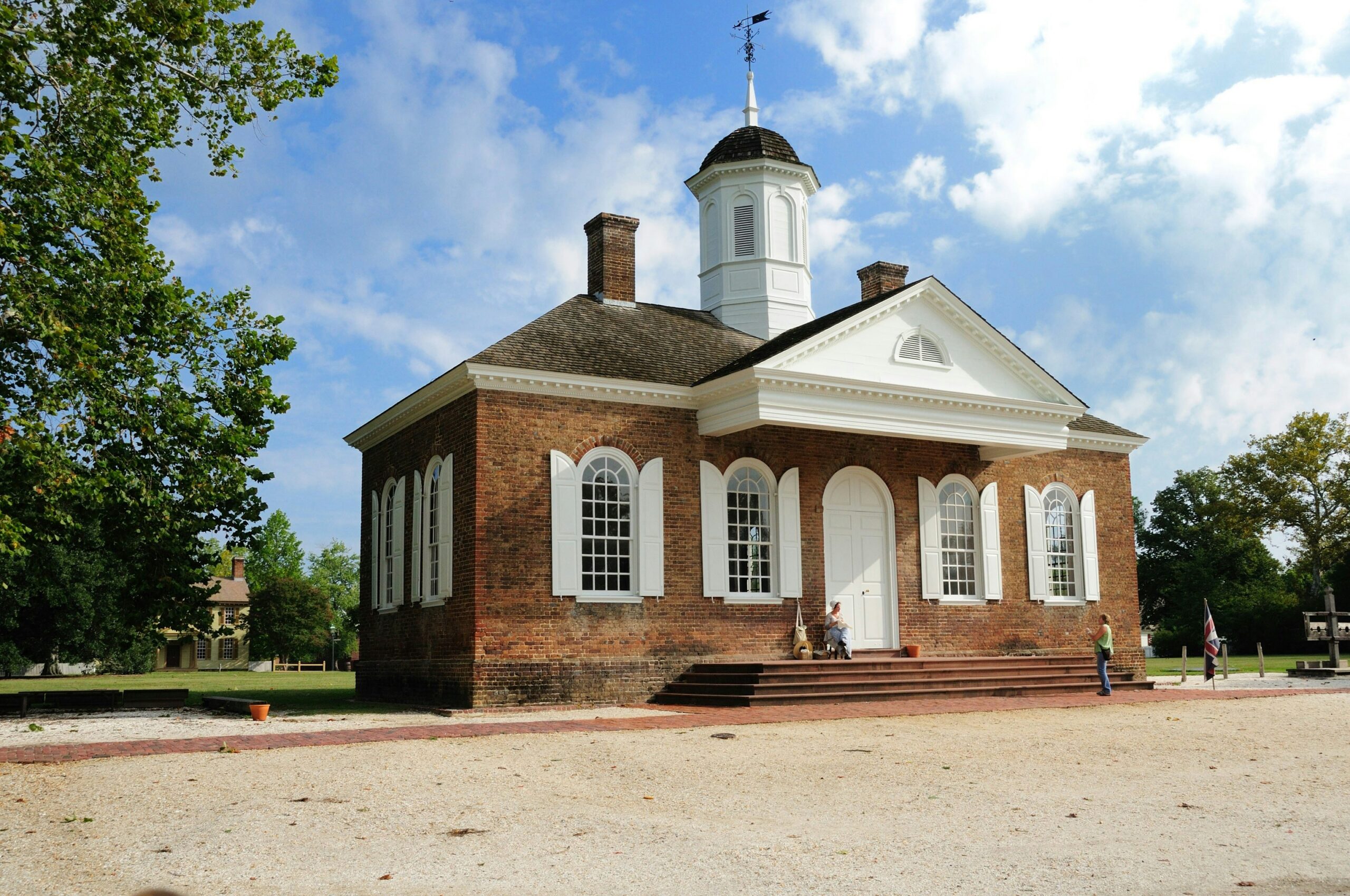
Arrive at Richmond International Airport and transfer to Williamsburg, capital of colonial Virginia from 1699 until 1780 and, in the years before independence, the political heart of the largest and wealthiest of the thirteen colonies. The afternoon is spent in the restored Historic Area, where craftsmen still work in period trades and the Governor’s Palace, Capitol, and Raleigh Tavern stand largely as they did when Patrick Henry and Thomas Jefferson debated here.
Enjoy a Welcome Dinner before settling into The Williamsburg Colonial Inn, our historic home for the next two nights. (D)
Begin this morning in Colonial Williamsburg’s Historic Area to explore the sites and workshops not reached the day before, followed by lunch at Sweet Tea & Barley. In the afternoon, travel to Yorktown, where in October 1781 General Cornwallis surrendered his army to George Washington and the Comte de Rochambeau after a three-week siege, the military defeat that persuaded Britain to negotiate peace. Walking the earthworks and battlefield here brings the abstraction of “victory” down to the terrain on which it was actually won. (B/L/D)
Depart Williamsburg and travel north to Philadelphia, with lunch en route. The afternoon is free to settle into the Kimpton Hotel Monaco, in the heart of a city that in the 1770s was the largest in British North America and the natural meeting ground for delegates converging from every colony.
Overnight for two nights. (B/L/D)
Begin today in Germantown with a visit to Cliveden, the Chew family’s stone country house that became an improvised British fortress during the October 1777 Battle of Germantown. The walls here still bear the scars of the American artillery that failed to dislodge it. Continue to King of Prussia and Valley Forge, where the Continental Army spent the brutal winter of 1777–1778, emerging in the spring reorganized and drilled into something closer to a professional force, largely through the training imposed by Baron von Steuben.
After lunch at the Black Powder Tavern, the afternoon turns to Chadds Ford and the Brandywine Battlefield, site of the largest single-day engagement of the Revolutionary War, where Washington’s outmaneuvered army opened the road to Philadelphia for the British. Return to Philadelphia in the late afternoon. (B/L/D)
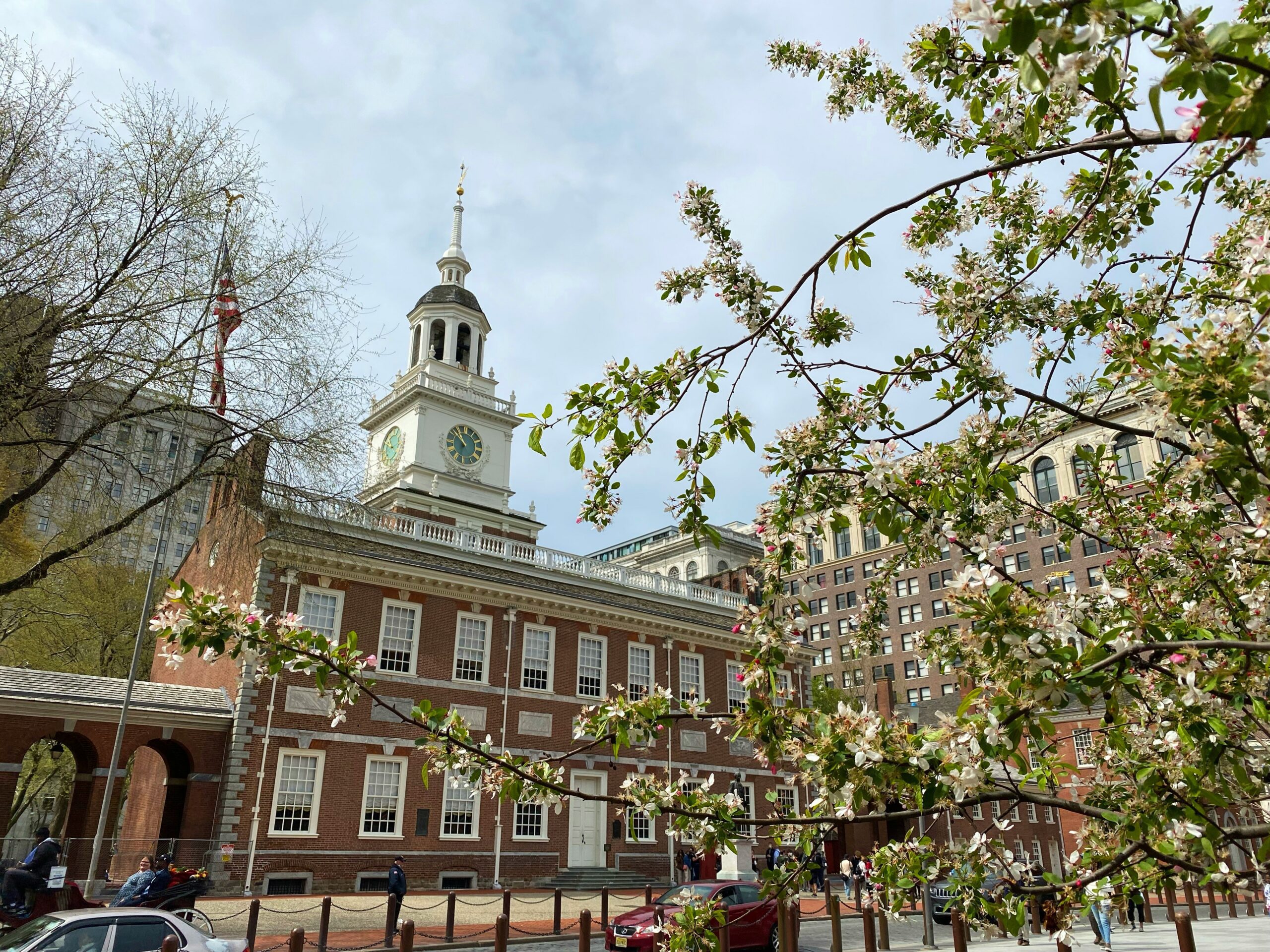
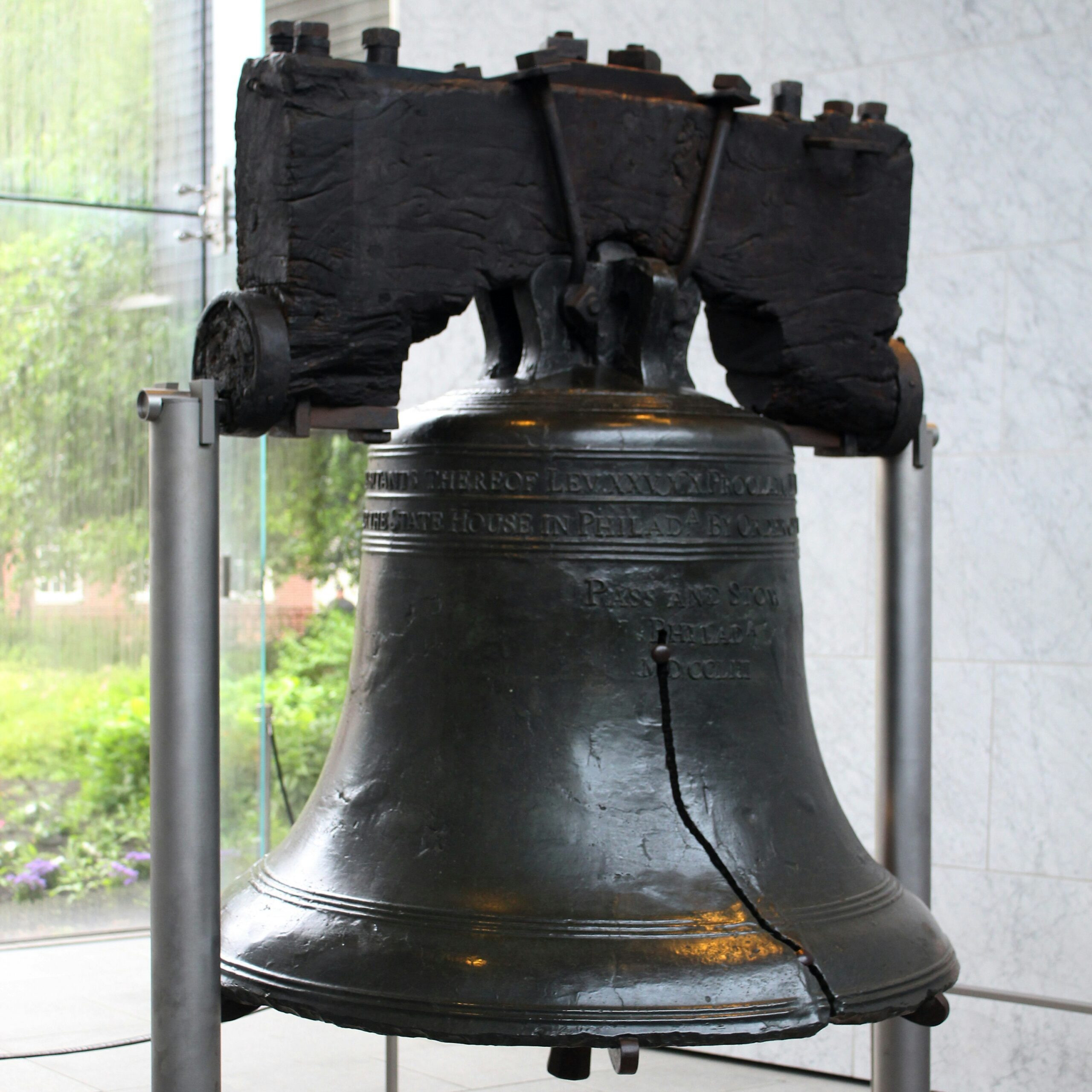
The morning belongs to Independence Hall, a UNESCO World Heritage Site, where the Second Continental Congress debated and adopted the Declaration of Independence in 1776 and, eleven years later, the Constitutional Convention drafted the framework of American government in the same room. Nearby, the Liberty Bell and Congress Hall, home to the U.S. Congress through the 1790s, round out the morning.
After lunch, we drive on to Boston, arriving at the Fairmont Copley Plaza where we spend three nights. (B/L/D)
Our journey today takes us to Lincoln, Massachusetts, to explore Minute Man National Historical Park, which preserves the road and battlefields where colonial militia and British regulars exchanged the first shots of the Revolution on April 19, 1775. Continue on to Hartwell Tavern, a surviving witness structure along that route.
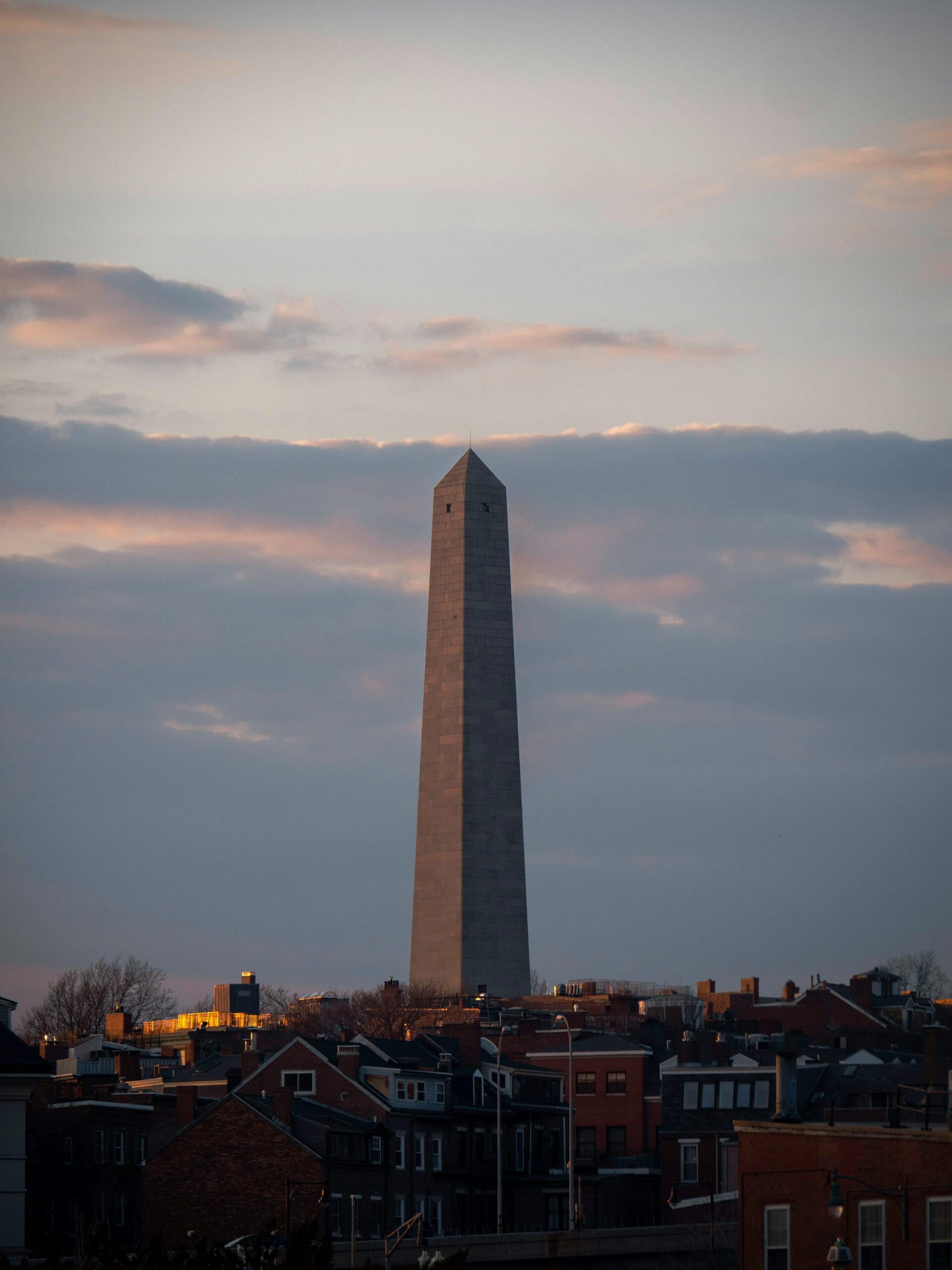
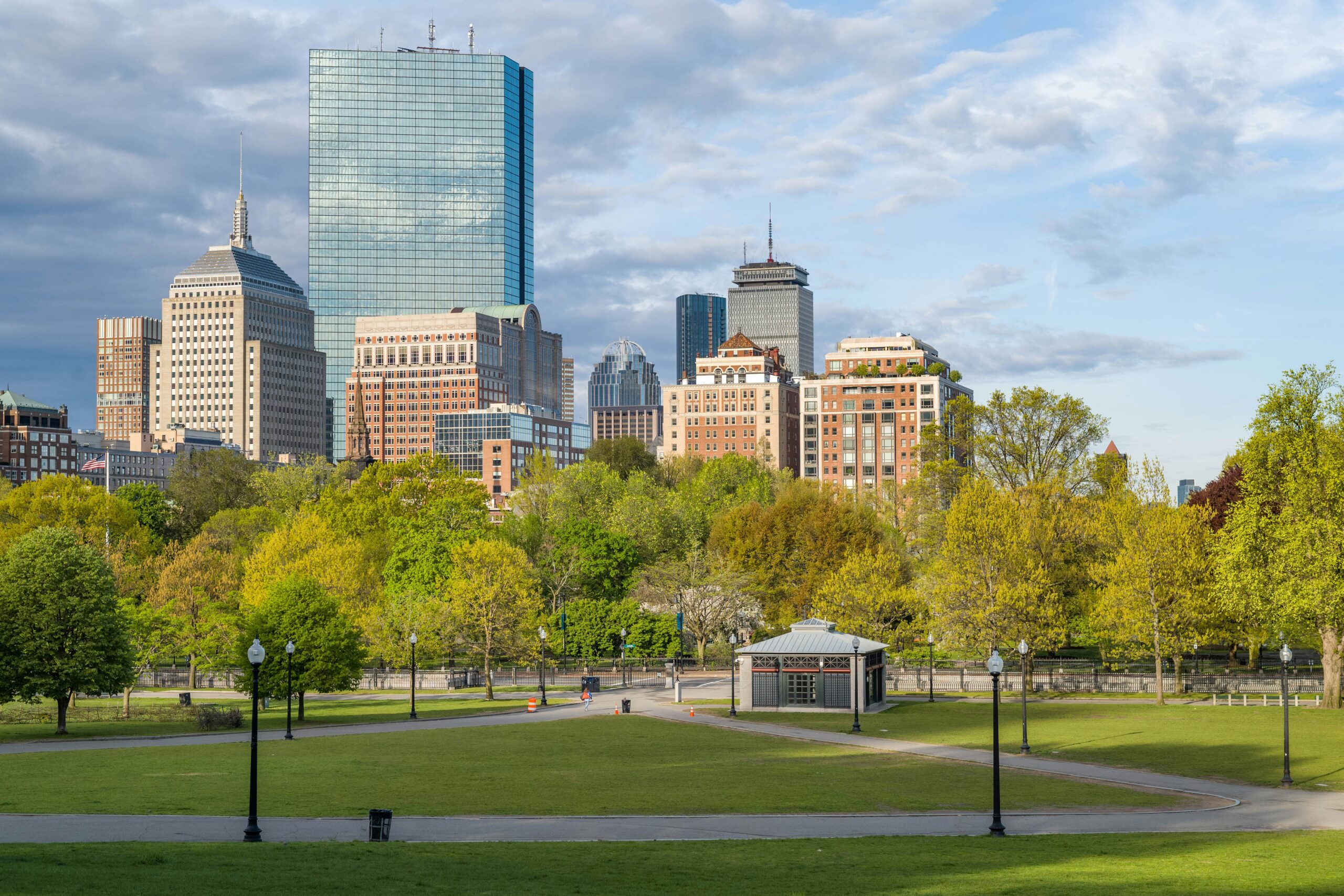
After lunch, return to Boston to climb Bunker Hill Monument on Breed’s Hill, commemorating the costly June 1775 battle in which British regulars took the ground but suffered catastrophic casualties, a result that convinced many wavering colonists the fight was winnable.
Dinner is on our own to explore Boston’s many culinary options. (B/ L)
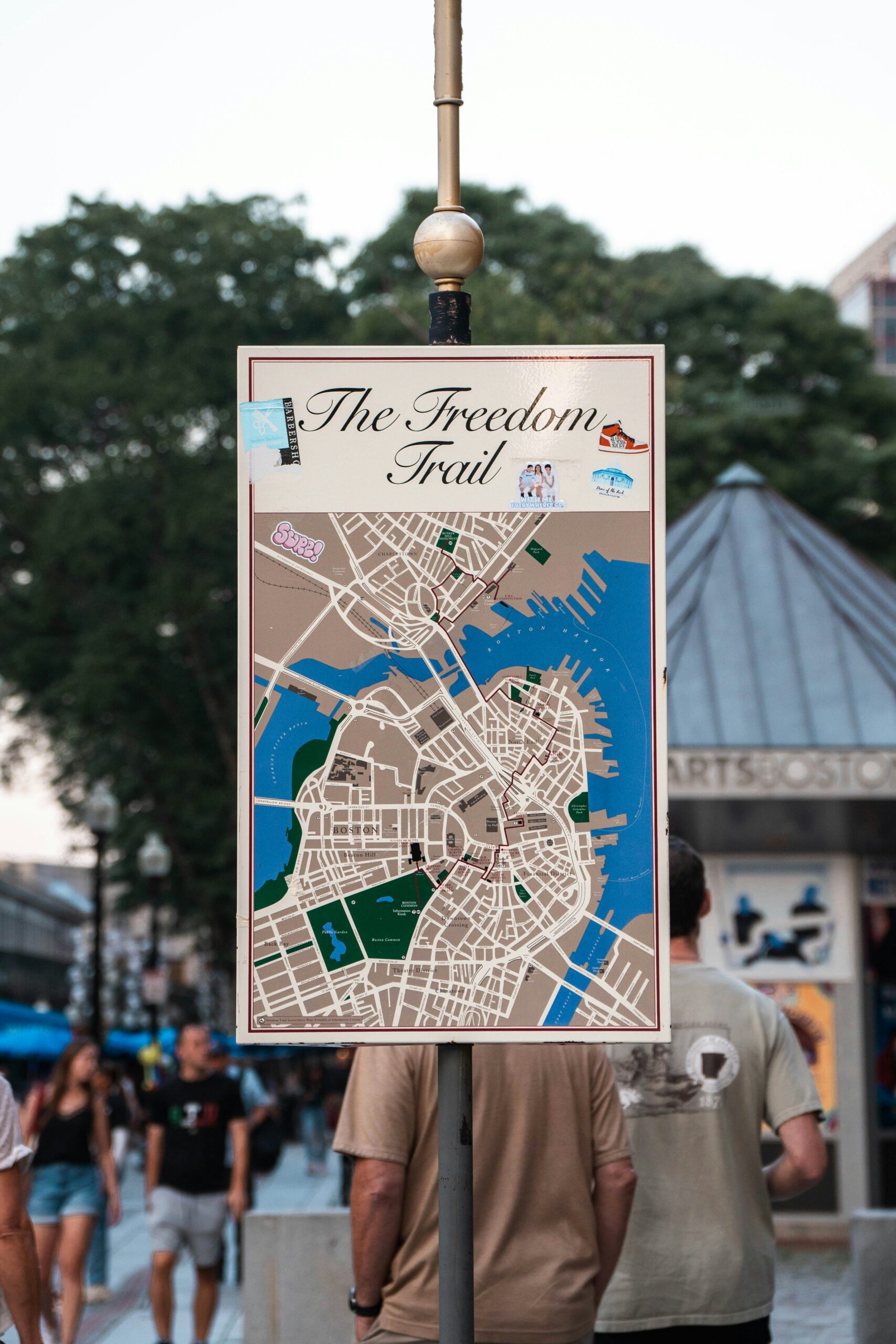
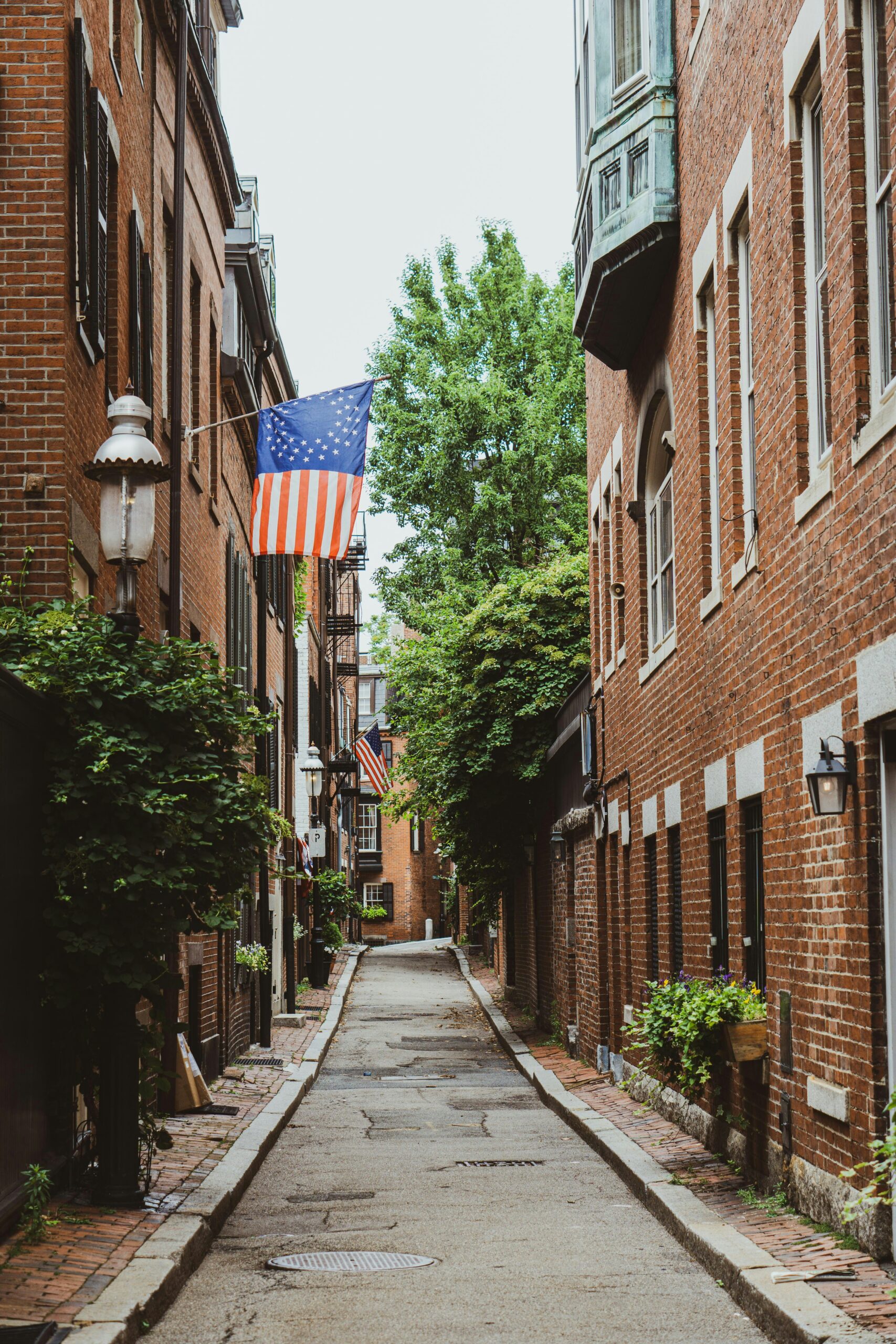
Spend the morning and early afternoon walking the Freedom Trail, the red-brick route connecting sixteen sites central to Boston’s revolutionary years: from the Old State House, scene of the 1770 Boston Massacre, to Paul Revere’s house and the Old North Church, whose lanterns signaled the start of Revere’s ride.
Lunch is at a restaurant along the route. The remainder of the day is free to explore Boston independently with dinner on our own. (B/L)
Travel from Boston to West Point, located on the west bank of the Hudson River.
In the afternoon we embark on a Hudson River boat tour, offering water-level views of the river’s dramatic highlands. This terrain made this stretch of the Hudson the single most strategically important corridor in the war, since control of it meant control of the line between New England and the other colonies.
We overnight for two nights at The Thayer Hotel, situated on the grounds of the United States Military Academy. (B/L/D)
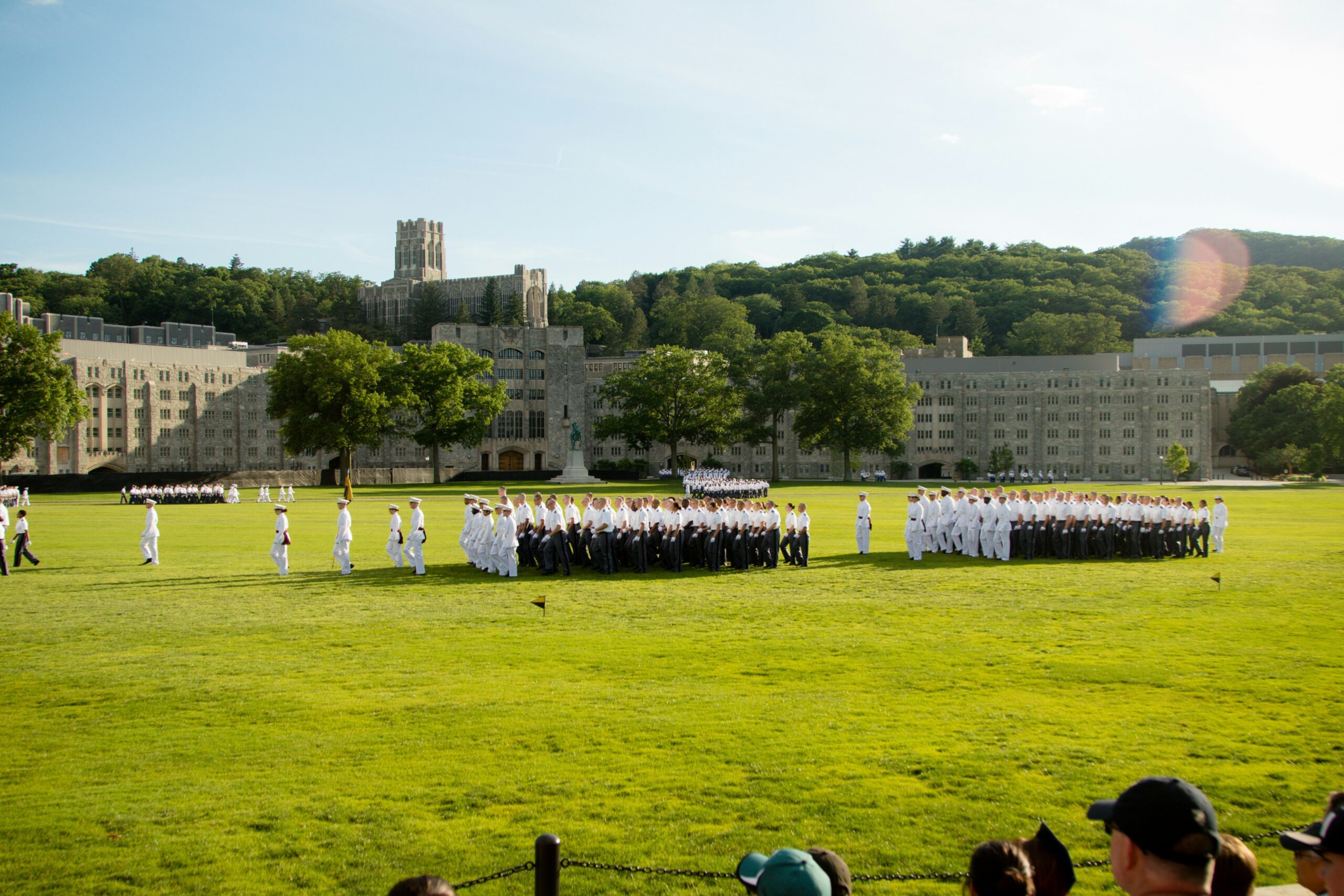
We spend the morning at West Point taking in the Academy’s museum and the parade grounds overlooking the Hudson, with exhibits tracing the site’s transformation from Revolutionary War fortification to the nation’s military academy.
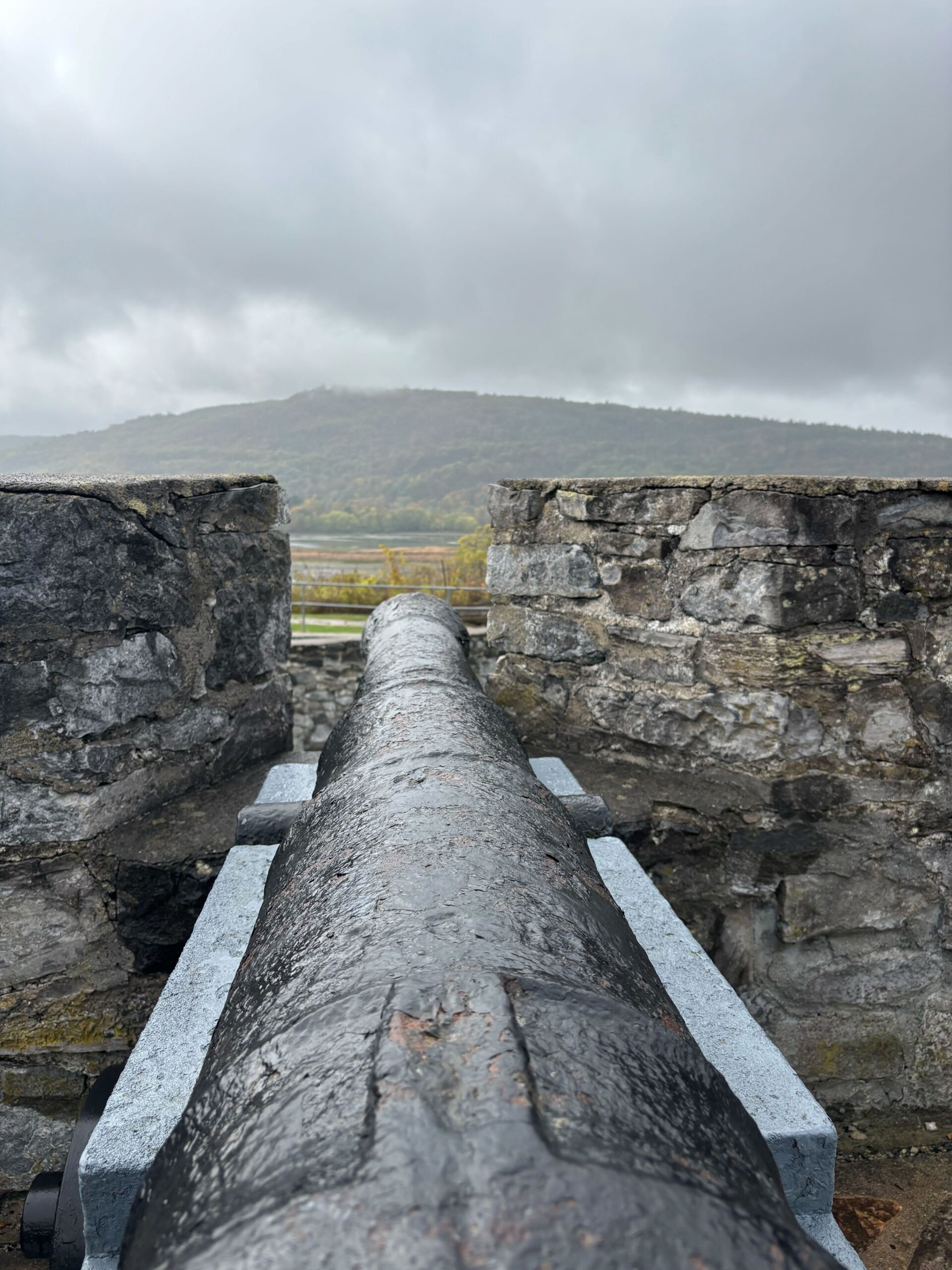
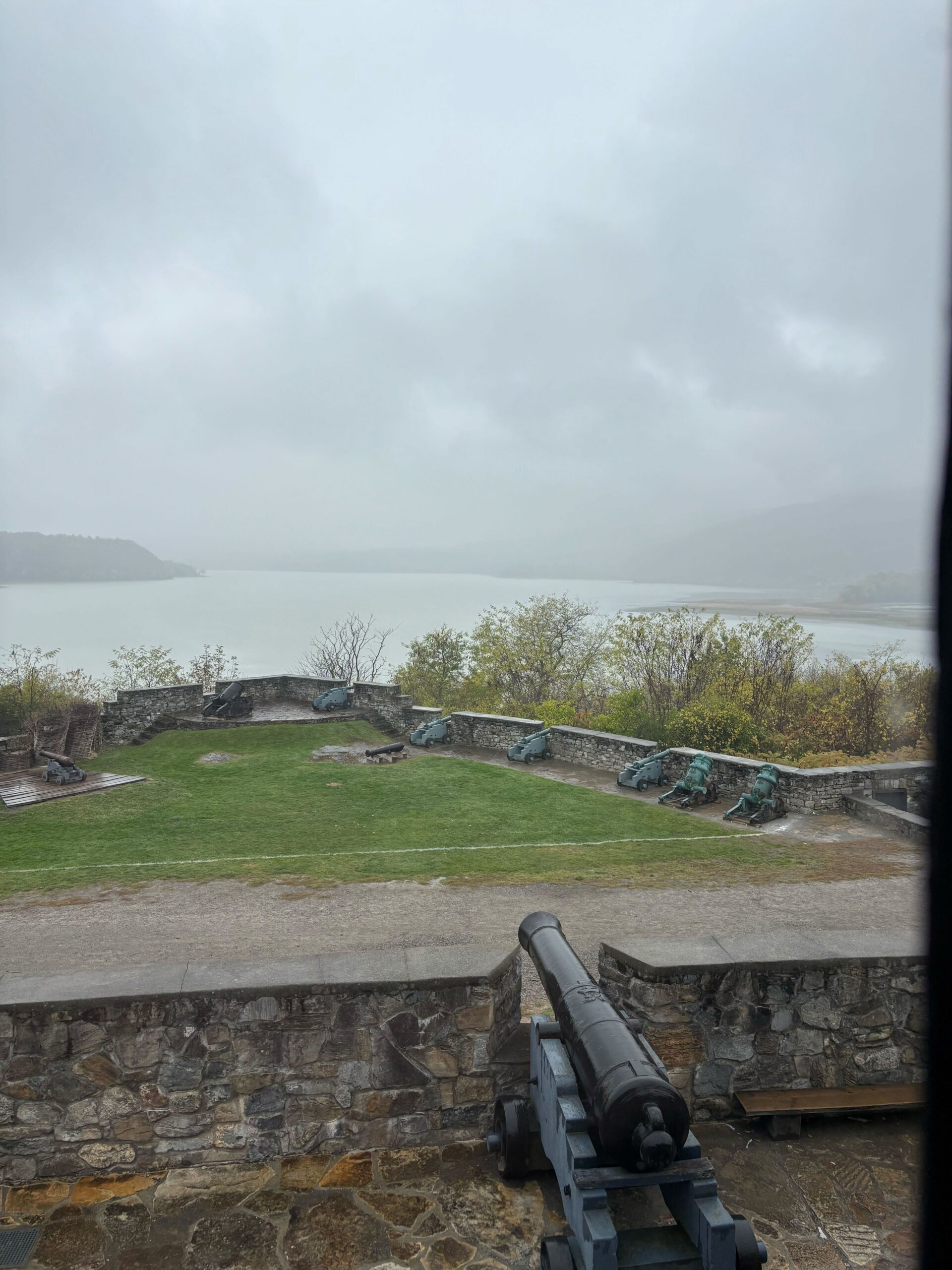
After lunch, cross to Constitution Island, where American engineers stretched a 65-ton iron chain across the river in 1778 to physically block British ships from moving upriver, one of the war’s more improbable feats of engineering. (B/L/D)
Travel to Newburgh, New York for a visit to Washington’s Headquarters State Historic Park, the fieldstone house that served as the Continental Army’s last headquarters from 1782 to 1783. Here, Washington quashed the officers’ threatened mutiny known as the Newburgh Conspiracy and, shortly after, declined any suggestion that he assume royal power.
Continue north to Saratoga Springs and Saratoga National Historical Park, where American forces defeated General Burgoyne’s army in October 1777 in the battle historians widely consider the war’s turning point, the victory that persuaded France to enter the war openly on the American side.
Overnight for one night at the historic Adelphi Hotel. (B/L/D)
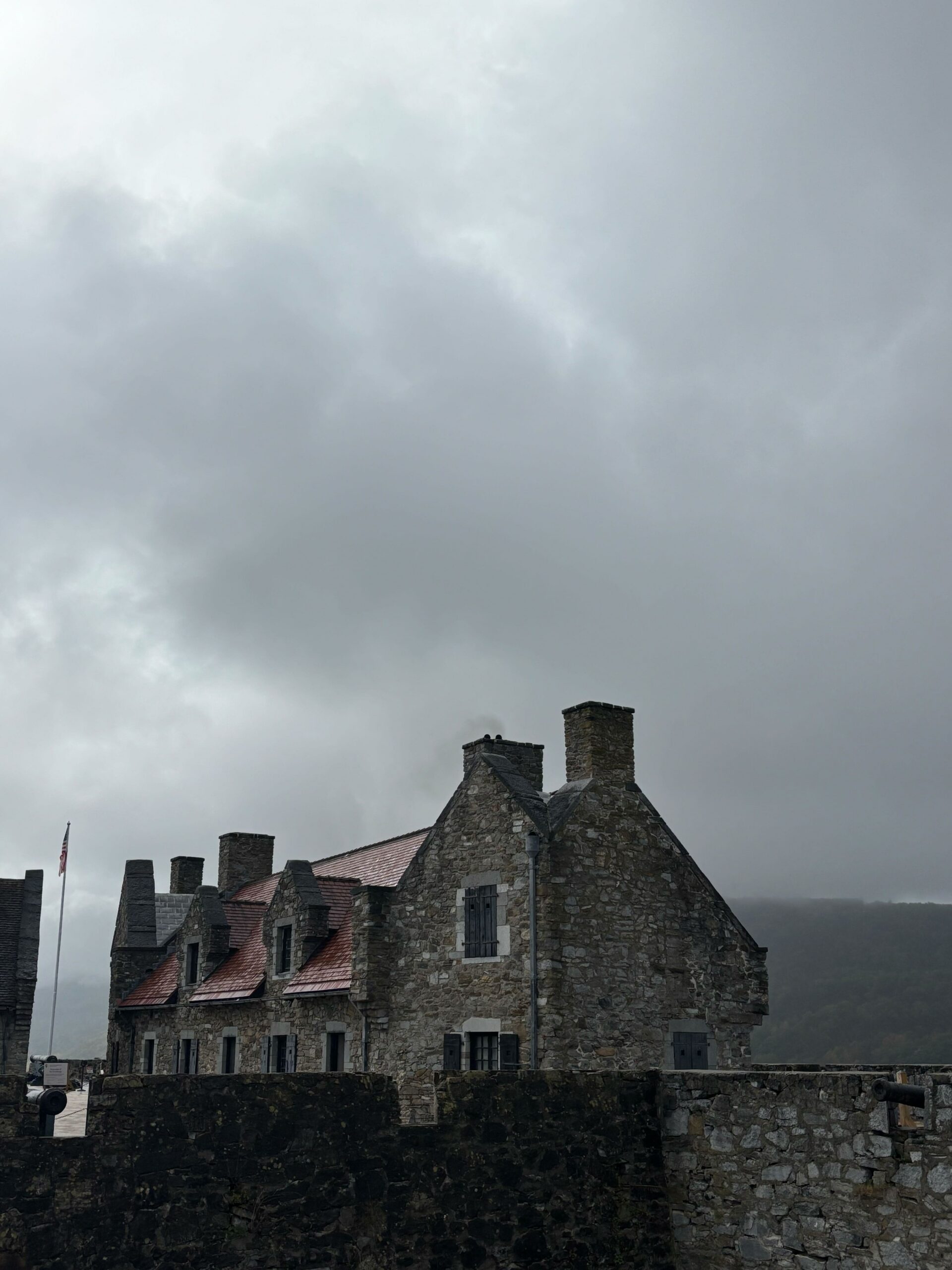
We journey today to Fort Ticonderoga, the star-shaped fortress at the southern end of Lake Champlain. In May 1775, Ethan Allen and the Green Mountain Boys seized this fort from a startled British garrison in one of the war’ first American victories. The cannon that they captured was hauled overland to Boston that winter, forcing the British evacuation of the city. After lunch, a boat tour on Lake Champlain traces the same water route armies and supplies used to move between Canada and the Hudson Valley.
Continue to Albany and overnight for two nights at the Albany Marriott. (B/L/D)
Travel west to Rome, New York and Fort Stanwix National Monument, the reconstructed frontier fort whose successful defense in the summer of 1777 blocked a British force from joining Burgoyne’s advance down the Hudson, a key thread in the Saratoga campaign’s success.
Return to Albany for an afternoon walk along the historic riverfront, where 18th-century Dutch colonial streetscapes survive amid a city that served as a critical American supply and communications hub throughout the northern campaigns.
Enjoy a festive Farewell Dinner to conclude the trip. (B/L/D)
Independent transfer to Albany International Airport for departing flights home. (B)